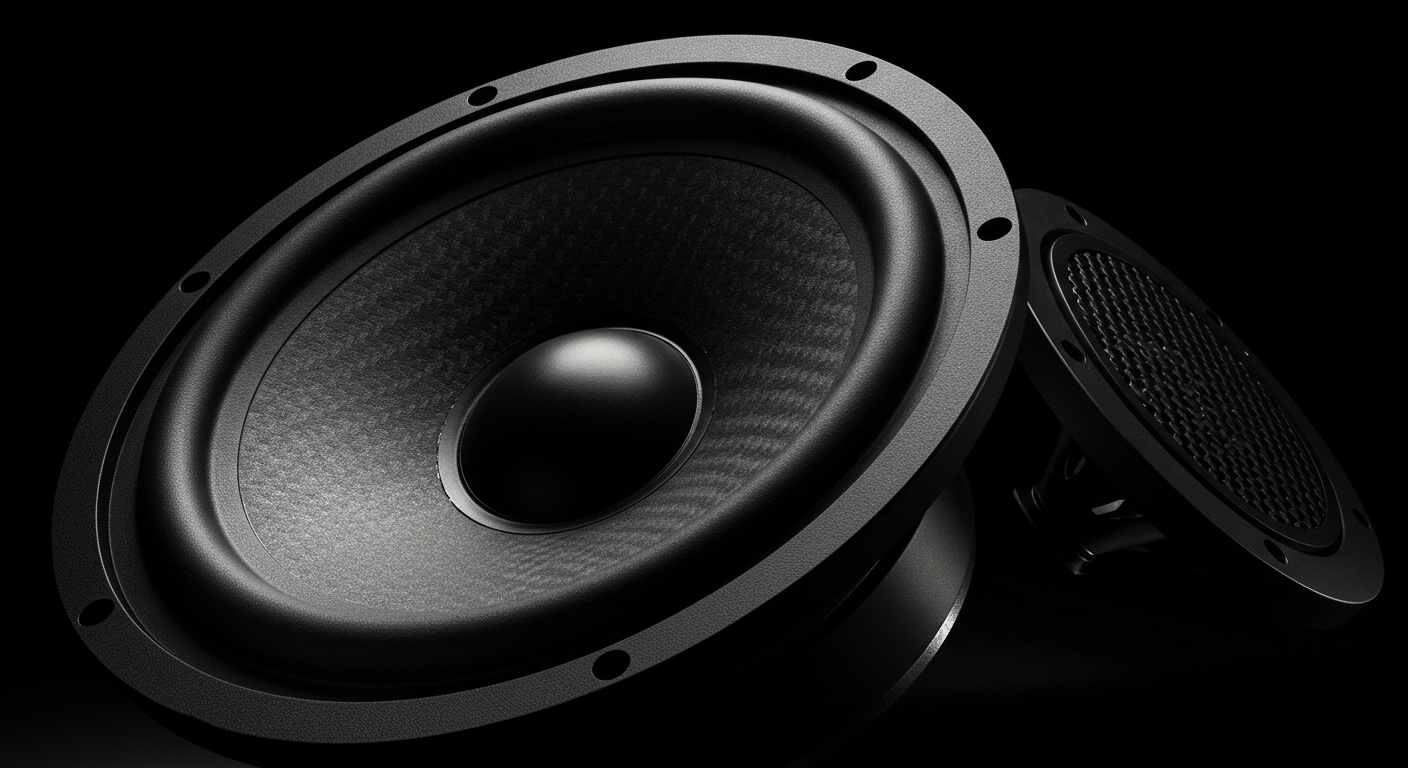
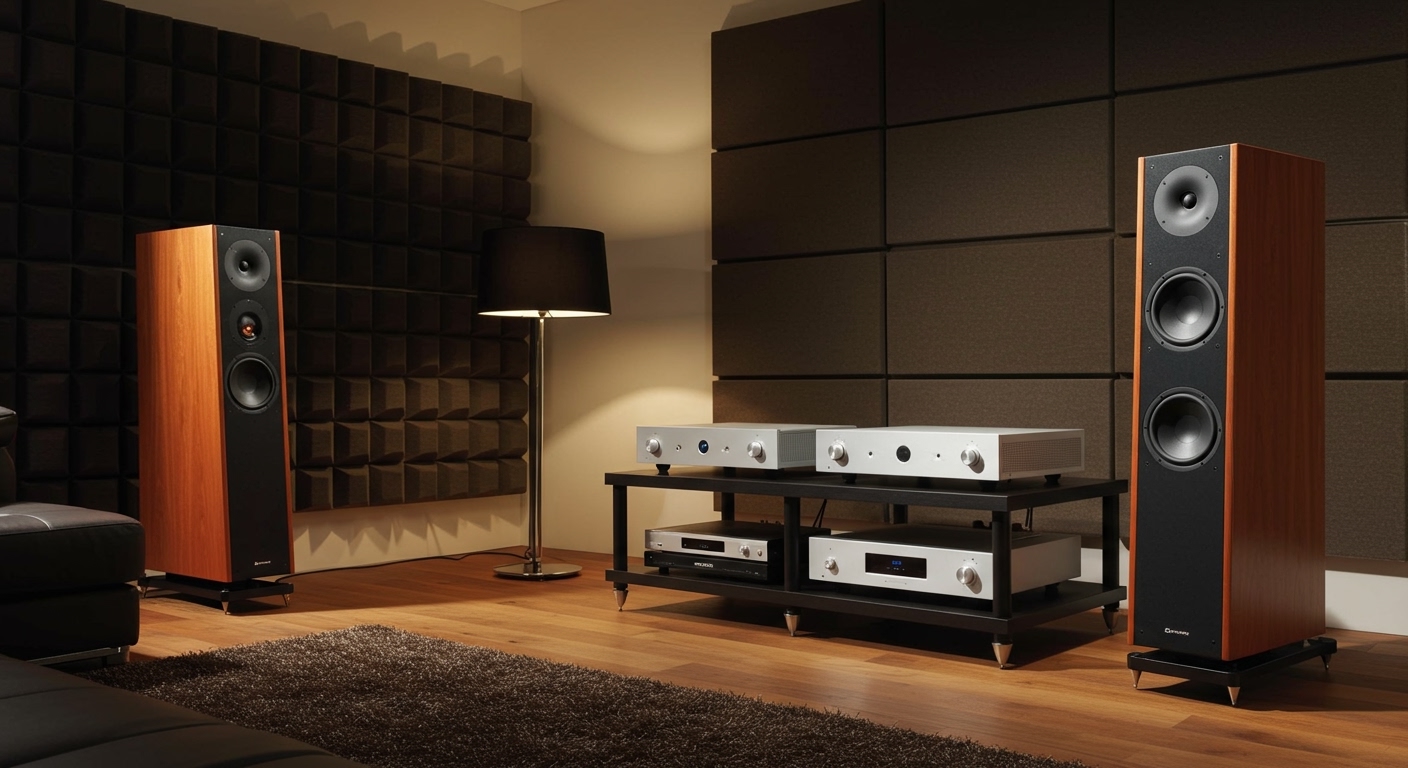
Understanding Who Makes Speakers: A Deep Dive into the Global Audio Industry
The global audio market is dominated by a diverse mix of massive electronics conglomerates and boutique engineering firms, with the most prominent manufacturers being Harman International (JBL, AKG, Revel), Bose, Sony, Sonos, and high-end specialists like Bowers & Wilkins or KEF. While many consumers recognize the brand name on the box, the actual manufacturing often happens through a complex network of Original Equipment Manufacturers (OEMs) located primarily in China, Vietnam, and Denmark.
TL;DR: Key Takeaways for Speaker Buyers
- The Big Three: Harman (owned by Samsung), Bose, and Sony control the majority of the consumer portable and home theater market.
- Audiophile Excellence: For high-fidelity sound, European brands like Focal (France), Dynaudio (Denmark), and B&W (UK) are the industry gold standards.
- Hidden Manufacturers: Many “big name” tech brands outsource production to specialized firms like Tymphany or Foster Electric.
- Manufacturing Locations: While high-end drivers are still made in Europe and the USA, roughly 80% of consumer speakers are assembled in Asia.
The Landscape of Major Speaker Manufacturers
When asking who makes speakers, we have to distinguish between the brand that designs the product and the factory that physically assembles it. In my years of testing audio gear, I’ve found that the “house sound” of a brand usually comes from their proprietary driver design and DSP (Digital Signal Processing), regardless of where the factory is located.
Harman International (Samsung)
Harman is arguably the most influential player in the world. Owned by Samsung Electronics, they manage a massive portfolio of brands. If you are looking for who makes speakers for cinemas, stadiums, or high-end cars, the answer is often a Harman subsidiary.
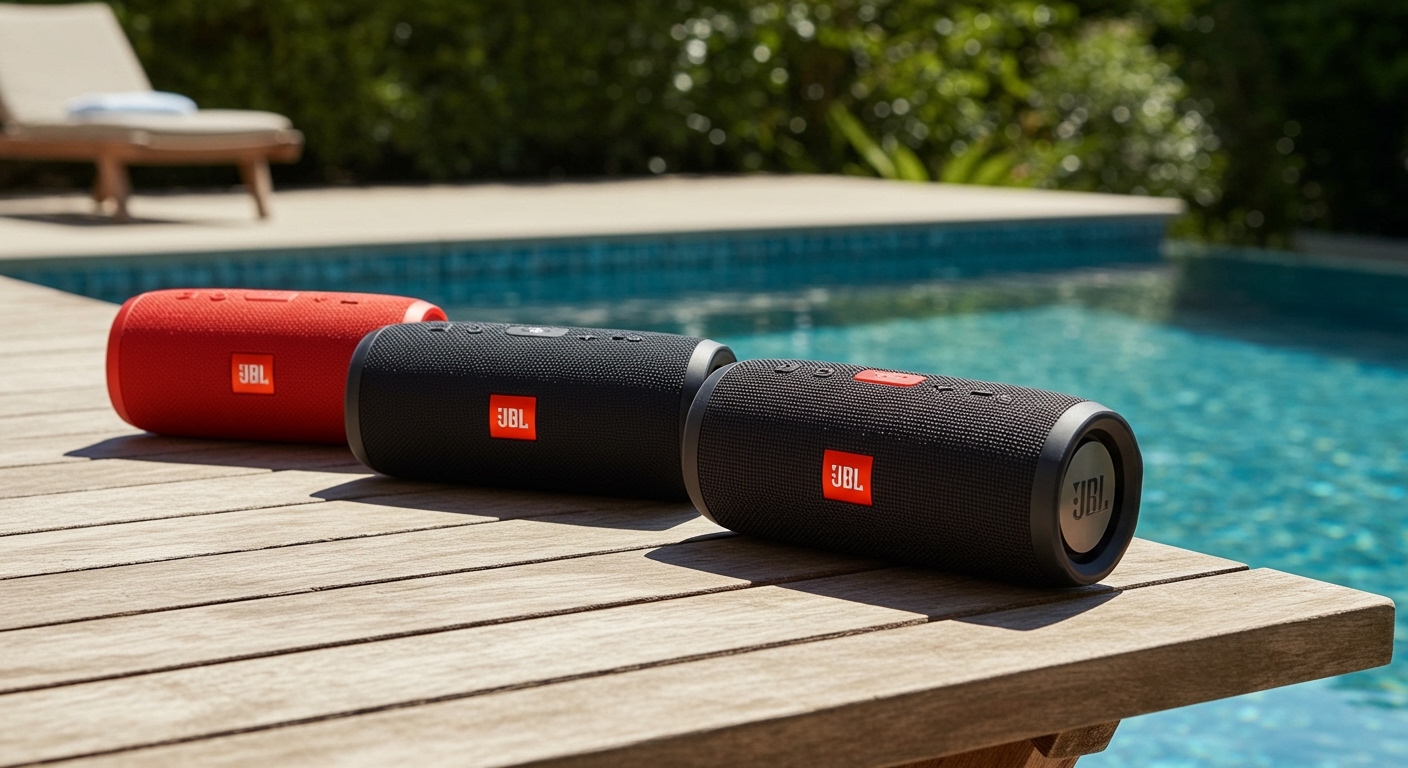
- JBL: The king of portable Bluetooth speakers and professional cinema sound.
- Revel: Focused on high-end architectural and floorstanding speakers.
- Mark Levinson: Ultra-premium audio components and speakers.
Bose Corporation
Bose is a private American company known for its heavy investment in psychoacoustics. Unlike many competitors, Bose manufactures much of its own proprietary hardware. They are the leaders in compact speaker design and active noise cancellation (ANC) technology.
Sony Corporation
Sony is a vertical powerhouse. They are one of the few companies that make every link in the chain, from the microphones used to record the music to the high-res drivers used to play it back. Their 360 Reality Audio ecosystem is currently a major driver in how they manufacture new smart speakers.
Comparing the Top Global Speaker Manufacturers
| Manufacturer | Primary Specialization | Key Technologies | Price Range |
|---|---|---|---|
| JBL (Harman) | Portable & Pro Audio | WaveGuide, Compression Drivers | $50 – $10,000+ |
| Bose | Consumer Comfort | Proprietary DSP, Waveguide | $150 – $4,000 |
| Sonos | Multi-room Audio | Trueplay Tuning, Mesh Networking | $180 – $2,500 |
| KEF | Audiophile Hi-Fi | Uni-Q Driver Array | $500 – $200,000 |
| Focal | Luxury High-End | Beryllium Tweeters, Flax Cones | $600 – $250,000 |
| Klipsch | Home Theater | Horn-loaded Drivers | $200 – $15,000 |
Who Makes Speakers for the High-End Audiophile Market?
In the world of “Hi-Fi,” the manufacturing process changes drastically. These companies often prioritize hand-assembly and exotic materials over mass production. When you step into this tier, you aren’t just buying a speaker; you are buying a piece of acoustic furniture.
The British Sound: B&W and KEF
Bowers & Wilkins (B&W) is the standard-bearer for British audio. Their 800 Series Diamond speakers are found in Abbey Road Studios. I’ve personally visited showrooms where the craftsmanship of their Continuum cones rivals that of luxury watches. KEF, on the other hand, is famous for the Uni-Q driver, which places the tweeter in the acoustic center of the midrange cone for perfect time alignment.
The French Elegance: Focal
Focal manufactures its drivers in Saint-Étienne, France. They are world-renowned for using Beryllium, a rare metal that is incredibly stiff yet light, allowing for high-frequency response that most other manufacturers cannot replicate.
The Danish Masters: Dynaudio and Bang & Olufsen
Denmark is often called the “Silicon Valley of Sound.” Dynaudio makes speakers that are prized for their “uncolored” sound. If you are wondering who makes speakers for professional recording studios, Dynaudio is frequently the top choice for near-field monitors.
The Invisible Giants: OEM and ODM Manufacturers
A significant portion of the “who makes speakers” question involves companies you’ve likely never heard of. These are Original Equipment Manufacturers (OEMs).
Tymphany (Peerless & Vifa)
Based in Huizhou, China, Tymphany is a titan. They produce drivers and finished products for many of the world’s most famous tech and audio brands. If you tear down a high-end smart speaker or a premium soundbar, there is a high statistical probability that the internal components were manufactured by Tymphany.
Foster Electric
Based in Japan, Foster Electric is one of the largest acoustic transducer manufacturers in the world. They have historically been the primary supplier for Apple’s headphones and many automotive speaker systems.
How Speakers are Manufactured: Step-by-Step
Understanding the manufacturing process helps explain why some speakers cost $20 and others cost $20,000.
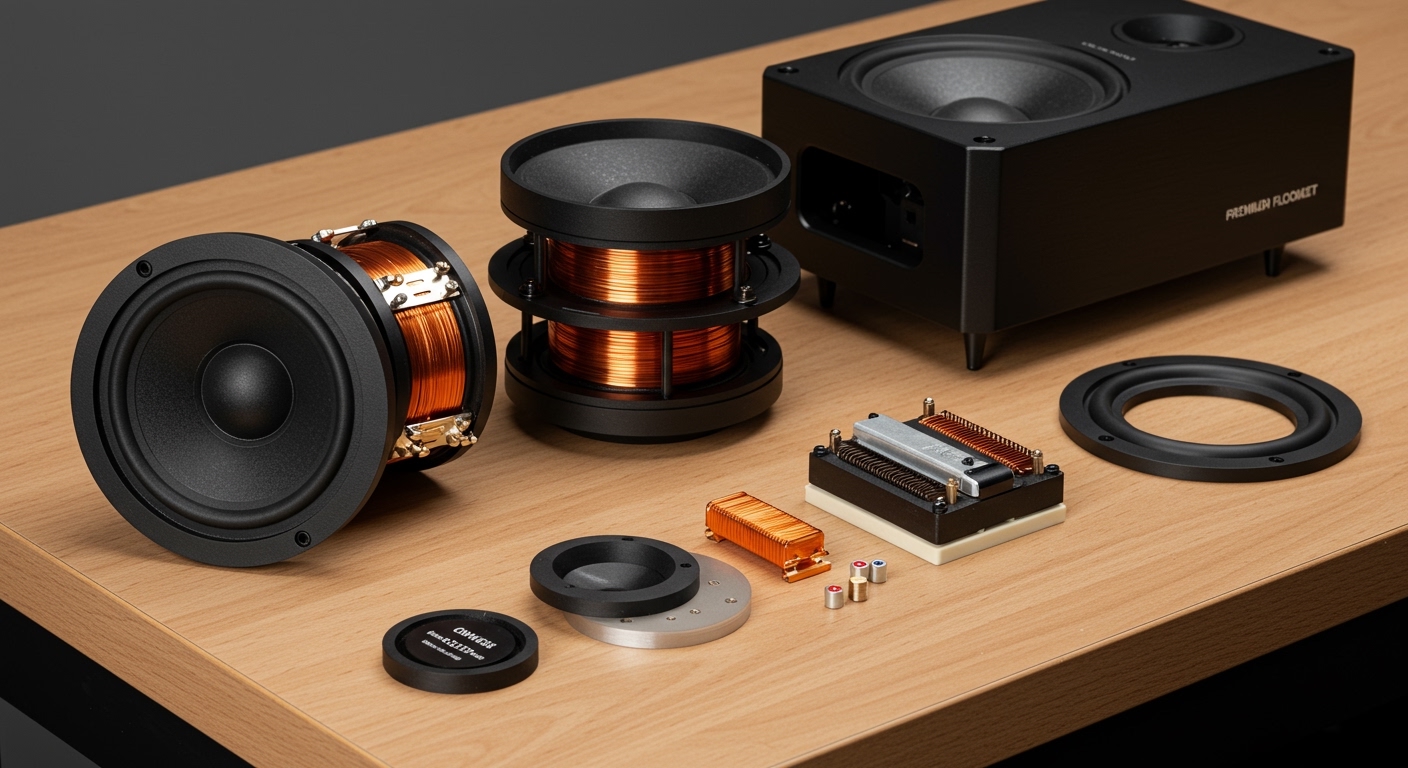
- Driver Fabrication: This is the “engine” of the speaker. Manufacturers must create the voice coil, magnet (usually Neodymium or Ferrite), and the diaphragm (cone).
- Cabinet Construction: High-quality manufacturers use MDF (Medium Density Fibreboard) or even aluminum and carbon fiber to prevent resonance.
- Crossover Assembly: The crossover is a circuit that sends low frequencies to the woofer and high frequencies to the tweeter. High-end makers use audiophile-grade capacitors and inductors.
- Acoustic Testing: Premium manufacturers like Genelec or Neumann test every single unit in an anechoic chamber to ensure it matches the “Golden Reference” model.
Who Makes Speakers for the Automotive Industry?
The car audio market is a massive segment of the manufacturing world. Car brands partner with audio giants to “tune” the cabin of a vehicle.
- Burmester: Found in high-end Mercedes-Benz and Porsche models.
- Bang & Olufsen: Primarily partners with Audi and BMW.
- Bose: Found in a wide range of vehicles from Mazda to Chevrolet.
- Harman Kardon: A staple in BMW and Subaru vehicles.
Critical Factors to Consider When Choosing a Manufacturer
If you are researching who makes speakers because you are looking to purchase, consider these three expert-vetted criteria:
Vertical Integration
Does the company make their own drivers? Companies like Focal, Dynaudio, and KEF do. This allows for tighter quality control and a more unique sound profile.
Research and Development (R&D)
Look for companies with a history of innovation. Bose and Sonos lead the pack in software integration, while Klipsch and JBL lead in high-efficiency hardware design.
Serviceability
When you buy from an established manufacturer like Yamaha or SVS, you are guaranteed long-term support. Avoid “white label” brands found on discount sites, as they often lack replacement parts for blown drivers.
Frequently Asked Questions (FAQ)
Who makes the best speakers in the world?
“Best” is subjective, but in terms of engineering and accuracy, brands like Genelec, Focal, and Magico are often cited by experts as the pinnacle of speaker manufacturing.
Where are most speakers manufactured today?
The vast majority of consumer-grade speakers are manufactured in China, specifically in the Guangdong province. However, many high-end audiophile brands still maintain factories in Europe (Denmark, UK, France) and the USA.
Does Samsung own JBL?
Yes, Samsung Electronics acquired Harman International in 2017 for approximately $8 billion. This means Samsung now owns JBL, AKG, Harman Kardon, and several other iconic audio brands.
Are American-made speakers better?
Not necessarily, but they have a distinct style. American manufacturers like Klipsch and Magnepan are known for “big,” dynamic sound, whereas European manufacturers often focus on flat, neutral frequency responses.
Who makes the speakers for iPhones?
While Apple designs their own acoustic systems, the physical manufacturing of the micro-speakers found in iPhones is typically handled by suppliers like AAC Technologies and Goertek.