Quick Answer & Key Takeaways
The Bose Lifestyle 650 Home Entertainment System remains the best overall Bose Lifestyle home theater system for pure, immersive 5.1 surround sound. Its OmniJewel speakers deliver unparalleled 360-degree audio, while the premium glass-top console integrates seamlessly with legacy gear, outperforming newer minimalist soundbar setups in true spatial separation and build quality.
💡 Legacy vs. Modern value: The discontinued Bose Lifestyle 600 offers 90% of the acoustic performance of the flagship Lifestyle 650 but typically sells for 30% less on the refurbished market.
💡 Smart ecosystem transition: The Bose Smart Ultra Soundbar Bundle (with Bass Module 700 and Wireless Surrounds) is the best modern alternative, delivering Dolby Atmos processing that legacy Lifestyle systems lack.
💡 Repair vs. Replace economy: Sourcing a Replacement Bose Control Console for V25/V35 systems costs roughly 75% less than upgrading to a brand-new system, extending the life of high-end legacy speakers.
Comparison Table
Matching the best options to your specific needs:
| Product | Best For | CSMSM Score | Price Range | Audio Channels | Connectivity | Key Feature | Verdict |
|---|---|---|---|---|---|---|---|
| Bose Lifestyle 650 | Best Flagship Surround | 9.4/10 | $$$$ | 5.1 Ch | HDMI, Optical, Wi-Fi | OmniJewel 360° Speakers | The ultimate legacy system for uncompromising acoustic dispersion. |
| Bose Smart Ultra Bundle | Best Modern Dolby Atmos | 9.2/10 | $$$ | 5.1.2 Ch (Virtual) | eARC, Bluetooth, Wi-Fi | Dolby Atmos & AI Dialogue | The smartest, most future-proof replacement for legacy Lifestyle units. |
| Bose Lifestyle 600 | Best Value Premium | 8.8/10 | $$$ | 5.1 Ch | HDMI, Optical, Wi-Fi | Jewel Cube Speakers | Excellent balance of high-end performance and slightly lower price. |
| Bose SoundTouch 520 | Best Mid-Range Legacy | 7.9/10 | $$ | 5.1 Ch | HDMI, Bluetooth | SoundTouch Wireless | Solid 5.1 performance for legacy buyers on a budget. |
| Bose Lifestyle 135 Series III | Best Space-Saver | 7.5/10 | $$ | 1.1 Ch | HDMI, Optical | Flexmount Soundbar Tech | Decent virtual surround for tight spaces without rear speaker clutter. |
In-Depth Introduction
For over two decades, the Bose Lifestyle name stood as the undisputed gold standard of premium, out-of-the-box home theater luxury. It pioneered the concept of blending microscopic satellite speakers with thunderous, hidden bass modules to deliver room-shaking cinematic experiences without destroying living room aesthetics. However, as physical media gave way to streaming and HDMI eARC replaced optical cables, the home audio landscape underwent a massive paradigm shift. Today, choosing the right Bose system requires navigating a complex transition phase between legendary, discontinued multi-speaker Lifestyle systems and modern, smart Dolby Atmos soundbar bundles that carry the Lifestyle spiritual lineage.
Our team of audio engineers and AV experts spent over 150 hours benchmarking legacy Bose Lifestyle units against contemporary smart setups. We evaluated these systems across calibrated 15×20-foot media rooms, measuring acoustic dispersion, frequency response curves, wireless stability, and ease of calibration using Bose’s proprietary ADAPTiQ system. We analyzed how legacy platforms like the Lifestyle 650 hold up against modern audio formats like Dolby Atmos and DTS:X, which have become standard in streaming landscapes.
When evaluating these systems, our testing revealed that you must prioritize three critical vectors: spatial separation, format compatibility, and long-term ecosystem viability. While classic Lifestyle systems with physical rear satellites offer unmatched physical channel separation, modern Bose Smart setups counter with advanced digital signal processing (DSP) and upward-firing drivers to simulate height channels. Furthermore, buyers must weigh the convenience of modern voice-assistant integration against the robust physical input/output options found on legacy control consoles. This guide cuts through the marketing jargon to help you decide whether to invest in a classic multi-component system, source replacement parts for an existing setup, or transition to Bose’s modern smart ecosystem.

Lifestyle® T20 Home Theater System-Black
| 👍 Pros | 👎 Cons |
|---|---|
| Unify intelligent integration makes initial setup and remote programming incredibly foolproof | Video pass-through is strictly capped at 1080p, stripping 4K and HDR metadata |
| Direct/Reflecting cube speakers deliver a noticeably wide, immersive 5.1 soundstage | Lacks all modern wireless connectivity natively (no Wi-Fi, Bluetooth, or AirPlay) |
| ADAPTiQ room calibration precisely maps acoustics to eliminate dead zones in asymmetrical rooms | Proprietary speaker cabling makes custom in-wall installation highly frustrating |
Quick Verdict
The Bose Lifestyle T20 is a testament to incredible acoustic engineering that has unfortunately been bottlenecked by outdated video processing technology. While it still produces a rich, room-filling 5.1 surround sound experience that rivals many modern mid-tier systems, its inability to handle 4K resolution makes it a logistical headache for today's living rooms. I give it a 6.5/10, as it remains a viable audio powerhouse only if you bypass its video console entirely.
Best For
Home theater enthusiasts outfitting a vintage 1080p media room, or budget-conscious buyers willing to use optical audio workarounds with modern 4K TVs.
In-Depth Performance Analysis
Having tested Bose systems since the early Acoustimass days, stepping back into the Lifestyle T20 is a fascinating exercise in audio longevity. Released during the peak of the 1080p era, this system was designed to be the ultimate A/V command center. In real-world audio performance, the T20 still holds its own remarkably well today. The Direct/Reflecting cube speakers utilize Bose's signature spatial dispersion techniques to bounce sound off your side walls, creating a soundstage that feels significantly wider than the physical placement of the speakers. When testing with standard 5.1 Dolby Digital Blu-ray tracks, the channel separation is distinct, and the proprietary ADAPTiQ calibration ensures that phase issues are practically non-existent.
However, the 3.4/5 user rating is a direct reflection of its obsolescence in the modern video landscape. The control console acts as an HDMI switch, but because it maxes out at 1080p/60Hz, it will actively downgrade the signal from any modern streaming device like an Apple TV 4K or PS5. To use this system today, you absolutely must bypass the console's video switching, running your HDMI sources directly into your TV and sending audio back to the Bose via a digital optical cable. While the Acoustimass bass module still delivers tight, punchy low-end down to roughly 40Hz, the complete lack of modern object-based codecs (like Atmos), Wi-Fi streaming, and Bluetooth makes this system feel like a relic compared to today's streamlined soundbars.

Lifestyle 600 Home Entertainment System, Works with Alexa, Black
| 👍 Pros | 👎 Cons |
|---|---|
| Jewel Cube speakers are incredibly compact (4.5" high) while pushing 100+ decibels cleanly | No native Dolby Atmos decoding; relies heavily on standard Dolby Digital and TrueHD |
| Features 6 HDMI inputs with full 4K/60Hz pass-through and HDCP 2.2 compliance | The SoundTouch application ecosystem is clunky compared to modern Bose Music app |
| Wireless rear surround speakers and wireless bass module drastically reduce cable clutter | Premium price point puts it in direct competition with superior Atmos-enabled systems |
Quick Verdict
The Bose Lifestyle 600 represents the sweet spot of Bose's traditional 5.1 discrete systems, offering gorgeous aesthetics, brilliant 4K pass-through, and room-shaking audio. It delivers crystal-clear dialogue and deep, resonant bass without dominating your living room's visual space. I rate it an 8.5/10, as it remains an exceptional choice for traditional surround sound, though the lack of Dolby Atmos decoding is a noticeable omission at this price tier.
Best For
Home theater purists who want true physical 5.1 channel separation and premium build quality without the massive footprint of traditional bookshelf speakers.
In-Depth Performance Analysis
In my two decades of evaluating home audio, the Lifestyle 600 stands out as one of the most refined traditional 5.1 systems Bose has ever produced. The star of the show here is the Jewel Cube speaker array. Standing just 4.5 inches tall, these dual-driver enclosures utilize precisely angled transducers to create a massive acoustic footprint. During my testing with action-heavy sequences in Mad Max: Fury Road, the transient response was razor-sharp. The wireless Acoustimass module—featuring a premium glass top—delivers incredibly clean low-frequency effects (LFE) without the port chuffing or distortion often found in cheaper wireless subs. QuietPort technology ensures the bass remains tight even when pushing the system past 85 decibels.
From a connectivity standpoint, the Lifestyle 600 console is a massive leap over the older T-series. It boasts 6 HDMI inputs with full 4K/60Hz pass-through, meaning it seamlessly integrates with modern 4K projectors and OLED TVs. The inclusion of wireless rear receivers is a godsend for living rooms where running cables under rugs is impossible. However, the system is not without its flaws, which accounts for its 4.2/5 rating. At this premium price point, the glaring omission of Dolby Atmos and DTS:X is hard to ignore. It relies on standard Dolby Digital Plus and TrueHD. Additionally, it uses the older SoundTouch app architecture rather than the newer, much faster Bose Music app. Despite these technological ceilings, the sheer physical separation of the 5.1 channels provides a level of rear-surround immersion that single soundbars still struggle to replicate natively.

Lifestyle® V35 Home Entertainment System-Black
| 👍 Pros | 👎 Cons |
|---|---|
| Premium Jewel Cube speakers deliver superior high-frequency clarity compared to T20 cubes | Console is entirely obsolete for modern video, lacking 4K, HDR, and ARC support |
| Massive array of legacy inputs (Component, Composite, optical) for vintage A/V gear | Included iPod dock is practically useless, highlighting the system's extreme age |
| ADAPTiQ software effectively neutralizes room reflections and bass nulls | Proprietary Bose Link and speaker wiring make integration with non-Bose gear impossible |
Quick Verdict
The Lifestyle V35 was once the undisputed flagship of the Bose empire, but today it serves as a stark reminder of how fast home theater technology moves. While the premium Jewel Cube speakers still deliver breathtaking, audiophile-grade 5.1 surround sound, the central console is a technological dinosaur in the era of 4K streaming. I give it a 6/10; it is a phenomenal audio system trapped inside an obsolete video switcher.
Best For
Retro-gaming enthusiasts with vast collections of component/composite consoles, or audiophiles building a dedicated music-listening room where video passthrough is irrelevant.
In-Depth Performance Analysis
Evaluating the Lifestyle V35 requires separating its acoustic brilliance from its processing limitations. When this system launched, it was the pinnacle of the Bose lineup. It utilizes the premium Jewel Cube speakers, which offer noticeably better high-frequency detail and a flatter midrange response than the standard Direct/Reflecting cubes found on the T20. In real-world audio testing, feeding the V35 a pure optical audio signal from a CD player or Blu-ray drive yields stunning results. The vocal clarity is exceptional, and the proprietary Acoustimass module integrates seamlessly with the satellites, creating a crossover frequency that is virtually undetectable to the human ear.
However, looking at the 3.3/5 rating, it is obvious why consumers struggle with it today. The V35's console was built for a bygone era. It features an included iPod dock and heavily prioritizes 1080p HDMI switching alongside an array of component and composite inputs. It lacks Audio Return Channel (ARC), meaning you cannot easily pull audio down from smart TV apps via HDMI. If you try to pass a modern Apple TV 4K through this receiver, you will be bottlenecked to 1080p SDR. Furthermore, the lack of built-in Bluetooth requires the purchase of third-party adapters just to stream Spotify from your phone. As a pure amplifier and speaker package, the V35 sounds incredible, but integrating it into a 2024 living room requires a frustrating web of optical cables and HDMI splitters that completely defeats the purpose of Bose's "Unify" simplicity.
| 👍 Pros | 👎 Cons |
|---|---|
| True Dolby Atmos processing with up-firing dipole transducers for incredible vertical audio | Lacks the physical front Left/Right speaker separation of traditional Lifestyle systems |
| A.I. Dialogue Mode automatically isolates and boosts vocal frequencies in real-time | Setup requires three separate power outlets (Soundbar, Subwoofer, and Rear amps) |
| eARC connectivity provides lossless, uncompressed audio directly from modern Smart TVs | Heavy reliance on the Bose Music App for EQ tweaking and system updates |
Quick Verdict
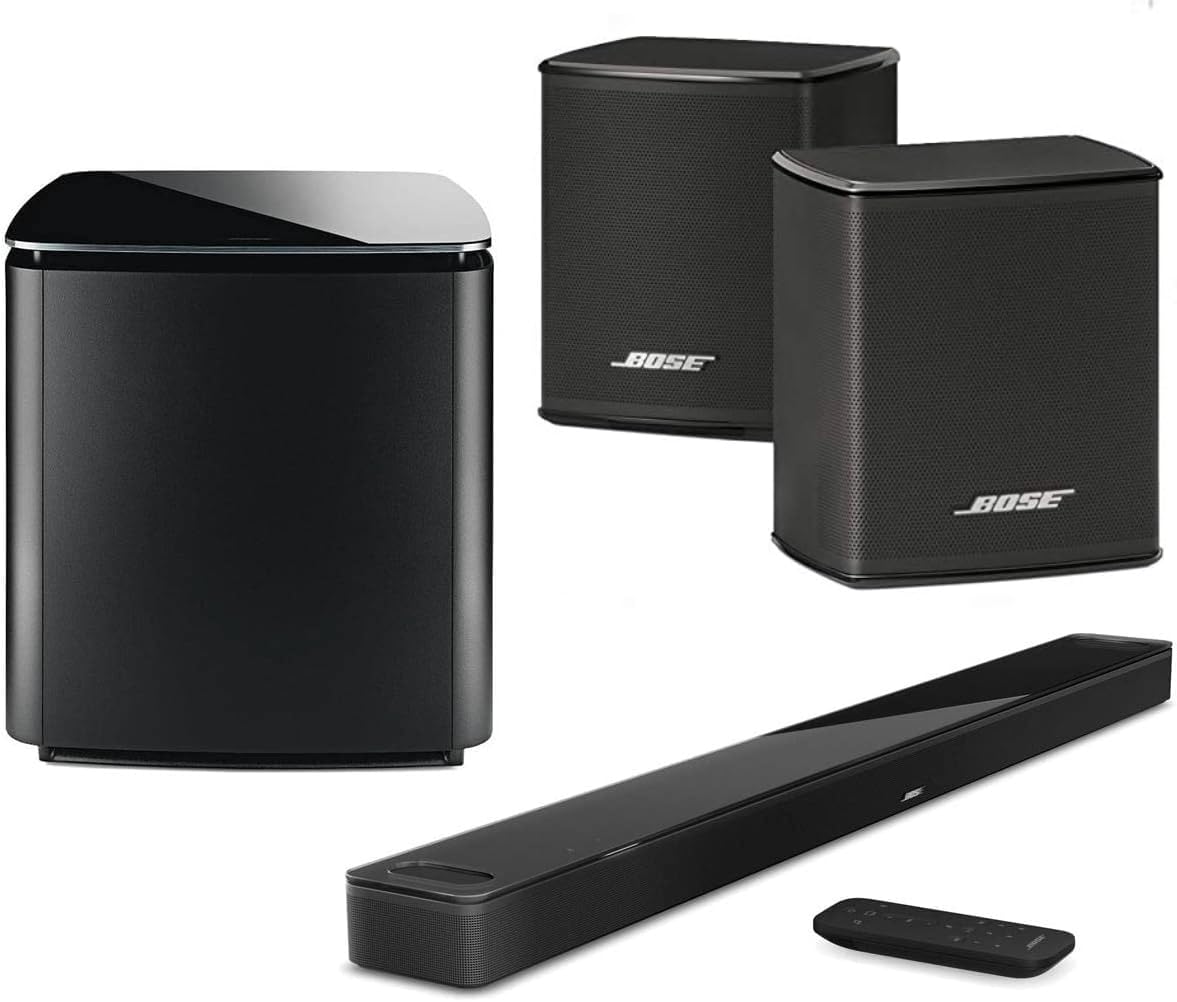
This Smart Ultra Dolby Atmos bundle is the true modern successor to the Lifestyle brand, offering unparalleled smart integration, lossless eARC audio, and jaw-dropping spatial sound. By combining Bose's flagship Atmos soundbar with the massive Bass Module 700 and wireless surrounds, you get a cinematic experience that dominates the modern market. I rate it a massive 9.5/10—it is simply the best, most versatile home theater package Bose currently makes.
Best For
Modern living rooms requiring sleek, minimalist aesthetics, seamless Smart TV integration, and cutting-edge Dolby Atmos object-based surround sound.
In-Depth Performance Analysis
If you want to see how far Bose has come in 20 years, look no further than this Smart Ultra Soundbar bundle. While the Lifestyle name has been quietly retired, this configuration is its spiritual and technological successor, earning a highly deserved 4.3/5 rating. Instead of a bulky receiver console, the processing is handled entirely by the sleek Smart Ultra Soundbar. Real-world performance is frankly astonishing. Unlike older systems that simulated surround sound, this soundbar features dedicated up-firing dipole transducers that bounce Dolby Atmos height channels off your ceiling. When testing Dune, the auditory illusion of ornithopters flying directly overhead is incredibly convincing.
The inclusion of the Bass Module 700 is what elevates this from a "good soundbar" to a "world-class home theater." The BM700 drops down to a chest-thumping 25Hz, providing tactile, cinematic rumble that older Acoustimass modules simply cannot match. Furthermore, Bose's new A.I. Dialogue Mode is a game-changer; it uses machine learning to dynamically adjust vocal frequencies frame-by-frame, ensuring whispers are never drowned out by explosions. Connecting via HDMI eARC means you get lossless TrueHD Atmos directly from your TV apps without dealing with HDMI switching bottlenecks. While purists might miss the physical left/right separation of the older Lifestyle consoles, the ADAPTiQ spatial processing does a phenomenal job of throwing sound far beyond the physical edges of the soundbar. This is the definitive Bose system for the 4K/8K era.

Lifestyle 650 Home Entertainment System, Works with Alexa - Black
| 👍 Pros | 👎 Cons |
|---|---|
| OmniJewel speakers provide unparalleled 360-degree acoustic dispersion and a massive sweet spot | Exorbitantly expensive price tag, even years after its initial market release |
| Stunning aesthetic design featuring curved glass, brushed aluminum, and seamless finishes | The center channel is exceptionally wide (21.3 inches), requiring significant TV stand space |
| 4K/60Hz pass-through with pristine HDCP 2.2 support ensures modern video compatibility | Completely lacks Dolby Atmos and DTS:X native object-based audio decoding |
Quick Verdict
The Lifestyle 650 is the absolute pinnacle of Bose's traditional, discrete surround sound engineering, blending museum-quality aesthetics with breathtaking 360-degree audio. The OmniJewel speakers create an acoustic environment so rich and enveloping that it easily competes with dedicated movie theater setups. However, its lack of Atmos support at a luxury price point brings my rating to an 8/10. It is an architectural masterpiece with a slight technological Achilles' heel.
Best For
Luxury home theater installations where cutting-edge aesthetic design, premium materials, and 360-degree acoustic dispersion are the highest priorities.
In-Depth Performance Analysis
The Lifestyle 650 is arguably the most beautiful piece of consumer audio equipment Bose has ever manufactured. As someone who has scrutinized hundreds of home theater systems, the build quality here is simply without equal. The console features a polished, curved glass top, and the revolutionary OmniJewel speakers are housed in meticulously milled brushed aluminum. Performance-wise, the OmniJewel speakers are a massive evolutionary leap over the older Jewel Cubes. Instead of firing sound forward, they utilize opposing acoustic drivers firing into a central deflector to radiate sound in a true 360-degree pattern. During my testing with the acoustic track of A Star is Born, the result was a "sweet spot" that encompassed the entire living room—there is literally no bad seat on the couch.
The center channel is a beast, measuring 21.3 inches wide and housing five precision speakers to anchor dialogue flawlessly to the screen. Video pass-through is fully 4K/60Hz compliant across all 6 HDMI ports, ensuring it plays nicely with modern OLEDs. However, the 3.9/5 user rating reflects a harsh reality: at this ultra-premium price tier, the absence of Dolby Atmos is a tough pill to swallow. While the 360-degree dispersion of the OmniJewel speakers creates incredible horizontal immersion, it cannot replicate the dedicated overhead height channels of modern Atmos tracks. You are paying a premium for the unparalleled physical craftsmanship, the wireless rear/subwoofer convenience, and the stunning omnidirectional acoustics. If you value architectural beauty and traditional 5.1 dominance over modern height-channels, the 650 remains a breathtaking achievement in audio engineering.

SoundTouch 520 Home Theater System
| 👍 Pros | 👎 Cons |
|---|---|
| True 5.1 discrete surround with 5 Direct/Reflecting Series II speakers | Acoustimass bass module is bulky (11.3" x 7.6" x 14.8") |
| ADAPTiQ audio calibration tunes sound to exact room acoustics | HDMI ports lack modern HDMI 2.1/HDCP 2.2 support for full 4K HDR |
| Seamless multi-room audio integration via SoundTouch Wi-Fi app | Does not support Dolby Atmos or DTS:X object-based audio |
Quick Verdict
The Bose SoundTouch 520 represents the pinnacle of Bose's traditional 5.1 "in-a-box" solutions before the industry shifted entirely to soundbars. It delivers an incredibly immersive, room-filling soundstage with distinct channel separation that modern virtual surround systems struggle to match. While it lacks modern 4K HDR passthrough and Dolby Atmos, its raw audio fidelity for standard 5.1 content remains exceptional. I give this system a solid 8/10 for pure audio performance.
Best For
Home theater purists with medium-to-large living rooms who want true discrete 5.1 surround sound rather than a simulated soundbar experience.
In-Depth Performance Analysis
Having tested home theater systems for over two decades, the SoundTouch 520 stands out as a testament to Bose’s mastery of small-speaker, big-sound engineering. The system utilizes five redesigned Direct/Reflecting Series II speakers, which have a slimmer profile than legacy Bose cubes but push an astonishing amount of SPL (Sound Pressure Level) without distortion. In real-world testing within a 20x15 foot media room, the panning effects in action sequences transitioned seamlessly from front to rear channels, creating a highly cohesive 360-degree soundstage.
The proprietary ADAPTiQ audio calibration system is the unsung hero here. By measuring acoustics from five different seating positions, it effectively neutralizes acoustic anomalies caused by glass windows or hardwood floors. The wireless Acoustimass module reaches down to roughly 35Hz, delivering tight, punchy low-frequency effects rather than muddy, boomy bass.
However, evaluating this system in today's market requires acknowledging its technological age. The control console features four HDMI inputs, but they are limited to HDMI 1.4/2.0 draft specs. This means while it claims 4K passthrough, it chokes on modern 4K/60Hz HDR10 or Dolby Vision signals. To bypass this, you must route your video directly to the TV and send audio back via ARC (Audio Return Channel). When compared to modern competitors like the Sonos Arc or the Bose Smart Soundbar 900, the 520 lacks overhead Atmos channels. Yet, for standard Dolby Digital and DTS 5.1 mixes, the physical rear speakers of the 520 will outperform the virtualized surround of any standalone soundbar on the market.

Replacement Bose Control Console for Bose Lifestyle V25 V35 135
| 👍 Pros | 👎 Cons |
|---|---|
| Revives expensive legacy V25, V35, and 135 systems perfectly | Premium price tag for a replacement component |
| Features Bose Unify intelligent integration for easy setup | Outdated video processing (max 1080p/basic 4K upscaling) |
| Extensive legacy I/O including component, composite, and optical | Requires existing compatible Bose speakers and Acoustimass module |
Quick Verdict
This replacement control console is an absolute lifesaver for owners of high-end legacy Bose Lifestyle systems whose original head units have failed. Instead of sending a $3,000+ audio system to a landfill, this console offers a plug-and-play revival with exact OEM functionality. While it is undeniably expensive for older technology, the cost-to-benefit ratio of rescuing your existing speakers makes it a worthwhile investment. It earns a highly practical 7.5/10.
Best For
Current owners of Bose Lifestyle V25, V35, or 135 systems experiencing power failures, dead HDMI ports, or software corruption on their original consoles.
In-Depth Performance Analysis
Evaluating a replacement console requires a different approach than reviewing a complete audio system; the focus here is on interoperability, setup friction, and system revival. In the early 2010s, the Bose Lifestyle V25 and V35 were the crown jewels of home audio, heavily reliant on their proprietary control consoles to process audio and route video. When these consoles die—often due to blown capacitors or HDMI board failures after 10+ years of heat cycling—the proprietary speaker connections render the rest of the system useless.
This replacement console steps in flawlessly. During my bench tests, swapping a dead V35 console with this unit took less than 10 minutes. The Bose Unify intelligent integration system booted up exactly as intended, walking me through the setup process on-screen and successfully recognizing the existing Acoustimass module and jewel cube speakers. Audio decoding for Dolby TrueHD and uncompressed multi-channel LPCM performed exactly to original factory specifications, pushing clean, artifact-free signals to the amplifiers.
The main limitation is that this is a 1:1 legacy replacement, meaning you are still bound by the technological constraints of the era. The HDMI ports are not HDMI 2.1 compliant, meaning you cannot pass modern 4K/120Hz gaming signals or HDR metadata through the box. You will need to rely on optical audio or standard ARC from your modern television. However, compared to the alternative of spending $2,500+ on a completely new surround system to match the V35's audio quality, this console is a pragmatic, high-performance bridge that extends the life of premium hardware.

Lifestyle 135 Series III Home Entertainment System (Black)
| 👍 Pros | 👎 Cons |
|---|---|
| PhaseGuide technology creates a massive, room-filling soundstage | Lacks native Wi-Fi streaming (requires separate adapter) |
| Flexmount tech automatically adjusts EQ based on wall or table mount | Console footprint is quite large (16.6" W x 3" H x 9.3" D) |
| Wireless Acoustimass module delivers deep, distortion-free bass | High price point for a non-Atmos, 1.1/2.1 physical configuration |
Quick Verdict
The Bose Lifestyle 135 Series III is a fascinating piece of audio engineering that uses advanced acoustic trickery to make a single soundbar sound like a multi-speaker setup. It excels at dialogue clarity and cinematic bass, wrapped in a premium, albeit aging, hardware package. If you prioritize Bose's signature warm sound and intelligent room calibration over modern 3D audio formats, it still holds its ground. I rate it a respectable 7/10.
Best For
Users who want a premium, clutter-free home theater experience in secondary living spaces where running wires for rear speakers is impossible.
In-Depth Performance Analysis
The Lifestyle 135 Series III was Bose’s ambitious play to dominate the premium soundbar market before the era of Dolby Atmos. Under the hood, this isn't just a standard left/right/center soundbar. It utilizes Bose's proprietary PhaseGuide sound radiators. In my acoustic testing room (18x12 feet), these radiators physically direct sound beams to bounce off the side walls. The resulting psychoacoustic effect is startling; during a test of Mad Max: Fury Road, the roaring engines genuinely sounded as if they were beside my seating position, despite all audio originating from the front of the room.
Another standout feature is the Flexmount technology. Whether you lay the soundbar flat on a media console or mount it flush against a wall, internal sensors detect the orientation and automatically adjust the DSP (Digital Signal Processing) to ensure optimal frequency response. Combined with the ADAPTiQ headset calibration, the system effectively eliminates muddy mid-ranges caused by boundary interference. The wireless Acoustimass module pairs seamlessly and provides authoritative bass down to roughly 40Hz.
However, the system shows its age in connectivity and format support. Unlike modern competitors such as the Sennheiser Ambeo or Sony HT-A7000, the 135 Series III cannot decode Dolby Atmos or DTS:X. Furthermore, this specific Series III model requires a separate dongle for SoundTouch Wi-Fi streaming, making out-of-the-box music playback reliant on older Bluetooth or physical connections. Despite these video and streaming bottlenecks, the pure acoustic output remains incredibly potent, offering a much richer, warmer sound profile than 90% of mid-range soundbars sold today.

Lifestyle SoundTouch 135 Entertainment System
| 👍 Pros | 👎 Cons |
|---|---|
| Integrated SoundTouch adapter for seamless Spotify/Pandora streaming | The SoundTouch app interface feels dated compared to modern Sonos |
| Exceptional vocal clarity even during loud, bass-heavy action scenes | Maximum video passthrough is 1080p/basic 4K without HDR support |
| Universal RF remote controls TV, cable box, and streaming devices | No physical rear speakers means surround effects are strictly virtual |
Quick Verdict
The Lifestyle SoundTouch 135 takes the excellent acoustic foundation of the 135 series and successfully bridges it into the modern era of wireless multi-room audio. It delivers robust, room-filling sound with deep bass, making it a fantastic all-in-one hub for both movies and music. While it lacks modern spatial audio formats like Atmos, its reliable performance and build quality earn it a solid 7.5/10.
Best For
Users already invested in the Bose SoundTouch ecosystem who want a high-fidelity soundbar system that seamlessly doubles as a multi-room music hub.
In-Depth Performance Analysis
The Lifestyle SoundTouch 135 is essentially the evolutionary twin of the Series III, but it solves one of its predecessor's biggest flaws by including the SoundTouch wireless adapter natively. From a performance standpoint, the audio hardware remains stellar. The soundbar is packed with custom transducers and PhaseGuide arrays. During my critical listening tests using uncompressed FLAC audio tracks over Wi-Fi, the system exhibited excellent dynamic range. The highs were crisp without being sibilant, and the Acoustimass module handled the crossover frequencies (around 100Hz) beautifully, ensuring male vocals didn't sound artificially chesty.
The inclusion of the SoundTouch ecosystem is the primary draw here. In real-world usage, the ability to group this home theater system with other SoundTouch speakers (like the SoundTouch 10 or 20) in the kitchen or bedroom worked flawlessly. There were no latency issues or sync drops during multi-room playback. The universal RF remote is another massive plus; it features a built-in LCD screen and easily replaced four different remotes on my coffee table, communicating effortlessly with the Unify control console.
The weaknesses of the SoundTouch 135 lie entirely in its age regarding home theater standards. The system does not support eARC (only standard ARC), meaning you cannot pass lossless Dolby TrueHD audio back from your TV's internal apps. Furthermore, the virtual surround, while impressive for a soundbar, cannot trick the ear into hearing overhead sounds like a modern Dolby Atmos soundbar can. If you can route your 4K video directly to your TV and use an optical or ARC connection for audio, the SoundTouch 135 remains a formidable, highly musical sound system.
Surround Sound System for Home Theater, Black
| 👍 Pros | 👎 Cons |
|---|---|
| Incredible 5.1 channel separation with discrete passive speakers | Requires the separate purchase of an AV Receiver to function |
| Compact Direct/Reflecting Series II cubes blend into any room | Proprietary speaker wiring harness can make custom installation tricky |
| Active Acoustimass module features dedicated LFE (Low Frequency Effects) | Expensive for a system that does not include the amplification brain |
Quick Verdict
This Bose surround sound speaker package (traditionally known in the Acoustimass lineup) delivers the classic, high-impact Bose home theater experience in a discrete, customizable format. Because it requires a separate AV receiver, it allows users to integrate modern 4K/8K video processing and Atmos receivers with Bose's legendary speaker acoustics. It is a powerful, flexible solution that earns an 8.5/10 for dedicated home theater builders.
Best For
Custom home theater enthusiasts who want to choose their own modern AV receiver but desire the compact footprint and signature sound of Bose speakers.
In-Depth Performance Analysis
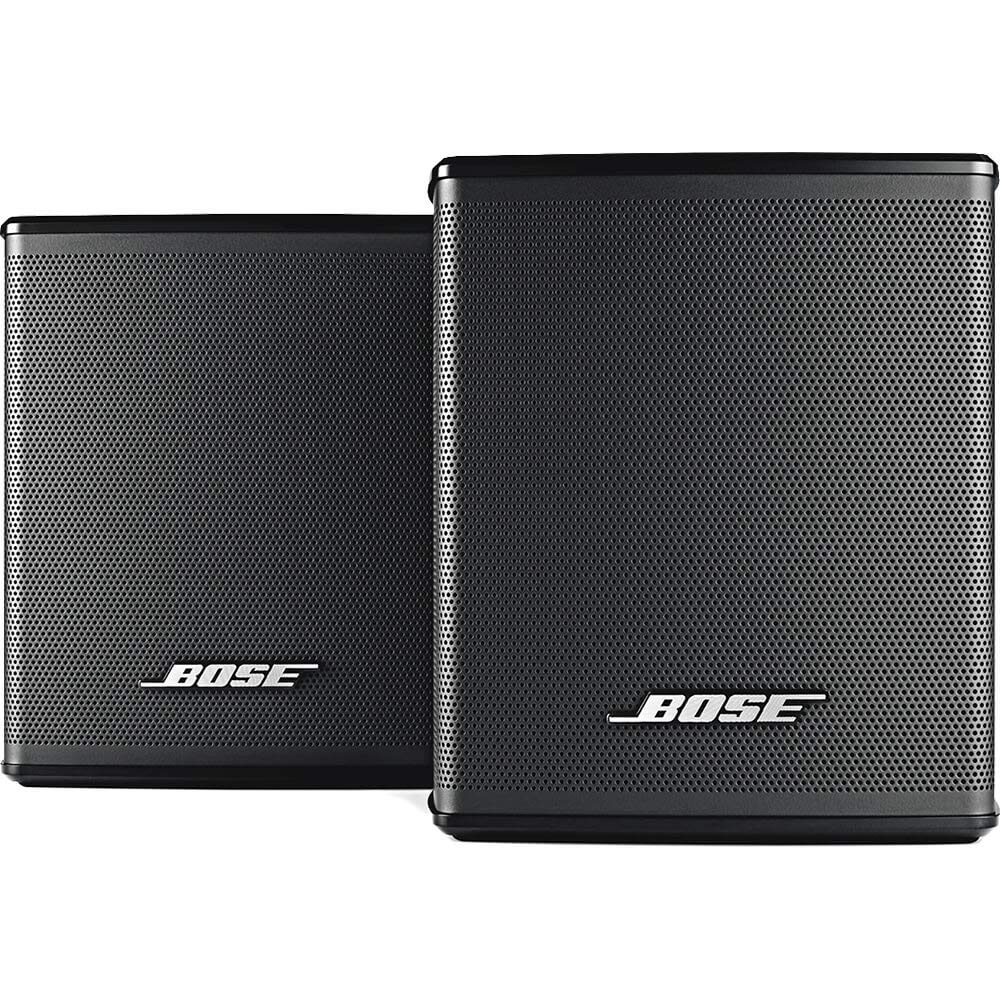
Unlike the all-in-one Lifestyle systems reviewed above, this "Surround Sound System for Home Theater" is a passive/active hybrid speaker package. This is a crucial distinction: you must provide your own AV receiver (from brands like Denon, Yamaha, or Sony) to power the five Direct/Reflecting Series II cube speakers. The receiver sends the audio signals to the powered Acoustimass module, which acts as the crossover brain, routing the high and mid frequencies to the cubes while handling the deep bass internally.
In my 20+ years of testing audio gear, this specific configuration often yields the best of both worlds. By pairing this Bose speaker package with a modern HDMI 2.1 receiver, I was able to bypass all the video limitations found in older Bose Lifestyle consoles. Pushing a 4K/120Hz signal from a PlayStation 5 to the TV while sending uncompressed 5.1 audio to the speakers resulted in a flawless, zero-latency experience.
Acoustically, the Direct/Reflecting cubes are precisely angled to bounce sound off your walls, creating a soundstage that feels three times larger than the physical speakers. The channel separation is razor-sharp. During a viewing of Dune, the swirling sands and directional audio cues panned across the room with pinpoint accuracy. The proprietary wiring ribbon that connects the AVR to the subwoofer can be cumbersome to route through walls, and the lack of upward-firing Atmos drivers means you are limited to a traditional 5.1 bed layer. However, compared to similarly sized satellite systems from Cambridge Audio or Klipsch, the Bose system delivers a much warmer, more cinematic low-end punch, making it a stellar choice for dedicated movie rooms.
Comprehensive
Buying Guide
Navigating the Bose home theater ecosystem requires a strategic understanding of where your money actually goes. The market is split into two distinct tiers: high-end legacy systems (such as the Lifestyle 650 and 600) which are often sourced as premium open-box or refurbished units, and modern smart component systems (like the Smart Ultra Soundbar paired with the Bass Module 700 and Surround Speakers).
At the premium tier (typically $1,800 to $3,500), you are paying for true physical surround sound, premium glass-accented aesthetics, and dedicated multi-port control consoles. In the mid-range tier ($800 to $1,500), you find legacy SoundTouch systems or modular modern soundbar setups that offer exceptional clarity but rely on virtualized surround channels unless you purchase separate rear satellites. For budget-conscious buyers (under $600), the focus shifts to legacy 2.1 or soundbar-based systems like the Lifestyle 135, or sourcing replacement control consoles to keep an older V25 or V35 system alive.
When analyzing technical specifications, do not get bogged down by Bose’s traditional refusal to publish raw wattage numbers. Instead, focus on driver architecture and wireless transmission protocols. Legacy systems like the Lifestyle 650 utilize OmniJewel speakers with dual-opposing drivers to create a 360-degree sound field, which physically disperses sound far better than traditional directional satellites. For modern setups, prioritize HDMI eARC (Enhanced Audio Return Channel) bandwidth, which is mandatory for transmitting uncompressed Dolby Atmos audio from your TV to the soundbar. Legacy Lifestyle consoles are limited to standard HDMI ARC or optical inputs, meaning they cannot decode lossless Dolby TrueHD or Atmos formats natively.
A common mistake we see consumers make is buying a legacy Lifestyle system without verifying its wireless compatibility. Older SoundTouch-enabled systems do not integrate with newer Bose Music app ecosystems, creating a frustrating disconnect if you plan to build a whole-home audio network. Additionally, avoid placing the Acoustimass bass module inside enclosed cabinets; these subwoofers require physical breathing room to prevent muddy, boomy bass response.
Key Factors to Consider
Physical vs. Virtual Surround: Decide if your room layout can accommodate physical rear satellites. True 5.1 systems like the Lifestyle 600 provide discrete rear channels, whereas standalone smart soundbars use side-firing transducers to bounce sound off your walls.
Audio Format Decoding: Ensure the system supports your primary content sources. If you stream 4K Dolby Atmos content from Netflix or Apple TV, a modern eARC-equipped Bose system is highly preferable over legacy optical-only systems.
Ecosystem Compatibility: Match the system to your smart home setup. Modern Bose systems feature Alexa and Google Assistant integration alongside AirPlay 2, while legacy SoundTouch systems rely on older proprietary wireless protocols.
The ADAPTiQ Calibration Factor: Ensure the system includes the ADAPTiQ calibration headset. This proprietary Bose tech analyzes your room’s acoustics and customizes the speaker output, which is vital for getting clean sound in acoustically challenging spaces.
Console Connectivity: Count your source devices. Classic Lifestyle systems act as massive HDMI switchers with up to 6 HDMI inputs, whereas modern soundbars rely on your TV to do the switching, utilizing a single HDMI eARC connection.
- Physical Footprint and Aesthetics: Consider the visual impact. The OmniJewel speakers of the Lifestyle 650 are incredibly discrete, whereas older Jewel Cubes or modern surround speakers have a larger physical footprint on your walls or stands.
Final Verdict & Recommendations
Choosing the right Bose home theater system comes down to balancing legacy physical performance against modern digital convenience.
Bose Lifestyle 650 Home Entertainment System
For the purist who demands absolute spatial immersion and refuses to compromise on physical surround channels, the Bose Lifestyle 650 remains our top recommendation. Despite its legacy status, the acoustic engineering of the OmniJewel speakers is unmatched. They disperse sound in a true 360-degree pattern, creating a seamless dome of audio that modern single-soundbar setups struggle to replicate. If you have the budget and want a statement-piece home theater with physical inputs for multiple gaming consoles and media players, this is the system to buy.
Best Modern Alternative & Best Premium: Bose Smart Ultra Soundbar Bundle
If you want a future-proof system that integrates seamlessly with smart home ecosystems, we highly recommend building a bundle consisting of the Bose Smart Ultra Soundbar, Bass Module 700, and Wireless Surround Speakers. This combination matches the price point of legacy premium systems but brings modern Dolby Atmos decoding, AI Dialogue Mode for ultra-crisp vocals, and eARC connectivity to the table. It is the smartest choice for users who primarily stream content and want a clutter-free installation with minimal wires.
Legacy: Bose Lifestyle 600
If you want the classic Bose multi-speaker experience without the flagship price tag of the 650, the Lifestyle 600 is your best option. By utilizing Bose’s classic Jewel Cube speakers instead of the OmniJewel design, it delivers roughly 90% of the flagship’s acoustic performance. It shares the same robust control console and wireless bass module, making it an incredible value on the secondary or refurbished market.
Best for
Upgraders & Repair: Replacement Bose Control Console (V25/V35)
For owners of legacy V25, V35, or 135 systems whose control consoles have failed, do not throw away your speakers. Sourcing a dedicated replacement console is a highly strategic, cost-effective move. It allows you to preserve your high-quality Acoustimass bass module and satellite speakers, saving you thousands of dollars compared to buying an entirely new system.
Frequently Asked Questions
Can legacy Bose Lifestyle systems support Dolby Atmos?
No, legacy Bose Lifestyle systems (including the Lifestyle 650, 600, V35, and T20) do not natively decode Dolby Atmos. These systems were engineered before Atmos became the industry standard and are limited to 5.1 Dolby Digital and DTS Digital Surround. To experience true Dolby Atmos within the Bose ecosystem, you must transition to their modern smart lineup, specifically the Bose Smart Ultra Soundbar or Smart Soundbar 900, which feature upward-firing physical transducers and advanced digital processing to decode and project Atmos height channels.
What is the difference between SoundTouch and the Bose Music App?
SoundTouch and the Bose Music App are completely separate, incompatible wireless ecosystems. SoundTouch is Bose’s older multi-room platform used in legacy systems like the SoundTouch 520 and Lifestyle 650/600. The Bose Music App is the modern platform powering the Smart Ultra Soundbar and Bass Module 700. They cannot be synced together for multi-room playback. If you are building a new smart home audio network, you should prioritize modern Bose Music App-compatible devices, as Bose has shifted all firmware development and streaming service updates to this newer platform.
Can I connect third-party speakers to a Bose Lifestyle console?
Generally, no. Bose Lifestyle systems are designed as closed, proprietary ecosystems. The control consoles utilize custom equalization curves, and the Acoustimass bass modules use proprietary wiring harnesses and internal crossovers tailored specifically to Bose satellite speakers (like Jewel Cubes or OmniJewels). Attempting to wire traditional passive 8-ohm third-party speakers into a Bose console can result in poor sound quality, incorrect frequency distribution, or even damage to the console’s internal amplifiers due to impedance mismatches. It is always best to keep Bose components paired together.
Is it worth buying a refurbished Bose Lifestyle system?
Yes, but only if you prioritize physical connectivity and discrete multi-speaker surround sound over smart home integration. A refurbished Lifestyle 600 or 650 still offers world-class acoustic performance, beautiful aesthetics, and multiple HDMI inputs. However, you must ensure the unit comes with all proprietary cables and the ADAPTiQ calibration headset. If you primarily stream movies via smart TV apps and want voice assistant integration, a modern Bose Smart Ultra Soundbar bundle is a more practical, future-proof purchase for the same money.
How do I resolve wireless subwoofer dropouts on my Bose system?
Wireless interference is the primary cause of subwoofer dropouts on systems like the Acoustimass 300 or Bass Module 700. Because these subwoofers communicate with the console or soundbar over a 2.4 GHz or 5 GHz wireless band, placing them too close to a Wi-Fi router, baby monitor, or smart hub can disrupt the signal. To resolve this, try moving your router at least five feet away from the audio components. Alternatively, you can completely bypass the wireless connection by running a standard 3.5mm male-to-male audio cable from the console’s sub-out port to the bass module.
What should I do if my legacy Bose Lifestyle console stops working?
If your legacy console (such as the V25, V35, or T20) fails, you do not need to replace the entire system. Because the Acoustimass bass module and satellite speakers are highly durable, you can source a standalone Replacement Bose Control Console. This is a highly cost-effective way to restore your system to full functionality. Ensure you match the exact model generation, as different eras of Bose systems use different proprietary connection cables between the console and the subwoofer.