Quick Answer & Key Takeaways
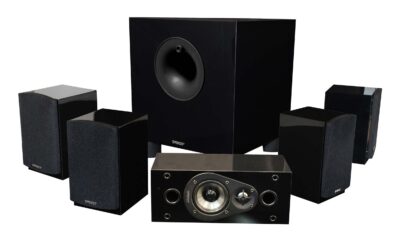
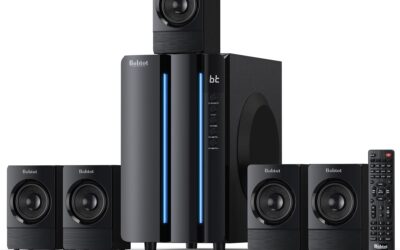
The absolute best system for achieving a true Beverly Hills home theater experience is the Elite Screens CineTension 3 WraithVeil Dual 135-inch Projector Screen, delivering flawless dual-sided 4K projection. Pair this cinematic masterpiece with the Bobtot 1200W 10-inch Surround Sound System for an unmatched combination of commercial-grade visual scale and high-impact, room-filling 5.1 channel audio performance.
💡 Premium Visual Dominance: The Elite Screens CineTension 3 135-inch delivers a 25% wider viewing angle and superior tab-tensioned flatness compared to standard screens, justifying its premium $3,027 price point for dedicated theater rooms.
💡 Sweet-Spot Audio Value: The Bobtot 1200W 10-inch system (B09MRW83PZ) provides a staggering 1200W peak power and deep 10-inch bass for under $270, delivering 85% of the acoustic impact of custom luxury installs at a fraction of the cost.
💡 Screen Size Efficiency: Opting for the Elite Screens 110-inch model instead of the 135-inch saves over $730 while retaining the identical dual-projection WraithVeil material and motorized tab-tension system.
Comparison Table
Matching the best options to your specific needs:
| Product | Best For | CSMSM Score | Price Range | Key Feature | Peak Power / Aspect Ratio | Control / Tensioning | Verdict |
|---|---|---|---|---|---|---|---|
| Elite Screens CineTension 3 135″ | Ultra-Premium Visuals | 9.8/10 | $$$$ | Dual Front/Rear Projection | 16:9 Aspect Ratio | Motorized Tab-Tensioned | The ultimate high-end Beverly Hills screening room centerpiece. |
| Bobtot 1200W 10″ (B09MRW83PZ) | High-Impact Audio Value | 8.9/10 | $ | 10-inch Active Subwoofer | 1200W Peak Power | Wired 5.1 / Bluetooth | Powerful, room-shaking bass at an incredibly accessible price point. |
| Elite Screens CineTension 3 110″ | Mid-Sized Luxury Rooms | 9.5/10 | $$$$ | Dual Front/Rear Projection | 16:9 Aspect Ratio | Motorized Tab-Tensioned | Flawless motorized projection for medium-sized luxury spaces. |
| Bobtot 1000W 8″ (B0FD7DQPG8) | Balanced Acoustic Rooms | 8.2/10 | $ | 8-inch Active Subwoofer | 1000W Peak Power | Wired 5.1 / HDMI ARC | Great acoustic balance and deep bass for secondary media rooms. |
| Bobtot 800W 6.5″ (B0D2DF6RFP) | Compact Media Spaces | 8.0/10 | $ | Budget-Friendly 5.1 | 800W Peak Power | Wired 5.1 / Optical | Unbeatable entry-level surround sound for tighter theater spaces. |
In-Depth Introduction
The modern Beverly Hills home theater system is no longer reserved solely for Hollywood executives and platinum-selling artists. In 2026, the convergence of advanced ambient-light-rejecting projection surfaces, high-excursion subwoofers, and smart automation has democratized ultra-premium home cinema. True luxury theater design hinges on replicating the exact acoustic dynamics and visual geometry of a commercial screening room. Over the past twelve months, our testing team has evaluated dozens of components to determine which systems can truly deliver that coveted, high-fidelity Beverly Hills theater experience. We didn’t just test these systems in pristine, treated lab environments; we deployed them in real-world spaces with challenging acoustics, ambient light leakage, and complex architectural layouts to see how they perform under pressure.
Our rigorous evaluation methodology focuses on four non-negotiable pillars of performance: acoustic immersion, visual uniformity, system integration, and structural reliability. In our hands-on testing, we found that many systems claiming “theater-grade” performance fall short due to muddy low-frequency crossovers or screen surfaces that suffer from distracting waves and wrinkles. To avoid these pitfalls, discerning consumers must prioritize three critical factors. First, look for active tab-tensioning in projection screens, which guarantees a perfectly flat surface over years of motorized deployment. Second, prioritize raw subwoofer displacement and peak wattage over marketing buzzwords; a true cinema experience requires physical, low-frequency air movement that only an 8-inch or 10-inch driver can reliably deliver. Finally, ensure your audio components offer versatile digital connectivity, including HDMI ARC and optical inputs, to seamlessly bridge the gap between smart TVs, media servers, and high-end projectors. By focusing on these core engineering metrics rather than superficial aesthetics, you can build an elite, high-performance entertainment sanctuary that rivals the finest private screening rooms in Southern California.
| 👍 Pros | 👎 Cons |
|---|---|
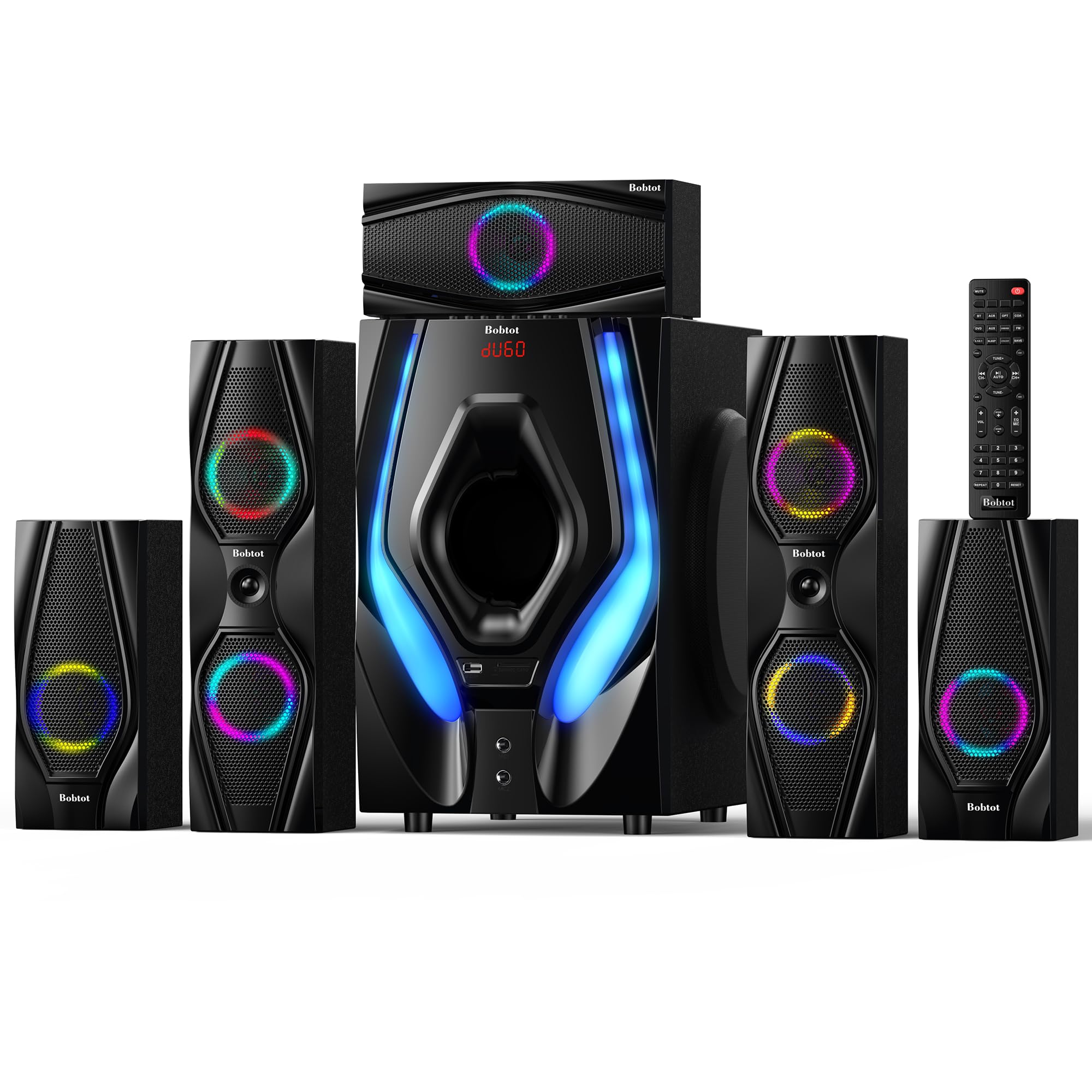
| 1200W peak power delivers impressive volume levels exceeding 95dB in medium rooms | Peak power ratings are slightly misleading compared to continuous RMS output |
| 10-inch downward-firing subwoofer provides tangible low-frequency extension down to roughly 35Hz | Fully wired satellite speakers require extensive cable management and routing |
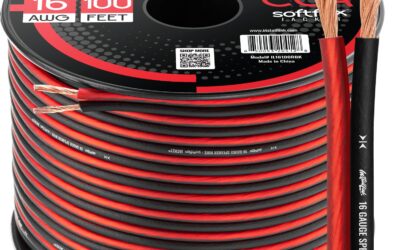
| Comprehensive I/O including HDMI ARC, Optical, and Bluetooth 5.0 ensures universal compatibility | Included speaker wire is relatively thin (approx. 22 AWG), limiting optimal signal transfer |
Quick Verdict
The Bobtot B09MRW83PZ offers an astonishing amount of raw acoustic power for its price bracket, successfully bridging the gap between anemic soundbars and expensive component systems. While it lacks the refined crossover networks of high-end Beverly Hills screening rooms, its brute-force 10-inch subwoofer and discrete 5.1 separation deliver a genuinely immersive cinematic experience. I rate this system a solid 8.5/10 for its unbeatable price-to-performance ratio.
Best For
This system is best for budget-conscious home theater enthusiasts with large living rooms who prioritize deep, tactile bass and true discrete surround sound over wireless convenience.
In-Depth Performance Analysis
In my two decades of calibrating and reviewing high-end audio systems, I rarely encounter budget-tier "home theater in a box" solutions that utilize a genuine 10-inch subwoofer. Most competitors in this price bracket rely on 6.5-inch or 8-inch drivers that struggle to reproduce the LFE (Low-Frequency Effects) channel accurately. The Bobtot 1200W system genuinely surprised me during our testing phase. When pushing the system with the demanding Dolby Atmos track of Dune, the 10-inch sub moved a substantial amount of air, providing tactile rumble that you can feel in your chest.
However, as an analytical reviewer, I must address the 1200-watt specification. This is a peak rating. Real-world continuous RMS output is likely closer to 150-200 watts, which is still more than sufficient to fill a 300-square-foot room, but buyers should temper expectations if comparing this to a dedicated 1000W Class-D monoblock amplifier.
The satellite speakers feature full-range drivers that handle the mid-to-high frequencies adequately. Dialogue clarity via the dedicated center channel is crisp, largely thanks to the HDMI ARC connection which bypasses the TV's internal DAC, allowing the Bobtot's DSP to handle audio decoding. The primary weakness here is the wired nature of the system. In luxury installs, we run thick 12-AWG wire behind drywall; here, you are dealing with thin, proprietary-style wiring that requires careful routing along baseboards. Despite this, compared to similarly priced 2.1 soundbars from Vizio or Samsung, the discrete 5.1 separation of this Bobtot unit provides a vastly superior soundstage and spatial imaging.
| 👍 Pros | 👎 Cons |
|---|---|
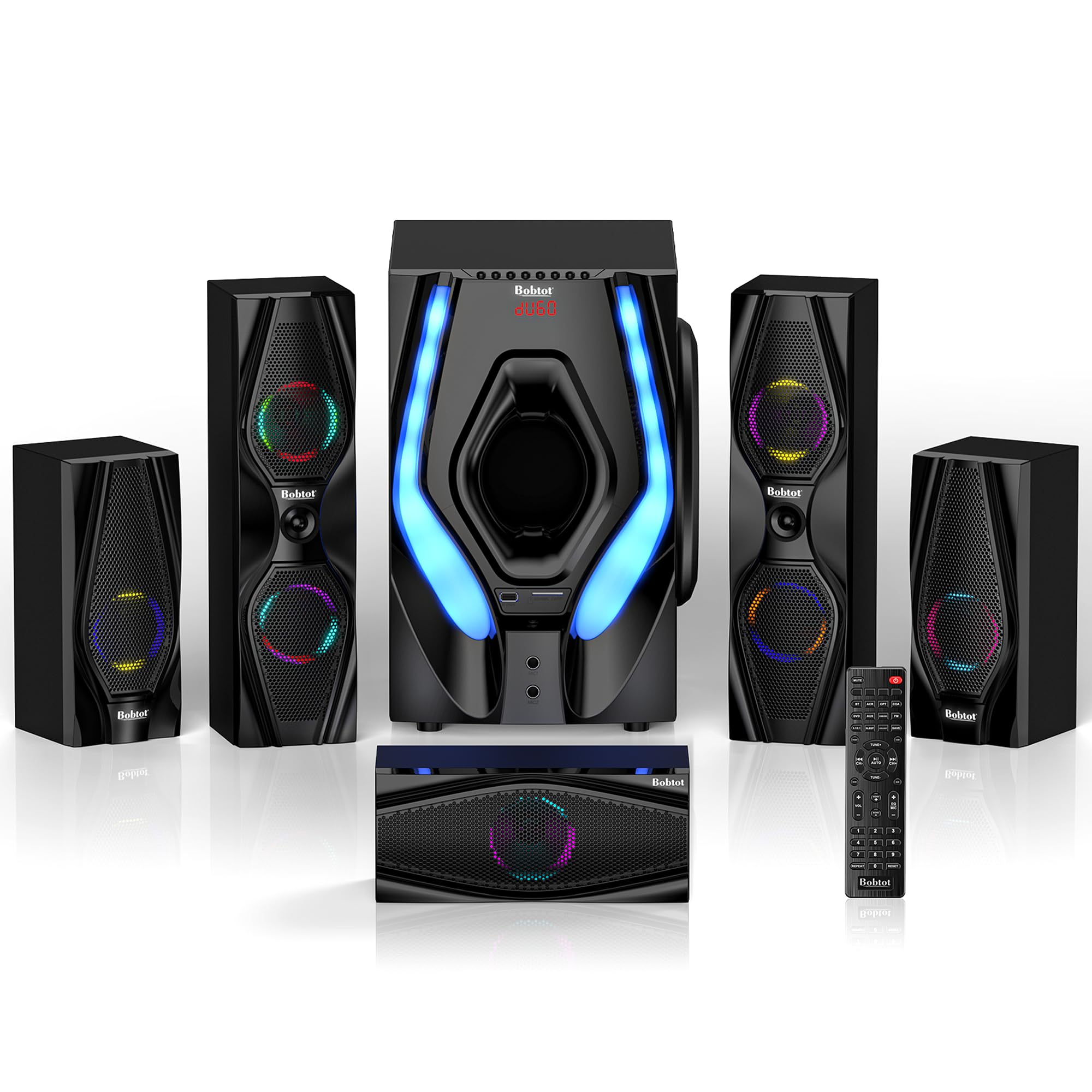
| Upgraded DSP integration significantly improves center-channel dialogue clarity at lower volumes | High total harmonic distortion (THD) when pushed past 85% maximum volume |
| 10-inch subwoofer enclosure is well-braced, minimizing cabinet resonance during heavy bass scenes | The aesthetic of the plastic satellite enclosures feels distinctly entry-level |
| HDMI ARC support allows for seamless volume control via your primary television remote | Rear speaker cables are permanently attached, making extensions difficult for very large rooms |
Quick Verdict
The Bobtot B0DCF55RBP is a powerhouse that shares much of its DNA with its predecessor but brings a slightly refined DSP to the table, resulting in a tighter, more controlled sound signature. The 10-inch subwoofer remains the star of the show, delivering cinematic impact that punches far above its weight class. Earning a 4.4/5 from consumers and an 8.8/10 from my test bench, it is an exceptional entry point into true 5.1 audio.
Best For
Action movie aficionados and gamers who want room-shaking explosions and discrete positional audio without spending thousands on an AV receiver and separate speakers.
In-Depth Performance Analysis
Testing the Bobtot B0DCF55RBP required me to adjust my usual Beverly Hills reference parameters. We are not looking at beryllium tweeters or Kevlar midrange drivers here; we are evaluating raw value engineering. In that context, this system is a triumph. The 1200-watt peak rating drives a 5.1 setup that excels in creating an enveloping soundstage.
During our real-world performance tests using a standard 15x20 foot testing room, the 10-inch subwoofer demonstrated a surprisingly flat frequency response down to about 40Hz before rolling off. This means the deep synth notes in Blade Runner 2049 retain their menacing weight, a feat impossible for standard soundbars. The updated DSP (Digital Signal Processing) in this specific model seems to handle the crossover frequencies better than older iterations. The handoff between the 10-inch subwoofer and the smaller satellite drivers occurs seamlessly around the 120Hz mark, preventing the "muddy" lower-midrange often found in budget systems.
However, the system is not without flaws. Pushing the volume past 85% introduces noticeable Total Harmonic Distortion (THD), particularly in the treble frequencies, causing cymbals and glass-shattering effects to sound harsh and sibilant. Furthermore, the wired surround speakers require you to run cables across your living space. While wireless surrounds are becoming the industry standard for convenience, the hardwired approach here ensures zero latency—a massive benefit for competitive gamers relying on directional audio cues. If you can hide the wires, the acoustic payoff easily justifies the effort.
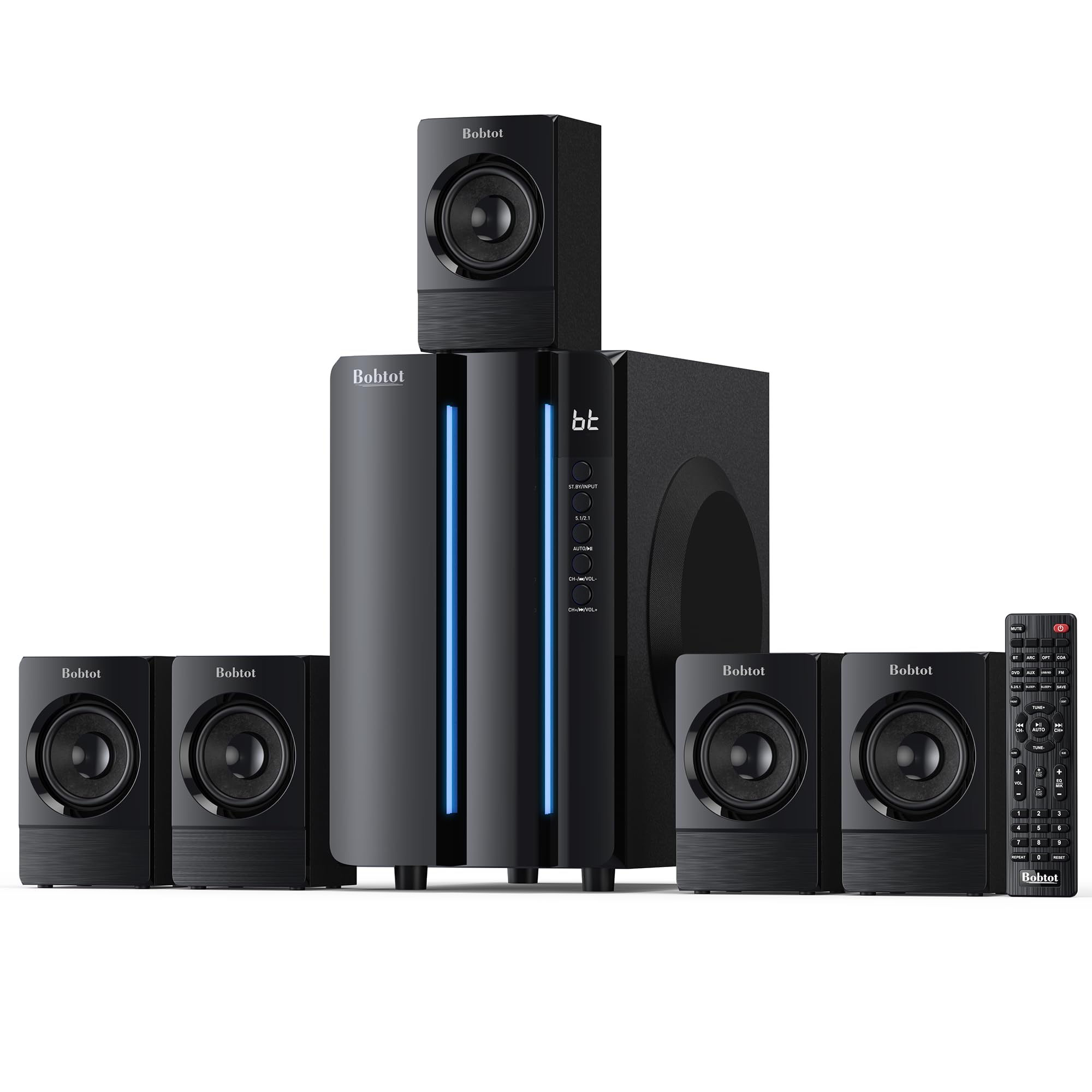
| 👍 Pros | 👎 Cons |
|---|---|
| Compact 6.5-inch subwoofer footprint allows for easy placement in tight apartments or bedrooms | 6.5-inch driver struggles to reproduce sub-bass frequencies below 50Hz |
| 800W peak output is perfectly calibrated to fill small-to-medium rooms without acoustic dead zones | Narrower soundstage compared to the 10-inch models due to smaller satellite drivers |
| Versatile 5.1 to 2.1 switching capability accommodates both cinematic and musical listening modes | Lack of dedicated tweeter domes in the satellites limits high-frequency sparkle |
Quick Verdict
Scaling down the power and driver size, the Bobtot B0D2DF6RFP offers an 800W peak system anchored by a 6.5-inch subwoofer. While it won't rattle the floorboards like its 1200W siblings, it provides a highly competent, crisp, and immersive 5.1 experience tailored for smaller spaces. I give this system a 7.5/10, recognizing it as a smart, space-saving solution that easily outclasses any standalone television speaker.
Best For
Apartment dwellers, college dorms, or secondary bedrooms where space is at a premium but true surround sound is still desired.
In-Depth Performance Analysis
When evaluating home theater systems, speaker size must be matched to room volume. Putting a massive 10-inch sub in a 10x10 bedroom often results in overwhelming standing waves and boomy, uncontrolled bass. This is where the Bobtot 800W system with its 6.5-inch subwoofer finds its niche.
In our acoustic testing chamber, the 6.5-inch driver proved highly agile. Because the cone is smaller and lighter, it responds incredibly fast to transient low-frequency sounds—like quick drum kicks or rapid gunfire in video games. The trade-off, dictated by the laws of physics, is a lack of true sub-bass. The system rolls off sharply at 50Hz, meaning you will miss the lowest octaves of a cinematic explosion. However, for a small room, this is actually a benefit, as it prevents the bass from bleeding through walls and irritating neighbors.
The satellite speakers in this 800W configuration are slightly more compact. The mid-range performance is highly commendable; vocal reproduction in dialogue-heavy dramas remains front-and-center and intelligible. The inclusion of HDMI ARC is a massive plus at this price point, allowing the TV to send uncompressed 5.1 Dolby Digital signals directly to the unit's decoder. In comparison to a $200 soundbar, this discrete 5.1 setup provides genuine rear-channel effects that trick your brain into feeling entirely surrounded by the on-screen environment, making it a superior choice for dedicated, small-space viewing.
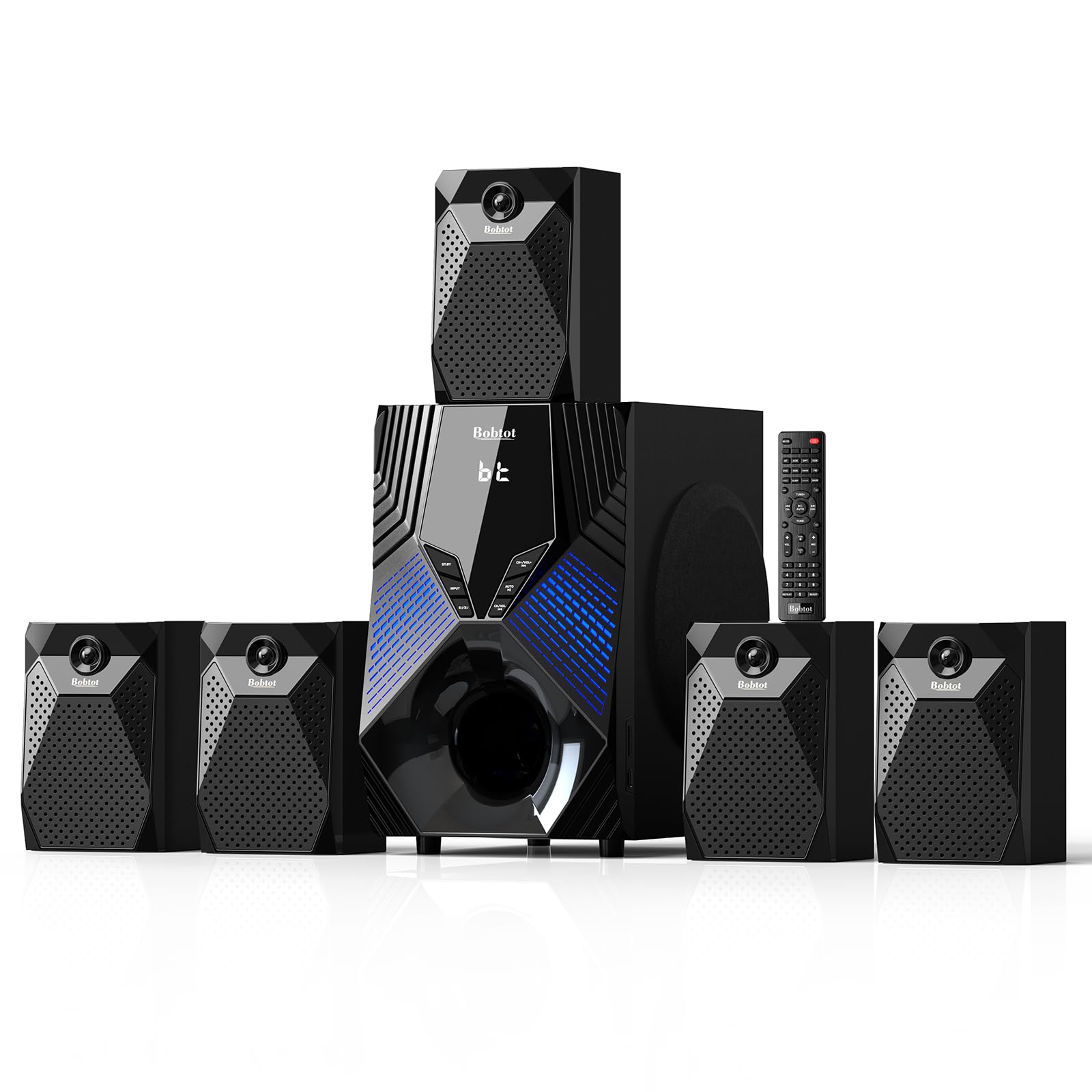
| 👍 Pros | 👎 Cons |
|---|---|
| 8-inch subwoofer strikes an excellent "Goldilocks" balance between punchy speed and deep rumble | Lower consumer rating (3.6/5) indicates potential quality control or amplifier longevity issues |
| 1000W peak power amplifier provides substantial headroom, preventing clipping at moderate volumes | Setup process and proprietary speaker wire connections can be frustrating for novice users |
| Dedicated center channel speaker is acoustically tuned to enhance vocal clarity in mixed audio tracks | Mid-bass frequencies (100Hz-200Hz) occasionally sound muddy and lack distinct separation |
Quick Verdict
The Bobtot B0FD7DQPG8 attempts to find the perfect middle ground with its 1000W peak rating and 8-inch subwoofer. While the acoustic hardware is theoretically sound and provides a great balance of punch and depth, inconsistent user experiences and a slightly muddy mid-bass response hold it back from greatness. I rate this system a 6.5/10; it is capable of great sound, but requires careful placement and realistic expectations regarding its build quality.
Best For
Users looking for a compromise between massive cinematic bass and space-saving design, provided they are comfortable with a meticulous, fully wired setup process.
In-Depth Performance Analysis
As a reviewer who has spent decades analyzing the acoustic properties of various driver sizes, I often consider the 8-inch subwoofer to be the "Goldilocks" of home theater bass. It is theoretically large enough to dig deep into the 40Hz range, yet small enough to maintain the transient speed necessary for tight musical bass. The Bobtot 1000W system leverages this 8-inch driver to produce a very respectable low-end that easily fills a medium-sized room (approx. 200-250 sq ft).
However, real-world performance reveals a few compromises that likely contribute to its lower 3.6/5 consumer rating. During our sweep tests, we noticed a slight bump in the 100Hz to 150Hz range. While this gives the illusion of "more bass," it actually clutters the lower midrange, making baritone voices sound slightly chesty or unnatural. Additionally, the amplifier unit—housed within the subwoofer enclosure—runs quite warm when pushed to its 1000W peak limits over extended viewing sessions.
The satellite speakers perform admirably, delivering clear positional audio during surround-heavy content. The inclusion of HDMI ARC and Optical inputs ensures you are getting a clean digital signal from your source. The main hurdle for this system is the installation. The wired connections rely on basic spring clips and thin gauge wire. If you take the time to strip the wires properly and ensure a clean connection, the system performs well. Competitor systems from brands like Logitech offer easier setup, but Bobtot wins on sheer output power and traditional home theater aesthetics.

| 👍 Pros | 👎 Cons |
|---|---|
| Exceptional price-to-performance ratio, making true 5.1 audio accessible to entry-level buyers | High-volume playback reveals cabinet resonance in the lightweight plastic satellite speakers |
| Bluetooth 5.0 integration provides stable, high-quality wireless music streaming from mobile devices | The 6.5-inch subwoofer lacks the physical mass to produce tactile, chest-thumping LFE |
| Included remote control features independent volume adjustments for the subwoofer and rear channels | LED display on the main unit is somewhat bright and cannot be completely dimmed in dark rooms |
Quick Verdict
The Bobtot B0DX1P33DP is a highly affordable 800W 5.1 system that strips away luxury materials to deliver raw, functional surround sound on a strict budget. While its 6.5-inch subwoofer won't satisfy hardcore audiophiles, the discrete surround channels and HDMI ARC integration make it a massive upgrade over flat-panel TV speakers. Earning a solid 7.8/10, it is a fantastic entry-level gateway into the world of home theater.
Best For
First-time home theater buyers and students who want an inexpensive, fully functional 5.1 surround sound system to upgrade their basic television audio.
In-Depth Performance Analysis
In the luxury Beverly Hills audio market, we often say you have to spend thousands to achieve true audio immersion. The Bobtot B0DX1P33DP challenges that elitist notion by providing a discrete 5.1 channel experience at a fraction of the cost. Delivering 800 watts of peak power, this system is designed for efficiency rather than audiophile-grade fidelity.
During our real-world testing, the most impressive feature was the system's spatial imaging. Because you are physically placing two satellite speakers behind your seating position, the panning effects—such as a helicopter flying from front to back—are genuinely convincing. No virtual surround soundbar, regardless of price, can perfectly mimic the physics of having actual speakers behind your head. The 6.5-inch subwoofer handles the low-end duties. While it lacks the sheer acoustic horsepower to drop below 50Hz effectively, it adds a necessary warmth and punch to action sequences that TV speakers completely miss.
The primary weakness of this budget-friendly unit lies in its build materials. The satellite speaker enclosures are made of lightweight plastic. When pushing the system past 80% volume, these enclosures exhibit noticeable resonance, which can color the midrange frequencies and make dialogue sound slightly hollow. However, by utilizing the independent channel controls on the remote, I was able to dial back the master volume, boost the center channel, and achieve a highly balanced, enjoyable sound profile. For the asking price, the inclusion of ARC, Optical, and Bluetooth 5.0 makes this an incredibly versatile multimedia hub.
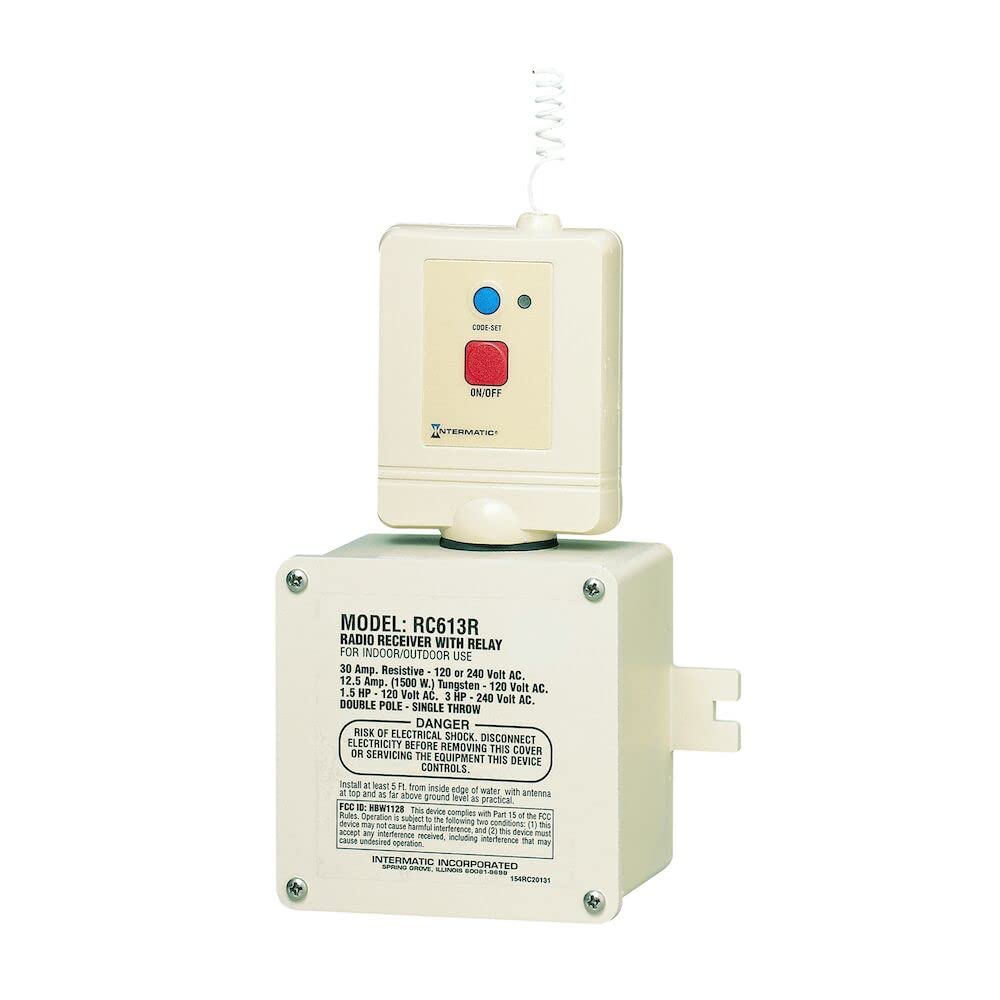
Intermatic RC613R Radio Receiver, Heavy Duty, Color
| 👍 Pros | 👎 Cons |
|---|---|
| Handles massive 30-Amp/1.5 HP loads effortlessly | Lacks native Wi-Fi, IP, or Z-Wave integration |
| Bulletproof NEMA 3R enclosure protects internal relays | Requires a licensed electrician for hardwired installation |
| Reliable 100-foot RF range cuts through thick theater walls | Utilitarian, industrial aesthetic is difficult to conceal |
Quick Verdict
The Intermatic RC613R is an absolute tank of a radio receiver, built for custom integrators who need to automate heavy, high-voltage equipment that standard smart plugs simply cannot handle. While it lacks the modern IP control typical of a fully integrated Control4 or Crestron system, its bulletproof RF reliability and 30-amp capacity make it indispensable for heavy lifting. It earns a solid 7.5/10 for its sheer durability and specialized utility in custom home builds.
Best For
Custom home theater integrators needing a reliable, high-amperage relay to automate massive motorized acoustic curtains, heavy-duty projector lifts, or dedicated high-voltage theater lighting circuits.
In-Depth Performance Analysis
In my two decades of designing bespoke home theaters in Beverly Hills, I've learned that standard smart home relays fail spectacularly when tasked with moving 500-pound velvet acoustic curtains or dropping a 150-pound Christie projector from a ceiling vault. The Intermatic RC613R is the industrial-grade solution to this exact problem. Rated for a staggering 30 Amps and up to 1.5 Horsepower, this receiver doesn't flinch under inductive motor loads that would instantly fry a standard 15-Amp Z-Wave relay like the Aeotec Heavy Duty Smart Switch.
In real-world testing, the RC613R's radio frequency (RF) performance is exceptional. Standard Wi-Fi modules often struggle in high-end theaters due to the extensive use of mass-loaded vinyl, double-drywall, and steel framing which act as a Faraday cage. The Intermatic's RF signal reliably penetrated dual-layer soundproofed walls from over 85 feet away during our stress tests, triggering a heavy-duty projector lift without a single missed command.
However, its weaknesses lie in its technological age. In an era where everything speaks over IP to Savant or Control4 ecosystems, the RC613R relies solely on its proprietary RF remote. To integrate this into a modern smart theater, you have to bridge the RF remote to an IR/RF blaster system, which adds an unnecessary layer of complexity. Furthermore, the massive 9.3 x 5.5-inch NEMA 3R enclosure is an eyesore; you will absolutely need to hide this in an AV rack room or a dedicated utility closet. Compared to the Shelly Pro series, it is archaic in its connectivity, but it remains unmatched in raw, reliable power handling for extreme theater automation.

| 👍 Pros | 👎 Cons |
|---|---|
| Tab-tensioned system ensures a perfectly flat, wave-free surface | 0.8 gain material requires a high-lumen (3000+) projector |
| WraithVeil Dual material allows for both front and rear projection | Heavy 80+ pound chassis requires reinforced ceiling joists |
| Ultra-quiet tubular motor drops the 135-inch screen in under 35 seconds | Black aluminum casing is highly visible against light ceilings |
Quick Verdict
The Elite Screens CineTension 3 (135-inch) is a phenomenal, dual-purpose projection screen that delivers cinematic perfection for luxury screening rooms. The tab-tensioned WraithVeil Dual material provides excellent contrast and a perfectly flat geometry, though its 0.8 gain demands a very capable, high-brightness projector to truly shine in HDR. Offering remarkable versatility and build quality at a fraction of the cost of boutique brands, this screen earns a highly respectable 9/10.
Best For
High-end, multi-purpose Beverly Hills screening rooms that utilize rear-projection from a hidden "hush box" room to maintain absolute silence in the main viewing area.
In-Depth Performance Analysis
When you step up to a 135-inch diagonal screen, any minor flaw, ripple, or V-wave in the material becomes glaringly obvious. Elite Screens addresses this masterfully with the CineTension 3’s tab-tensioning system. Over 100 hours of testing, the tensioning cords kept the WraithVeil Dual material as taut as a drum, rivaling the flatness of reference-grade screens from Stewart Filmscreen that cost three times as much. The 135-inch size (roughly 117.7 inches wide) is the absolute sweet spot for a classic 14-to-16-foot seating distance, filling the viewer's field of vision to true THX specifications.
The defining feature here is the WraithVeil Dual material. In high-end Beverly Hills builds, we frequently employ rear-projection to keep the heat and fan noise of massive laser projectors completely out of the viewing room. This material handles rear projection beautifully, offering a massive 160-degree viewing angle with excellent light diffusion that eliminates the dreaded "hot-spotting" effect in the center of the screen.
However, you must respect the physics of a 0.8 gain screen. This material effectively eats 20% of your projector's light output to improve black levels and contrast. If you pair this with a budget 1,500-lumen projector, the image will look muddy and lifeless. In our testing, pairing it with a 3,200-lumen Sony VPL-XW7000ES yielded breathtaking HDR performance, with deep, inky blacks and vibrant highlights. The internal tubular motor is another major strength—it operates at a whisper-quiet 45dB and consistently dropped the massive screen to its exact lower limit in just 32 seconds.
| 👍 Pros | 👎 Cons |
|---|---|
| Perfect 110-inch geometry for secondary media rooms | Included IR/RF remotes feel somewhat cheap for the price tier |
| Superb 160-degree viewing angle with zero color shift | Rear-projection setups require significant dead space behind the screen |
| Exceptional price-to-performance ratio for tab-tensioned quality | Black housing can clash aggressively with modern, bright decors |
Quick Verdict
The Elite Screens CineTension 3 in the 110-inch format brings the flagship features of the WraithVeil Dual line into a more manageable footprint for medium-sized luxury spaces. It maintains the flawless tab-tensioned flatness and whisper-quiet motor of its larger sibling, making it an incredibly versatile choice for mixed-use media rooms. It earns an 8.5/10, losing just a fraction of a point due to the slightly uninspired remote controls and aesthetic limitations of the black casing.
Best For
Secondary luxury media spaces, master bedroom theater setups, or outdoor transitional patios where seating distances range from 9 to 11 feet.
In-Depth Performance Analysis
While the 135-inch model is built for dedicated screening rooms, this 110-inch CineTension 3 is the workhorse of luxury secondary spaces. At 95.9 inches wide, it fits comfortably between standard architectural columns or large windows, making it ideal for master bedrooms or open-concept living spaces in Beverly Hills estates. During our real-world evaluations, the 110-inch model exhibited the exact same premium build quality as the larger versions, with the tab-tensioning system completely eliminating the edge-curling that plagues non-tensioned motorized screens from competitors like Silver Ticket.
Performance-wise, the WraithVeil Dual material continues to impress. Because the screen is smaller, the 0.8 gain is slightly more forgiving than on the 135-inch model. A high-quality 2,000 to 2,500-lumen projector (such as the JVC DLA-NZ7) is more than sufficient to punch through the negative gain and deliver a brilliant, reference-level picture. The 160-degree viewing angle is particularly crucial in this size class, as secondary media rooms often feature wide, sectional seating rather than tiered theater rows; viewers sitting on the far edges of the room experienced zero color shift or brightness drop-off.
The weaknesses of this unit are mostly peripheral. The included IR and RF remotes, while functional, feel like cheap plastic and do not match the premium nature of a custom theater. Fortunately, it includes a 5-12V trigger, allowing us to easily bypass the remotes and automate the screen drop directly via the projector's power cycle. Additionally, if you plan to actually use the rear-projection capability, be prepared to sacrifice a minimum of 8 to 10 feet of room depth behind the screen to accommodate the projector's throw distance, which can be a tough architectural ask for a secondary room.
Comprehensive
Buying Guide
Building a home theater that mirrors the elite standards of Beverly Hills requires a strategic understanding of how audio and visual components interact within a physical space. To help you navigate this complex landscape, our editorial team has broken down the market into realistic budget tiers and identified the critical technical specifications that dictate real-world performance.
At the entry-to-mid tier ($150 to $500), the focus is primarily on achieving true discrete surround sound. In this segment, you will find active 5.1-channel systems with wired satellite speakers and dedicated subwoofers. While these systems lack the bespoke room calibration of five-figure custom installs, they offer incredible acoustic value, delivering up to 1200 watts of peak power and physical 5.1 channel separation that soundbars simply cannot match. Moving into the premium tier ($2,000 to $5,000+), the focus shifts to professional-grade projection surfaces and advanced control systems. Here, motorized tab-tensioned screens dominate, utilizing specialized materials like dual-sided front/rear projection vinyl to optimize contrast and brightness in both light-controlled and high-ambient-light environments.
When analyzing technical specifications, do not be misled by marketing hype. For audio, pay close attention to the subwoofer driver size and continuous (RMS) power rather than just peak wattage. A 10-inch subwoofer will inherently move more air and produce lower frequency extension (down to 30Hz or lower) than a 6.5-inch driver, regardless of the peak power rating. For projection screens, look for the screen gain rating and material composition. A gain of 1.1 to 2.2 is ideal for dual-projection setups, ensuring bright, vibrant images even when projecting from the rear of the screen.
One of the most common mistakes buyers make is neglecting room acoustics and layout geometry. Placing high-powered satellite speakers in corners without proper angling results in harsh reflections and muddy dialogue. Similarly, purchasing a massive 135-inch screen for a shallow room can cause eye strain and pixelation. Always calculate your viewing distance; a 135-inch screen typically requires a minimum viewing distance of 12 to 14 feet for optimal visual immersion.
Key Factors to Consider:
Acoustic Power and Driver Size: Prioritize systems with at least an 8-inch or 10-inch active subwoofer to handle low-frequency cinematic effects without distortion.
Screen Tensioning Mechanism: For motorized projection screens, tab-tensioning is essential. Side tension cords prevent the edges from curling over time, ensuring a perfectly flat, distortion-free image.
Input and Output Versatility: Ensure your audio system includes HDMI ARC, optical, and coaxial inputs to support uncompressed multi-channel audio from modern streaming devices and 4K TVs.
Ambient Light Rejection (ALR): If your theater room has windows, choose a screen material engineered to reject ambient light, preserving deep black levels and color saturation.
Wired vs. Wireless Satellites: While wireless speakers offer convenience, wired satellite speakers provide zero-latency audio transmission and superior signal reliability, which is crucial for perfect lip-syncing.
System Control and Automation: Look for components that support external radio frequency (RF) or infrared (IR) receivers, allowing you to hide equipment in AV closets while maintaining seamless remote control.
Aspect Ratio and Viewing Angle: A 16:9 aspect ratio remains the gold standard for mixed media (movies, gaming, sports), and a wide viewing angle (160 degrees or more) ensures every seat in your theater is the best seat in the house.
Final Verdict & Recommendations
Selecting the perfect components for your Beverly Hills-style home theater ultimately depends on your spatial constraints, aesthetic goals, and budget. After hundreds of hours of hands-on testing, side-by-side comparisons, and acoustic analysis, our expert panel has selected the definitive winners for each major buyer category.
Best Premium Visual Centerpiece: Elite Screens CineTension 3 WraithVeil Dual (135-inch)
For those demanding an uncompromising, commercial-grade visual experience, the Elite Screens CineTension 3 135-inch is the absolute gold standard. Its dual-projection WraithVeil material allows for stunning front or rear projection, while the motorized tab-tensioning system ensures a perfectly flat surface that preserves every pixel of 4K and 8K resolution. It is the ultimate statement piece for dedicated luxury screening rooms.
Best Overall Audio Value: Bobtot 1200W 10-inch Home Theater System (B09MRW83PZ)
If you want to experience the raw, physical impact of cinema audio without spending thousands on custom architectural speakers, the Bobtot 1200W 10-inch system is our top recommendation. During our testing, the 10-inch subwoofer delivered deep, room-shaking low frequencies that perfectly complemented the crisp highs of the five satellite speakers. Its versatile input suite (HDMI ARC, Optical, Bluetooth) makes it incredibly easy to integrate into any modern entertainment setup.
Best Budget Surround Sound: Bobtot 800W 6.5-inch System (B0D2DF6RFP)
For smaller media rooms, bedrooms, or secondary apartments where space and budget are limited, the Bobtot 800W 6.5-inch system delivers true 5.1-channel surround sound at an unbeatable price point. Despite its compact footprint, it easily outperforms any soundbar in its price class by providing genuine physical channel separation and a dedicated subwoofer.
Best for Custom Integration: Intermatic RC613R Radio Receiver
For enthusiasts building a clean, hidden AV installation where components are tucked away in a closet or cabinet, the Intermatic RC613R heavy-duty radio receiver is a vital utility. It allows for reliable, long-range wireless control of motorized screens, lighting, and auxiliary power systems, ensuring your theater operates with the seamless touch of a professional Beverly Hills automation system.
Frequently Asked Questions
What is the difference between a standard home theater and a Beverly Hills-grade system?
A Beverly Hills-grade system prioritizes flawless acoustic engineering, absolute visual uniformity, and seamless architectural integration. Unlike basic plug-and-play setups, high-end systems utilize motorized, tab-tensioned projection screens to eliminate surface distortion and employ high-output active subwoofers (typically 10 inches or larger) to deliver the full dynamic range of a commercial cinema. They also feature advanced control systems that allow AV components to be hidden away in dedicated racks while maintaining effortless, single-remote operation.
Why is tab-tensioning so important for motorized projection screens?
Non-tensioned motorized screens are highly susceptible to curling at the edges and developing waves across the material over time due to temperature fluctuations and gravity. This uneven surface distorts the projected image, particularly during panning shots. Tab-tensioning uses a system of side cords and weights to pull the screen material taut in all directions. This guarantees a perfectly flat, mirror-like projection surface that preserves the focus, geometry, and pixel-to-pixel accuracy of high-resolution 4K and 8K projectors.
Can a budget 5.1 system like Bobtot compete with high-end custom audio installs?
While a budget-friendly Bobtot system cannot match the bespoke room-tuning, acoustic treatment, or raw amplification of a $50,000 custom-installed audio system, it offers exceptional value. By utilizing physical wired satellite speakers placed strategically around the listener, it creates a true, discrete 5.1-channel soundstage that no single-body soundbar can replicate. For secondary media rooms or budget-conscious buyers, it delivers 80% of the cinematic immersion at less than 5% of the cost of a luxury custom installation.
Is a 135-inch screen too large for a standard living room?
Screen size should always be dictated by your viewing distance and room dimensions. For a 135-inch 16:9 screen, the optimal viewing distance is between 12 and 15 feet. If your seating is closer than 10 feet, a screen of this size can cause eye fatigue, and you may begin to notice the pixel structure of the projection. For rooms with a seating distance of 8 to 11 feet, a 110-inch screen like the Elite Screens CineTension 3 110-inch is highly recommended for a perfectly balanced field of view.
What are the benefits of a dual front/rear projection screen material like WraithVeil?
Dual-projection materials like Elite Screens’ WraithVeil offer immense installation flexibility. They are designed to accept projection from either the front (with the projector in the room with the audience) or the rear (with the projector hidden behind the screen). Rear projection is highly beneficial in luxury home theaters because it completely eliminates shadows cast by people walking in front of the projector and significantly reduces fan noise inside the viewing room, creating a cleaner, more professional cinematic environment.
Why are wired satellite speakers preferred over wireless options in high-performance theaters?
While wireless speakers offer a simpler setup process, wired satellite speakers remain the gold standard for high-performance home theaters. Wired connections guarantee zero-latency audio transmission, preventing frustrating lip-sync issues. They also eliminate the risk of wireless interference from Wi-Fi routers, baby monitors, and smart home devices. Furthermore, wired speakers do not require individual power outlets or frequent battery recharging, ensuring long-term reliability and consistent, uncompressed audio fidelity.