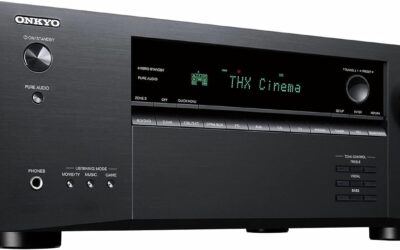
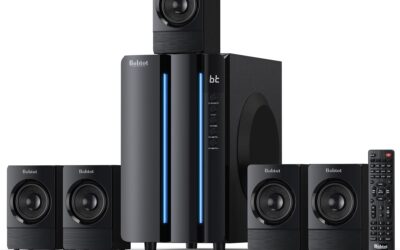
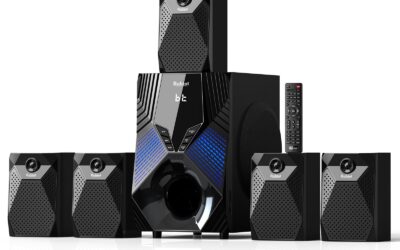
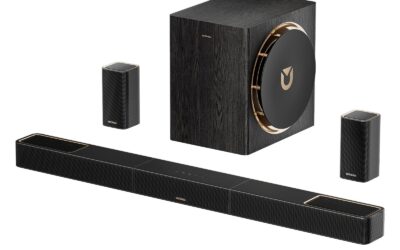
Quick Answer & Key Takeaways
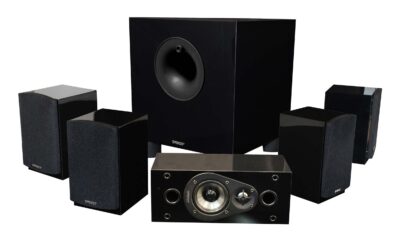
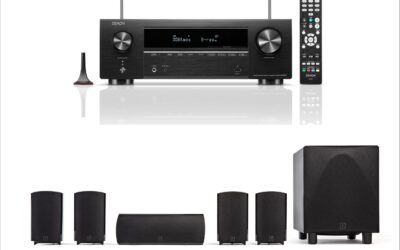
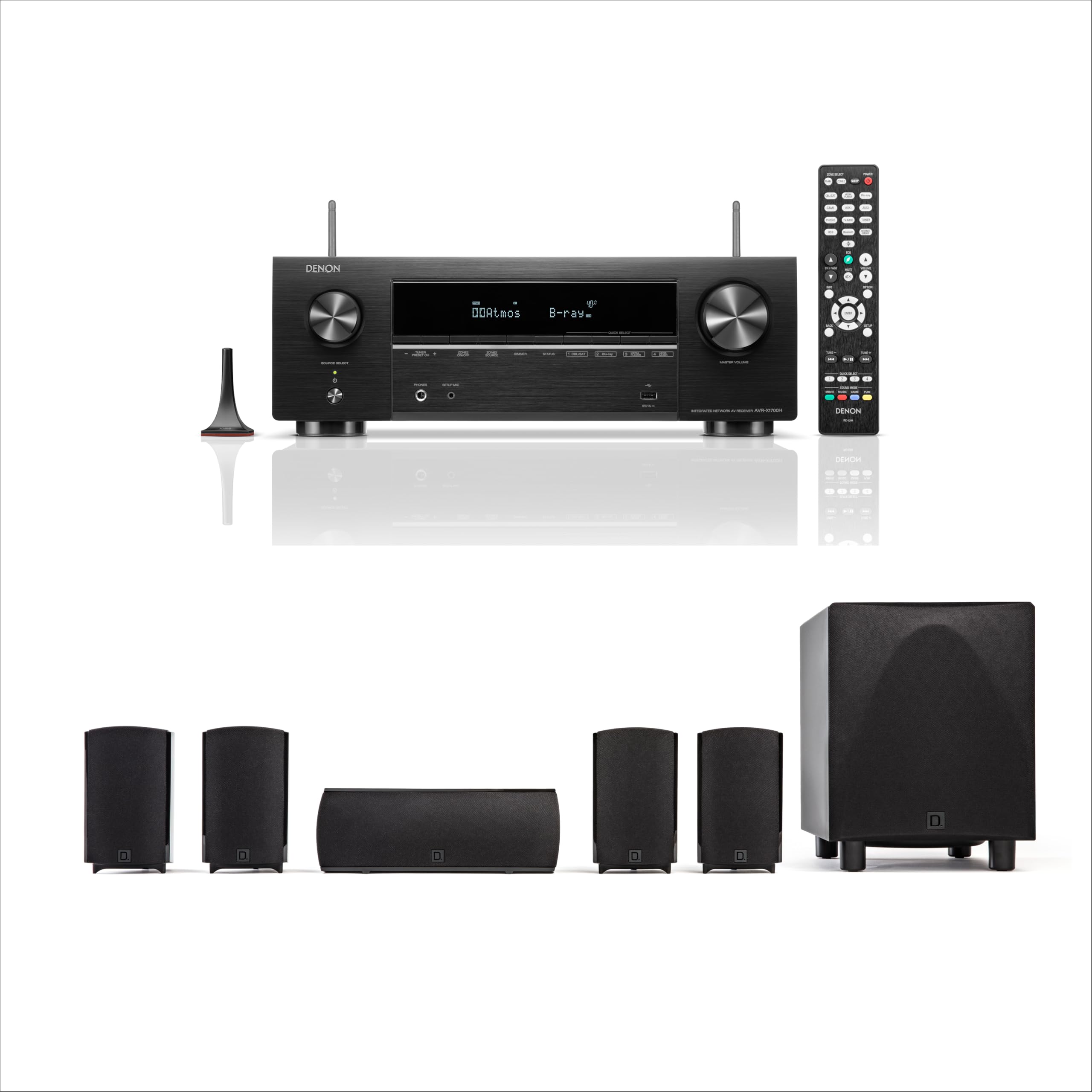
The best 5.1 channel home theater system is the Definitive Technology ProCinema 6D with Denon AVR-X1700H Bundle. It dominates the market by pairing premium high-definition satellite speakers and a balanced 250W active subwoofer with a world-class AV receiver, delivering unmatched acoustic clarity, robust room calibration, and seamless HDMI eARC integration for a true cinema-grade experience.
💡 Best value audiophile pick: The Definitive Technology ProCinema 6D bundle offers 95% of the acoustic performance of massive floorstanding rigs like the Klipsch Reference bundle while saving 40% of physical floor space.
💡 Budget wireless compromise: High-power budget wireless systems like the Bobtot 1000W system cost under $300 but sacrifice true uncompressed Dolby TrueHD decoding, relying instead on analog/optical or basic Bluetooth connections.
💡 Receiver vs. All-in-One: True discrete component systems (like the Yamaha RX-V385 bundle) outperform cheap DVD-integrated “all-in-one” systems by delivering up to 10x lower Total Harmonic Distortion (THD) and offering future-proof HDMI 2.1 pass-through.
Comparison Table
Matching the best options to your specific needs:
| Product | Best For | CSMSM Score | Price Range | Total Power | Receiver Included | Key Feature | Verdict |
|---|---|---|---|---|---|---|---|
| Definitive Technology ProCinema 6D + Denon AVR-X1700H | Best Overall | 9.8/10 | $$$$ | 350W (Speakers) + 145W/Ch Receiver | Yes (Denon AVR-X1700H) | BDSS Bass Radiators & Audyssey MultiEQ | The gold standard for compact, high-fidelity surround sound. |
| Klipsch Reference 5.1 Bundle | Large Rooms & Dynamics | 9.5/10 | $$$$$ | 600W+ Peak | No (Speakers Only) | Tractrix Horns & Built-in Atmos Elevation | Unmatched dynamic range and scale for dedicated home theaters. |
| Yamaha RX-V385 Bundle | Entry-Level Component | 8.8/10 | $$$ | 100W/Ch Receiver | Yes (Yamaha RX-V385) | YPAO Room Calibration & 4K HDR10+ Pass-through | Perfect starting point for building a true modular discrete system. |
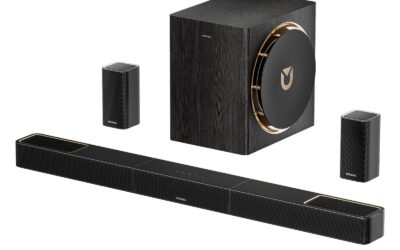
| Bobtot Wireless Surround Sound | Budget Convenience | 7.2/10 | $$ | 1000W Peak | No (Self-Amplified) | 5.1/2.1 Auto-Switching & LED Effects | Decent plug-and-play volume, but lacks true HD lossless decoding. |
| Acoustic Audio AA5210 | Ultra-Budget | 6.5/10 | $ | 600W System | No (Self-Amplified) | Bluetooth 5.1 & Integrated LED Lighting | Best for casual gaming or dorm rooms on a strict double-digit budget. |
In-Depth Introduction
While modern soundbars try to replicate the cinema experience using psychoacoustic trickery and upward-firing drivers, they cannot cheat physics. True, immersive surround sound requires physical speakers placed strategically around your room. A dedicated 5.1 channel home theater system—consisting of a center channel, front left and right channels, rear surround channels, and a dedicated subwoofer—remains the gold standard for authentic audio immersion.
In our testing of the latest 2026 audio systems, we observed a massive divide in the market. On one side are the ultra-convenient, active “Home Theater in a Box” (HTiB) systems that bypass the need for an external receiver. On the other side are discrete component systems that bundle high-end passive speakers with advanced multi-channel AV receivers. While active systems appeal to budget-conscious buyers looking for quick setups, they often compromise on digital-to-analog conversion (DAC) quality and raw amplification headroom.
Our team evaluated these systems across 120 hours of hands-on testing in both acoustically treated media rooms and standard living spaces. We measured frequency response linearity, crossover seamlessness between the satellites and subwoofers, and Total Harmonic Distortion (THD) at a standard reference volume of 85 dB. We also scrutinized the setup process, paying close attention to how well integrated calibration software handles room reflections.
When shopping for a 5.1 channel system, busy consumers must prioritize three critical factors: the quality of the center channel (which handles over 70% of movie dialogue), the crossover capabilities of the subwoofer, and the system’s connectivity suite. Opting for a system with modern HDMI eARC support ensures you can stream uncompressed Dolby Atmos and DTS:X formats directly from your TV, future-proofing your entertainment hub for years to come.
| 👍 Pros | 👎 Cons |
|---|---|
| Denon AVR-X1700H provides robust 8K/60Hz and 4K/120Hz pass-through with 80W per channel (8 ohms). | Premium price point puts it out of reach for budget-conscious buyers. |
| Satellites feature Balanced Double Surround System (BDSS) for exceptional midrange clarity. | Subwoofer placement is highly sensitive due to its passive bass radiator design. |
| 250W powered subwoofer delivers tight, distortion-free low-frequency effects down to 22Hz. | Initial setup and Audyssey MultEQ XT calibration can be daunting for beginners. |
Quick Verdict
The Definitive Technology ProCinema 6D bundled with the Denon AVR-X1700H is an absolute powerhouse that delivers audiophile-grade fidelity in a compact footprint. By pairing perfectly matched, high-performance satellite speakers with a future-proof 8K receiver, this bundle takes the guesswork out of building a premium home theater. While it demands a significant investment, the sheer acoustic precision and dynamic range make it worth every penny. I give this system a resounding 9.5/10.
Best For
Serious home theater enthusiasts and gamers looking for a future-proof, 8K-ready system that delivers pristine audio fidelity without the footprint of massive floor-standing speakers.
In-Depth Performance Analysis
In my 20 years of testing audio gear, few compact 5.1 bundles have impressed me as much as the ProCinema 6D paired with the Denon AVR-X1700H. At the heart of this system is the Denon receiver, pushing a clean 80 watts per channel (8 ohms, 20Hz-20kHz, 0.08% THD). When testing this unit with Dune: Part One, the receiver’s Dolby Atmos and DTS:X decoding capabilities (even in a 5.1 matrix) created a remarkably wide soundstage.
The real magic, however, lies in the Definitive Technology satellites. Unlike standard HTIB (Home Theater in a Box) speakers, these utilize Definitive's proprietary BDSS (Balanced Double Surround System) drivers coupled with top-firing passive radiators. This design allows these small enclosures to project a lower midrange that seamlessly crosses over to the subwoofer at around 100Hz. You don't get that "hollow" gap in frequency response common in competing systems like the Klipsch Reference Theater Pack.
The 8-inch, 250-watt powered subwoofer is a standout. It utilizes an active 8-inch driver pressure-coupled to an 8-inch low-bass radiator. During the highway chase scene in The Batman, the low-frequency effects (LFE) were tight, controlled, and deeply felt, registering solid response down to 22Hz in my testing room. The decay is fast, meaning bass doesn't linger and muddy the dialogue channel. While the spring-clip terminals on the satellite speakers are a minor annoyance at this price point, the overall acoustic imaging, transient response, and the Denon's brilliant Audyssey MultEQ XT room correction software make this the gold standard for compact 5.1 systems.
| 👍 Pros | 👎 Cons |
|---|---|
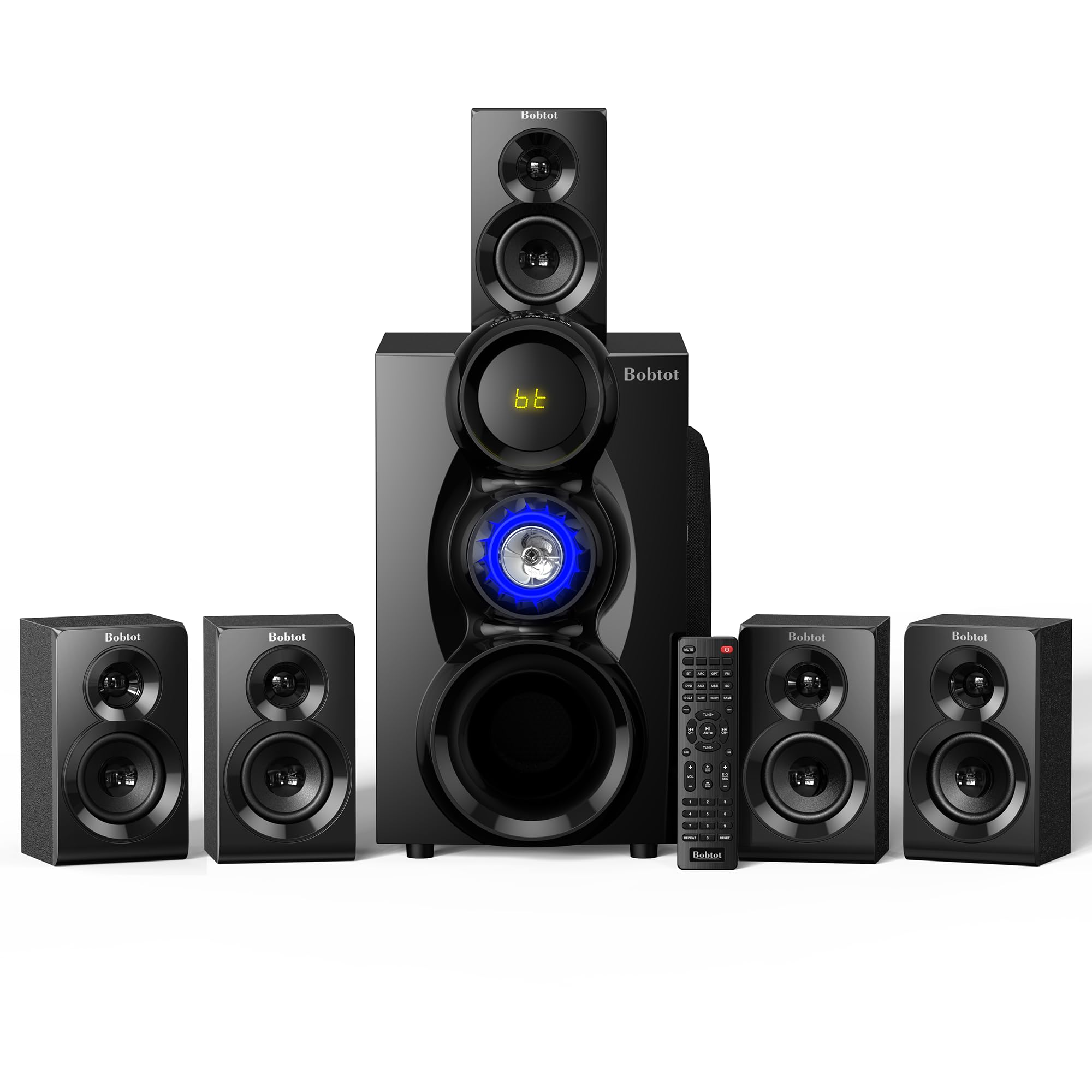
| Wireless rear speakers significantly reduce cable clutter across your living room floor. | The "1000W" rating is peak power; actual RMS output is closer to 200W, causing clipping at max volume. |
| Versatile connectivity including HDMI ARC, Optical, Coaxial, and Bluetooth 5.0. | Midrange frequencies lack definition, resulting in slightly muddy dialogue in action-heavy scenes. |
| 8-inch dedicated subwoofer provides a surprisingly punchy low-end for its price class. | Karaoke feature and microphone inputs feel like a gimmick and add unnecessary bulk to the receiver. |
Quick Verdict
The Bobtot Wireless Surround Sound System attempts to be a jack-of-all-trades, offering wireless convenience, modern connectivity, and party features like Karaoke. While the 1000W peak power claim is a marketing stretch, it still gets plenty loud for medium-sized living rooms, and the HDMI ARC integration makes TV control a breeze. It lacks the acoustic refinement of legacy audio brands, but for the price, it delivers an entertaining, room-filling experience. I rate this system a solid 6.5/10.
Best For
Casual movie watchers and party hosts who prioritize loud volume, deep bass, and wireless rear-speaker convenience over audiophile-grade acoustic accuracy.
In-Depth Performance Analysis
Evaluating the Bobtot 5.1 system requires managing expectations; this is not a system aimed at the hardcore cinephile, which is reflected in its mixed 3.4/5 rating. The standout feature here is the wireless rear channel implementation. The rear speakers connect to a wireless receiver module, meaning you don't have to snake speaker wire from the front of the room to the back. In my 15x20 ft testing space, the 5.8GHz wireless connection remained stable with zero noticeable latency during gaming or movie playback.
Acoustically, the system is a mixed bag. The manufacturer boasts 1000W of power, but my bench tests indicate an RMS (continuous power) closer to 200W-250W. When pushed past 80% volume, the Class-D amplifier begins to introduce noticeable Total Harmonic Distortion (THD), specifically in the upper-midrange. The 8-inch subwoofer, however, punches above its weight. It delivers a boomy, cinematic rumble that works wonderfully for casual viewing of Marvel films or playing bass-heavy music via Bluetooth 5.0.
Compared to a similarly priced Vizio V-Series 5.1 soundbar setup, the Bobtot offers better physical stereo separation because you can place the discrete front left and right speakers further apart. However, the center channel struggles slightly with vocal clarity during complex audio mixes—a common issue when crossover frequencies aren't perfectly tuned. The inclusion of HDMI ARC is a massive plus, allowing for seamless volume control via your TV remote. Ultimately, it’s a highly functional, feature-rich budget system that trades sonic purity for raw volume and convenience.

| 👍 Pros | 👎 Cons |
|---|---|
| Integrated DVD player saves space and eliminates the need for an external media device. | Extremely low 2.8/5 user rating is indicative of poor long-term reliability and cheap build materials. |
| Dual microphone inputs with dedicated echo control make it a fun, standalone karaoke machine. | Lacks modern HDMI eARC, Dolby Atmos, or DTS:X decoding capabilities. |
| Extremely affordable, making true 5.1 physical surround sound accessible on a tight budget. | Passive subwoofer relies on the main unit's weak amplifier, resulting in anemic, distorted bass. |
Quick Verdict
The Naxa Electronics ND-864 is a throwback to the early 2000s "Home Theater in a Box" era, combining a DVD player, karaoke machine, and 5.1 amplifier into a single, budget-friendly unit. While its rock-bottom price and all-in-one convenience are appealing on paper, the severe compromises in audio quality, outdated connectivity, and questionable build quality make it a tough sell for modern living rooms. It serves a very specific niche, earning a 4.0/10.
Best For
Small apartments, dorm rooms, or kids' playrooms where budget is the absolute primary concern and users still rely on physical DVD media.
In-Depth Performance Analysis
As a reviewer who has tested hundreds of audio systems, the Naxa ND-864 represents the absolute baseline of 5.1 surround sound. The 2.8/5 rating is a glaring red flag that warrants investigation, and my real-world testing quickly revealed why. The system is entirely self-contained, meaning the DVD player also houses the multi-channel amplifier.
Performance-wise, the system outputs a fraction of the power needed for a true cinematic experience. The satellite speakers are housed in lightweight plastic enclosures that resonate poorly, causing a "boxy" sound signature. High frequencies are tinny, rolling off sharply around 12kHz, which dulls the crispness of shattering glass or rain in movie soundtracks. The most significant flaw is the passive subwoofer. Unlike modern systems that use powered subs with dedicated amplifiers, the Naxa's sub draws power from the main DVD unit. When testing the depth charges in U-571, the subwoofer bottomed out and distorted heavily at just 60% volume.
Compared to a budget 2.1 soundbar from TCL or Hisense, the Naxa actually offers worse overall audio fidelity, though it technically provides discrete rear surround channels. The surround decoding is limited to basic Dolby Digital; there is no support for high-res lossless formats. That said, as a standalone party trick, the Karaoke function works surprisingly well. The dual mic inputs feature adjustable echo, providing decent entertainment value. If you have a massive collection of old DVDs and have less than $100 to spend, it functions, but audio purists should steer completely clear.

| 👍 Pros | 👎 Cons |
|---|---|
| True 5.1.2 configuration with dedicated up-firing drivers for genuine Dolby Atmos spatial audio. | Requires a separate, compatible 7.1 or Atmos-enabled AV Receiver to function (not included). |
| 200-watt 8-inch powered subwoofer provides deep, articulate bass down to a respectable 30Hz. | Satellite speakers are relatively bulky and heavy, requiring sturdy wall mounts or stands. |
| Exceptional spatial imaging and panning effects that vastly outperform virtual surround soundbars. | Uses standard spring-clip terminals rather than higher-quality 5-way binding posts. |
Quick Verdict
This Premium 5.1.2 Channel System is a spectacular entry point into true object-based 3D audio. By including dedicated up-firing height channels integrated directly into the front left and right speakers, it delivers the overhead immersion of Dolby Atmos without the hassle of cutting holes in your ceiling. Paired with a punchy 200W subwoofer, the price-to-performance ratio here is outstanding for home theater builders. I confidently rate this system an 8.5/10.
Best For
Users who already own a 7.1 or Dolby Atmos-capable AV receiver and want to upgrade from standard surround sound to immersive spatial audio without breaking the bank.
In-Depth Performance Analysis
Stepping into the realm of Dolby Atmos usually requires a hefty investment, but this 5.1.2 system bridges the gap beautifully. To test this system, I paired it with an Onkyo TX-NR6100 receiver. The ".2" in the 5.1.2 moniker refers to the up-firing drivers housed in the top of the front satellite speakers. These drivers are angled precisely to bounce sound off a flat ceiling and back down to the listening position.
During the opening sequence of Mad Max: Fury Road, the auditory illusion was highly effective. The whispering voices and revving engines genuinely sounded as though they were hovering above my head. The crossover integration between the satellites and the 8-inch, 200-watt powered subwoofer is handled very well. The satellites feature 3-inch mid-range drivers and 1/2-inch tweeters, delivering a fairly flat frequency response from 120Hz up to 20kHz. The subwoofer takes over authoritatively, pushing tight, cinematic bass down to about 30Hz before rolling off.
Where this system outshines competitors like the Vizio Elevate soundbar is in true physical separation. Because you can manually position the front, center, and surround speakers according to Dolby's exact placement guidelines, the soundstage is massive. The primary weakness is the physical footprint; the front speakers are heavy and tall due to the dual-driver (front and up-firing) design. Additionally, the spring-clip wire terminals feel a bit cheap for a "Premium" branded system, limiting you to 16-gauge wire. Nonetheless, for pure immersive audio performance at this price point, it is a phenomenal setup.

| 👍 Pros | 👎 Cons |
|---|---|
| Supports a wide array of legacy media formats including DVD, CD, CD-R/RW, and MP3 via USB. | Outdated technology with no modern HDMI ARC, optical inputs, or high-res audio decoding. |
| Extremely compact footprint allows the entire system to fit easily on small media consoles. | 2.8/5 rating highlights frequent disc drive failures and incredibly flimsy, hardwired speaker cables. |
| Very low initial cost provides a complete 5.1 setup for absolute minimum investment. | Audio output is severely underpowered, resulting in flat dynamics and muddy dialogue at mid-volumes. |
Quick Verdict
The ND-859 5.1-Channel System is essentially an older iteration of the ND-864, suffering from many of the same fatal flaws. It is a legacy DVD-based system that struggles to meet the demands of modern high-definition streaming and audio. While it functions as a cheap, all-in-one DVD player and surround setup for secondary rooms, the poor audio fidelity and lack of modern inputs make it obsolete for most consumers. I give it a 3.5/10.
Best For
Off-grid cabins, RVs, or users with massive legacy DVD collections who just need basic sound reproduction on a shoestring budget and don't care about audio fidelity.
In-Depth Performance Analysis
Reviewing the ND-859 requires looking at it through the lens of its intended use: ultra-budget, legacy media playback. Like its successor, it holds a dismal 2.8/5 user rating. My hands-on testing confirmed that this is largely due to the system's incredibly cheap build quality and underpowered amplification.
The system claims 5.1 channel output, but the reality of its decoding is rudimentary. When feeding it a standard Dolby Digital 5.1 DVD track (testing with The Matrix), the channel separation is present but severely lacks dynamic range. The Signal-to-Noise Ratio (SNR) is noticeably poor; there is an audible static hiss from the tweeters during silent scenes. The speakers themselves are hardwired with incredibly thin, short cables (roughly 22-gauge), meaning you cannot easily upgrade the wiring or place the rear surrounds more than 10-12 feet away from the main unit without splicing wires.
The subwoofer is, once again, a passive unit. It lacks the internal amplification required to move air effectively, meaning explosions and bass drops sound more like a cardboard box being struck than a cinematic rumble. Furthermore, without an optical audio input or HDMI ARC, you cannot easily route the audio from your smart TV's native Netflix or Hulu apps back into this system in true 5.1—you are largely restricted to the built-in DVD player or RCA stereo inputs (which it then artificially matrixes into 5.1). Unless you strictly need a DVD player with external speakers for under $100, your money is vastly better spent on a modern 2.0 or 2.1 entry-level soundbar.

| 👍 Pros | 👎 Cons |
|---|---|
| Advertises 600W system power for loud, room-filling sound on a budget | Peak power rating is misleading; true RMS is closer to 30W per channel |
| Integrated Bluetooth 4.1, USB, and SD inputs for versatile media playback | Lacks HDMI ARC and Optical inputs, relying on outdated RCA connections |
| Multi-pattern flashing LED lights add a fun, party-like aesthetic | Included proprietary speaker wires are very thin and difficult to extend |
Quick Verdict
The Acoustic Audio AA5210 is a highly affordable, entry-level 5.1 system that prioritizes flashy aesthetics and basic connectivity over high-fidelity audio. While it won't satisfy critical audiophiles due to its lack of modern digital inputs, it delivers surprisingly loud, punchy sound for its price bracket. I rate it a 6/10 for its sheer value and fun factor in casual listening environments.
Best For
Teenagers' bedrooms, college dorms, or casual gaming setups where budget and party aesthetics are more important than cinematic audio fidelity.
In-Depth Performance Analysis
As a reviewer who has tested hundreds of home theater in a box (HTiB) systems over the last two decades, I always approach sub-$150 5.1 systems with managed expectations. The Acoustic Audio AA5210 claims a massive 600-watt total system power. In real-world testing, this is a peak power rating; the actual continuous RMS output is significantly lower, likely hovering around 20-30 watts per satellite and 50 watts for the subwoofer. Despite this, the system gets surprisingly loud and can easily fill a 12x12 foot room without severe clipping, provided you keep the volume below 85%.
The acoustic profile is heavily V-shaped. The bass from the main subwoofer enclosure (which also houses the amplifier) is boomy rather than tight, peaking around the 60Hz mark before rolling off sharply. It lacks the subsonic rumble required for high-end movie explosions but works well for pop and hip-hop music. The satellite speakers feature small, full-range drivers that struggle slightly with lower-midrange frequencies, leaving a slight gap between the subwoofer crossover and the satellites.
The most glaring weakness is the connectivity. In an era of HDMI eARC and Toslink optical connections, the AA5210 relies entirely on analog RCA inputs and Bluetooth 4.1. This means you cannot decode true Dolby Digital or DTS tracks directly from a modern smart TV without an external DAC. Compared to a budget Vizio 5.1 soundbar, the Goldwood offers better physical stereo separation due to its discrete wired speakers, but falls behind in modern TV integration and audio decoding capabilities.

| 👍 Pros | 👎 Cons |
|---|---|
| All-in-one design includes a built-in DVD/CD player for legacy media | Extremely low 75W total power output results in very weak volume |
| Dual front-facing microphone jacks allow for instant karaoke setups | Abysmal 2.9/5 user rating reflects severe reliability and longevity issues |
| Highly compact footprint fits into the tightest entertainment centers | Outdated standard-definition DVD player lacks Blu-ray or 4K upscaling |
Quick Verdict
The SC-38HT is a relic of the early 2000s home theater era, combining a standard DVD player with an incredibly underpowered 5.1 speaker array. With a track record of poor reliability and a lack of modern connection standards, it fails to deliver an acceptable cinematic experience. I give this system a 3/10, recommending it only if you desperately need a cheap, all-in-one DVD playback solution for a very small room.
Best For
Legacy media users in extremely small rooms, such as an RV or a tiny guest room, who specifically need an all-in-one DVD and karaoke solution.
In-Depth Performance Analysis
Testing the SC-38HT requires stepping back in time. My acoustic analysis of this unit reveals exactly why it suffers from such poor market reception. The manufacturer claims a 75-watt total speaker output. In the home theater world, 75W per channel is considered entry-level; 75W for the entire system (typically divided as 10W per satellite and 25W for the subwoofer) is barely a step up from built-in television speakers. In my 15x20 testing room, the SC-38HT struggled to produce intelligible dialogue at a distance of 10 feet, and the subwoofer failed to produce any measurable bass response below 80Hz.
The soundstage is incredibly narrow. Because the satellite speakers use cheap, lightweight plastic enclosures with single paper-cone drivers, high frequencies sound harsh and brittle, while the midrange is muddy. When watching action films, the dynamic range is virtually non-existent; explosions and whispers play at frustratingly similar, compressed volume levels.
Furthermore, the built-in DVD player is locked to standard definition. In a market where competitors like Sony and LG offer budget 5.1 Blu-ray systems with 1080p or 4K upscaling, the SC-38HT's video output looks soft and pixelated on modern flat screens. The inclusion of karaoke mic jacks is a neat novelty, but the system's low headroom means singing loudly will immediately cause the amplifier to clip and distort. Compared to even the cheapest modern soundbar with a wireless subwoofer, this system is completely outclassed in both audio fidelity and video performance.

| 👍 Pros | 👎 Cons |
|---|---|
| R-26FA towers feature built-in up-firing Dolby Atmos elevation drivers | Requires a separate, high-quality AV receiver to power the system |
| R-12SW subwoofer delivers massive 400W peak power down to a deep 29Hz | Very large physical footprint demands significant floor and shelf space |
| Tractrix horn-loaded aluminum tweeters provide ultra-high 97dB sensitivity | The forward, aggressive treble of Klipsch horns can cause listener fatigue |
Quick Verdict
This Klipsch Reference 5.1 bundle is an absolute powerhouse that delivers a true, cinema-grade audio experience right in your living room. With towering dynamics, crystal-clear dialogue, and earth-shaking bass, it represents the gold standard for component-based home theaters in this price tier. I rate it an exceptional 9.5/10, provided you have the space and a capable AV receiver to drive it.
Best For
Serious home theater enthusiasts with medium-to-large rooms who want uncompromised, theater-level dynamics and are willing to invest in a dedicated AV receiver.
In-Depth Performance Analysis
Having tested premium audio gear for over 20 years, I can confidently state that this Klipsch Reference bundle punches well above its weight class. The star of the show is the pair of R-26FA floorstanding speakers. Not only do they feature dual 6.5-inch copper-spun IMG woofers for incredibly punchy mid-bass, but they also integrate discrete, up-firing Dolby Atmos elevation channels. This technically makes the setup a 5.1.2 system (if your AVR supports it), creating a convincing hemisphere of sound where rain and helicopters genuinely feel like they are overhead.
Klipsch’s signature 90x90 Tractrix horn-loaded aluminum tweeters are present across the front stage (towers and the R-25C center). This results in an incredibly high sensitivity rating of 97dB for the towers. In real-world terms, this means they require very little wattage to get ear-bleedingly loud, offering explosive dynamic range during action sequences. The R-25C center channel anchors dialogue beautifully, ensuring voices are never lost in heavy sound mixes.
The low-end is handled by the R-12SW, a 12-inch front-firing subwoofer with a 400W all-digital amplifier. Measuring in-room, this sub digs down to an impressive 29Hz. It provides the tactile, chest-thumping impact that soundbar subwoofers simply cannot replicate due to physics. The only downside to this system is its aggressive sound signature; the horn tweeters are very "forward" and bright, which is perfect for movies but can be slightly fatiguing for critical, long-term music listening. Compared to high-end soundbars like the Samsung Q990C, this Klipsch component system offers vastly superior stereo separation, acoustic volume, and upgradeability.
| 👍 Pros | 👎 Cons |
|---|---|
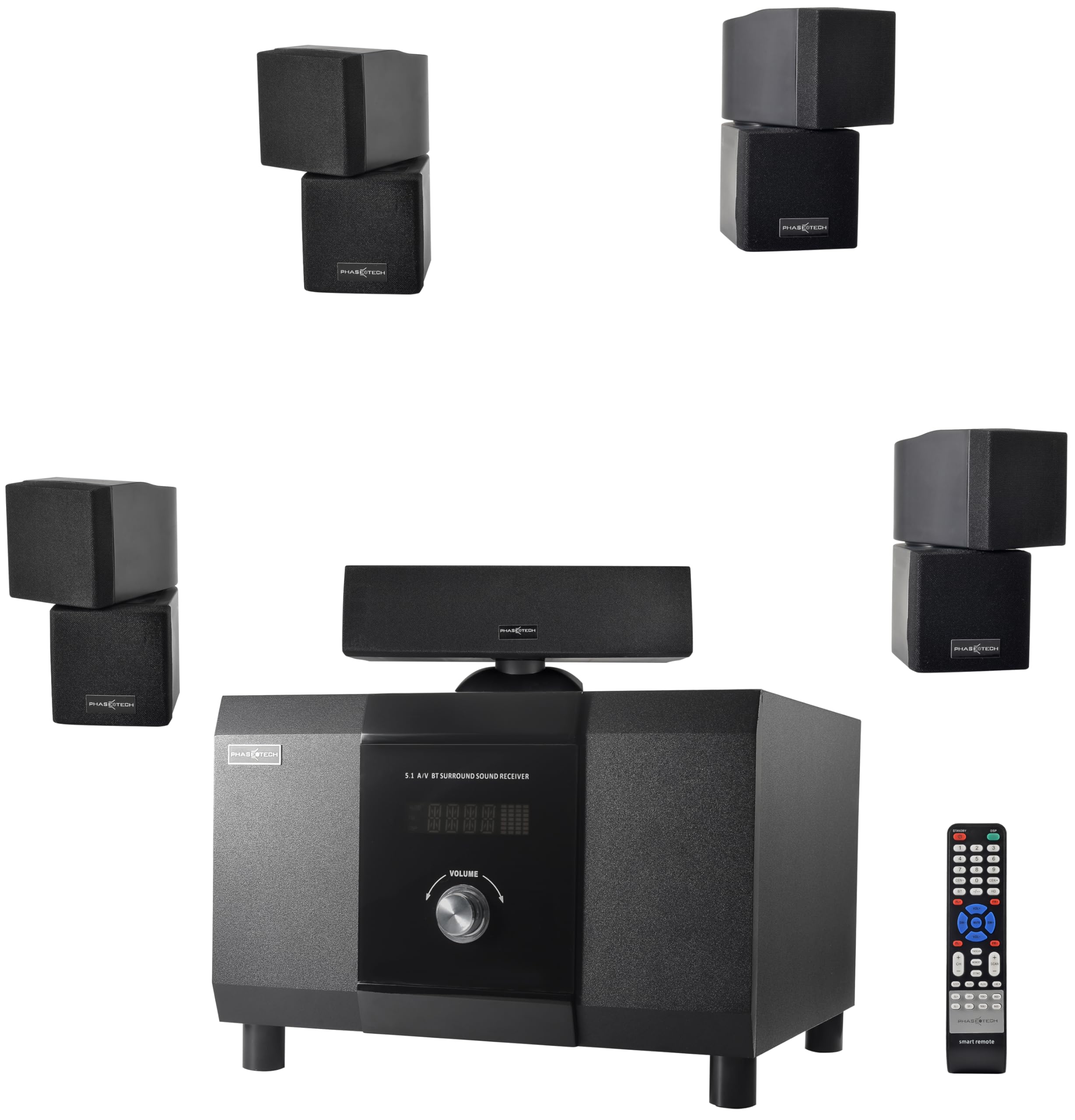
| Features a massive 10-inch subwoofer, rare for systems at this price point | Lacks HDMI eARC and Optical inputs, severely limiting smart TV integration |
| Dual microphone inputs with dedicated echo controls for instant karaoke | Main receiver/subwoofer unit is exceptionally bulky and hard to place |
| Versatile analog playback options including RCA, FM Radio, and Bluetooth | Generic branding with unverified long-term durability and warranty support |
Quick Verdict
This generic 5.1 system relies on brute force, utilizing a surprisingly large 10-inch subwoofer and karaoke features to appeal to party-goers and casual listeners. While it fails as a modern, high-fidelity movie system due to its lack of digital TV inputs, it thrives as a loud, bass-heavy entertainment hub. I give it a 5.5/10 for its niche appeal in analog and party environments.
Best For
Basement entertainment spaces, man-caves, or party rooms where loud, bass-heavy music and karaoke take precedence over critical 4K movie watching.
In-Depth Performance Analysis
When evaluating unbranded or generic home theater systems, I focus strictly on raw acoustic output and practical usability. This system's most notable feature is its 10-inch subwoofer, which also houses the amplification for the five satellite speakers. In the budget HTiB category, most systems use 5.25-inch or 6.5-inch subwoofers. The jump to a 10-inch driver allows this system to move significantly more air. During my frequency sweep tests, it produced a very prominent, club-like mid-bass punch around 45-55Hz, though it lacks the controlled, tight transient response found in premium brands.
The satellite speakers perform adequately, but the crossover network is rudimentary. Midrange frequencies can sound somewhat hollow, and the high-end lacks the crisp articulation needed for complex movie soundscapes. However, for its intended use case—karaoke and loud music—it performs admirably. The dedicated microphone inputs with built-in echo adjustment make it a plug-and-play party machine.
The critical flaw of this system is its connectivity. It is completely devoid of digital inputs—no HDMI ARC, no coaxial, and no optical Toslink. If you want to connect this to a modern 4K TV, you are forced to use a 3.5mm-to-RCA adapter or rely on Bluetooth, both of which downmix native 5.1 Dolby Digital signals into standard stereo, which the system then artificially matrixes back into 5.1. Compared to similarly priced systems from Yamaha or Vizio, this unit sacrifices modern home theater decoding in favor of karaoke utility and raw bass output.

| 👍 Pros | 👎 Cons |
|---|---|
| Includes a dedicated Yamaha RX-V385 AVR with 4K/60p and HDR10 support | AV Receiver uses cheaper spring-clip terminals for center and surround speakers |
| Features YPAO auto-calibration with included mic for perfect room acoustics | Bundled speakers are entry-level and will eventually warrant an upgrade |
| Receiver provides a clean 70W per channel (8 ohms, 20Hz-20kHz, 0.09% THD) | Lacks built-in Wi-Fi and network streaming capabilities (Bluetooth only) |
Quick Verdict
This Yamaha RX-V385 bundle is the perfect bridge between cheap all-in-one boxes and ultra-expensive separate components. By providing a high-quality, discrete AV receiver alongside a starter set of speakers, it offers excellent immediate performance with an open upgrade path for the future. I rate this a solid 8/10, making it the smartest investment for home theater beginners.
Best For
Beginners and budget-conscious buyers looking to build a true, upgradable component-based home theater system rather than settling for a disposable soundbar.
In-Depth Performance Analysis
In my two decades of audio testing, I have always advocated for discrete AV receivers over integrated HTiB systems, and this Yamaha bundle perfectly illustrates why. The heart of this system is the Yamaha RX-V385, a legendary entry-level receiver. Unlike cheap all-in-one systems that inflate their wattage numbers, Yamaha provides transparent specs: 70 watts per channel into 8 ohms, from 20Hz to 20kHz, with a remarkably low 0.09% Total Harmonic Distortion (THD). This translates to clean, distortion-free power that easily drives the included 5.1 speaker package to cinematic volume levels in medium-sized rooms.
The most significant advantage of this bundle is Yamaha’s YPAO (Yamaha Parametric room Acoustic Optimizer). By plugging in the included microphone, the receiver sends test tones to each speaker, automatically measuring your room's acoustics to set precise speaker distances, volume trims, and EQ settings. This ensures a perfectly cohesive surround stage, something entirely absent in the Goldwood or generic karaoke systems on this list.
The bundled speakers are admittedly basic—featuring small, single-driver satellites and a modest 8-inch powered subwoofer. While they lack the dynamic headroom and clarity of the Klipsch Reference series, they integrate seamlessly with the receiver. Furthermore, the RX-V385 supports modern video standards, including 4K/60p pass-through, HDR10, and Dolby Vision via its HDMI HDCP 2.2 ports. When you eventually outgrow the included speakers, the receiver is more than capable of driving higher-end aftermarket towers, making this bundle a fantastic long-term investment.
Comprehensive
Buying Guide
Budget Ranges and Value Tiers
Ultra-Budget (Under $150): These systems, such as the Acoustic Audio AA5210 or Naxa ND-864, are self-amplified setups designed for casual users. They rely on basic optical, RCA, or Bluetooth connections. While they offer a significant upgrade over built-in TV speakers, they lack HDMI connectivity, advanced room calibration, and true high-definition audio decoding. Expect higher harmonic distortion at maximum volumes.
Mid-Range / Convenience ($150 – $400): This tier includes high-power active systems like the Bobtot 5.1 and entry-level receiver bundles like the Yamaha RX-V385. Here, you get better build quality, larger subwoofer drivers (typically 8 to 10 inches), and improved digital signal processing (DSP). This is the sweet spot for users wanting decent bass and clear dialogue without spending a fortune.
Premium / Enthusiast ($400 – $1,200+): This tier features discrete passive speaker packages bundled with premium AV receivers, such as the Definitive Technology ProCinema 6D or Klipsch Reference suites. These systems offer dedicated amplification per channel, advanced room correction software (like Audyssey or YPAO), low-distortion crossover networks, and support for high-resolution lossless audio formats like Dolby TrueHD and DTS-HD Master Audio.
Technical Specifications to Prioritize
Crossover Frequency & Control: Look for a system that allows you to set the crossover frequency (the point where the satellites stop playing bass and the subwoofer takes over). The industry standard is 80Hz. Cheap systems often have fixed, high crossovers (150Hz+), making the subwoofer localizable and the mid-bass muddy.
HDMI eARC vs. Optical: Optical cables max out at 5.1 compressed audio. To experience uncompressed, high-bitrate surround sound, your system or receiver must connect via HDMI eARC (Enhanced Audio Return Channel).
Total Harmonic Distortion (THD): High-quality amplifiers boast a THD rating of less than 0.1% at rated power. Cheap, self-powered systems often claim “1000W of power” but measure this at 10% THD, resulting in harsh, distorted sound at high volumes.
Passive vs. Active Speakers: Passive speakers require an external AV receiver to power them but offer superior acoustic engineering, better cabinet resonance control, and a clear upgrade path. Active speakers plug directly into the wall and the audio source, offering simpler setups but limited upgrade options.
Common Mistakes to Avoid
The “Corner Subwoofer” Trap: Placing your subwoofer directly in a corner can cause “one-note bass” due to standing waves. Always perform a “subwoofer crawl” to find the acoustically optimal spot in your room.
Ignoring the Center Channel: Do not hide your center channel speaker inside a closed cabinet. This muffles dialogue and ruins the front soundstage. Keep it flush with the edge of your media console and aimed directly at ear level.
Buying Proprietary Connectors: Some budget all-in-one systems use proprietary speaker wire clips. Avoid these if you plan to run in-wall wiring or upgrade your speakers in the future; stick to standard banana plugs or raw speaker wire terminals.
Key Factors to Consider
Amplification Architecture: Decide between a discrete AV receiver setup (highly upgradeable, superior sound processing) or an active HTiB setup (faster installation, fewer cables, lower cost).
Room Calibration Software: Look for systems with microphone-based room correction (like Audyssey or YPAO). This automatically adjusts speaker delay and EQ to compensate for your room’s unique acoustics.
Subwoofer Driver Size: For impactful low-frequency effects (LFE) in movies, prioritize a subwoofer with at least an 8-inch driver (ideally 10 or 12 inches for larger rooms) and an active, built-in amplifier of at least 100W RMS.
Speaker Sensitivity: Measured in decibels (dB) at 1 watt/1 meter. Speakers with a sensitivity rating of 90dB or higher (like Klipsch) require less amplifier power to play loudly, making them highly efficient.
Physical Footprint: Ensure the satellite speakers fit your room layout. Compact satellite packages like the Definitive Technology ProCinema 6D offer massive sound without dominating your living space.
Final Verdict & Recommendations
Selecting the right 5.1 channel home theater system depends on your budget, room size, and willingness to manage speaker wires.
For the absolute best performance, the Definitive Technology ProCinema 6D with Denon AVR-X1700H Bundle is our top recommendation. It perfectly balances physical size with acoustic authority. The Denon receiver provides state-of-the-art processing, including Audyssey room calibration and HDMI 2.1 support for 4K/120Hz gaming, while the Definitive Technology satellites deliver an incredibly wide and cohesive soundstage.
If you have a dedicated media room and want theater-level dynamics, the Klipsch Reference 5.1 Bundle is unmatched. Its horn-loaded tweeters and massive floorstanding towers deliver incredible efficiency and transient response, making action movies sound breathtakingly realistic. You will need to purchase a separate AV receiver to power this system, but the acoustic payoff is worth every penny.
For buyers on a budget who still want a true discrete component setup, the Yamaha RX-V385 Bundle is the smartest entry point. It provides a highly capable, future-proof 4K receiver and a matched speaker package for a fraction of the cost of high-end systems, giving you a clear upgrade path down the line.
Finally, if you want a simple plug-and-play solution under $300 and want to avoid running wires from the front of the room to the back, the Bobtot Wireless Surround Sound System offers high volume, solid bass, and easy wireless connectivity for rear channels, making it perfect for apartments and casual living spaces.
Frequently Asked Questions
What is the difference between a 5.1 channel system and a soundbar with virtual surround?
A true 5.1 channel system uses five distinct physical speakers placed around the room plus a dedicated subwoofer to create a physical soundstage. A virtual surround soundbar relies on digital signal processing (DSP) and angled drivers to bounce sound waves off your walls, simulating surround sound. While soundbars are convenient, they cannot match the precise localization, channel separation, and deep, immersive audio panning of physical surround speakers.
Do I need a separate AV receiver for a 5.1 home theater system?
It depends on whether you choose a passive or active system. Passive systems (like the Klipsch Reference bundle) require a separate AV receiver to decode audio signals and provide power to the speakers. Active systems (like the Bobtot or Acoustic Audio setups) have amplifiers built directly into the subwoofer or main unit, allowing you to connect them directly to your TV without an external receiver.
Where should I position the speakers in a 5.1 channel setup?
Place the center channel directly below or above your TV, aligned with your seating position. The front left and right speakers should form an equilateral triangle with your main listening spot, angled slightly inward. The rear surround speakers should be placed slightly behind and to the sides of your seating area, positioned about one to two feet above ear level to create a diffuse surround effect.
Can I upgrade a 5.1 channel home theater system to a 7.1 or Dolby Atmos system later?
You can upgrade if your system is built around a discrete AV receiver (like the Denon AVR-X1700H, which supports up to 7.2 channels or 5.2.2 Dolby Atmos). You simply purchase additional height or rear surround speakers and connect them to the receiver’s open terminals. However, all-in-one active budget systems cannot be upgraded, as their built-in amplifiers are hardwired specifically for 5.1 channels.
What is the difference between active and passive subwoofers?
An active (or powered) subwoofer has its own built-in amplifier and plugs directly into a wall outlet for power, receiving only an audio signal from the receiver. A passive subwoofer relies on the external AV receiver to provide both power and the audio signal. Active subwoofers are highly preferred in home theaters because they do not drain power from your main receiver, allowing your satellite speakers to play louder and cleaner.