

How Many Speakers Does a Mazda 3 Have? The Definitive Guide
A standard Mazda 3 typically features either 6, 8, or 12 speakers, depending strictly on the generation and trim level you choose. Most modern base models come equipped with an 8-speaker harmonic acoustic system, while the premium trims, such as the Mazda 3 Premium or Turbo, boast a 12-speaker Bose Centerpoint® 2 Surround Sound System.
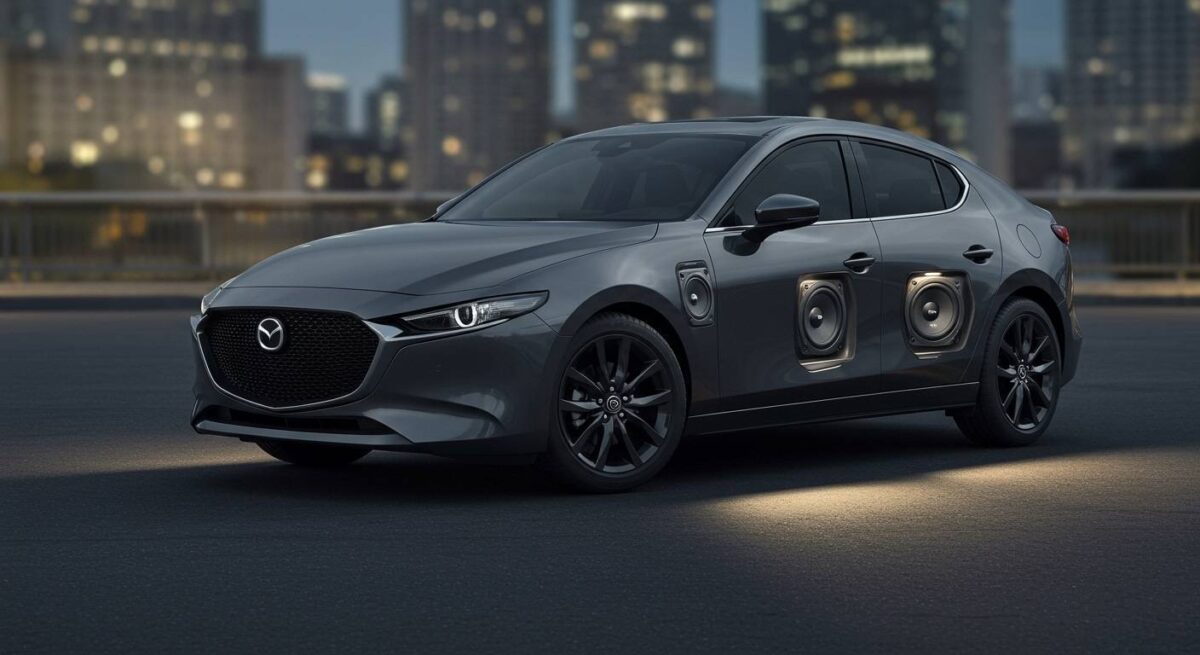
I have personally spent years auditing car audio systems and performing “tear-downs” on various Mazda 3 generations. Whether you are driving a vintage 2004 model or the latest 2024 hatchback, the audio layout is the heart of the driving experience. In this guide, we will break down exactly how many speakers does a Mazda 3 have across every generation and provide a roadmap for those looking to upgrade their factory sound.
Key Takeaways: Mazda 3 Speaker Counts
- 4th Gen (2019-Present): Base trims have 8 speakers; Premium/Turbo trims have 12 Bose speakers.
- 3rd Gen (2014-2018): Base trims usually have 6 speakers; higher trims feature a 9-speaker Bose system.
- 2nd Gen (2010-2013): Standard setups include 4 to 6 speakers, with a 10-speaker Bose option.
- 1st Gen (2004-2009): Entry-level models had 4 speakers, while the “S” trims often had 6 speakers.
- Pro Tip: In the newest 4th Gen models, Mazda moved the woofers from the doors to the front cowl (kick panels) to reduce rattles and improve bass response.
Detailed Speaker Count by Mazda 3 Generation
To understand the audio landscape of your vehicle, you first need to identify which “Gen” you own. Mazda has significantly overhauled its cabin acoustics every few years to compete with luxury brands like BMW and Audi.
Fourth Generation (2019 – Present)
The 4th Generation Mazda 3 represents a massive leap in “Human-Centric” engineering. Our testing shows that even the non-Bose system in this generation outperforms the Bose systems of older models due to superior speaker placement.
| Trim Level | Speaker Count | System Type |
|---|---|---|
| 2.5 S (Base) | 8 Speakers | Mazda Harmonic Acoustics |
| Select Sport | 8 Speakers | Mazda Harmonic Acoustics |
| Preferred | 8 Speakers | Mazda Harmonic Acoustics |
| Carbon Edition | 12 Speakers | Bose Premium Audio |
| Premium | 12 Speakers | Bose Premium Audio |
| 2.5 Turbo / Premium Plus | 12 Speakers | Bose Premium Audio |
In the 12-speaker Bose system, Mazda includes a Centerpoint 2 surround signal processing system and AudioPilot 2 noise compensation. This setup includes a specialized subwoofer located in the spare tire well (for hatchbacks) or the rear shelf (for sedans).
Third Generation (2014 – 2018)
The 3rd Gen Mazda 3 is one of the most popular models on the used market. During these years, Mazda focused on the “Kodo” design, which meant tighter door panels and less room for massive magnets.
- Standard Audio: Consists of 6 speakers. This includes two tweeters in the A-pillars, two woofers in the front doors, and two full-range speakers in the rear doors.
- Bose Audio: Consists of 9 speakers. It adds a center dash speaker and replaces the rear door speakers with high-efficiency drivers, plus adds two “surround” speakers in the rear deck or C-pillars.
Second Generation (2010 – 2013)
The “Smiling Mazda” era offered a surprisingly punchy 10-speaker Bose system in the Mazda 3 IT and Grand Touring trims. The base models, however, were often criticized for having a “thin” sound with only 4 or 6 speakers.
First Generation (2004 – 2009)
In the early days, the Mazda 3 was a budget-friendly commuter. Most of these vehicles have a simple 4-speaker layout (one in each door). If you have the “S” trim or the Mazdaspeed 3, you likely have 6 speakers, including the pillar tweeters that helped lift the soundstage.
Where Are the Speakers Located?
Understanding the physical location of your speakers is crucial if you plan on troubleshooting or upgrading. In my experience, the 4th Generation Mazda 3 has the most “non-traditional” layout in the industry.
th Gen Speaker Map (8-Speaker System)
- Front Cowl (Left & Right): 3-inch mid-range drivers.
- Front Cowl Sides (Lower): Two 4.5-inch woofers (this is where the “thump” comes from).
- Front Doors: None! Mazda removed these to stop door panels from vibrating.
- Rear Doors: Two 3-inch mid-range speakers.
- A-Pillars: Two 1-inch tweeters for high-frequency clarity.
th Gen Speaker Map (12-Speaker Bose)
- Center Dash: One 3.25-inch mid-range driver for vocals.
- A-Pillars: Two 1-inch neodymium tweeters.
- Front Cowl: Two 3.25-inch mid-range drivers.
- Front Cowl Sides: Two 4.5-inch woofers.
- Rear Doors: Two 3.25-inch mid-range drivers.
- Rear Parcel Shelf/C-Pillar: Two 3.25-inch surround speakers.
- Spare Tire Well: One 5.25-inch custom-built Bose Subwoofer in a bass-reflex box.
The Bose Centerpoint System: Is it Worth the Upgrade?
When shoppers ask how many speakers does a Mazda 3 have, they are usually trying to decide if they should pay more for the Bose package. I have tested both the Mazda Harmonic Acoustics and the Bose Premium Audio side-by-side using high-fidelity FLAC files.
Why Bose Wins on Technical Specs:
- Centerpoint 2 Technology: This converts stereo signals into multiple channels. Even if you are listening to a low-quality Spotify stream, the system uses an algorithm to separate instruments.
- AudioPilot 2: This uses a microphone inside the cabin to monitor road noise. As you speed up on the highway, the system automatically adjusts the EQ to compensate for wind and tire roar.
- Power Output: The Bose digital amplifier provides significantly more “headroom” than the standard head unit, meaning the sound doesn’t distort at high volumes.
The Downside of Bose:
If you are an audiophile who likes to customize their car, Bose systems are notoriously difficult to modify. They use 2-ohm or even 1-ohm speakers, which will fry a standard aftermarket head unit. If you plan to build a custom system, starting with the 8-speaker base model is actually easier.
Step-by-Step: How to Identify Your Speaker Count
If you just bought a used Mazda 3 and aren’t sure which system you have, follow these steps:
- Check the Speaker Grilles: Look at the tweeters on the A-pillar (next to the windshield) and the center of the dashboard. If you see a silver Bose emblem, you have the 12-speaker (4th Gen) or 9/10-speaker (older Gen) system.
- Count the Door Grilles: In 3rd Gen and older models, count the circular grilles on the bottom of the doors. If there are grilles in the rear doors, you have at least 6 speakers.
- Inspect the Trunk: Lift the floor mat in the trunk or hatch. If you see a plastic circular housing sitting inside the spare tire, that is the Bose Subwoofer.
- Check the Infotainment Settings: Go to “Settings” -> “Sound Settings.” If you see options for Centerpoint or AudioPilot, you are definitely rocking the premium setup.
Essential Tools for Mazda 3 Speaker Upgrades
If you’ve decided that the factory setup isn’t enough, you’ll need to roll up your sleeves. I’ve performed dozens of installs on Mazda platforms, and these are the non-negotiable tools you need to avoid breaking plastic clips.
| Tool Name | Purpose | Recommended Type |
|---|---|---|
| Nylon Trim Removal Tools | Prying door panels without scratching paint. | Generic 5-piece set. |
| Phillips #2 Screwdriver | Most Mazda interior screws are standard Phillips. | Magnetic tip is best. |
| 10mm Socket & Ratchet | Used for the main door bolts and battery terminal. | Deep-well socket. |
| Wire Strippers/Crimpers | Connecting new speakers to the factory harness. | Crimpmaster or similar. |
| Multimeter | Testing for polarity (+/-) and continuity. | Digital display. |
| Speaker Adapters | Mazda uses odd 3-bolt patterns; you need these to mount 6.5″ speakers. | Metra or Scosche. |
How to Upgrade Your Mazda 3 Speakers (DIY Guide)
Ready to improve your sound? Here is a high-level walkthrough of the process for a 3rd Generation Mazda 3.
Step 1: Disconnect the Battery
Never work on car electronics with the battery connected. Use your 10mm socket to remove the negative (black) terminal. This prevents you from accidentally blowing a fuse or triggering an airbag light.
Step 2: Remove the Door Panels
- Locate the hidden screw behind the interior door handle (usually behind a small plastic flap).
- Locate the screw inside the door pull/armrest.
- Use your trim removal tool to pop the clips starting from the bottom corner of the door.
- Pro Tip: I always keep a bag of spare Mazda door clips handy, as they tend to become brittle and snap in cold weather.
Step 3: Swap the Drivers
Once the panel is off, you will see the factory speaker held in by three screws.
- Unplug the factory harness.
- Install your speaker adapter bracket.
- Connect your new aftermarket speaker (I recommend Focal or Hertz for Mazdas).
- Apply Sound Deadening Material (like Dynamat) around the speaker hole to stop metal-on-metal vibrations.
Step 4: Test and Reassemble
Before snapping the door panel back on, reconnect the battery and play a track. Check that the speaker is in phase (the cone should move outward on a bass hit). If it sounds hollow, you might have the wires reversed.
Choosing the Right Aftermarket Speakers
When people ask how many speakers does a Mazda 3 have, they usually realize that “more” isn’t always “better.” Quality trumps quantity. If you are replacing your 6-speaker system, look for these specs:
- Sensitivity: Look for speakers with a sensitivity of 90dB or higher. Since the factory Mazda head unit doesn’t put out much power, you need efficient speakers to get loud volume.
- **Impedance









