Are there English speakers in South Korea?
Yes, there are many English speakers in South Korea, particularly in major urban centers like Seoul, Busan, and Incheon. While the general population may not be fluent, most younger Koreans and professionals in the tourism, medical, and tech industries have a functional understanding of English.
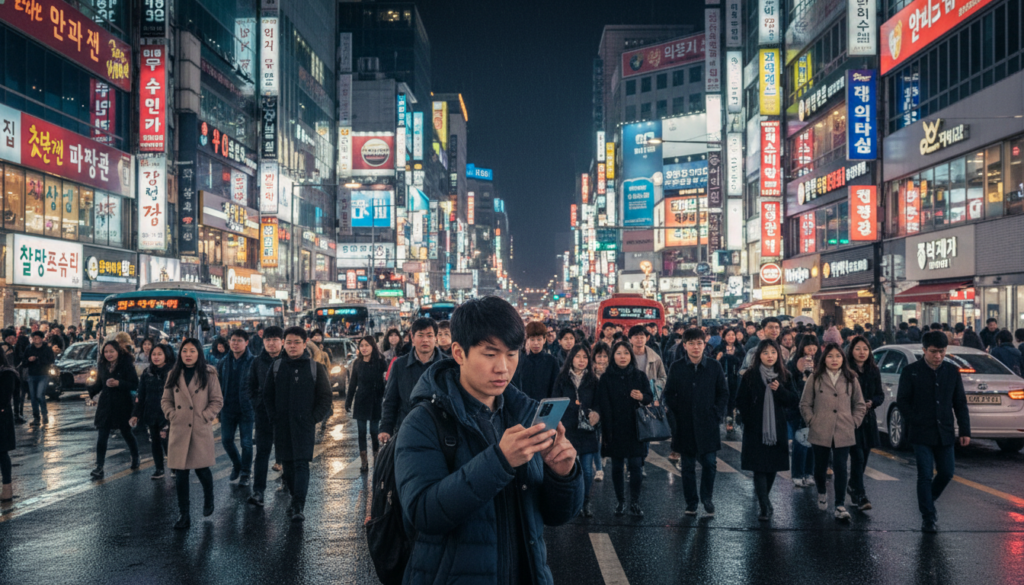
If you are planning a trip or a move, you will find that English is widely used in the public transportation system, major hotels, and popular tourist districts. However, as you move toward rural areas or interact with the older generation, English proficiency drops significantly. During my years living in Seoul, I found that while “survival Korean” is helpful, you can navigate daily life effectively using a combination of English, translation apps, and “Konglish.”
Key Takeaways for English Speakers
- High Proficiency Areas: English is most common in Seoul (Itaewon, Hongdae, Gangnam) and near US military bases (Pyeongtaek).
- Generational Gap: People under 40 generally have better English comprehension due to intensive school curricula.
- Essential Tools: Naver Map and Papago are more reliable than Google Maps and Google Translate in Korea.
- Public Services: Major subways, buses, and airports provide English announcements and signage.
- Emergency Help: Dial 1330 for the Korea Travel Helpline, which offers 24/7 English assistance.
Are There English Speakers in South Korea? A Deep Dive into Proficiency
When asking are there English speakers in South Korea, it is important to distinguish between “speaking English” and “understanding English.” South Korea consistently ranks as “Moderate Proficiency” on the EF English Proficiency Index (EF EPI), often scoring higher than neighboring Japan.
From my experience, the Korean education system focuses heavily on English reading and grammar. This means a local might understand your written question perfectly but feel shy or hesitant to speak back to you in English. This “output gap” is a common cultural hurdle, but it doesn’t mean they don’t understand you.
English Proficiency by Demographic
| Demographic Group | Proficiency Level | Best Approach |
|---|---|---|
| Students/Gen Z | High (Academic) | Speak slowly; they often understand slang from social media. |
| Business Professionals | Moderate to High | Use clear, professional English; common in Gangnam/Pangyo. |
| Service Workers (Tourism) | High | Found in hotels, airports, and major shopping malls (Lotte, Shinsegae). |
| Taxi Drivers/Elderly | Low | Have your destination written in Hangul (Korean script). |
| Medical Staff | Moderate (Technical) | Seek out “International Clinics” in major hospitals. |
Top Locations to Find English Speakers in South Korea
If you are worried about the language barrier, sticking to “International Zones” will make your transition much smoother. These areas are hubs for expats, international students, and English-speaking locals.
Seoul: The International Hub
In the capital city, English is everywhere. Specifically, Itaewon is known as the “foreigner district.” Here, almost every restaurant owner and shopkeeper speaks fluent English. Hongdae (near universities) and Gangnam (the business heart) also boast high English literacy.
Pyeongtaek: The Military Presence
Home to Camp Humphreys, the largest overseas US military base, Pyeongtaek is a haven for English speakers. The “Anjeong-ri” area outside the base feels like a slice of America, with English menus and English-speaking staff as the standard.
Busan: The Coastal Connection
In districts like Haeundae and Gwangan, the tourism industry ensures that most staff speak functional English. Because Busan hosts major international events like the Busan International Film Festival (BIFF), the city is very well-equipped for English-speaking visitors.
Navigating Daily Life: When English Isn’t Enough
Even though there are English speakers in South Korea, you will inevitably run into situations where communication stalls. We have found that the most successful travelers and expats use a “Tech-First” approach to bridge the gap.
Essential Apps for English Speakers
- Naver Map: Unlike Google Maps, which is often outdated in Korea, Naver Map provides real-time English navigation for walking and public transit.
- Papago: Developed by Naver, this is the gold standard for Korean-English translation. Its “Image Translation” feature is a lifesaver for reading menus and medication labels.
- Kakao T: The Korean version of Uber. You can set the interface to English, type your destination, and pay via the app so you don’t have to explain directions to the driver.
The “Konglish” Phenomenon
You might already know more Korean than you think! Konglish refers to English words that have been adopted into the Korean language with slightly different pronunciations or meanings.
- Syel-ka (Self-cam): A selfie.
- A-peu-teu: Apartment.
- Ma-teu: Mart or grocery store.
- Seo-bi-seu (Service): Something given for free (like a free appetizer).
Working and Living as an English Speaker
Many people asking are there English speakers in South Korea are considering moving there for work. The most common career path is English Education (EPIK or Hagwons).
The Job Market for English Speakers
While teaching is the most accessible route, the “Global Korea” initiative has opened doors in other sectors. We have seen a surge in English-speaking roles within:
- Tech & Gaming: Companies like Samsung, LG, and NCSoft frequently hire international talent for global marketing and software development.
- Startups: The Seoul Global Startup Center supports English-speaking entrepreneurs looking to enter the Asian market.
- Modeling & Acting: There is a niche but consistent demand for “Western-looking” individuals in Korean advertising and TV (K-Dramas).
Practical Advice for Your First 48 Hours in Korea
To minimize stress, follow these steps immediately upon landing at Incheon International Airport (ICN):
- Get a SIM Card/eSIM: Visit the LG U+ or SK Telecom booths. They speak perfect English and will set up your data so you can use translation apps.
- Purchase a T-Money Card: This is your “everything card” for subways, buses, and even convenience stores like CU or GS25.
- Download 1330 Korea Travel Log: This app connects you to a live translator for free. If you are at a restaurant and cannot communicate, the 1330 operator will talk to the waiter for you.
- Look for the “English” Button: On every ATM, subway kiosk, and self-service restaurant screen, there is almost always a “Language” or “English” button in the top or bottom corner.
Frequently Asked Questions (FAQ)
Can I survive in South Korea only speaking English?
Yes, you can easily survive as a tourist in major cities using only English. For long-term living, however, learning basic Hangeul (the alphabet) is highly recommended for reading signs and labels.
Do taxi drivers in Korea speak English?
Generally, no. Most taxi drivers are from an older generation. It is best to use the Kakao T app or have your destination written in Korean on your phone to show the driver.
Is English taught in South Korean schools?
Yes, English is a mandatory subject starting from elementary school. While most Koreans have a high level of reading and writing proficiency, they may lack confidence in conversational English due to a lack of practice with native speakers.
Are menus in Korea available in English?
In tourist areas like Myeongdong or Insadong, almost all menus are bilingual. In local “hole-in-the-wall” spots, you may need to use the Papago camera feature to translate the wall menus.
What is the best city for English speakers in Korea?
Seoul is by far the best city for English speakers. It offers the highest density of bilingual signs, international healthcare, and English-speaking social communities.