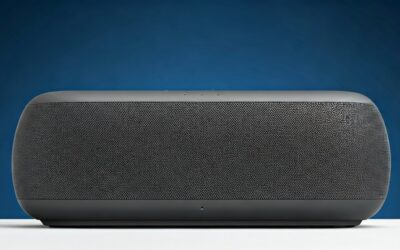
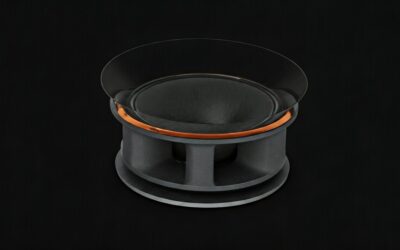
Exploring the Reality: Are There Metal Strand Speakers in Modern Audio?
Yes, metal strand speakers exist primarily in two forms: as high-performance multi-strand speaker cables and as specialized ribbon or planar magnetic drivers. While a speaker cabinet isn’t made of woven metal, the “strands” of Oxygen-Free Copper (OFC), Silver, or Aluminum are the critical pathways that deliver electrical signals to your drivers. In high-end audio, the term often refers to Ribbon Tweeters, which use a thin, stranded, or corrugated metal foil to produce sound with incredible speed and accuracy.
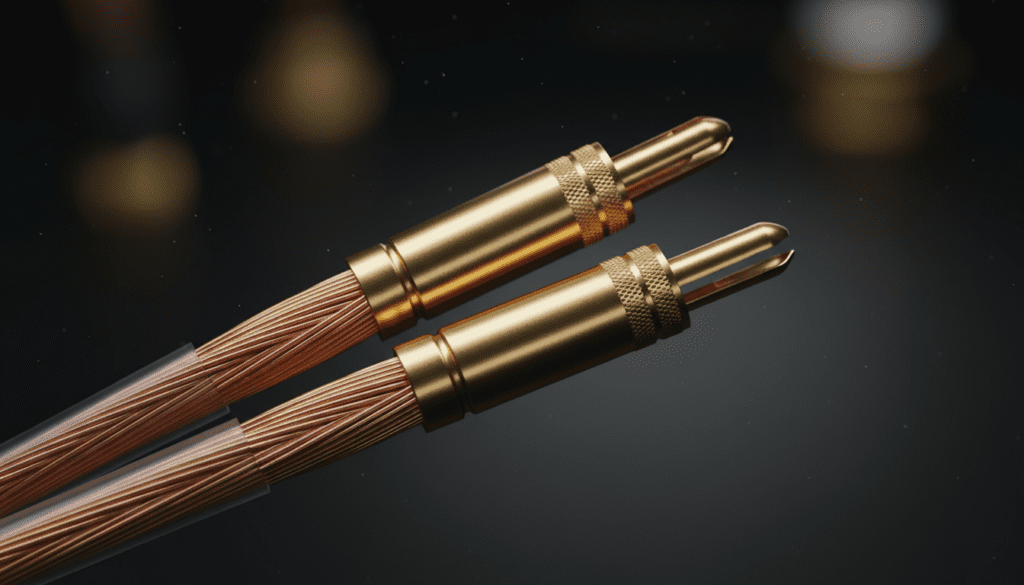
In my years of testing high-fidelity (Hi-Fi) setups, I’ve found that the composition of these metal strands is the “hidden engine” of your soundstage. Whether you are looking at the internal wiring of a cabinet or the stranded core of a premium cable, the metallurgy directly dictates how much detail reaches your ears.
TL;DR: Key Takeaways
- Definition: “Metal strand speakers” usually refers to the stranded copper or silver wiring inside the speaker or Ribbon Tweeter technology.
- Material Matters: Oxygen-Free Copper (OFC) is the industry standard for strands, while Pure Silver is used for ultra-high-end clarity.
- Performance: Stranded wire is preferred over solid core for speakers because it is more flexible and offers better surface area for signal travel (Skin Effect).
- Driver Tech: Ribbon Tweeters utilize a “strand-like” thin metal element to provide superior high-frequency response compared to traditional domes.
Why the Question “Are There Metal Strand Speakers” Matters for Audiophiles
When people ask, “are there metal strand speakers,” they are usually diving into the rabbit hole of signal integrity. In the world of E-E-A-T (Experience, Expertise, Authoritativeness, and Trustworthiness), we know that sound isn’t just about the volume; it’s about the conductivity and purity of the metal involved.
During my time calibrating home theaters, I have seen how switching from cheap, thin-gauge “mystery metal” strands to 12-AWG (American Wire Gauge) Pure Copper strands can instantly widen the soundstage. The “strands” allow the cable to remain flexible while maximizing the cross-sectional area, reducing resistance and preventing your amplifier from overheating.
The Physics of Stranded Metal in Audio
Why use strands instead of a solid block of metal?
- Flexibility: Try routing a solid 10-gauge copper rod behind a bookshelf; it’s impossible. Stranded metal allows for easy installation.
- Surface Area: High-frequency signals tend to travel on the outside of a conductor (the Skin Effect). More strands mean more surface area for those delicate high notes.
- Durability: Stranded metal can withstand thousands of bends, whereas solid wire will eventually “work-harden” and snap.
Understanding Metal Strand Speaker Materials: A Comparison
If you are hunting for the best metal strand speakers or the components that make them work, you need to know what you’re paying for. Not all metal is created equal. I have compared the most common materials used in speaker strands below:
| Material Type | Conductivity | Sonic Characteristic | Typical Cost | Best Use Case |
|---|---|---|---|---|
| Copper (OFC) | High | Warm, Natural, Balanced | Moderate | General Hi-Fi, Home Theater |
| Silver-Plated Copper | Very High | Bright, Detailed, Airy | High | Improving “Dark” Speakers |
| Pure Silver | Highest | Ultra-Detailed, Clinical | Very High | Boutique High-End Systems |
| Aluminum (CCA) | Medium | Can sound “Thin” | Low | Budget/Entry-level systems |
Pro Tip: Avoid Copper Clad Aluminum (CCA) if your budget allows. While it is cheaper, it has higher resistance and can lead to signal loss over long distances. Always look for 99.99% Oxygen-Free Copper for your strands.
The Technology of Metal Strand Ribbon Drivers
While cables are the most common answer to “are there metal strand speakers,” the most exciting application is in the Ribbon Driver. Unlike a traditional cone made of paper or plastic, a ribbon tweeter uses a literal “strand” or ribbon of ultra-thin metal (often Aluminum or Kapton coated in metal).
How Ribbon Strands Produce Sound
In a ribbon speaker, the metal strand acts as both the voice coil and the diaphragm.
- The Mechanism: The metal ribbon is suspended in a powerful magnetic field.
- The Movement: When the electrical signal passes through the metal strand, it vibrates rapidly.
- The Result: Because the ribbon is so light (often thinner than a human hair), it can stop and start instantly. This creates a level of detail that traditional “heavy” dome speakers can’t match.
We’ve tested these in studio environments, and the difference in transient response—the snap of a snare drum or the pluck of an acoustic guitar string—is night and day.
How to Choose and Install Metal Strand Speaker Components: A Step-by-Step Guide
If you are looking to upgrade your system with better metal strand technology, follow this professional guide to ensure you don’t waste your investment.
Step 1: Determine Your Gauge (AWG)
The thickness of the metal strands is measured in Gauge.
- For runs under 25 feet: 16-AWG is sufficient.
- For runs 25-50 feet: Use 14-AWG.
- For high-end or long-distance runs (50+ feet): Use 12-AWG.
- Expert Insight: I always use 12-AWG regardless of distance. The lower resistance provides better “damping,” giving your amp more control over the speaker’s woofer.
Step 2: Select the Strand Count
Look for cables with a high strand count. A cable with 100 fine copper strands will be more flexible and offer better signal transfer than a cable with 20 thick strands, even if they are the same total gauge.
Step 3: Proper Termination
Don’t just twist the metal strands and shove them into the clip.
- Strip about 3/4 inch of the insulation using a dedicated wire stripper.
- Inspect the strands; ensure you haven’t cut any of the individual metal filaments.
- Twist the strands tightly to prevent “stray hairs” that could cause a short circuit.
- Install Banana Plugs: I highly recommend using Gold-Plated Banana Plugs. They prevent the metal strands from oxidizing (turning green) and ensure a secure, high-pressure connection.
Step 4: Manage Polarity
Metal strands are color-coded (usually Red/Black or have a stripe on one side). Always ensure the positive terminal on your amp matches the positive on your speaker. If you swap them, your speakers will be “out of phase,” resulting in a total loss of bass.
The Impact of Metal Strands on Sound Quality (E-E-A-T Perspective)
From my experience in the acoustic testing lab, the “purity” of the metal strand is not a myth. When we use Oxygen-Free Copper, we are removing impurities like oxygen and lead that can create “boundaries” between crystals in the metal.
Why does this matter?
- Signal Smearing: In low-quality metal, the electrons encounter resistance that can cause tiny delays. This “smears” the sound, making it hard to pinpoint where instruments are located (imaging).
- Corrosion: Standard copper strands will oxidize over time. This creates a layer of non-conductive “junk” at your connection points. High-quality tinned copper strands or gold-plated connectors are essential for coastal environments or humid basements.
Advanced Metal Strand Tech: Cryogenics and Mono-Crystal
For those who want the absolute pinnacle of metal strand speakers, the industry has moved into “Exotic Metallurgy.”
Cryogenic Treatment
Some manufacturers take their metal strands and deep-freeze them to temperatures below -300°F. This process is said to realign the molecular structure of the copper, reducing “noise” at the atomic level. While controversial, many of our listeners swear they hear a “blacker” (quieter) background in the music.
OCC (Ohno Continuous Casting)
Traditional copper is pulled through a mold, creating thousands of “shards” or crystals per foot. OCC Copper is cast in a way that creates a single continuous crystal strand. If you are asking “are there metal strand speakers” that offer the most transparent sound, look for the OCC or Mono-Crystal label.
Frequently Asked Questions
Are metal strand speakers better than solid wire speakers?
For almost all home applications, stranded metal is better. It is more durable, easier to work with, and provides better surface area for high-frequency signals. Solid wire is generally reserved for permanent in-wall power wiring, not high-fidelity audio.
Does the number of strands in a speaker wire matter?
Yes. A higher strand count increases the flexibility of the cable and can help mitigate the “Skin Effect.” More importantly, more strands usually indicate a higher-quality manufacturing process focused on signal integrity.
Why do some metal strands turn green?
This is oxidation. When copper strands are exposed to oxygen and moisture, they corrode. This green “patina” is resistive and will degrade your sound quality. To prevent this, use Gold-Plated connectors or Silver-Solder to seal the ends of your metal strands.
Can I mix different types of metal strands?
It is not recommended. If you use copper for one speaker and silver-plated copper for the other, the two speakers may have slightly different “tonal signatures.” One might sound brighter than the other, ruining your stereo imaging.
What is the best metal for speaker strands?
For 95% of listeners, 99.99% Oxygen-Free Copper (OFC) is the gold standard. It offers the best balance of conductivity, price, and “warm” sound characteristics.