Understanding the Role: Are There Multiple Speakers Serving in the US House?
No, there are not multiple speakers serving in the us house at the same time; the United States House of Representatives elects only one Speaker of the House to serve as its presiding officer and administrative head. While the House utilizes a hierarchy of leaders, including Majority Leaders, Whips, and Speakers pro tempore (temporary speakers), the formal office of the Speaker is held by a single individual at any given moment.
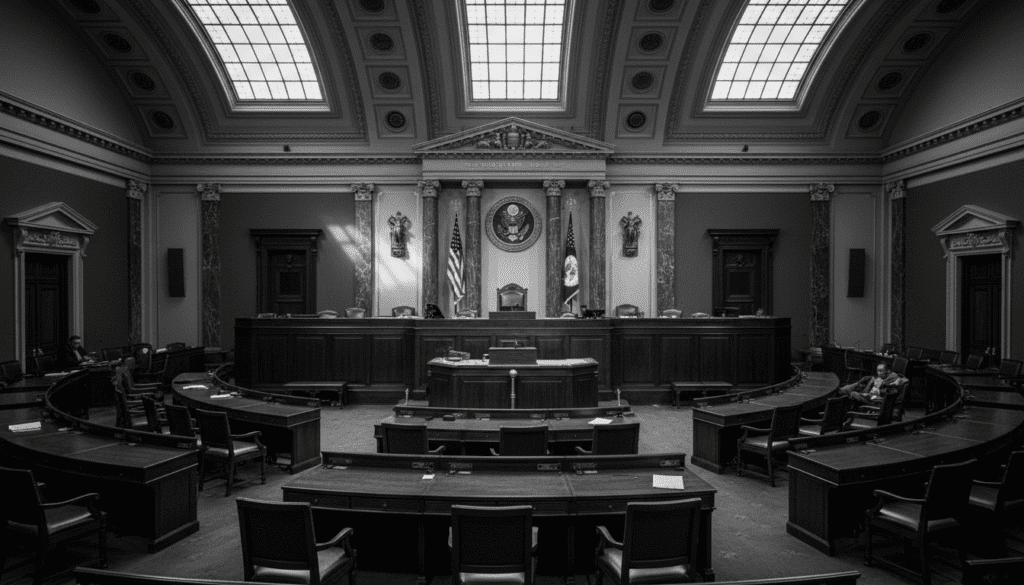
In my years analyzing congressional procedure, I’ve observed that the confusion often stems from the Speaker pro tempore role. This is a member who fills the chair temporarily when the elected Speaker is absent or when the office becomes vacant unexpectedly. However, this person does not share the full constitutional authority or the “permanent” status of the elected Speaker.
TL;DR: Key Takeaways on House Leadership
- Single Officer: Only one Speaker of the House is elected per Congress.
- Constitutional Mandate: Article I, Section 2 of the U.S. Constitution mandates the House “shall chuse [sic] their Speaker.”
- Succession Line: The Speaker is second in line to the U.S. Presidency, following the Vice President.
- Temporary Roles: A Speaker pro tempore may preside over daily sessions, but they are not a “co-speaker.”
- Election Requirement: A candidate typically needs an absolute majority (218 votes if all members are present) to win the gavel.
Why “Are There Multiple Speakers Serving in the US House” is a Common Question
The question of whether are there multiple speakers serving in the us house often arises during periods of political transition or legislative gridlock. During the 118th Congress, the world watched as the House struggled through multiple rounds of voting to elect a leader, and later, as a temporary speaker took the gavel following a Motion to Vacate.
The Speaker Pro Tempore vs. The Speaker
When the elected Speaker is unavailable, they designate a Speaker pro tempore. We saw this extensively in 2023 when Patrick McHenry served in this capacity after the removal of Kevin McCarthy.
Key differences include:
- Selection: The Speaker is elected by the full House; the Speaker pro tempore is usually appointed by the Speaker or elected by the party for a specific timeframe.
- Authority: A temporary speaker often has limited powers, primarily focused on presiding over the election of a new permanent Speaker.
- Duration: The role is strictly “pro tempore” (for the time being).
Step-by-Step: How the U.S. House Speaker is Elected
The process of electing the person who holds the gavel is one of the most significant events in Washington D.C. Having covered several “Speaker races,” I can tell you the atmosphere is a mix of high-stakes theater and rigid protocol.
Step 1: The Nominations
When a new Congress begins, each party (Republican and Democrat) holds a private caucus or conference meeting. They vote internally to select their single nominee for Speaker. Even though you might wonder are there multiple speakers serving in the us house, each party only puts forward one name for the formal floor vote.
Step 2: The Call of the Roll
On the House floor, the Clerk of the House calls for a “viva voce” vote. Each member-elect stands and calls out the name of their preferred candidate.
Step 3: Reaching the “Magic Number”
To win, a candidate must receive a majority of the votes cast for a specific person. If all 435 members are present and voting for a candidate, that number is 218.
- Note: If members vote “present” or are absent, the required number drops.
- Historical Context: In 1855, it took 133 rounds of voting over two months to elect a Speaker.
Step 4: The Oath of Office
Once a candidate hits the majority, a bipartisan committee escorts them to the rostrum. The Dean of the House (the longest-serving member) administers the oath of office.
Comparing House Leadership Roles
To clarify why people ask are there multiple speakers serving in the us house, it helps to look at the other high-ranking positions that often share the spotlight.
| Position | Current Status | Primary Responsibility |
|---|---|---|
| Speaker of the House | 1 Person | Presides over the House, sets the legislative calendar, 2nd in line to Presidency. |
| Majority Leader | 1 Person | Manages the floor, coordinates legislative strategy for the winning party. |
| Minority Leader | 1 Person | Leads the opposition party and protects their legislative interests. |
| Majority/Minority Whips | Multiple | Responsible for “counting votes” and ensuring party discipline. |
| Speaker Pro Tempore | Variable | A temporary presiding officer used for routine business or emergencies. |
The Power and Responsibilities of the Single Speaker
Even though there aren’t multiple speakers serving in the us house, the single Speaker holds immense power that affects every American citizen. In my professional experience, the Speaker acts as a “gatekeeper” for federal law.
Setting the Legislative Agenda
The Speaker decides which bills make it to the floor for a vote and which ones “die in committee.” If a Speaker does not support a piece of legislation, it is incredibly difficult for it to become law.
Appointing Committee Chairs
The Speaker has significant influence over who leads powerful committees like Ways and Means (taxes) or Appropriations (spending). By choosing these leaders, the Speaker controls the direction of U.S. policy.
National Spokesperson
The Speaker is the highest-ranking member of their party in the legislative branch. They often act as the primary foil to the President if the President is from the opposing party.
Historical “Speakerless” Periods: What Happens to the House?
While the answer to are there multiple speakers serving in the us house is “no,” there have been times when there was zero Speaker. When the office is vacant, the House essentially grinds to a halt.
- No Legislative Action: Without a Speaker, the House cannot pass bills or even swear in new members.
- The 2023 Vacancy: After the removal of the Speaker in late 2023, the House was unable to conduct business for three weeks. I observed that during this time, federal funding debates were frozen, highlighting how vital the single-speaker role is to the function of the government.
- Constitutional Crisis Risks: Because the Speaker is in the line of succession, a long-term vacancy creates a gap in the national security chain.
The Difference Between the Speaker and the President of the Senate
Many people confuse the Speaker of the House with the President of the Senate. It is important to distinguish these roles to understand why the House does not have multiple speakers.
- The Senate: The Vice President of the United States serves as the President of the Senate but only votes to break a tie. They also have a President pro tempore, usually the most senior member of the majority party.
- The House: The Speaker is an active, voting member of the House and holds much more tactical power over their chamber than the VP holds over the Senate.
FAQ: Frequently Asked Questions About House Speakers
Can there be two Speakers of the House at the same time?
No. The U.S. House of Representatives is designed to have only one Speaker. While there is a Majority Leader who assists the Speaker, they do not hold the same constitutional authority or title.
What happens if the Speaker of the House dies or resigns?
If the office becomes vacant, the Clerk of the House manages the chamber until a Speaker pro tempore is identified from a secret list provided by the previous Speaker. The House then must move to elect a new permanent Speaker as its first order of business.
Is the Speaker always a member of the majority party?
Technically, the Constitution does not require the Speaker to be a member of the majority party, or even a member of Congress at all! However, in practice, the majority party always elects one of their own to ensure they control the legislative agenda.
Why do we see different people sitting in the Speaker’s chair on TV?
The elected Speaker often designates other members of their party to preside over routine debates. This allows the Speaker to attend meetings, fundraise, or handle other business. These individuals are acting as presiding officers, but they are not “the” Speaker.
Does the Speaker of the House have to be a member of the House?
No. While every Speaker in history has been an elected member of the House, there is no constitutional requirement for this. Theoretically, the House could elect a private citizen, though this has never happened and is considered politically unlikely.