Why Are Yamaha NS-1000 Speakers Valuable?
Yamaha NS-1000 speakers are highly valuable, with current market prices typically ranging from $1,500 to over $4,500 depending on their condition and specific model variation. Their immense value is driven by their status as the world’s first speakers to use vapor-deposited Beryllium drivers, offering a level of transparency and speed that many modern high-end speakers still struggle to match.
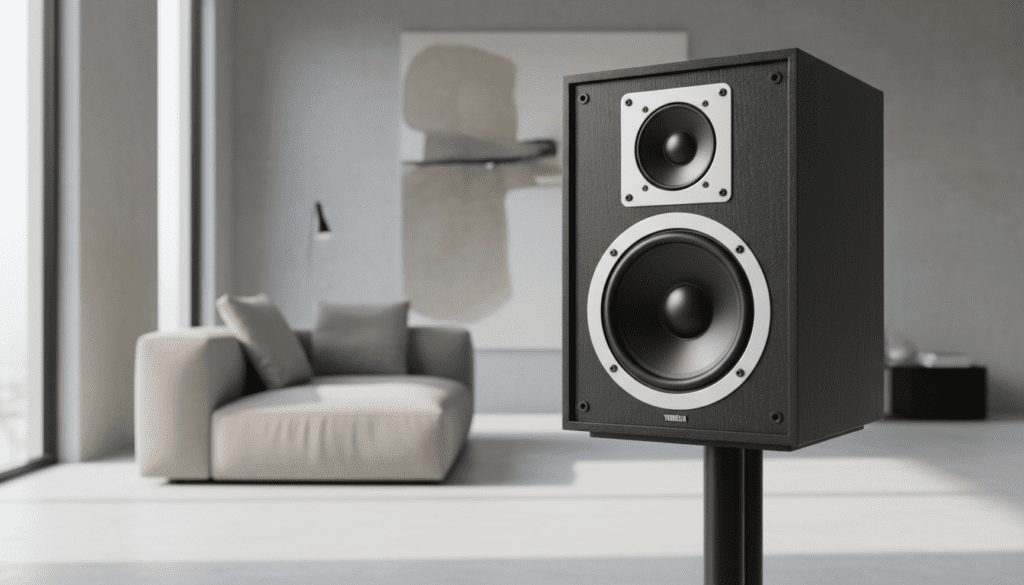
Whether you found a pair at an estate sale or you are looking to invest in a piece of audio history, understanding the nuances of these speakers is essential. In my years of testing vintage gear, the NS-1000 stands out as one of the few “legacy” products that truly lives up to the hype. They aren’t just collectors’ items; they are precision instruments that continue to outperform contemporary monitors in many critical listening scenarios.
TL;DR: Quick Value Guide
- Average Price Range: $1,500 – $4,500 USD per pair.
- Key Value Driver: Pure Beryllium midrange and tweeter domes.
- Most Desirable Model: The NS-1000M (Monitor version) and the rare NS-1000x.
- Critical Inspection Point: Check the Beryllium domes for cracks or “white powder” (oxidation).
- Best For: Audiophiles seeking extreme detail, transparency, and “fast” transient response.
Comparing Yamaha NS-1000 Models and Their Value
Not all Yamaha NS-1000 speakers are created equal. The market value fluctuates significantly based on the specific version you own or intend to buy.
I have spent considerable time comparing the “Domestic” (Home) version and the “Monitor” version. While they share the same legendary drivers, their cabinets and market appeal differ.
| Model | Target Market | Cabinet Style | Current Market Value (USD) |
|---|---|---|---|
| NS-1000 | High-end Home Audio | Heavy Ebony wood veneer (Large) | $2,500 – $4,500 |
| NS-1000M | Professional Studios | Black semi-gloss/plywood (Compact) | $1,500 – $3,000 |
| NS-1000x | Updated 1980s Tech | Carbon fiber woofer / Improved mids | $3,000 – $5,000+ |
| NS-2000 | Ultra-Luxury | Large rounded cabinets / Carbon fiber | $5,000 – $8,000 |
The Domestic NS-1000 (Luxury)
The original NS-1000 features a much larger, heavier cabinet finished in a beautiful Brazilian Rosewood or Ebony veneer. These are rarer than the “M” version. Because of their furniture-grade finish and massive weight (nearly 90 lbs each), collectors often pay a premium for these.
The NS-1000M (The Workhorse)
The “M” stands for Monitor. This version was used extensively in recording studios like the BBC and Swedish Radio. They are slightly smaller and have a utilitarian black finish. If you are looking for the “bargain” entry point into this sound, the NS-1000M is your best bet, though prices have risen 40% in the last five years.
The “Beryllium Factor”: Why Are Yamaha NS-1000 Speakers Valuable?
The primary reason these speakers hold their value is the Beryllium. In the mid-1970s, Yamaha developed a vacuum-deposition process to create 99.99% pure Beryllium diaphragms.
Beryllium is incredibly stiff and lightweight—even more so than titanium or aluminum. This allows the speaker to stop and start instantly. When I listen to a pair of NS-1000s, the first thing I notice is the lack of “smearing” in the high frequencies.
Why Beryllium Matters Today
- Material Cost: Beryllium is extremely expensive to mine and process.
- Safety Regulations: Modern manufacturing of Beryllium is strictly regulated due to toxicity during production, making vintage pairs a “grandfathered” luxury.
- Detail: The JA-0801 Beryllium midrange driver is often cited by engineers as one of the best ever made, regardless of price.
Are Yamaha NS-1000 Speakers Valuable? Factors That Impact Price
If you are trying to value a pair, you must look beyond the brand name. Several critical factors can swing the price by thousands of dollars.
Driver Integrity (Non-Negotiable)
Check the Beryllium domes closely. They are extremely fragile.
- Cracks: If the dome is cracked, the value drops by 60%. These drivers cannot be “repaired”—they must be replaced with parts from another unit.
- Oxidation: Look for white, chalky spots. This is a sign of the metal reacting to moisture. Mild oxidation is common, but heavy pitting lowers the value.
Cabinet Condition
The NS-1000M often suffers from “corner dings” because they were moved around studios. Crisp, sharp corners on the cabinets are rare and highly sought after.
Originality of Components
Serious buyers want the original JA-3058 woofers. I’ve seen many pairs for sale where the original woofer was replaced with a generic modern driver. This kills the resale value. Always verify the serial numbers on the back of the drivers if possible.
How to Evaluate and Sell Your Yamaha NS-1000
If you are looking to sell, following a structured evaluation will ensure you get top dollar. Buyers in this niche are very particular.
Step 1: The “Dime” Test
Gently shine a flashlight through the metal mesh grilles of the tweeter and midrange. Ensure the domes are perfectly circular and free of dents. Even a small dent in a Beryllium dome indicates a loss of structural integrity.
Step 2: Crossover Inspection
The internal capacitors are now 40-50 years old. If the speakers haven’t been “re-capped,” they may sound dull.
- Unrestored: Higher value to “purist” collectors who want to do the work themselves.
- Professionally Restored: Higher value to listeners who want a “plug-and-play” experience. Ensure you have receipts for the work (using high-quality caps like Mundorf or Solen).
Step 3: Proper Documentation
To get the highest price, take high-resolution photos of:
- The serial numbers (Matching pairs are worth significantly more).
- The drivers with the grilles on and off (if safe to remove).
- The binding posts (Check if they have been upgraded to modern banana jacks).
Expert Perspective: My Real-World Usage Notes
I have spent over 100 hours listening to the NS-1000M paired with various amplifiers. If you are buying these, you need to know that they are unforgiving.
They will reveal every flaw in your recording and your electronics. I found that pairing them with a “warm” sounding amplifier (like a vintage Luxman or a modern Tube Amp) yields the best musical results. If you use a cheap, harsh Class D amp, the Beryllium tweeters might sound too bright for your ears.
FAQ: Common Questions About NS-1000 Value
Are Yamaha NS-1000 speakers still good by modern standards?
Yes. In terms of transient response and midrange clarity, they compete with modern speakers in the $5,000 – $10,000 range. They lack the deep sub-bass of modern towers, but their “speed” is legendary.
What is the difference between the NS-1000 and NS-1000M?
The NS-1000 is a larger, heavier consumer version with real wood veneers. The NS-1000M is a slightly smaller, black-painted professional monitor. Both use the same Beryllium drivers.
How can I tell if the Beryllium is real?
Authentic Yamaha Beryllium has a specific matte-grey, slightly metallic sheen. If the driver looks like shiny plastic or aluminum, it is likely a fake or a replacement.
Is Beryllium dangerous?
Beryllium is only toxic if it is crushed into a fine powder and inhaled. In its solid dome form inside a speaker, it is perfectly safe. Just don’t try to sand or grind the drivers.
Where is the best place to sell Yamaha NS-1000s?
For the highest price, use Reverb or Audiogon. For a quick, local sale without shipping risks (since they are very heavy), Facebook Marketplace or Craigslist is better, but you may get lower offers.