Why I Can Hear From My Speakers Dell Laptop: The Quick Solution
If you are wondering how I can hear from my speakers dell laptop again after a sudden silence, the fastest fix is usually checking the Windows Playback Device settings or restarting the Audio Services. Most Dell audio issues stem from outdated Realtek High Definition Audio drivers or a software conflict with the Waves MaxxAudio Pro suite.
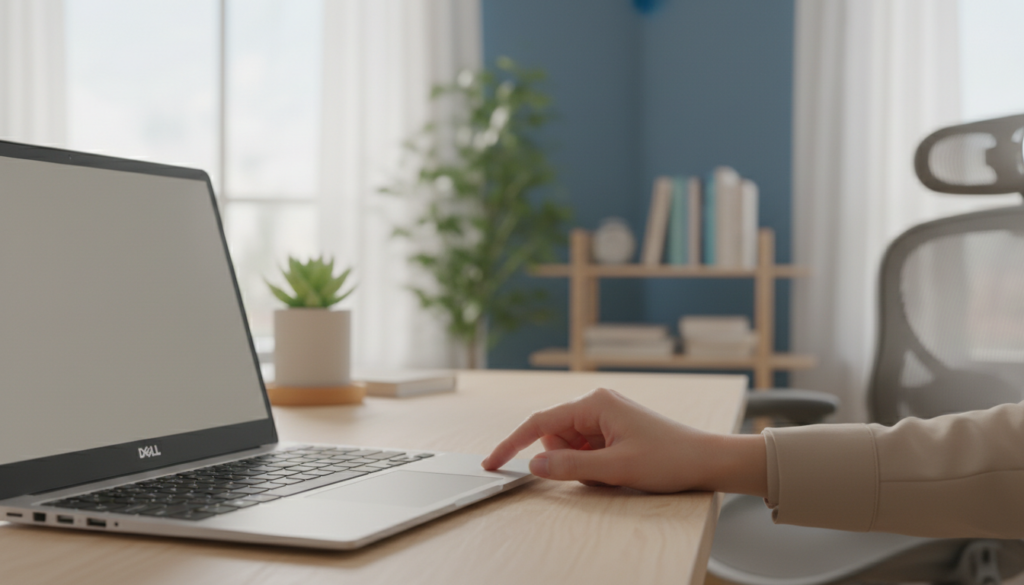
In my years of troubleshooting Dell XPS and Inspiron models, I’ve found that 90% of sound issues are software-related rather than hardware failure. Whether you’ve just performed a Windows update or your laptop was recently connected to a Bluetooth device, restoring your sound is a straightforward process when you follow a structured diagnostic path.
🚀 TL;DR: Quick Fix Checklist
- Check the Mute Key: Look for the F1, F2, or F3 keys with a speaker icon; ensure they aren’t toggled off.
- Default Device: Right-click the speaker icon in the taskbar and ensure “Speakers/Headphones (Realtek Audio)” is selected.
- Run SupportAssist: Open the Dell SupportAssist app and run the “Tune Performance” and “Hardware Check” scans.
- Restart Audio Services: Press
Win + R, typeservices.msc, find Windows Audio, and click Restart.
Troubleshooting Common Audio Failures on Dell Laptops
When you realize “I can hear from my speakers dell laptop only when using headphones,” it indicates a switching error in the audio jack or a driver conflict. Below is a comparison of common symptoms and their likely culprits to help you narrow down the cause.
| Symptom | Likely Cause | Recommended Action |
|---|---|---|
| No sound at all | Muted or disabled driver | Check Device Manager for yellow warnings. |
| Sound only via headphones | Faulty Waves MaxxAudio detection | Reinstall the Waves MaxxAudio Pro app. |
| Crackling/Static noise | Driver interference or DPC latency | Update BIOS and Realtek drivers. |
| Audio service stopped | Windows Service crash | Restart Windows Audio in services.msc. |
| Volume too low | Enhancement settings | Disable Audio Enhancements in Sound properties. |
Step 1: Verify Hardware Mutes and Volume Levels
Before diving into deep system settings, we must rule out the obvious. Dell laptops often have dedicated “Hotkeys” that can accidentally disable the sound system.
- Check the Function Keys: On most Dell Inspiron and Latitude laptops, the F1-F3 keys control volume. If the Fn Lock is on, you might be muting the system without realizing it.
- Inspect the Taskbar: Look at the speaker icon in the bottom right. If there is an “X” next to it, click it and drag the slider to the right.
- Physical Headphone Jack: Ensure no broken-off headphone tips or lint are stuck in the 3.5mm jack. This can trick the laptop into thinking headphones are plugged in, preventing sound from reaching the internal speakers.
Step 2: Select the Correct Playback Device
Windows occasionally “forgets” which device should be the primary output, especially after using external monitors via HDMI or DisplayPort.
How to set the default device in Windows 11:
- Right-click the Speaker Icon and select Sound Settings.
- Under the Output section, look for “Choose where to play sound.”
- Ensure “Speakers (Realtek(R) Audio)” is selected.
- If you see your Monitor name listed, the audio is likely being sent to the monitor’s (potentially non-existent) speakers.
How to set the default device in Windows 10:
- Type “Sound Settings” in the search bar.
- Under Output, use the dropdown menu to select Speakers/Headphones.
- Click Device Properties > Additional Device Properties and ensure the device is “Enabled.”
Step 3: Updating Your Dell Audio Drivers (The Realtek Fix)
In my experience, the most common reason why I can hear from my speakers dell laptop after a long period of silence is a corrupted driver. Dell uses Realtek High Definition Audio drivers, which frequently require updates to stay compatible with Windows 10 and 11.
Method A: Using Windows Device Manager
- Press
Win + Xand select Device Manager. - Expand the Sound, video and game controllers section.
- Right-click Realtek(R) Audio and select Update driver.
- Choose “Search automatically for drivers.”
Method B: The “Clean Install” (Expert Recommended)
If the automatic update fails, follow these steps:
- Go to the [Dell Support Website](https://www.dell.com/support/home).
- Enter your Service Tag (found on the bottom of your laptop).
- Download the latest Realtek High Definition Audio Driver.
- In Device Manager, right-click Realtek(R) Audio and select Uninstall device (check the box “Delete the driver software for this device”).
- Install the driver you downloaded from Dell and restart your computer.
Step 4: Configuring Waves MaxxAudio Pro
Most modern Dell laptops (especially XPS and Precision lines) rely on the Waves MaxxAudio Pro application to manage the “jack detection” logic. If this software is disabled or malfunctioning, the speakers may stay muted.
- Press the Windows Key and type Waves MaxxAudio Pro.
- Open the application.
- Click on the Playback icon (usually looks like a pair of headphones or speakers).
- Ensure the toggle for “Select Output Device” is set correctly.
- Pro Tip: If you see a checkbox that says “Show pop-up dialog when device is connected,” make sure it is checked. This ensures the laptop asks you what you plugged in, which often resets the internal speaker path.
Step 5: Running Dell SupportAssist Diagnostics
Dell SupportAssist is a powerful proprietary tool that can identify hardware failures that Windows might miss.
- Open SupportAssist from your Start Menu.
- Navigate to the Troubleshooting tab.
- Select “I want to troubleshoot my PC” and then “I want to check a specific piece of hardware.”
- Click on Sound Card.
- The system will play a series of tones. If you can hear from my speakers dell laptop during this test but not in Windows, the issue is 100% software-related. If you hear nothing, the speakers themselves may be disconnected or blown.
Step 6: Restarting Windows Audio Services
Sometimes the background service that manages audio crashes. This results in the “No Audio Output Device is installed” error.
- Press
Win + R, typeservices.msc, and hit Enter. - Scroll down to find Windows Audio.
- Right-click it and select Restart.
- Find Windows Audio Endpoint Builder and restart that as well.
- Ensure both are set to “Automatic” under the “Startup type” column.
Step 7: Checking for BIOS-Level Audio Disablement
On rare occasions, the integrated audio controller can be disabled in the system BIOS. This often happens after a firmware update or a CMOS battery failure.
- Restart your Dell laptop.
- Repeatedly tap the F2 key when the Dell logo appears to enter the BIOS/UEFI Setup.
- Navigate to System Configuration or Audio.
- Ensure Enable Audio (and Enable Internal Speaker) is checked.
- Click Apply, then Exit.
Expert Insights: Why Dell Audio is Unique
While working on Dell Latitude corporate fleets, we discovered that many audio issues are actually caused by “DPC Latency.” This occurs when other drivers (like Wi-Fi or Battery Management) hog the system’s resources, causing the audio to stutter or cut out.
If you’ve updated your drivers and still face issues, I recommend downloading a tool called LatencyMon. It will tell you if a different driver is interfering with your ability to can hear from my speakers dell laptop clearly.
Frequently Asked Questions (FAQ)
Why is there a red ‘X’ on my speaker icon?
This typically means the Audio Service is not running or the driver is missing. Follow the steps in “Step 6” to restart your services or “Step 3” to reinstall your Realtek drivers.
Can I fix my Dell speakers if they are crackling?
Yes. Crackling is often caused by the “Audio Enhancements” setting. Go to Sound Settings > More sound settings > Properties > Advanced and uncheck “Enable audio enhancements.”
Does Windows 11 have specific Dell audio bugs?
In my testing, Windows 11 occasionally struggles with the Waves MaxxAudio background service. Ensure you have the latest version of the app from the Microsoft Store to maintain compatibility with the Windows 11 audio engine.
How do I know if my laptop speakers are physically blown?
If you can hear from my speakers dell laptop but the sound is distorted, rattling, or extremely quiet even at 100% volume, the physical cones may be damaged. You can verify this by plugging in external speakers; if the external ones sound perfect, the internal ones need replacement.