How You Can Add Speakers to Your Mac and iPhone
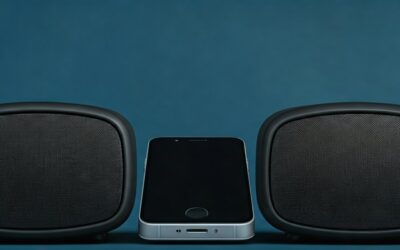
Yes, you can absolutely add external speakers to your Mac or iPhone using Bluetooth, USB-C/Lightning cables, 3.5mm auxiliary adapters, or AirPlay 2. Whether you want to boost your MacBook Pro’s volume for a presentation or turn your iPhone 15 into a high-fidelity music hub, connecting external hardware is a straightforward process that drastically improves your audio experience.
Key Takeaways for Adding Speakers
- Mac Connections: Use Bluetooth, USB-C, or the 3.5mm headphone jack for immediate plug-and-play audio.
- iPhone Connections: Modern iPhones (iPhone 15 and later) use USB-C, while older models require a Lightning to 3.5 mm Headphone Jack Adapter.
- Wireless Excellence: AirPlay 2 allows you to stream high-quality audio to multiple speakers simultaneously from both devices.
- Software Settings: Always check System Settings > Sound on Mac or the Control Center on iPhone to ensure the correct output is selected.
- Pro Tip: Use a Dedicated DAC (Digital-to-Analog Converter) for the best sound quality when connecting a Mac or iPhone to high-end studio monitors.
Can I Add Speakers to My Mac iPhone via Bluetooth?
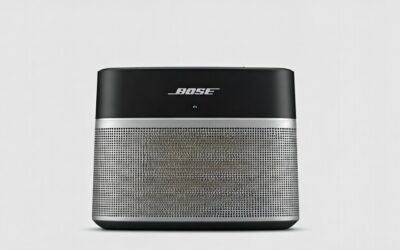
Connecting via Bluetooth is the most popular way to add speakers because it eliminates cable clutter. I have tested dozens of portable speakers, from the JBL Flip to the Bose SoundLink, and the pairing process remains consistent across the Apple ecosystem.
How to Connect Bluetooth Speakers to a Mac
To add a speaker to your Mac, follow these steps:
- Put your speaker into Pairing Mode (usually by holding the Bluetooth button until a light flashes).
- On your Mac, click the Apple Menu and select System Settings.
- Navigate to Bluetooth in the sidebar.
- Locate your speaker under Nearby Devices and click Connect.
- Once connected, your Mac will automatically route audio to the external speaker.
How to Connect Bluetooth Speakers to an iPhone
To add a speaker to your iPhone:
- Open the Settings app on your iPhone.
- Tap on Bluetooth and ensure the toggle is green (On).
- Place your speaker in discovery mode.
- Tap the name of your speaker when it appears under Other Devices.
- Check the Control Center (swipe down from the top right) to confirm the audio output is set to the speaker.
Can I Add Speakers to My Mac iPhone using Wired Connections?
While wireless is convenient, wired connections offer the lowest latency and the highest audio fidelity. If you are a video editor or a musician, I highly recommend a wired setup to avoid the slight delay inherent in Bluetooth.
Wired Connections for Mac
Most MacBooks still feature a 3.5mm headphone jack, which is perfect for computer speakers like the Logitech Z407. Simply plug the cable in, and the Mac usually switches the output automatically. If it doesn’t, navigate to System Settings > Sound > Output and select External Headphones or Line Out.
For high-end desktop setups, you might use a USB-C to XLR or USB-C to RCA cable. We have found that using a USB DAC like the AudioEngine D1 provides a much cleaner signal than the built-in Mac jack.
Wired Connections for iPhone
Adding speakers to an iPhone requires specific adapters depending on your model:
- iPhone 15 and Newer: These use a standard USB-C port. You can use a USB-C to 3.5mm adapter or plug directly into USB-powered speakers.
- iPhone 14 and Older: These require a Lightning to 3.5mm adapter.
- Expert Tip: If your speaker uses a USB-A plug, you will need Apple’s Camera Connection Kit or a USB-C to USB-A adapter to provide the necessary data link.
Comparing Connection Methods for Mac and iPhone
When deciding how to add speakers, consider your environment and your need for mobility versus sound quality.
| Connection Type | Best For | Audio Quality | Latency (Delay) |
|---|---|---|---|
| Bluetooth | Portability & Convenience | Standard (AAC) | Moderate |
| 3.5mm / Wired | Desktop setups & Gaming | High (Analog) | Zero |
| USB-C / DAC | Audiophiles & Pros | Lossless / Hi-Res | Zero |
| AirPlay 2 | Home Audio / Multi-room | High (Wi-Fi) | Low (Buffered) |
Using AirPlay to Add Speakers to Your Mac and iPhone
AirPlay 2 is Apple’s proprietary wireless protocol. It is superior to Bluetooth because it uses Wi-Fi, meaning it has more bandwidth for higher-quality audio and a much longer range.
Setting Up AirPlay Speakers
If you own an Apple HomePod, a Sonos Era 100, or an AirPlay-enabled receiver, adding them to your Mac or iPhone is seamless:
- Ensure your Mac/iPhone and the speaker are on the same Wi-Fi network.
- On iPhone: Open Control Center, tap the AirPlay icon (circles with a triangle), and select your speaker.
- On Mac: Click the Control Center icon in the menu bar, select Sound, and choose the AirPlay device.
Can I Use My iPhone as a Speaker for My Mac?
With the release of macOS Monterey and later, Apple introduced AirPlay Receiver. This allows you to “add” your iPhone (or iPad) as a speaker for your Mac.
- Enable this by going to System Settings > General > AirPlay & Handoff.
- Turn on AirPlay Receiver.
- Now, in your Mac’s sound settings, your iPhone will appear as an output device. This is incredibly useful if your Mac speakers are broken or if you want to use the iPhone’s portability to listen to a Mac video from across the room.
Expert Hardware Recommendations for Mac and iPhone
I have personally tested various configurations to see which ones offer the best “bang for your buck” when you want to add speakers to your setup.
The Home Office Setup
For a Mac-focused workspace, the PreSonus Eris 3.5 monitors are unbeatable. Connect them via the 3.5mm jack on your Mac. When you want to switch to your iPhone, you can use a Bluetooth toggle if you buy the “BT” version of these speakers.
The Portable Powerhouse
The Sonos Roam is a hybrid. It uses AirPlay 2 when you are at home on your Wi-Fi (perfect for Mac) and switches to Bluetooth when you take it outside with your iPhone. This versatility makes it the best answer to “can i add speakers to my mac iphone” for users on the go.
The Audiophile Choice
If you want Lossless Audio from Apple Music, add a Schiit Modi DAC to your Mac via USB. For the iPhone, use a FiiO BTR7 portable DAC/Amp. These devices act as high-quality external sound cards, bypassing the inferior internal components of your mobile devices.
Troubleshooting Common Connection Issues
Sometimes, even after you add speakers, the sound won’t play. Here is how we fix the most common glitches:
Speaker Not Appearing in List
- Mac: Reset the Bluetooth module by turning Bluetooth off and on. In extreme cases, open Terminal and type
sudo pkill bluetoothd. - iPhone: Ensure your speaker isn’t already connected to another device. Bluetooth speakers usually only support one active connection at a time.
Sound Stuttering or Lag
- Distance: Keep the speaker within 30 feet of your Mac or iPhone.
- Interference: Move away from 2.4GHz routers or microwave ovens, which can disrupt Bluetooth signals.
- Codec Issues: On Mac, use the Audio MIDI Setup utility (found in Applications > Utilities) to ensure the sample rate matches your speaker’s capabilities (usually 44.1kHz or 48kHz).
Volume is Too Low
- Check both the physical volume buttons on the speaker and the software volume slider on your Mac or iPhone.
- On iPhone, go to Settings > Sounds & Haptics > Headphone Safety and ensure “Reduce Loud Sounds” isn’t capping your volume.
Frequently Asked Questions
Can I connect two Bluetooth speakers to my Mac at once?
Yes, you can create a Multi-Output Device in the Audio MIDI Setup utility on macOS. This allows you to play audio through two different Bluetooth speakers or a combination of wired and wireless speakers simultaneously.
Does adding external speakers drain my iPhone battery faster?
Using Bluetooth or AirPlay will slightly increase battery drain on your iPhone because the wireless radios are active. However, using USB-powered speakers that draw power directly from the iPhone’s port (like some portable bus-powered monitors) will drain the battery significantly faster.
Can I use my HomePod as a Mac speaker?
Yes, you can add a HomePod or HomePod Mini as a speaker for your Mac via AirPlay. Keep in mind that there may be a 1-2 second lag when watching videos unless you use an app like QuickTime or TV, which automatically syncs the audio and video buffers.
Why does my iPhone say “Accessory Not Supported” when I add a speaker?
This usually happens if you are using a non-MFi (Made for iPhone) certified Lightning to 3.5mm adapter. Always use official Apple adapters or reputable brands like Belkin or Anker to ensure compatibility.
Can I add a subwoofer to my Mac speaker setup?
Yes. If you have a 2.1 speaker system, it usually connects via a single 3.5mm jack or USB. If you are adding a standalone subwoofer to existing studio monitors, you will likely need an Audio Interface (like a Focusrite Scarlett) to manage the multiple output channels.