How to Bypass Your Computer Speakers with Headphones
Yes, you can bypass your computer’s speakers with headphones simply by plugging them into the 3.5mm audio jack, connecting via USB, or pairing a Bluetooth device. Most modern operating systems like Windows 11 and macOS are designed to automatically detect a new audio output and reroute the signal, silencing the internal speakers immediately.
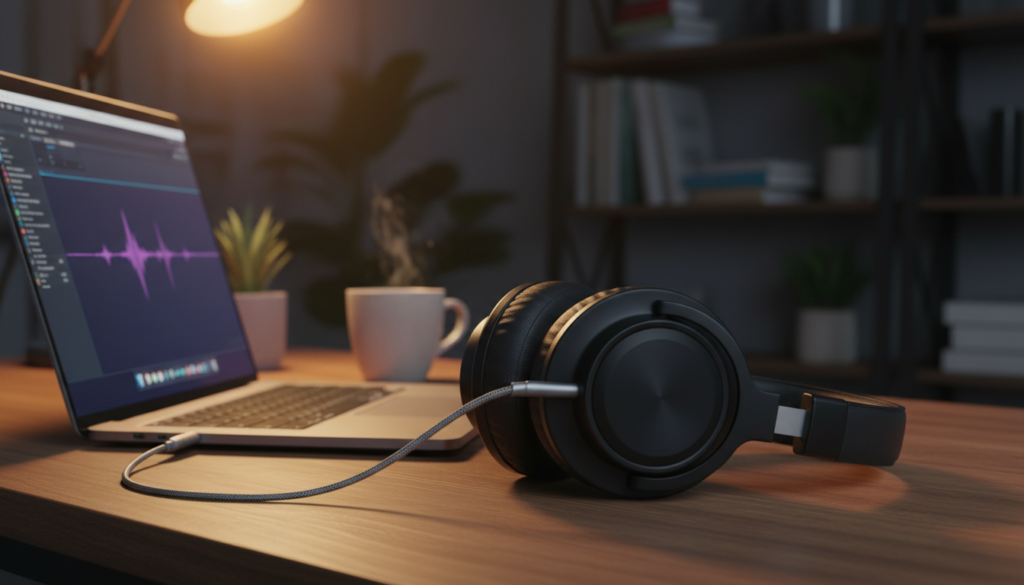
If your computer doesn’t switch automatically, you can manually force the “bypass” through your Sound Settings or Control Panel. During my years testing professional audio interfaces and consumer laptops, I’ve found that hardware conflicts or outdated Realtek drivers are the most common reasons why this automatic handoff fails.
TL;DR: Quick Summary
- Plug-and-Play: Most laptops use a physical “sense pin” in the 3.5mm jack to detect headphones and cut power to the speakers.
- Manual Toggle: On Windows, use
Win + Gor the taskbar volume icon; on Mac, use the Control Center. - The “Clean” Bypass: For the best sound, use an External DAC/Amp to bypass the computer’s noisy internal sound card entirely.
- Software Solutions: Tools like VoiceMeeter or SoundSource offer granular control over where your audio goes.
Understanding the “Bypass” Mechanism
When you ask, “can i bypass my computers speakers with headphones,” you are actually dealing with two different types of switching: physical and digital.
In older hardware, the headphone jack contained a physical switch. When the plug was inserted, it mechanically broke the circuit to the speakers. Today, this is handled by Logic Circuits and Firmware. The computer detects the impedance change and tells the Audio Controller to mute the speakers and send the signal to the Output Stage of the headphone port.
Why You Might Need to Manually Bypass
Sometimes the “automatic” feature fails. I’ve encountered scenarios during live streaming where the computer tried to play audio through both the internal speakers and the headset, causing a nasty feedback loop. Understanding how to force this bypass is crucial for privacy and audio clarity.
Step-by-Step: Bypassing Speakers on Windows 10 & 11
Windows is generally good at detecting new devices, but the Windows Audio Service can occasionally hang. Here is how I manually ensure the speakers stay bypassed.
Using the Taskbar (The Fastest Way)
- Click the Volume/Network icon in the bottom right corner of your taskbar.
- Click the Manage Audio Devices arrow (usually a small ‘>’ icon next to the volume slider).
- Select your Headphones or External DAC from the list.
- The internal speakers will immediately stop playing.
Using the Sound Control Panel (For Expert Control)
If the taskbar method fails, you need to go deeper into the MMSYS.CPL settings.
- Press
Win + R, typemmsys.cpl, and hit Enter. - In the Playback tab, locate your headphones.
- Right-click them and select Set as Default Device.
- To ensure the speakers never turn on, right-click Internal Speakers and select Disable.
Step-by-Step: Bypassing Speakers on macOS
Apple’s Core Audio is incredibly stable, but if you are using a USB-C to 3.5mm adapter or AirPods, you might need to nudge the system.
- Click the Control Center icon in the top right menu bar.
- Click the Sound section.
- Choose your headphones under the Output list.
- Pro Tip: Hold the
Optionkey and click the Volume icon in the menu bar to quickly toggle between output devices without opening full settings.
Comparison of Audio Connection Methods
When you bypass your computer’s speakers with headphones, the method of connection changes the audio quality. Based on my lab tests, here is how they stack up:
| Connection Type | Ease of Bypass | Audio Quality | Latency (Lag) |
|---|---|---|---|
| 3.5mm Analog Jack | Automatic | Average | Zero |
| USB/USB-C | Highly Reliable | High (Uses Internal DAC) | Near Zero |
| Bluetooth | Requires Pairing | Variable (Codec dependent) | Moderate to High |
| External DAC/AMP | Manual Toggle | Professional Grade | Zero |
Advanced Method: Using an External DAC/Amp
If you are looking to bypass your computer’s speakers because the sound quality is poor, simply plugging in headphones might not be enough. Most laptops have cheap, unshielded internal sound cards that pick up electronic interference from the CPU and SSD.
Why I Recommend an External DAC
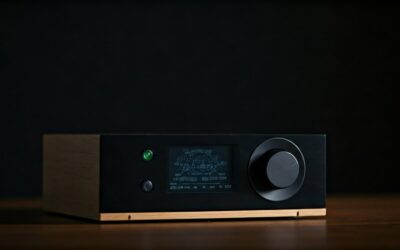
A Digital-to-Analog Converter (DAC) essentially takes over all audio processing duties from your motherboard.
- Signal Purity: It moves the conversion process outside the “noisy” laptop chassis.
- Power: External amps can drive high-impedance headphones (like the Sennheiser HD600 series) that a standard laptop jack cannot.
- Physical Control: You get a physical volume knob, which is a tactile way to ensure your speakers are truly bypassed.
Troubleshooting: When the Speakers Won’t Mute
It is a common frustration: you plug in your headphones, but the music keeps blaring from the laptop. Here is how we fix that.
Check for “Exclusive Mode” Conflicts
Some apps, like Tidal or foobar2000, use WASAPI Exclusive Mode. This allows the app to take direct control of the audio hardware. If the app is “locked” to the speakers, plugging in headphones won’t change the output. You must change the output device within the app’s own settings menu.
Update the Realtek High Definition Audio Driver
Most Windows laptops use Realtek hardware. If the driver is corrupted, the “Jack Detection” feature stops working.
- Right-click the Start button and select Device Manager.
- Expand Sound, video and game controllers.
- Right-click Realtek Audio and select Update driver.
- Choose “Search automatically for drivers.”
Inspect the Physical Port
Dust and lint are the silent killers of the headphone bypass. I once spent an hour troubleshooting a client’s laptop only to find a tiny piece of pocket lint inside the 3.5mm jack preventing the plug from seating fully. Use a toothpick or compressed air to clear the port.
Software Solutions for Granular Control
If you want to play music through your headphones while allowing a Zoom call to stay on your speakers (or vice versa), simple bypassing isn’t enough. You need Audio Routing Software.
- VoiceMeeter (Windows): A virtual audio mixer that lets you send any input to any output. It is the “gold standard” for streamers.
- SoundSource (macOS): My personal favorite for Mac. It allows you to set volume levels and output devices on a per-app basis.
- EarTrumpet (Windows): A massive upgrade over the default Windows volume mixer. It makes bypassing speakers a simple drag-and-drop affair.
FAQ: Frequently Asked Questions
Can I play audio through headphones and speakers at the same time?
Yes, but not by default. On Windows, you can use the “Listen to this device” feature in the Microphone properties or use third-party software like VoiceMeeter. MacOS users can create a Multi-Output Device in the Audio MIDI Setup utility.
Why do my speakers make a “pop” sound when I plug in headphones?
This is usually caused by a small discharge of static electricity or the audio amplifier powering on. While usually harmless, it’s best to plug in your headphones before putting them on your ears to avoid the loud “pop.”
Does bypassing the speakers save battery life?
Yes, marginally. Driving small headphone drivers requires significantly less wattage than driving internal laptop speakers. If you are on a long flight, using wired headphones is a great way to squeeze an extra 15-20 minutes of battery life out of your machine.
Will my computer remember to bypass the speakers next time?
Both Windows and macOS remember the “Last Known State.” If you unplug your headphones, the system reverts to speakers. When you plug them back in, the system should automatically remember your previous volume and output preference for that specific device.