The Reality of Shellac on Speaker Cabinets
Can shellac be applied on speakers? Yes, shellac is an excellent choice for speaker cabinets, providing a classic, warm aesthetic that highlights wood grain better than most modern polyurethane finishes. As a natural resin, it is non-toxic once cured and bonds exceptionally well to wood veneers and solid timber alike. While it is less resistant to heavy impact or extreme heat compared to synthetic lacquers, its ease of repair makes it a top-tier choice for DIY audio enthusiasts who value restoration and natural beauty.
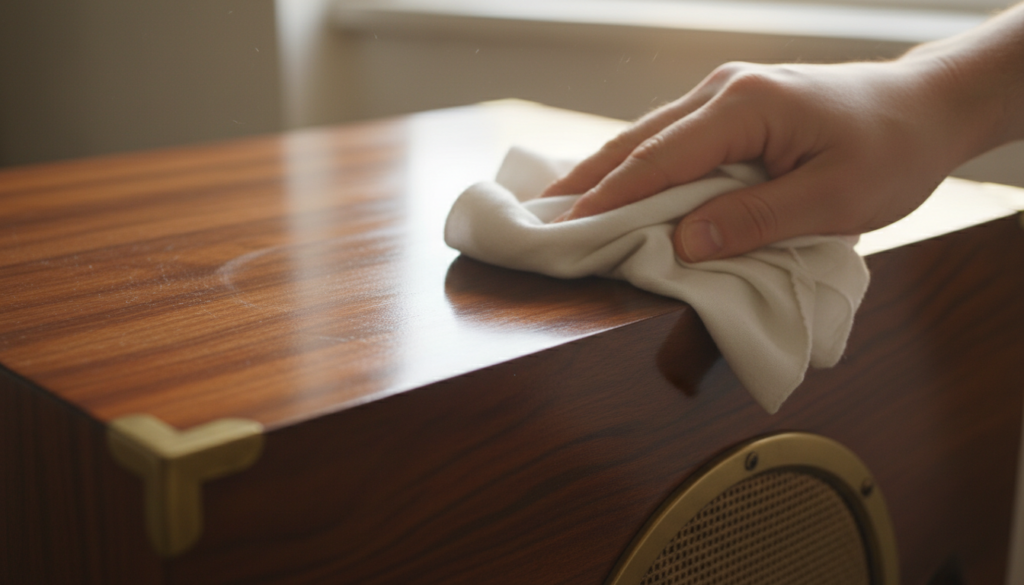
TL;DR: Why Shellac Wins for Speaker Projects
- Aesthetic Appeal: Provides a deep, “chatoyant” glow that makes wood grain pop.
- Ease of Repair: Unlike polyurethanes, shellac can be “melted” back into itself if scratched.
- Natural Origin: Derived from the lac beetle, making it an eco-friendly finishing option.
- Fast Curing: Dries in minutes, allowing for multiple coats in a single afternoon.
- Safety: Once the alcohol solvent evaporates, the finish is completely inert and food-safe.
Why Choose Shellac Over Modern Finishes?
When deciding if shellac can be applied on speakers, you must consider your environment. While polyurethane is “bulletproof,” it often looks plastic. In my experience restoring vintage cabinets, shellac offers a depth of clarity that modern resins simply cannot replicate.
| Feature | Shellac Finish | Polyurethane | Oil Finish |
|---|---|---|---|
| Clarity | Extremely High | Moderate | High |
| Repairability | Excellent | Difficult | Moderate |
| Cure Time | Rapid (Minutes) | Slow (Days) | Slow (Days) |
| Protection | Moderate | High | Low |
Preparing Your Speaker Cabinets for Shellac
Success depends entirely on the substrate. Because shellac is a “film-forming” finish, any imperfection in your wood preparation will be magnified once the gloss is applied.
- Sanding: Sand your speakers starting at 120-grit and progress to 220-grit. Always sand with the grain.
- Cleaning: Remove every trace of sanding dust using a tack cloth or a vacuum with a brush attachment.
- Sealing: If your wood has deep pores (like Oak), consider a filler first. However, shellac acts as its own sealer when thinned.
- Testing: Always test your specific shellac blend on a hidden spot or scrap wood of the same species to ensure color compatibility.
How to Apply Shellac: A Step-by-Step Guide
I recommend the French Polish technique for smaller speakers, or a high-quality natural bristle brush for larger floor-standing cabinets.
Step 1: Mixing the Shellac
Buy dewaxed shellac flakes and mix them with denatured alcohol. A “2-pound cut” (2 lbs of flakes to 1 gallon of alcohol) is the industry standard for most speaker applications. Let the flakes dissolve for 24 hours, stirring occasionally.
Step 2: The First “Sealer” Coat
Apply a thin, even coat using your brush. Don’t overwork the area; shellac dries fast, and over-brushing will create unsightly ridges. Let it dry for 30–60 minutes.
Step 3: Scuff Sanding
Use 400-grit sandpaper to lightly level the surface. You aren’t trying to remove the shellac—just knocking down the “nibs” or dust particles that settled during the first coat.
Step 4: Building the Sheen
Apply 3 to 5 additional coats. Between each coat, perform a light scuff sand. You will notice the depth increasing with every layer.
Pro Tips for the Best Speaker Finish
- Avoid Humidity: Shellac hates high humidity. If the air is damp, the finish can turn “blush” or cloudy. Aim for humidity levels below 50%.
- Brush Selection: Always use a high-quality, natural badger hair or fine bristle brush. Synthetic brushes can sometimes leave heavy streaks in quick-drying shellac.
- Maintenance: If your speakers get a scratch years later, simply wipe the area with a small amount of denatured alcohol on a rag. The shellac will dissolve and level itself out, effectively erasing the damage.
Frequently Asked Questions
Is shellac durable enough for speakers?
Yes, it is perfectly durable for indoor speaker cabinets. While you wouldn’t want to use it on a high-traffic dining table, your speakers are primarily stationary, making shellac’s lower impact resistance a non-issue.
Can shellac be applied over existing finishes?
Generally, yes. Shellac is known as a “universal sealer.” It will stick to almost any clean, sanded surface, including old lacquer or oil finishes, making it ideal for vintage speaker restoration.
Does shellac change the sound of the speakers?
Shellac creates an incredibly thin, hard film. It has zero measurable impact on the acoustic performance of the cabinet, provided you aren’t applying it so thickly that it seals vents or dampens cabinet vibrations significantly.
What happens if I use waxed shellac instead of dewaxed?
Waxed shellac can act as a release agent. If you plan to apply a different topcoat (like polyurethane) over the shellac later, always use dewaxed flakes to ensure proper adhesion. For a standalone finish, standard flakes are fine.