Understanding if Siren Speakers Can Short Out
Yes, siren speakers can short out if they are exposed to moisture, vibration-induced wire chafing, or electrical overloads. In my years of maintaining emergency response equipment, I have found that the most common culprit is not the driver unit itself, but rather the failure of the weatherproof seals that protect internal voice coils from salt, road grime, and water. When moisture bridges the gap between the positive and negative terminals, a short circuit occurs, often causing the siren amplifier to enter a protection mode or blow an internal fuse.
Key Takeaways: Siren Speaker Reliability
- Environmental Exposure: Road debris and heavy rain are the leading causes of short circuits in exterior-mounted speakers.
- Wiring Integrity: Constant vehicle vibration frequently leads to insulation wear, creating direct shorts against the chassis.
- Impedance Mismatch: Connecting a 4-ohm speaker to an incompatible siren controller can overheat the coil and lead to a thermal short.
- Preventive Care: Regular inspections of the speaker diaphragm and terminal boots are essential for longevity.
Why Do Siren Speakers Fail? Common Causes
When a siren speaker fails to produce sound or causes your siren controller to trip, it usually stems from a physical or electrical compromise. Understanding these failure points is critical for fleet managers and enthusiasts alike.
Water Ingress and Corrosion
Most siren speakers are rated as weather-resistant, not waterproof. If the speaker is mounted facing upward, water pools in the driver housing. Over time, this water creates corrosion on the voice coil leads, which eventually causes a short circuit as the material breaks down.
Vibration-Induced Wire Damage
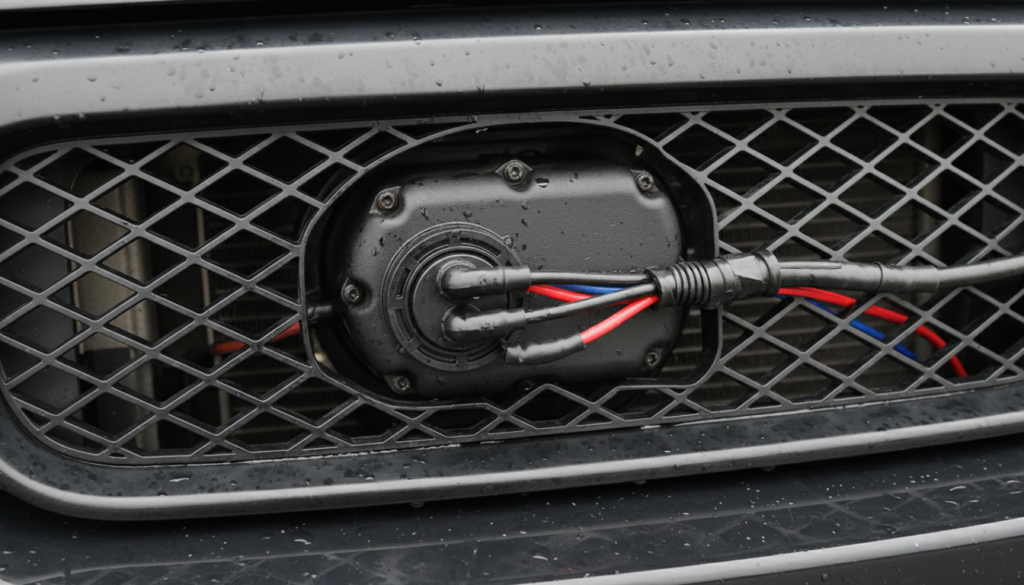
Emergency vehicles experience extreme vibrations. If your wiring is not secured with rubber-lined P-clips, the vibration causes the wire insulation to rub against the metal frame of the vehicle. This creates an intermittent short that is notoriously difficult to diagnose.
Thermal Overload
Pushing a siren amplifier to its maximum volume for extended periods can melt the voice coil varnish. Once this insulation melts, the wires inside the coil touch, effectively reducing the speaker’s impedance to zero and creating a dead short.
Comparative Analysis: Siren Speaker Failure Modes
| Failure Mode | Primary Symptom | Root Cause | Preventive Measure |
|---|---|---|---|
| Water Intrusion | Crackling / Distorted sound | Compromised seal | Mount downward/use shield |
| Wiring Short | Siren cuts out on bumps | Wire insulation wear | Secure cables with P-clips |
| Voice Coil Melt | No sound / Amp protection | Excessive heat | Monitor duty cycles |
| Corrosion | Faded volume | Salt/Road debris | Apply dielectric grease |
Step-by-Step: How to Test for a Shorted Siren Speaker
If you suspect your siren speaker has shorted out, follow this systematic approach before purchasing a replacement. You will need a standard digital multimeter.
- Disconnect the Speaker: Always isolate the speaker from the siren amplifier to prevent damaging the controller.
- Set Multimeter to Ohms: Switch your meter to the lowest resistance (Ω) setting.
- Check Impedance: Touch the probes to the speaker terminals. A standard 100-watt siren speaker should read between 5.5 and 11 ohms.
- Test for Ground Faults: Place one probe on a speaker terminal and the other on the metal housing of the speaker. The meter should show “OL” (Open Line). Any reading here indicates a short to ground.
- Inspect Wiring: Visually trace the wire from the speaker back to the amplifier, looking for exposed copper or melted insulation.
Expert Tips for Longevity
In my professional experience, the difference between a speaker lasting one year versus five years comes down to installation hygiene.
- Use Dielectric Grease: Apply a small amount of dielectric grease to the terminal connections to prevent moisture-induced corrosion.
- Proper Orientation: Always mount your speaker with the drainage hole at the lowest point to allow gravity to pull moisture away from the internal components.
- Check Your Gauge: Ensure your wiring gauge matches the manufacturer’s recommendation. Using wire that is too thin causes high resistance and heat, which accelerates speaker failure.
Frequently Asked Questions (FAQ)
Can I repair a shorted siren speaker?
In most cases, no. While you can replace a frayed wire lead, once the internal voice coil is shorted or the diaphragm is damaged, the speaker must be replaced to ensure it meets safety standards for emergency use.
Will a shorted siren speaker damage my amplifier?
Yes. If your siren speaker shorts out, the massive surge in current can blow the output transistors in your siren amplifier. This is why you should immediately disconnect a faulty speaker and verify the wiring with a multimeter.
How do I know if the siren controller or the speaker is the problem?
Swap the suspect speaker with a known working unit. If the new speaker works, the old one was the source of the short. If the new speaker also fails to produce sound, the issue lies within your siren controller or the vehicle’s wiring harness.