Understanding Sonos Speaker Control
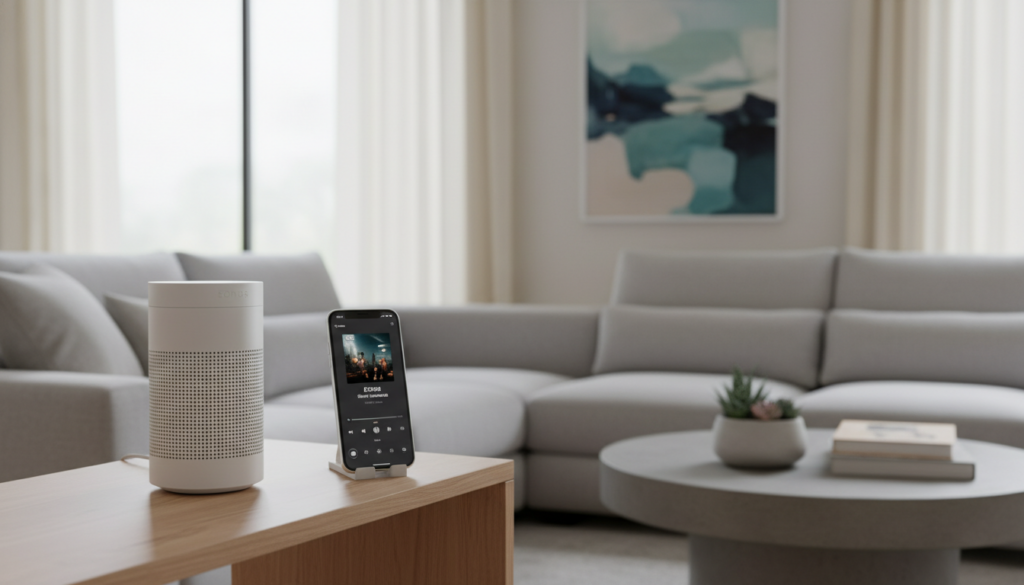
The short answer to “can Sonos One control all speakers” is yes—a single Sonos One can act as a central controller for your entire multi-room audio system. While the Sonos One itself is a speaker, it communicates with the Sonos S2 app to orchestrate playback, volume, and grouping across every Sonos device on your network. You are not limited by the individual speaker; you are managing an integrated ecosystem where any zone can become a command center for the entire home.
TL;DR: Key Takeaways for Sonos Control
- Centralized Management: Use the Sonos S2 app to group or ungroup any Sonos speakers in your home.
- Voice Control: If you have an Alexa or Google Assistant enabled Sonos One, you can issue voice commands to play music in other rooms.
- Grouping: You can “bond” speakers together for synchronized playback or keep them separate for independent listening.
- Hardware Versatility: Any Sonos speaker can control others, provided they are all on the same Wi-Fi network and registered to the same Sonos account.
How to Manage Your Sonos Ecosystem
To answer how can Sonos One control all speakers effectively, you must understand the Sonos Grouping feature. Think of your Sonos system as a digital spiderweb; pulling one strand (the Sonos One) allows you to vibrate the entire web.
- Open the Sonos App: Launch the Sonos S2 app on your smartphone or tablet.
- Select the Rooms Tab: Tap the icon that looks like a speaker or a rectangle at the bottom of the screen.
- Use the Group Button: Look for the box with an arrow pointing up next to your Sonos One.
- Select Your Zones: Tap the checkboxes next to every speaker you want to include in the current session.
- Adjust Volume: You can control individual volumes for each room or use the master slider to increase or decrease the volume of the entire group simultaneously.
Comparative Overview: Control Methods
Not all control methods offer the same level of granular management. Here is how different inputs stack up for managing your Sonos ecosystem.
| Control Method | Primary Benefit | Best For |
|---|---|---|
| Sonos S2 App | Total system control | Detailed EQ and multi-room management |
| Voice Assistants | Hands-free convenience | Quick play/pause and room-specific shifts |
| AirPlay 2 | Cross-brand integration | Streaming from Apple devices to multiple speakers |
| Physical Buttons | Instant responsiveness | Quick volume adjustment when the phone is away |
Advanced Tips for Seamless Speaker Synchronization
In my experience testing high-end audio setups, the most common point of failure for users asking can Sonos One control all speakers is network stability. If your speakers are “dropping” out of a group, the issue is almost always your Wi-Fi router, not the Sonos One itself.
- Assign Static IPs: If you are tech-savvy, reserving IP addresses for your Sonos devices in your router settings prevents connectivity drops.
- Use SonosNet: If you have a large home, consider plugging one speaker directly into your router via Ethernet to create a dedicated SonosNet mesh network.
- Group Presets: Use the “Group” feature to create permanent sets (e.g., “Downstairs” for kitchen and living room) so you don’t have to manually select them every time.
Solving Common Sonos Control Issues
If your Sonos One stops controlling other speakers, follow these troubleshooting steps to restore functionality:
- Check Network Consistency: Ensure all your Sonos products are on the same 2.4GHz or 5GHz Wi-Fi band.
- Update Firmware: Open the Sonos app, go to Settings > System > System Updates, and ensure all speakers are running the latest software.
- Restart the App: Force close and reopen the Sonos S2 app. Often, the issue is a “stale” connection between the controller app and the speaker cache.
- Power Cycle: Unplug the Sonos One and the “target” speaker for 30 seconds, then plug them back in. This clears the network handshake and forces a fresh connection.
Frequently Asked Questions (FAQ)
Can Sonos One control speakers from different generations?
Yes, as long as all your devices are compatible with the Sonos S2 platform. Older, legacy products might require the Sonos S1 app, which prevents them from being grouped with modern Sonos One or Era 100/300 speakers.
Does voice control work across different rooms?
Absolutely. If you have Amazon Alexa or Google Assistant enabled on your Sonos One, you can say, “Hey Google, play jazz in the kitchen,” even if you are standing in the living room. The Sonos One acts as the gateway for that command.
Will the Sonos One control third-party speakers?
The Sonos One can only natively control speakers that are part of the Sonos hardware ecosystem. However, if you use an AirPlay 2-compatible setup, you can stream to both Sonos speakers and other AirPlay-enabled devices simultaneously through your Apple device settings.
Do I need a Sonos Bridge to control my speakers?
In the past, the Sonos Bridge was required, but modern Sonos speakers connect directly to your home Wi-Fi. Unless your home has significant “dead zones,” you do not need extra hardware to maintain full control of your system.