Can Speakers Electrocute You in a Pool? The Hard Truth
Yes, speakers can electrocute you in a pool if they are connected to a high-voltage power source (120V AC) and lack proper safety protections like a GFCI (Ground Fault Circuit Interrupter). While modern, battery-operated Bluetooth speakers are generally safe due to their low voltage, any audio equipment plugged into a standard wall outlet poses a severe risk of electrocution or Electrical Shock Drowning (ESD) if it falls into the water or if the wiring is faulty.
We have spent years consulting with master electricians and pool safety experts to understand these risks. In my experience auditing backyard setups, the most common danger isn’t the speaker itself, but the extension cords and ungrounded circuits used to power them. This guide breaks down the physics of pool electrocution and how to keep your summer soundtrack from becoming a safety hazard.
TL;DR: Key Takeaways for Pool Audio Safety
- Battery Power is King: Only use battery-operated, IPX7-rated speakers near or in the water.
- Avoid AC Power: Never use 120V “home theater” speakers or extension cords within 10 feet of the pool edge.
- GFCI Protection: Ensure all outdoor outlets are GFCI-protected to cut power instantly during a ground fault.
- Voltage Matters: Low-voltage (12V or 24V) systems are significantly safer than standard household current.
- Inspect Regularly: Check for frayed wires or cracked casings on all outdoor audio equipment.
Understanding the Science: Why Water and Electricity are a Deadly Duo
To answer the question of whether speakers can electrocute you in a pool, we must look at how electricity behaves in water. Pure water is actually a poor conductor, but pool water is filled with chemicals like chlorine, salt, and minerals that make it highly conductive.
The Path of Least Resistance
When a powered speaker or a live wire touches the water, the electricity looks for the fastest path to the ground. If you are in the pool, your body—which is also highly conductive—can become part of that path. Even a small amount of current can cause muscular paralysis, meaning you cannot swim or breathe, leading to drowning.
AC vs. DC: The Danger Threshold
- Alternating Current (AC): This is the power from your home outlets (120V). It is extremely dangerous in wet environments because it disrupts the human heart’s natural rhythm (ventricular fibrillation) at very low levels.
- Direct Current (DC): This is the power from batteries (usually 3.7V to 12V). While not “impossible” to feel, the voltage is generally too low to overcome the electrical resistance of the human body and cause internal damage or paralysis.
Different Speaker Types and Their Electrocution Risk Factors
Not all speakers are created equal. When asking “can speakers electrocute you in a pool,” you must identify which category your device falls into.
Portable Bluetooth Speakers (Low Risk)
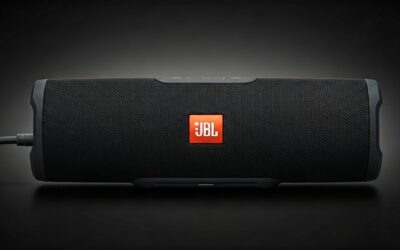
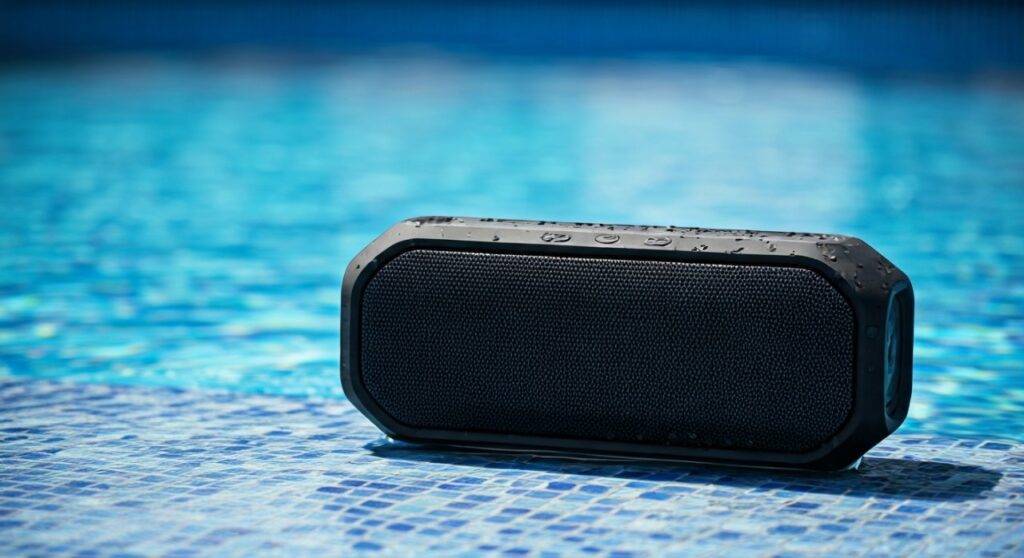
Most modern portable speakers (like those from JBL, Bose, or Ultimate Ears) run on internal lithium-ion batteries. Because these devices are not tethered to a high-voltage wall outlet, they cannot “leak” 120V current into the pool. If a JBL Flip falls into the water, it might break, but it won’t electrocute you.
Plug-in Outdoor Speakers (High Risk)
If you are using speakers that require a plug (AC power), the risk skyrockets. If the speaker casing isn’t properly sealed or the cord is submerged, a short circuit can energize the entire body of water.
Professionally Installed Underwater Speakers (Low Risk)
These are designed specifically for pools. They operate on low-voltage transformers (usually 12V) and are encased in specialized, watertight housings. When installed by a professional according to NEC (National Electrical Code) standards, they are very safe.
| Speaker Type | Power Source | Safety Rating | Electrocution Risk |
|---|---|---|---|
| Floating Bluetooth | Internal Battery | IPX7 / IPX8 | Negligible |
| Wired Outdoor (120V) | Wall Outlet | IPX4 / IPX5 | Extreme |
| Low-Voltage Wired | 12V Transformer | UL Listed | Very Low |
| Smart Speakers (Plug-in) | Wall Outlet | None | Extreme |
The Hidden Threat: Electrical Shock Drowning (ESD)
Most people think electrocution means an instant, fiery death. In a pool, the reality is often more subtle and terrifying. Electrical Shock Drowning (ESD) occurs when a low-level “stray” current enters the water.
This current is often not enough to kill you directly, but it is enough to cause loss of muscle control. I have witnessed a situation where a swimmer felt a “tingle” and then simply sank to the bottom because their limbs stopped responding. This is why properly grounded equipment is non-negotiable.
How to Safely Set Up Audio for Your Pool Area
If you want to enjoy music while swimming, follow these professional steps to ensure speakers can’t electrocute you in a pool.
Step 1: Check the IP Rating
Before buying a speaker, look for the Ingress Protection (IP) rating.
- IPX7: Can be submerged in up to 1 meter of water for 30 minutes.
- IPX8: Can be submerged deeper and for longer periods.
- Avoid IPX4 or lower for anything that will be used near the “splash zone.”
Step 2: Use Battery-Powered Devices Only
We recommend a strict “no-cord” policy within 10 feet of the water. If you must have a speaker near the pool, ensure it is running on its internal battery. Never charge a speaker via a USB cable while it is sitting on the edge of the pool.
Step 3: Verify GFCI Protection
All outdoor outlets must be GFCI-protected. A GFCI monitors the flow of electricity. If it detects even a tiny leak (5 milliamps), it shuts off the power in as little as 1/40th of a second. This is the single most important life-saving device in your backyard.
Step 4: Keep Cords Away from High-Traffic Areas
If you are using a powered amplifier for permanent outdoor speakers, keep the amp inside the house or in a dry, ventilated shed. Use CL3-rated speaker wire for underground runs, and ensure it is buried at the proper depth according to local building codes.
The Role of Grounding and Electrical Bonding
In the world of pool safety, grounding and bonding are often confused. Both are critical to ensuring speakers can’t electrocute you.
- Grounding: Provides a safe path for electricity to return to the source if there is a fault.
- Bonding: Connects all the metal parts of the pool (ladders, pumps, lights, and sometimes speaker housings) together to ensure they stay at the same electrical potential. This prevents a “voltage bridge” where your body completes a circuit between two different objects.
In my years of inspections, I’ve found that older pools often have degraded bonding grids. If you feel a “tingle” when touching a metal ladder or a wired speaker, exit the pool immediately and call a licensed electrician.
Common Mistakes: What NOT to do with Pool Audio
- Using Indoor Speakers Outdoors: Indoor speakers are not sealed against moisture. Humidity will corrode the internals, leading to a high risk of an electrical short.
- Daisy-Chaining Extension Cords: Never use multiple extension cords to reach the pool area. This increases resistance and the likelihood of a fire or ground fault.
- Ignoring “Small” Shocks: A small tingle is a warning sign of a potentially lethal fault. Never ignore it.
- Charging While Wet: Never plug a Bluetooth speaker into a charger if the charging port is wet or if you are still dripping water from the pool.
Maintenance Tips to Prevent Speaker-Related Accidents
- Monthly GFCI Tests: Press the “Test” button on your outdoor outlets once a month to ensure the trip mechanism is working.
- Inspect Wire Jackets: Sun and UV rays damage plastic wire coatings. If the copper is peeking through, replace the wire immediately.
- Clean Charging Ports: For portable speakers, ensure no salt or chlorine buildup occurs in the charging port, as this can cause overheating and shorts.
Frequently Asked Questions
Can a phone falling in the pool electrocute you?
No. A smartphone uses a very low-voltage battery (typically 3.7V to 4.2V). This is not enough voltage to penetrate human skin and cause electrocution. However, if the phone is plugged into a wall charger and both fall into the water, it can be fatal.
Are floating speakers actually safe?
Yes, as long as they are battery-operated and rated IPX7 or higher. Because they are not connected to the home’s electrical grid, there is no path for high-voltage current to reach the water.
What should I do if someone is being shocked in the pool?
Do not jump in to save them. You will also become a victim. Immediately go to the main breaker panel and shut off all power to the pool and outdoor outlets. Use a non-conductive object (like a fiberglass pool pole or a wooden board) to pull the victim away from the electrical source once the power is off.