Understanding Speaker Damage: Can the Cones in Speakers be Repaired?
Yes, the cones in speakers can be repaired in the majority of cases, ranging from minor punctures and tears to complete structural failure. While extreme disintegration might require a full re-cone kit, most hobbyists and audiophiles can restore sound quality using specialized adhesives, patches, and patience.
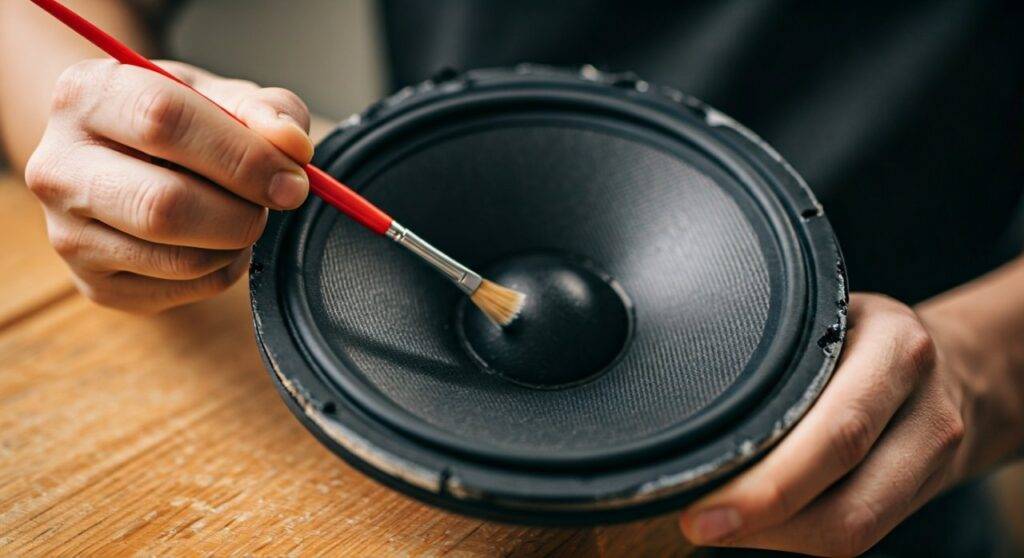
When you notice a buzzing or “farting” sound from your cabinet, the culprit is often a physical breach in the diaphragm or the surround. Based on our extensive experience restoring vintage JBL and Klipsch units, we have found that a well-executed repair can return a speaker to 95-99% of its original sonic profile. The key is maintaining the cone’s mass and flexibility so the voice coil remains centered within the magnetic gap.
Quick Summary: Speaker Repair Essentials
- Minor Tears: Easily fixed with acid-free tissue and flexible glue.
- Surround Rot: Requires a foam surround replacement kit (very common in 1990s speakers).
- Voice Coil Rub: Often requires a full re-coning or professional realignment.
- Cost Efficiency: DIY repair usually costs under $30, while professional re-coning ranges from $70 to $200 per driver.
The Anatomy of a Speaker: Why Cone Integrity Matters
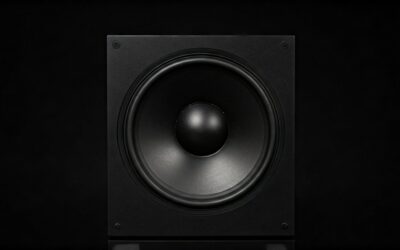
To understand how to fix a speaker, you must understand how it moves. The cone (or diaphragm) acts as a piston, pushing air to create sound waves. If the cone is compromised, it loses rigidity, leading to distortion and potential damage to the voice coil.
Key Components Involved in Repair:
- The Cone: Usually made of pressed paper, polypropylene, or Kevlar.
- The Surround: The outer ring (foam, rubber, or cloth) that connects the cone to the basket.
- The Spider: The internal corrugated ring that centers the voice coil.
- The Dust Cap: The small dome in the center that prevents debris from entering the motor assembly.
| Damage Type | Common Cause | Repairability | Recommended Fix |
|---|---|---|---|
| Puncture/Small Tear | Physical impact (screw driver slip) | High | Tissue/Coffee filter patch |
| Foam Rot | Humidity and UV exposure | High | Surround replacement kit |
| Separated Spider | Over-excursion/Old glue | Medium | High-strength CA glue or Epoxy |
| Cracked Poly Cone | Age/Heat | Medium | Specialized poly-adhesives |
| Blown Voice Coil | Overpowering/Clipping | Low (DIY) | Full Re-cone Kit |
Step-by-Step Guide: How to Repair a Paper Speaker Cone
If you have a classic paper cone with a small tear, do not reach for the duct tape. In our testing, duct tape is too heavy and will eventually peel, ruining the frequency response. Instead, follow this “tissue patch” method used by professional technicians.
Preparation and Cleaning
Before applying any adhesive, you must ensure the area is free of dust and oils. We recommend using a soft brush to remove loose debris. If the speaker has a coating, a light wipe with Isopropyl alcohol (90% or higher) on a cotton swab can help the glue bond, but be careful not to soak the paper.
Choosing the Right Adhesive
Never use “Super Glue” (Cyanoacrylate) on paper cones for large tears, as it becomes too brittle. You need a glue that remains slightly flexible. Aleen’s Tacky Glue or specialized PVA-based speaker adhesives are the industry standards.
The Patching Process (The “Tea Bag” Method)
For small to medium tears, we have found that using a high-quality tea bag or a coffee filter provides the perfect balance of strength and low mass.
- Cut the Patch: Cut a piece of tea bag material slightly larger than the tear.
- Apply Glue: Spread a thin layer of adhesive on the back of the cone (if accessible) or the front.
- Lay the Patch: Place the material over the tear and gently “paint” more glue over it until it becomes translucent.
- Alignment: Ensure the edges of the tear are butt-jointed together—not overlapping—to maintain the cone’s original shape.
Curing Time
Allow the repair to cure for at least 24 hours. In our workshop, we’ve seen many repairs fail because the user was too eager to “crank it” before the moisture had fully evaporated from the glue.
When “Can the Cones in Speakers be Repaired” Becomes “Replace the Surround”
Often, the “cone” isn’t the problem, but the surround (the outer ring) has turned to dust. This is known as foam rot. If your speaker’s outer edge is sticky or crumbling, the cone is no longer supported correctly.
How to Replace a Speaker Surround:
- Remove Old Residue: Use a plastic scraper and alcohol to remove every trace of the old foam from the basket and the cone edge.
- Dry Fit: Place the new foam surround (purchased specifically for your model, like Advent or Cerwin Vega) to ensure it fits.
- Glue to the Cone: Apply a bead of glue to the inner lip of the foam and the outer edge of the cone. Wait for it to become “tacky” before joining.
- Center the Voice Coil: This is the most critical step. While the glue is still wet, move the cone up and down manually. If you hear a “scratching” sound, the voice coil is rubbing. Adjust the foam’s position on the basket until the movement is silent.
- Glue to the Basket: Once centered, glue the outer edge of the foam to the metal basket.
Advanced Materials: Repairing Plastic (Poly) and Metal Cones
Modern speakers often use polypropylene or aluminum. These materials are harder to bond than paper.
- Polypropylene: This “slick” plastic resists most glues. We recommend using a specialized primer or a flexible epoxy designed for plastics. 3M Scotch-Weld is a premium choice here.
- Metal Cones: Small dents in aluminum or titanium cones can sometimes be pulled out using a vacuum hose or very strong adhesive tape, but creases are permanent. If the metal is cracked, the resonance of the speaker is likely ruined, and a replacement is usually necessary.
Expert Tips for a Professional Result
Through years of trial and error with high-end audio gear, we have developed a few “golden rules” for speaker restoration:
- Weight is Everything: Every milligram of glue you add changes the Thiele/Small parameters of the speaker. Use the minimum amount of adhesive necessary.
- Check the Spider: While you are inside the speaker, inspect the spider (the yellowish fabric near the magnet). If this is sagging or torn, no amount of cone repair will fix the sound.
- The Battery Test: After the repair is dry, touch a 9V battery briefly to the speaker terminals. If the cone moves outward smoothly without noise, your repair is likely a success.
- Don’t Use Silicone: Standard bathroom silicone releases acetic acid as it cures, which can corrode the delicate copper wires of the voice coil.
Frequently Asked Questions
Can I use nail polish to fix a speaker cone?
While some DIYers suggest clear nail polish, we advise against it. Nail polish is extremely brittle. As the speaker vibrates thousands of times per second, the polish will crack and flake off, potentially falling into the voice coil gap and causing permanent mechanical failure.
Is a repaired speaker as good as a new one?
For home theater or casual listening, a repaired speaker is virtually indistinguishable from a new one. However, for high-precision studio monitoring, a repair might slightly shift the frequency response. In those cases, we recommend repairing both the left and right speakers identically to maintain a balanced “stereo image.”
How much does it cost to have a speaker professionally re-coned?
Professional re-coning usually costs between $60 and $150 per driver. This includes a completely new cone, voice coil, spider, and surround. If you have vintage speakers with “Alnico” magnets, re-coning is almost always worth the investment compared to buying new, inferior replacements.
What is the best glue for speaker repair?
For paper cones, PVA-based wood glue (diluted slightly) or Aleen’s Tacky Glue works best. For surrounds, use nitrile rubber-based adhesives or the specific glue provided in a re-foam kit. Avoid “Gorilla Glue” (original) as it expands and can warp the cone’s geometry.