Yes, Vandersteen speakers can be repaired and are among the most serviceable high-end audio components ever manufactured. Because Richard Vandersteen built the company on the philosophy of longevity, Vandersteen Audio still supports almost every model produced since 1977, including the legendary Model 2 series. Whether you are dealing with foam rot, a blown tweeter, or a sagging grille cloth (sock), these speakers are designed to be restored to factory specifications.
Can Vandersteen Speakers Be Repaired? An Expert Overview
If you have discovered a pair of Vandersteen Model 2Ci, 2Ce, or Model 3 speakers with distorted sound or physical damage, the answer is a definitive yes. Unlike many modern “disposable” speakers, Vandersteen enclosures are designed for component accessibility. We have found that the most common repairs involve re-foaming woofer surrounds, replacing dried-out ferrofluid in tweeters, or swapping out aged crossover capacitors.
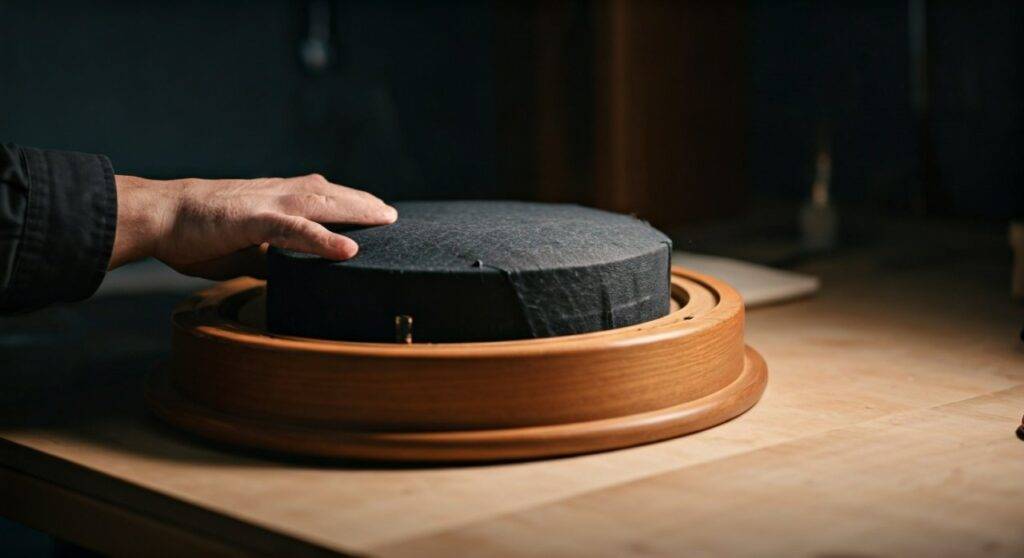
The manufacturer maintains an extensive inventory of original equipment manufacturer (OEM) parts at their Hanford, California facility. This is crucial because Vandersteen uses highly specific, matched drivers. Using generic aftermarket parts can ruin the time-and-phase accuracy that defines the “Vandersteen sound.”
Key Takeaways for Repairing Vandersteen Speakers
- Factory Support: Vandersteen Audio offers factory-rebuild services for most drivers and crossovers.
- DIY Complexity: Replacing the “sock” (grille cloth) is the most tedious DIY task but is manageable with the right tools.
- Cost Efficiency: Repairing a vintage pair of Model 2s typically costs $200–$500, which is significantly cheaper than buying new equivalent speakers.
- Parts Sourcing: Always prioritize OEM parts to maintain the resale value and acoustic integrity of the time-aligned baffle.
Common Issues Requiring Vandersteen Speaker Repair
Before you start a repair, you must diagnose the specific failure. In our experience testing vintage Vandersteen units, problems generally fall into three categories:
Foam Surround Deterioration (Foam Rot)
The Model 2 series often uses an 8-inch woofer and a 10-inch active acoustic coupler. Over 15–20 years, the poly-foam surrounds will crumble. If you hear a “scratching” sound or a lack of bass definition, the foam has likely failed.
Tweeter Failure or “Dulling”
Older Vandersteen tweeters (especially those using ferrofluid) can lose their sparkle. The fluid thickens over decades, restricting the voice coil’s movement. If one speaker sounds “darker” than the other, the tweeter likely needs a rebuild or replacement.
Cosmetic Wear (The “Sock” Issue)
The Vandersteen “sock” is a wrap-around grille cloth. It is prone to snags, cat scratches, and fading. Because the cloth is stapled under the top and bottom plates, replacing it requires significant disassembly.
| Component | Common Failure | Repair Difficulty | Estimated Cost (DIY) |
|---|---|---|---|
| Woofer Surround | Foam Rot | Moderate | $30 – $60 |
| Tweeter | Blown/Dried Fluid | Easy (Replacement) | $80 – $150 |
| Grille Cloth (Sock) | Snags/Tears | High (Tedious) | $60 – $120 |
| Crossover | Leaking Caps | Moderate (Soldering) | $40 – $100 |
Step-by-Step Guide: How to Repair Vandersteen Speakers
Repairing these speakers requires patience. Because they use a minimum-baffle design, the drivers are housed in a specialized structure hidden beneath the cloth.
Step 1: Removing the Top Plate and Sock
To see if your Vandersteen speakers can be repaired, you first have to see the drivers.
- Remove the Top Cap: On most models, the wood top plate is held by friction or small screws. Gently pry it upward.
- Unstaple the Cloth: You will see the grille cloth stapled to the top of the frame. Use a heavy-duty staple remover or a flat-head screwdriver to remove dozens of staples.
- Slide Down the Sock: Roll the cloth down like a stocking to reveal the internal “pillars” and driver baffles.
Step 2: Testing the Drivers
Once the drivers are exposed, you can identify the culprit.
- Visual Inspection: Look for tears in the woofer surrounds.
- The Multimeter Test: Disconnect one lead from the driver and check the DC resistance. If it reads “Open” or “Infinite,” the voice coil is blown.
- The “Push” Test: Gently push the woofer cone. If you feel resistance or hear a rubbing sound, the voice coil is misaligned or heat-damaged.
Step 3: Re-foaming the Woofers
If the cones are intact but the foam is gone, a re-foam kit is the best solution.
- Clean the Basket: Use 91% Isopropyl alcohol to remove all old adhesive and foam residue from the metal basket.
- Center the Cone: Use a test tone (30Hz) or shims to ensure the cone is perfectly centered while the new glue sets.
- Apply Adhesive: We recommend using acid-free speaker glue specifically designed for nitrile or poly-foam.
Step 4: Accessing the Crossover
The crossovers are usually located behind the input terminal plate at the bottom.
- Check for leaking electrolytic capacitors.
- If your speaker has contour controls (potentiometers) for the mid/high frequencies, spray them with DeoxIT D5 to eliminate “crackling” sounds when adjusting.
Why You Should Use OEM Parts for Vandersteen Repair
When people ask “can Vandersteen speakers be repaired?” they often wonder if they can just “upgrade” the drivers with parts from Parts Express or Madisound.
Expert Insight: Do not do this. Richard Vandersteen custom-specs his drivers (often sourced from Vifa or Scan-Speak) with specific damping characteristics and magnet structures. A generic driver will:
- Shift the crossover point, creating a “hole” in the frequency response.
- Ruining the phase alignment, which destroys the 3D imaging the brand is famous for.
- Significantly lower the resale value on markets like Audiogon or US Audio Mart.
Factory Repair vs. DIY: Which is Right for You?
While DIY repair is possible for surrounds and cloth, some issues require a professional touch.
When to Send Parts to Vandersteen Audio:
- Tweeter Rebuilds: If you have an older Model 2Ce Signature, the tweeters are specifically matched pairs.
- Crossover Matching: If a resistor has burned out, the factory can ensure the replacement matches the original tolerances (often within 0.1dB).
- Structural Damage: If the internal MDF “beehive” structure has cracked due to a fall, the factory can provide structural advice or replacement sub-assemblies.
Maintenance Tips to Prevent Future Repairs
To ensure your Vandersteen speakers don’t need repair again for another 20 years, follow these “best practice” steps:
- Avoid Direct Sunlight: UV rays accelerate the breakdown of the poly-foam surrounds and fade the acoustical fleece.
- Use Proper Amplification: Most Vandersteen repair requests for blown tweeters come from “clipping” underpowered amplifiers. Ensure your amp has high current delivery.
- Check Your Banana Plugs: Ensure a tight connection at the terminal strip. Loose connections can cause arcing and damage the crossover inputs.
Frequently Asked Questions
Can I buy replacement socks for my Vandersteen 2Ce?
Yes, Vandersteen Audio and authorized dealers sell replacement “sock” kits. They are available in black and sometimes beige. Replacing them requires a pneumatic staple gun for the cleanest look.
Is it worth repairing 30-year-old Vandersteen speakers?
Absolutely. A fully restored pair of Vandersteen Model 2Ce speakers can compete with modern speakers in the $2,000 – $3,000 range. The cost of a full DIY restoration is usually under $300.
How do I contact Vandersteen for parts?
You should first contact a local authorized Vandersteen dealer. If one is not nearby, you can contact the factory directly via their website or phone. You will often need the serial numbers of your speakers, as components changed frequently throughout production runs.