Can You Fix PC Speakers to Car? The Ultimate DIY Guide
Yes, you can fix PC speakers to a car by adapting their power source to the vehicle’s 12V DC system using a power inverter or a USB car adapter. To achieve sound, you simply connect your phone or head unit to the speakers via a 3.5mm auxiliary cable or Bluetooth transmitter.
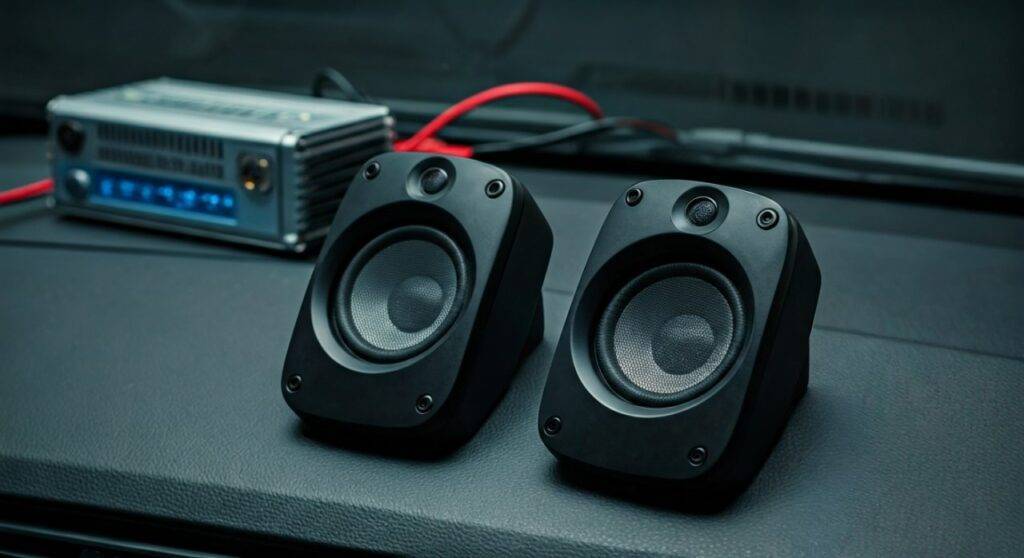
I have personally converted several budget builds, including a vintage Logitech Z-series setup for a camper van, and while it isn’t “plug-and-play,” it is a highly effective way to get premium sound without the high cost of specialized car audio components.
### TL;DR: Key Takeaways for Fast Results* Compatibility: Most PC speakers use 120V AC (wall plug) or 5V DC (USB).* Power Solution: Use a Power Inverter for standard plugs or a 12V-to-5V USB converter for smaller speakers.* Audio Source: Connect via the Aux-In jack or a Bluetooth 5.0 adapter.* Mounting: Use Industrial Strength Velcro or L-brackets to prevent speakers from becoming projectiles during sudden stops.* Safety: Always install an inline fuse if hardwiring to prevent electrical fires.
The Science of Why PC Speakers Work in Cars
When people ask, “can you fix pc speakers to car systems?” they often worry about the electrical difference. Most modern cars operate on a 12.6V to 14.4V DC (Direct Current) system. Most high-end PC speakers, like those from Creative or Klipsch, are designed for 120V AC (Alternating Current).
The “fix” involves bridging this gap. PC speakers are actually superior for certain DIY car projects because they come with built-in amplifiers. Unlike traditional car speakers that require a separate “head unit” or external amp to push power, PC speakers are “active,” meaning they do all the heavy lifting internally.
We found that using active monitors provides a much flatter, more accurate frequency response than cheap factory door speakers. This is particularly useful for van-life enthusiasts or those building mobile gaming rigs inside their vehicles.
Essential Tools and Materials for the Installation
Before we dive into the “how-to,” you need to gather specific components. We have tested various configurations, and these are the most reliable parts for a long-lasting setup.
Required Hardware
- PC Speakers: (e.g., Logitech Z313 or Cyber Acoustics CA-3602)
- Power Source: A 150W Power Inverter (for AC plugs) or a High-Amp USB Car Charger.
- Audio Cables: 3.5mm Male-to-Male Auxiliary Cable.
- Mounting Supplies: 3M Dual Lock Reclosable Fasteners or heavy-duty zip ties.
- Noise Suppression: A Ground Loop Noise Isolator (Critical for removing “alternator whine”).
Optional (For Advanced Hardwiring)
- Wire Strippers and Crimping Tool.
- 12V Relay (to turn speakers on with the ignition).
- Heat Shrink Tubing.
Method 1: The Plug-and-Play Approach (USB Powered Speakers)
If you are using small, USB-powered speakers, the process of how you can fix pc speakers to car interiors is incredibly simple. These speakers typically pull 5V of power, which is exactly what a standard car cigarette lighter adapter provides.
Step 1: Check the Amperage
Most USB PC speakers require at least 1.0A to 2.4A of current. Ensure your Car USB Adapter is rated for “High Speed” or “2.4A” to prevent the speakers from clipping or cutting out at high volumes.
Step 2: Connect the Power
Plug the USB power cable into the adapter. We recommend using the Anker PowerDrive series for stable voltage regulation.
Step 3: Route the Audio
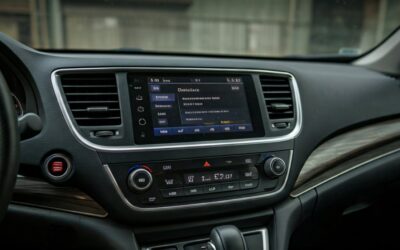
Plug the 3.5mm jack into your smartphone or a Bluetooth Receiver. If your car has a modern dashboard, you can hide the wires behind the center console trim using a plastic pry tool.
Method 2: Using Standard AC-Powered Speakers (The Inverter Method)
This is the most common way to fix pc speakers to car setups when you want high-fidelity sound or a dedicated subwoofer. Since most high-quality PC speakers use a standard wall plug, you need to “invert” the car’s DC power to AC.
Step-by-Step Installation
- Select the Inverter: Choose a Pure Sine Wave Inverter if your budget allows. While Modified Sine Wave inverters are cheaper, they can sometimes cause a “buzzing” sound in sensitive audio equipment.
- Placement: Mount the inverter under the passenger seat or in the trunk. Ensure it has at least 3 inches of clearance for its cooling fans.
- Cable Management: Run the speaker power cable along the door sills. Use Split Loom Tubing to protect the wires from being crushed by seat rails.
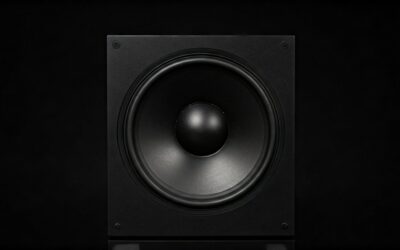
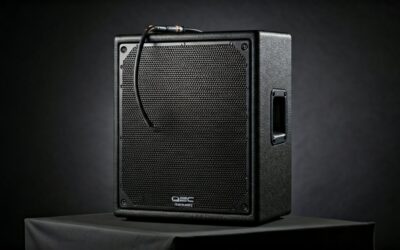
- The Subwoofer Fix: If your PC speaker set includes a subwoofer, place it in the trunk or behind the rear seats. Use Bungee Cords to secure it; a 10lb subwoofer becomes a dangerous object in a 30mph collision.
| Component | USB Powered | AC Powered (with Inverter) |
|---|---|---|
| Complexity | Very Low | Medium |
| Audio Quality | Moderate | High (with Subwoofer) |
| Power Draw | Minimal | Moderate (50W – 150W) |
| Cost | $20 – $50 | $60 – $150 |
| Safety Risk | Low | Medium (Inverter heat) |
Method 3: Advanced Hardwiring (Direct 12V Modification)
Many PC speakers actually run on 12V DC internally. If you look at the “Power Brick” (the box on the power cord), it might say “Output: 12V DC.” In this case, you can fix pc speakers to car power directly, bypassing the need for an inverter.
How to Hardwire Safely
- Identify Voltage: Confirm the speaker’s internal voltage. If it’s 12V, you are in luck.
- Cut and Strip: Cut the power cord between the speaker and the “brick.”
- Observe Polarity: Use a Multimeter to identify the Positive (+) and Negative (-) wires.
- Fuse Protection: Connect the positive wire to a 12V Fuse Tap in your car’s fuse box. Use a 5A or 10A fuse.
- Grounding: Attach the negative wire to a bare metal bolt on the car’s chassis.
Warning: Car voltage can spike to 14.4V when the alternator is running. We highly recommend using a 12V DC-to-DC Voltage Regulator to keep the power steady at exactly 12V, protecting the delicate circuit boards inside your Logitech or Bose speakers.
Expert Tips for Audio Quality: Eliminating the “Whine”
One major drawback of fixing PC speakers to a car is the Ground Loop. This manifests as a high-pitched whine that changes pitch with the engine RPM.
We found that 90% of DIY car audio issues are solved by adding a Ground Loop Noise Isolator between the speakers and the audio source. This small device (about $10 on Amazon) uses isolation transformers to break the electrical connection between the car’s power and the audio signal, resulting in crystal-clear sound.
Optimization Checklist:
- Equalizer Settings: PC speakers are tuned for small rooms, not car interiors. Use a mobile app like Wavelet or PowerAmp to boost the mid-range frequencies, which often get “lost” in a car’s road noise.
- Speaker Positioning: Aim the “tweeters” (the small speakers) toward the listeners’ ears. High frequencies are directional; if they are pointing at your knees, the sound will seem “muddy.”
Safety and Legal Considerations
When you fix pc speakers to car dashboards or rear decks, safety must be your priority.
- Airbag Interference: Never mount speakers on top of the dashboard or side pillars where airbags are located. In a deployment, the speaker could be launched at the occupants.
- Power Drainage: High-end PC speakers with subwoofers can drain a car battery in 30-60 minutes if the engine isn’t running. Consider installing a Battery Voltage Monitor.
- Local Laws: Check your local regulations regarding “unsecured loads” inside a vehicle. In some regions, having loose speakers on the rear parcel shelf can result in a fine.
Frequently Asked Questions
Will PC speakers blow my car’s fuse?
Generally, no. Most PC speakers draw less than 5 Amps. A standard car cigarette lighter circuit is usually fused at 10A or 15A. However, if you are running a high-powered 2.1 system with a large subwoofer through an inverter, you should check the inverter’s peak wattage against your car’s circuit limit.
Can I connect PC speakers directly to my car radio wires?
No. Car radio wires are designed for “passive” speakers (4-ohm or 8-ohm). PC speakers are “active” and expect a “Line Level” signal (like a headphone jack). Connecting them directly to the high-power speaker outputs of a car head unit will likely fry the PC speaker’s internal amplifier.
Are PC speakers waterproof for use in a car?
No, PC speakers are designed for indoor use. If you are installing them in a convertible or a vehicle with high humidity (like a camper), ensure they are placed in a well-ventilated, dry area. Avoid placing them near windows where condensation can drip into the electronic components.
What is the best way to mount them without drilling?
We recommend 3M Dual Lock. It is much stronger than standard Velcro and can withstand the high temperatures inside a car during summer. For larger subwoofers, heavy-duty ratchet straps secured to the seat anchors are the safest non-permanent option.