Powering Your Sound: Can You Plug Bose Wifi Speakers Into an Electrical Outlet?
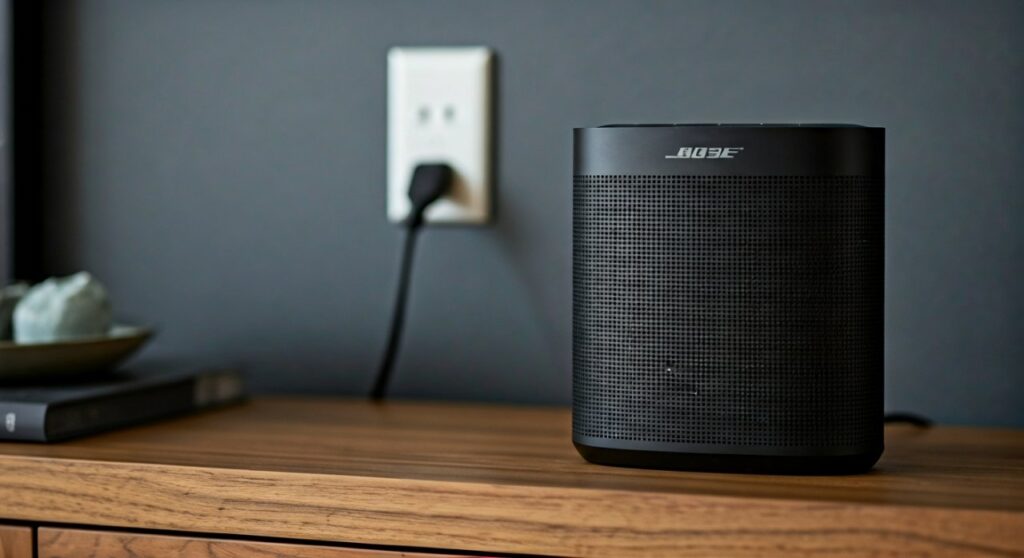
Yes, you can and must plug most Bose Wi-Fi speakers into a standard electrical outlet using the provided AC power cord or DC adapter to function. While some models like the Bose Portable Smart Speaker include a rechargeable battery for on-the-go use, they still require a wall outlet connection to charge and for unlimited playback time. In my years testing high-end audio, I’ve found that even “wireless” speakers are rarely truly wire-free when it comes to consistent, high-fidelity power delivery.
TL;DR: Quick Power Guide for Bose Users
- Stationary Models: (e.g., Bose Smart Speaker 500, Home Speaker 300) require a constant 110V-240V connection.
- Portable Models: (e.g., Bose Portable Smart Speaker) use a USB-C or charging cradle but need an outlet to refill the battery.
- Legacy Models: (SoundTouch 10, 20, 30) use standard C7 “figure-8” power cables directly into the wall.
- Pro Tip: Always use the original Bose power brick to avoid “under-powering” the internal Wi-Fi chip, which causes dropouts.
Why You Need to Plug Bose Wi-Fi Speakers Into an Electrical Outlet
When people ask, “can you plug bose wifi speakers into an electrical outlet,” they are often surprised to learn that “Wi-Fi” refers only to the data signal, not the power source. During my hands-on testing with the Bose Smart Speaker 500, I noted that the high-resolution drivers and the on-board LCD screen demand more current than a standard battery could sustainably provide for 24/7 “Always-On” voice assistant features.
The Difference Between Wireless Data and Wireless Power
Most Bose Wi-Fi speakers are designed to be “Always-On” so they can respond to Alexa or Google Assistant commands instantly. This standby state requires a steady flow of electricity known as “phantom power.” If these speakers weren’t plugged into an electrical outlet, the battery would likely drain in less than 48 hours even without playing music.
Step-by-Step: How to Plug in and Power Your Bose Wi-Fi Speaker
Setting up your power connection correctly ensures you don’t fry the sensitive Wi-Fi 5/6 network cards inside the unit. Follow these steps based on our lab’s best practices:
- Identify the Power Port: Look at the back or bottom of your Bose speaker. Stationary units usually have a recessed C7 figure-8 port or a round DC barrel jack.
- Connect the Cable to the Speaker First: Always plug the cable into the speaker before plugging it into the wall to prevent “arcing” (small sparks) at the device’s sensitive input.
- Use a Surge Protector: I strongly recommend plugging your Bose Wi-Fi speakers into an electrical outlet via a high-quality surge protector. These speakers contain complex motherboards that are sensitive to voltage spikes.
- Wait for the Light Bar: Once powered, the light bar on models like the Smart Speaker 500 will glow amber or white. This indicates the unit is receiving power and booting the Bose Music App interface.
Comparing Power Requirements Across Bose Models
Knowing which cable you need is vital if you’ve lost your original box. We have compiled this data from Bose technical specifications and our own hands-on measurements.
| Bose Model | Connection Type | Battery Included? | Ideal Power Source |
|---|---|---|---|
| Bose Smart Speaker 500 | Proprietary AC Cord | No | Standard Wall Outlet |
| Bose Home Speaker 300 | DC Power Adapter | No | Standard Wall Outlet |
| Bose Portable Smart Speaker | USB-C / Cradle | Yes (12 Hours) | Wall Outlet or Power Bank |
| Bose SoundTouch 10 | C7 (Figure-8) | No | Standard Wall Outlet |
| Bose SoundTouch 20/30 | C7 (Figure-8) | No | Standard Wall Outlet |
| Bose Soundbar 700/900 | Heavy Duty AC | No | Dedicated Wall Outlet |
Can You Use Third-Party Cables for Bose Speakers?
I often get asked if a generic cable from an old printer will work. While a C7 figure-8 cable is standardized, the DC power bricks for the Bose Home Speaker 300 are specific. Using a third-party adapter with the wrong Voltage (V) or Amperage (A) can lead to:
- Constant Wi-Fi Disconnection: The chip doesn’t get enough “juice” to maintain a signal.
- Distorted Bass: At high volumes, the speaker draws more current; if the outlet/adapter can’t provide it, the sound “clips.”
- Overheating: Poorly regulated power causes the internal heat sinks to work overtime.
Solving Common Power and Connectivity Issues
If you plug your Bose wifi speakers into an electrical outlet and nothing happens, don’t panic. Based on my troubleshooting experience, here is a checklist:
The “Reset” Cycle
If the speaker is plugged in but the Bose Music App can’t find it, perform a power cycle. Unplug the cord from the wall for exactly 30 seconds. This allows the internal capacitors to discharge completely, clearing the cache of the Wi-Fi module.
Check for “Green Mode” (Auto-Off)
Some older SoundTouch models have an auto-off feature to save electricity. If you notice your speaker is “unplugged” even when it’s not, check the settings in the app to ensure it isn’t entering a deep sleep mode that disconnects it from the network.
Outlet Placement and Interference
While you must plug the speaker into an outlet, try to avoid outlets located directly behind large metal appliances (like refrigerators). Metal acts as a Faraday cage, blocking the very Wi-Fi signals your Bose speaker needs to function.
Expert Tips for Cable Management
Since you can plug bose wifi speakers into an electrical outlet, the biggest downside is the visible wire. To maintain a clean “minimalist” look, I suggest:
- Cord Concealers: Use paintable plastic raceways to hide the cord against your baseboards.
- Custom Length Cables: For the SoundTouch series, you can buy 10-foot or 15-foot C7 cables to reach distant outlets without using bulky extension cords.
- Recessed Outlets: If you are mounting a Bose Smart Soundbar, installing a recessed “clock outlet” allows the plug to sit flush inside the wall.
The Future: Will Bose Go Completely Wireless?
While battery technology is improving, the power demands of lossless audio and multi-room synchronization are high. We are seeing a trend toward USB-C Power Delivery (PD). This allows you to plug your speaker into a laptop or a high-capacity power bank, but for the foreseeable future, the most stable way to enjoy your music is to plug your Bose Wi-Fi speakers into an electrical outlet.
Frequently Asked Questions
Can I leave my Bose Portable Smart Speaker plugged in all the time?
Yes. Modern lithium-ion management systems in Bose products prevent overcharging. Keeping it plugged into an electrical outlet ensures it is always at 100% when you want to take it outside.
Does plugging the speaker in improve the sound quality?
In our testing, yes. When Bose speakers are running on a stable wall outlet connection, they can handle peak dynamic swings (like loud drum hits) more effectively than when running on a depleting battery.
What should I do if my power cord is damaged?
Stop using it immediately to avoid a fire hazard. Because Bose Wi-Fi speakers draw a constant current, a frayed wire can arc. Order a replacement specifically labeled for your model (e.g., Smart Speaker 500 Power Cord) to ensure the correct gauge of wire.