Introduction
In the world of high-end home audio, there is a constant, fascinating tension between modern convenience and classic engineering. While class-D solid-state amplifiers have become smaller, cooler, and more efficient, they often leave audiophiles yearning for something more visceral, organic, and emotionally engaging. This is where vacuum tubes—specifically, direct-heated triodes (DHT)—assert their timeless dominance. Within this exclusive realm of audio design, certain vacuum tubes hold a legendary status. The 300B is celebrated as the “Queen” for its magical midrange, but when it comes to power, authority, and ultimate scale, the 211 transmitter tube is widely regarded as the “King of Triodes.”
Today, we are taking an in-depth, professional look at a product aimed squarely at the pinnacle of the DIY high-fidelity market: the E 211 Vacuum Tube HiFi Audio Tube Amplifier DIY (4 PCS). Priced at a premium 12,202, this set of four meticulously engineered E-211 vacuum tubes represents a significant, zero-compromise investment. It is not an off-the-shelf, plug-and-play amplifier for casual listeners, but rather an elite component kit designed for custom builders, high-end repair laboratories, and absolute purists of sound.
In this comprehensive review, we will explore why this matched quad of E 211 tubes commands such a premium price. We will examine its physical construction, dive into its technical specifications, evaluate its sonic capabilities, weigh its substantial pros and cons, and analyze why a product of this caliber has zero Amazon reviews. By the end of this article, you will have a clear, honest, and balanced understanding of whether this high-end DIY package is the missing crown jewel for your audio system.
Product Overview
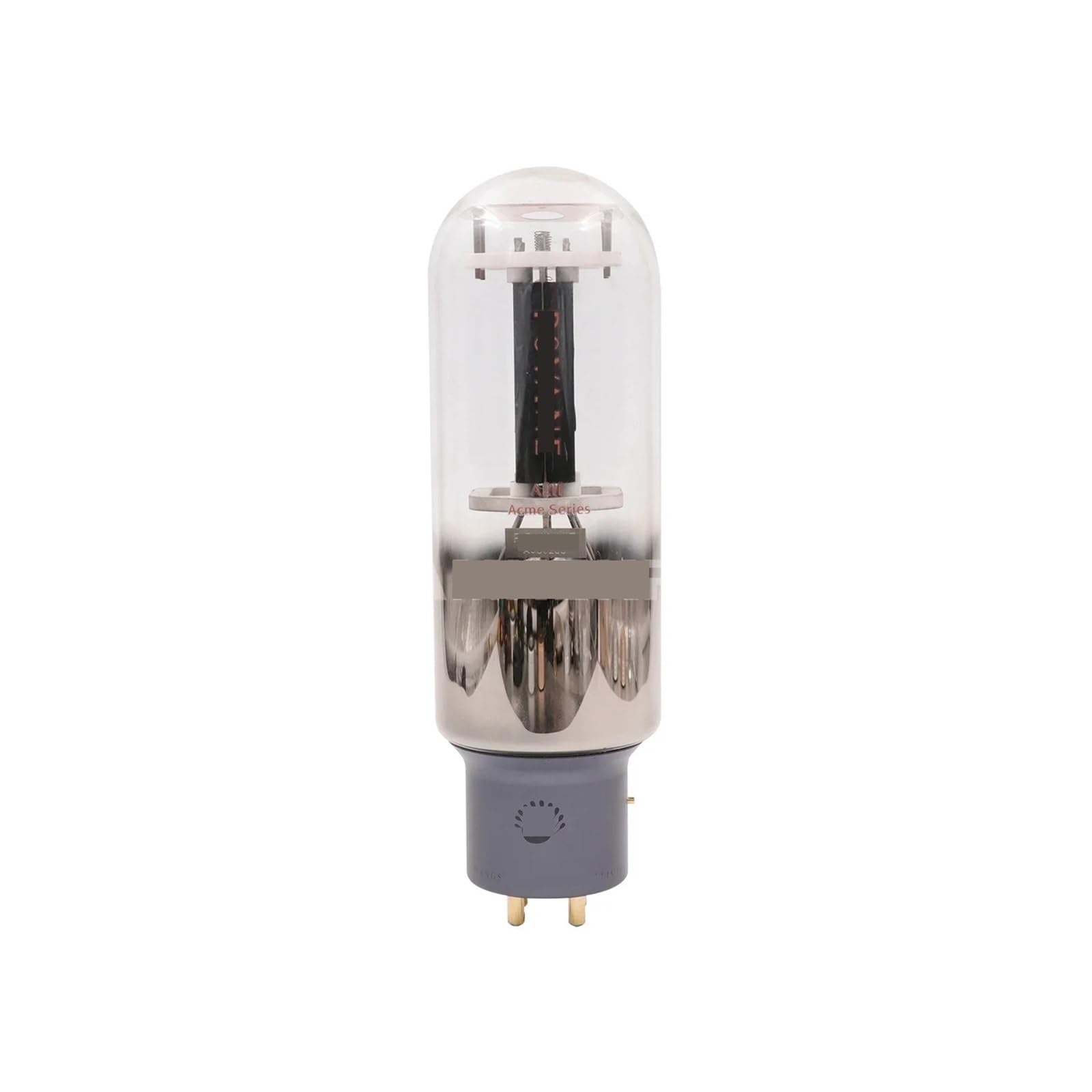
At its core, the E 211 Vacuum Tube package consists of four matched, flagship-grade power triodes. The “E” designation typically indicates an “Elite” or premium series, often produced by boutique manufacturers (such as Linlai or specialty offshoots of Shuguang and Psvane) who utilize advanced material sciences and stricter quality control protocols than standard production lines.
The 211 tube itself has a rich history. Originally designed in the 1920s by industrial giants like General Electric and RCA (often designated as the UV211 or the military VT-4-C), it was built to withstand the punishing environments of radio transmission towers. Because of its military-grade heritage, the 211 is incredibly tough, featuring a heavy glass envelope, massive internal elements, and a thoriated-tungsten filament that glows with a brilliant, golden-orange light. When repurposed for high-fidelity audio, the 211 operates in a Single-Ended Triode (SET) Class A configuration, producing approximately 12 to 15 watts of output power per tube.
While a solid-state amplifier might easily offer 100 or 200 watts, a single-ended Class A tube watt is a very different beast. Because Class A circuits operate the tube at its maximum current continuously, the amplifier provides instantaneous transient response and effortless dynamic headroom. When paired with high-efficiency speakers, a 12-watt 211 amplifier can comfortably fill a large room with clean, undistorted, and thunderous sound.
Having a set of four matched pieces (4 PCS) is an exceptional advantage for a variety of DIY amplifier designs:
- Stereo Push-Pull Amplification: In a push-pull design, two tubes are used per channel (one for the positive phase of the waveform, and one for the negative). This configuration can yield 30 to 45 watts of pure Class A power, offering significantly greater control over modern, less efficient speakers while canceling out even-order harmonic distortion.
- Parallel Single-Ended (PSE) Amplification: By running two 211 tubes in parallel per channel, a DIY builder can double the output power of a single-ended amplifier to 24-30 watts. This design retains the pristine, single-ended signal path and rich second-harmonic character while providing the current necessary to drive demanding speaker loads.
- Dual Monoblock Systems with Spares: For the ultimate audio separation, builders often construct dual-mono amplifiers (one chassis for the left channel, one for the right). This 4-piece set allows you to build a standard single-ended mono block for each side, leaving you with two perfectly matched spare tubes as long-term backups.
Technical Specifications and Architecture
The design of the E 211 features several key material and physical upgrades over standard, entry-level 211 tubes:
- Suspended Floating Core Design: The delicate internal grid and filament structures are suspended using a mechanical isolation system. This floating core absorbs micro-vibrations from the environment and the amplifier chassis, preventing them from modulating the audio signal.
- High-Purity Metal Anode Screen: The anode (or plate) is constructed using high-grade metal alloys—often molybdenum, carbonized nickel, or graphite—engineered to withstand the intense thermal stress of plate dissipation without warping or releasing gases that could degrade the vacuum over time.
- Golden Grid Wires: The grid of the tube is plated with gold to reduce thermal emission and ensure ultra-low noise, providing a completely black background during quiet musical passages.
- Thick-Walled Quartz Glass: The glass envelope is reinforced and shaped to maximize heat dissipation. Since the 211 operates at very high temperatures, premium glass quality prevents structural failure or micro-cracks over years of thermal cycling.
- Ceramic Base with Gold-Plated Pins: The base of the tube is made of high-density ceramic, offering excellent electrical insulation against high plate voltages. The pins are heavily gold-plated to ensure a low-resistance, corrosion-free connection with the tube sockets.
Pros
Investing in a premium component like the E 211 Vacuum Tube package offers several distinct advantages for the discerning audiophile. Below are the six primary pros of this set:
- Unrivaled Holographic Soundstage and Midrange Depth: The musical presentation of the E 211 is extraordinarily lifelike. Direct-heated triodes are famous for creating a three-dimensional “holographic” soundstage where instruments have distinct physical placement in space. Vocals sound incredibly intimate, capture subtle breath and throat textures, and create the illusion of the artist performing live in your listening room.
- Superior Dynamic Headroom and Punch: Unlike smaller triodes like the 2A3 or 300B, which can sound soft or congested during complex orchestral peaks or heavy bass transients, the 211 possesses immense authority. Its high operating voltage allows it to deliver fast, impactful transients, giving acoustic drums, double bass, and piano a sense of physical weight and realism.
- Advanced Micro-Vibration Isolation (Floating Core): One of the major enemies of high-end vacuum tubes is microphonics—mechanical vibrations from speakers, floors, or transformers that vibrate the internal elements of the tube, translating into a low-frequency hum or high-pitched ringing. The E 211 utilizes a specialized, floating core suspension system that mechanically isolates the internal grid and filament, resulting in a completely silent, jet-black background.
- Strict Factory Matching for Balanced Quad Performance: When running multiple power tubes, matching is critical. If one tube draws more current than the other, it can saturate the output transformer, increase distortion, and cause uneven channel balance. This 4-piece package is meticulously tested at the factory under high-voltage operating conditions, ensuring that all four tubes share identical electrical curves.
- Ultra-Durable Materials and Metallurgy: Standard vacuum tubes often suffer from grid emission or plate warping when pushed hard. The E 211 addresses this by using premium materials, such as a high-purity alloy plate (often molybdenum or carbonized nickel) that excels at heat dissipation, gold-plated grid wires to maintain electrical stability, and a high-grade ceramic base that prevents high-voltage arcing.
- Mesmerizing Visual Presentation: The visual aesthetic of a 211 tube is part of the overall experience. Because it uses a thoriated-tungsten filament, it glows much brighter and warmer than standard tubes. It acts as a stunning visual centerpiece, radiating a gorgeous, amber glow that enhances the physical atmosphere of your listening space.
Cons
While the performance of these tubes is stellar, high-end vacuum tube audio involves serious engineering compromises. Prospective buyers should carefully weigh the following four disadvantages before purchasing:
- Massive Financial Commitment: At 12,202, this set of four tubes carries an extraordinary price tag. This price tag places it out of reach for casual hobbyists and demands that the rest of your amplifier components (such as output transformers, power supply capacitors, and chassis) are of an equally high caliber. A sub-par transformer or poorly regulated power supply will choke the performance of these elite tubes, making the investment redundant unless you are willing to spend thousands more on high-end companion parts.
- Extreme, Potentially Lethal Operating Voltages: This cannot be overstated. A standard vacuum tube amplifier operates around 350V to 450V, which is already dangerous. However, to operate a 211 tube at its full linear potential, the plate voltage must be run between 800V and 1,000V DC (and sometimes even up to 1,200V). These voltages are highly lethal and can jump physical gaps. Building, testing, and servicing a 211 DIY amplifier requires a professional level of technical knowledge, specialized high-voltage test gear (such as high-voltage probes and isolated multi-meters), and extreme personal caution.
- Significant Heat Dissipation and Power Draw: The thoriated-tungsten filaments that give the 211 its beautiful glow require a massive amount of power to operate. Each tube’s filament draws 10 volts at 3.25 amperes, meaning that just lighting the four tubes consumes 130 watts of continuous electrical power. The tubes themselves run incredibly hot—reaching surface temperatures of over 200 degrees Celsius (nearly 400 degrees Fahrenheit). They require an amplifier chassis with excellent ventilation and must be kept far away from children, pets, or flammable objects.
- Complex Circuit Design and Weight Constraints: Because of the high voltages and currents involved, designing a circuit for the E 211 is a massive engineering challenge. The power supply must use high-voltage chokes, specialized heavy-duty capacitors, and massive, heavy power transformers. Additionally, the output transformers must be specifically engineered to handle high voltage without breaking down their internal insulation. Consequently, a completed stereo 211 amplifier can easily weigh between 60 and 100 pounds (27 to 45 kg), making it a massive, immovable piece of hardware.
Customer Reviews Analysis
Currently, this specific Amazon listing shows 0 customer reviews. For a standard consumer product, this lack of feedback might suggest a poor-quality item or a fly-by-night seller. However, in the highly specialized world of ultra-high-end audiophile components, this is completely normal and should not immediately deter potential buyers.
There are several key factors that explain the lack of reviews:
- Extremely Selective Buyer Base: The population of individuals who have the technical skill to build a custom 211 amplifier, the desire to do so, and the budget of 12,202 for a set of tubes is exceptionally small. This is not a product that sells in high volumes.
- Alternative Niche Marketplaces: Most serious DIY builders and audiophiles do not purchase their reference-grade vacuum tubes on Amazon. They typically buy from boutique distributors who specialize in vacuum tube matching, or they purchase directly from high-end audio trade shows. Furthermore, the discussion and evaluation of these elite components happen on specialized audiophile forums (such as DIYAudio, Audiogon, Audio Asylum, or Stereonet) rather than retail customer review sections.
- Long-Term Build Timelines: Building a custom, high-voltage tube amplifier is a slow, methodical process. A builder might spend six months to a year sourcing parts, designing the layout, assembling the chassis, and testing the circuit. Therefore, even those who do purchase these tubes may not post feedback for a very long time.
If you decide to purchase this set, it is crucial to perform a thorough manual quality check as soon as they arrive:
- Verify the Vacuum Integrity: Inspect the silver-colored “getter” flashing on the inner glass. If a tube has developed a micro-crack during shipping, air will leak in, causing the silver flashing to oxidize and turn a chalky, milky white. If you see any white residue, do not power up the tube and request an immediate exchange.
- Check the Individual Match Certificates: Ensure the seller has included the factory test curves or a matching sheet. This sheet should document the matching plate current (Ip) and transconductance (Gm) measurements for all four tubes, showing that they fall within a very tight tolerance (ideally within 2-3% of each other).
- Physical Structure Inspection: Gently tilt the tubes to ensure there are no loose materials, rattling sounds, or misaligned internal elements. The grid, anode, and filament structures should be perfectly symmetrical and securely anchored.
Who Should Buy This Product?
The E 211 Vacuum Tube package is a highly specialized piece of audiophile hardware. To ensure you get the absolute most out of this investment, it is best suited for the following types of enthusiasts:
- Veteran DIY Audio Builders: This is not a beginner’s project. If you have already built lower-voltage tube amplifiers (such as EL34, 6L6, or KT88 push-pull amps) and understand the safety protocols required for working with 1,000V DC power supplies, this matched quad is the ultimate next step in your DIY journey.
- Uncompromising Audiophile Purists: If your goal is to build or upgrade a reference-grade, cost-no-object stereo system that delivers the absolute limit of musical realism, soundstage depth, and natural acoustic textures, these tubes are designed specifically for your high-end aspirations.
- Owners of High-Efficiency Speakers: Direct-heated triodes shine brightest when paired with high-sensitivity loudspeakers. If you own horn speakers, single-driver systems, or high-efficiency monitors (such as those from Klipsch Heritage, Avantgarde Acoustic, Lowther, or Tannoy), a 211-based Class A amplifier will provide an extraordinarily clean, dynamic, and background-noise-free presentation.
- Custom Boutique Audio Builders: If you run a custom audio workshop or build bespoke amplifiers for high-end clients, having access to a perfectly matched quad of flagship-grade 211 tubes allows you to construct ultra-premium, dual-mono, or push-pull systems of the highest possible caliber.
Final Verdict
The E 211 Vacuum Tube HiFi Audio Tube Amplifier DIY (4 PCS) is a masterclass in modern vacuum tube engineering. By combining the legendary sonic heritage of the historical 211 transmitting triode with contemporary manufacturing improvements—such as a suspended floating core, high-purity alloy anodes, and gold-plated grid wires—this matched quad set delivers a breathtakingly natural, dynamic, and holographic listening experience. It successfully minimizes common tube issues like microphonics and premature wear, providing a solid foundation for a lifetime of audio enjoyment.
However, there is no escaping the reality of its 12,202 price point. This is an immense financial commitment that places the E 211 firmly in the luxury, ultra-fi tier of home audio. Furthermore, the technical challenges of working with lethal 1,000V operating voltages, managing intense heat dissipation, and sourcing top-tier supporting components mean that this set is strictly for experienced, highly capable DIY builders or professionals.
For those who have the budget, the technical expertise, and the matching high-end hardware, the E 211 matched quad represents the absolute pinnacle of home audio reproduction. It is not just a purchase; it is a profound commitment to the art of sound, offering a transcendent listening experience that will make you fall in love with your music collection all over again.