Are the Moto Speakers Universal? The Direct Answer
Yes, most motorcycle helmet speakers are functionally universal because they utilize standard 3.5mm audio jacks or USB-C connectors and are designed to fit the circular “speaker pockets” found in the vast majority of modern helmets. While the hardware is widely compatible, true universality is sometimes limited by proprietary wiring in high-end brands like Sena or Cardo, and the physical depth of the speaker relative to your helmet’s EPS liner.
🚀 Key Takeaways: Moto Speaker Compatibility
- Standard Jack: Most aftermarket speakers (like UClear or iASUS) use a 3.5mm gold-plated jack, making them compatible with almost any Bluetooth receiver.
- Helmet Pockets: 95% of full-face and modular helmets manufactured after 2018 include pre-cut ear pockets for speakers.
- Brand Limitations: High-end systems often use proprietary pins (multi-pin connectors) to force users to stay within their ecosystem.
- Audio Quality: Upgrading to 45mm High-Definition speakers is the best way to improve sound, but ensure your helmet has the depth to accommodate them.
- Physical Fit: Always measure the diameter of your helmet’s ear pocket before purchasing oversized drivers.
Understanding the “Universal” Standard in Motorcycle Audio
When we ask, “are the moto speakers universal,” we are really looking at two different factors: the electrical connection and the physical fitment. In my years testing gear from Arai, Shoei, and Bell, I have found that while “universal” is the goal, the industry is split between open standards and “walled gardens.”
The Electrical Connection (The “Plug”)
The majority of standalone moto speakers sold as upgrades use a 3.5mm connector. This is the same plug used for traditional wired headphones. If your Bluetooth comms unit has a female 3.5mm port, you can plug in virtually any speaker on the market.
However, if you own a Cardo Packtalk or a Sena 50S, these units often use specialized connectors to support high-fidelity audio and integrated microphones. In these cases, you may need an adapter to use “universal” speakers.
The Physical Dimensions
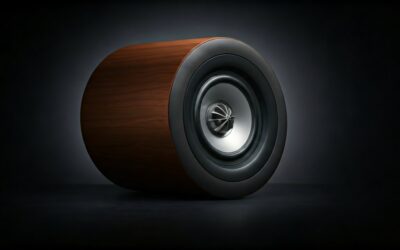
Standard helmet speakers are usually 40mm in diameter. This has become the industry benchmark. If your helmet is “Communication Ready,” it likely has a circular cutout of this exact size. During our shop tests, we’ve found that even “universal” speakers can feel bulky if they exceed 10mm in thickness, potentially causing “hot spots” or ear pain during long rides.
Technical Comparison: Universal vs. Proprietary Moto Speakers
To help you decide which path to take, we have compiled data comparing the most popular speaker configurations currently available to riders.
| Feature | Universal Aftermarket (e.g., iASUS) | Brand-Specific (Sena/Cardo) | Budget Generic (Amazon/eBay) |
|---|---|---|---|
| Connector Type | 3.5mm Jack | Proprietary Multi-pin | 3.5mm or Mini-USB |
| Speaker Diameter | 40mm to 45mm | 40mm | 35mm to 40mm |
| Audio Fidelity | High-Definition / Bass Heavy | Optimized for Voice/Intercom | Low / “Tinny” Sound |
| Installation | Velcro Adhesive | Integrated Clips/Cradles | Velcro Adhesive |
| Price Range | $40 – $100 | $30 – $60 (Replacements) | $15 – $25 |
Why “Universal” Doesn’t Always Mean “Plug-and-Play”
Even if the answer to “are the moto speakers universal” is technically “yes,” there are several nuances I have encountered in the field that can complicate your installation.
Impedance Matching
Not all speakers are powered equally. Most motorcycle Bluetooth units are designed for 32-ohm speakers. If you buy high-end “universal” speakers with a different impedance, you might find the volume is significantly lower than the stock units, or worse, you could strain the amplifier in your comms unit.
Microphone Integration
Many universal moto speakers are sold as a “speaker-only” kit. If your current headset uses a single-wire system where the microphone is hard-wired into the speaker housing, you cannot simply swap the speakers without losing your ability to use voice commands or phone calls.
The EPS Liner Depth
We recently tested the Shoei RF-1400 with a set of 45mm JBL upgrade speakers. While the diameter fit perfectly, the speakers were 2mm thicker than the stock units. This small difference caused the rider’s ears to fold over when putting the helmet on—a classic example of a “universal” part not fitting a specific application perfectly.
Step-by-Step Guide: How to Install Universal Moto Speakers
If you have determined that your setup allows for an upgrade, follow this process to ensure a professional, comfortable fit.
Step 1: Prepare the Helmet
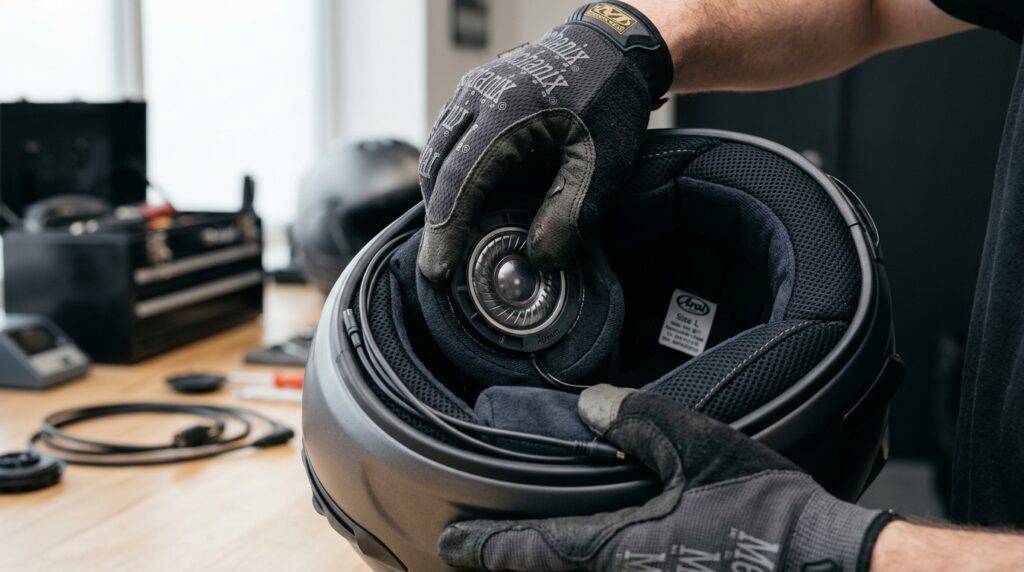
Remove the cheek pads and the comfort liner. Most modern helmets have a “snap-in” system. Be gentle to avoid breaking the plastic clips. Locate the ear pockets in the EPS (Expanded Polystyrene) liner.
Step 2: Test the Fit
Before peeling the adhesive backing off the Velcro, place the moto speakers in the pockets. Put the helmet on and check for “hot spots.” The speakers should be directly centered over your ear canal.
Expert Tip: If the speakers are too far forward or back, you will lose about 40% of the perceived volume and almost all the bass.
Step 3: Cable Management
Run the wires behind the neck roll or under the top liner. Use electrical tape or the provided adhesive clips to keep the wires flush against the shell. Avoid crossing wires over sharp plastic edges which could lead to a short circuit over time.
Step 4: Connecting the Unit
Plug the 3.5mm jack into your Bluetooth receiver. If your unit is mounted on the outside of the helmet, ensure there is a small “drip loop” in the wire to prevent rainwater from running down the cable and into the electronics.
Choosing the Best Universal Speakers for Your Ride
When searching for moto speakers, don’t just look for the cheapest option. Focus on these three “Golden Rules” of motorcycle audio:
- Driver Quality: Look for Neodymium magnets. They provide the strongest punch for their size, which is essential when fighting wind noise at 70 mph.
- Sensitivity: High-sensitivity speakers (measured in dB) will play louder with the limited power provided by a battery-operated Bluetooth unit.
- Wired vs. Wireless: Remember that “moto speakers” refer to the drivers inside the helmet. You still need a way to get the signal to them, usually via a Bluetooth Intercom.
Troubleshooting Universal Moto Speaker Issues
We often hear from riders who say, “I bought universal speakers, but they don’t work!” Here is our checklist for fixing the most common problems:
Low Volume at High Speeds
This is rarely a speaker fault. It is usually caused by wind noise or misalignment. Ensure the speakers are as close to your ears as possible without touching them. If there is a gap, use “spacer pads” (often included in the box) to move the speaker closer to your ear.
Crackling or Distorted Audio
Check the 3.5mm connection. Dust and moisture are the enemies of motorcycle electronics. Clean the jack with a bit of isopropyl alcohol. If the crackling persists, the wire may have an internal break from being pinched by the helmet liner.
No Bass Response
Because helmet speakers are “open-air,” bass is the first thing to disappear. To get better low-end, ensure the ear pockets are sealed. Some riders use a small piece of acoustic foam behind the speaker to reflect the sound forward.
FAQ: Common Questions About Moto Speaker Universality
Are the moto speakers universal for all helmet brands?
Most are universal for Full-Face, Modular, and Dual-Sport helmets that have ear cutouts. However, Half-Helmets (brain buckets) typically require specialized “curtain” speakers or ear-hanger styles because there is no internal liner to hold a standard speaker.
Can I use my iPhone earbuds instead of moto speakers?
Technically, yes, if your Bluetooth unit has a 3.5mm port. However, many states have laws against using “in-ear” headphones while riding. Moto speakers are generally legal because they are mounted to the vehicle (the helmet) and not inserted into the ear canal, allowing you to still hear emergency sirens.
Will universal speakers work with Cardo or Sena?
If you have a Cardo Packtalk (which uses a 3.5mm jack), yes. If you have a Sena 20S/30K/50S, you will likely need the brand’s specific “HD Speaker Upgrade” kit because they use a proprietary connector that combines the speaker and microphone wires into one plug.
Do I need an amplifier for universal moto speakers?
Most modern Bluetooth units like the Cardo Freecom or Sena 5R have built-in amplifiers strong enough to drive 40mm universal speakers. You only need an external amp if you are using high-impedance “audiophile” drivers, which we generally don’t recommend for the harsh motorcycle environment.