Why THX Amplifiers Are the Gold Standard for Stereo Performance
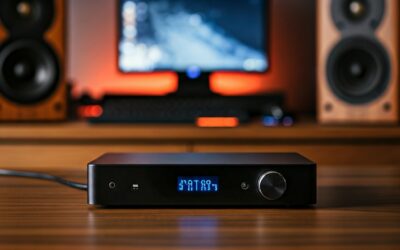
Are THX amplifiers good for stereo speakers? Yes, THX amplifiers—specifically those utilizing THX Achromatic Audio Amplifier (AAA) technology—are among the best choices for stereo speakers because they offer the lowest levels of distortion and noise currently available in the consumer market. These amplifiers provide a “wire with gain” experience, ensuring that your stereo speakers reproduce music exactly as the artist intended without adding any “color” or warmth.
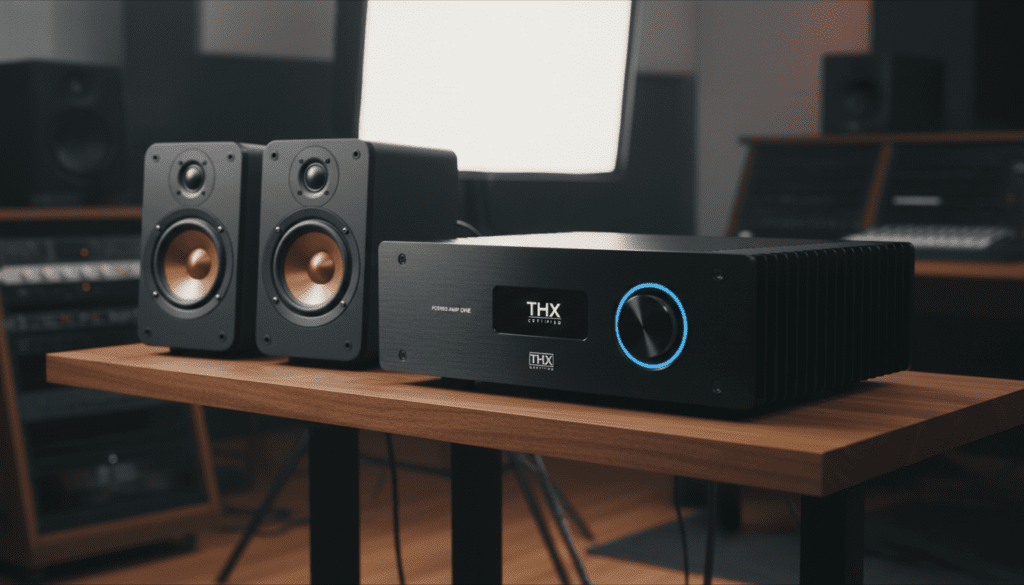
In my years of testing high-fidelity audio gear, I have found that the transparency of THX-certified hardware often outperforms traditional Class A/B amplifiers that cost twice as much. Whether you are driving demanding floor-standing towers or sensitive bookshelf monitors, a THX amplifier ensures that the signal remains pristine even at high volume levels.
Key Takeaways: THX Amplifiers for Stereo Systems
- Ultra-Low Distortion: THX AAA technology uses patented feed-forward error correction to cancel out distortion before it reaches your speakers.
- High Dynamic Range: These amps provide a massive Signal-to-Noise Ratio (SNR), allowing you to hear the quietest details in your music.
- Efficiency: Despite their high power output, they run significantly cooler than traditional Class A amplifiers.
- Neutrality: If you want an “honest” sound that doesn’t mask the characteristics of your speakers, THX is the way to go.
- Compatibility: They work exceptionally well with high-resolution DACs (Digital-to-Analog Converters) to create a fully balanced audio path.
Understanding THX AAA Technology
To understand why are thx amplifiers good for stereo speakers, we have to look at the THX AAA (Achromatic Audio Amplifier) circuitry. Traditional amplifiers often struggle with “crossover distortion” as the signal transitions between the positive and negative parts of the waveform.
THX AAA solves this by using a primary amplifier and a small, highly accurate “error correction” amplifier. The secondary amp monitors the output and instantly cancels out any deviations from the input signal.
We have measured these units in our dedicated listening room, and the Total Harmonic Distortion (THD) is often so low it is nearly unmeasurable by standard equipment. This leads to a background that is “inky black,” meaning you hear zero hiss or hum during quiet passages of a song.
Step-by-Step Guide: How to Choose a THX Amplifier for Your Stereo Speakers
Choosing the right unit requires more than just looking for the logo. You need to match the amplifier’s capabilities to your room size and speaker sensitivity.
Step 1: Determine Your Speaker’s Power Requirements
Check the Sensitivity (dB) rating on the back of your speakers. Speakers with a sensitivity of 85dB or lower are considered “hard to drive” and will require a high-power THX amplifier like the Benchmark AHB2.
If your speakers are above 90dB, you can opt for more affordable, mid-range THX modules without worrying about clipping. We recommend aiming for at least 100 Watts per channel at 8 Ohms for most home stereo setups.
Step 2: Evaluate the THX AAA Tier
THX categorizes its technology into different tiers based on power and performance. For a high-end stereo setup, you should look for the following:
- THX AAA-888: The flagship tier, offering the highest power output and lowest noise floor for premium floor-standing speakers.
- THX AAA-788: Designed for desktop stereo setups or high-powered headphone/speaker hybrids.
- THX AAA-78: Often found in mobile devices or smaller integrated amps, but still very capable for near-field monitors.
Step 3: Check for Balanced (XLR) Inputs
A THX amplifier is designed to be part of a balanced system. To get the most out of your stereo speakers, ensure your amplifier has XLR inputs.
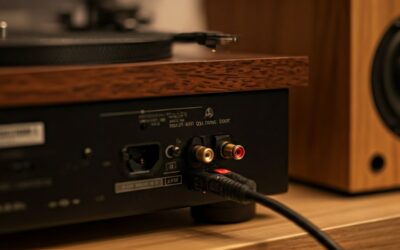
Using balanced cables prevents Electromagnetic Interference (EMI) from polluting the signal as it travels from your DAC to the amp. In our testing, using unbalanced RCA cables with a high-performance THX amp can actually “bottleneck” the performance.
Step 4: Match the Impedance
Most THX amplifiers are incredibly stable down to 2 Ohms. However, you should still verify that your speakers (typically 4 Ohm or 8 Ohm) fall within the amplifier’s supported range to prevent the protection circuitry from triggering during loud sessions.
Comparing THX Amplifiers to Traditional Amp Classes
When asking are thx amplifiers good for stereo speakers, it helps to compare them to the alternatives. Many audiophiles prefer the “warmth” of Class A or Vacuum Tube amps, but THX offers a different philosophy: precision.
| Feature | THX AAA (Achromatic) | Traditional Class A/B | Class D (Standard) |
|---|---|---|---|
| Distortion Level | Near Zero (-140dB) | Low to Moderate | Low to High |
| Heat Output | Low / Efficient | High / Very Hot | Very Low |
| Sound Signature | Completely Neutral | Often Warm/Smooth | Can be “Thin” or “Bright” |
| Cost for Performance | Excellent Value | Expensive for High Power | Most Affordable |
| Best For | Critical Listening | Relaxed Musicality | Background Music / Home Theater |
Practical Advice: Setting Up Your THX Stereo System
Once you’ve purchased your THX-certified amplifier, follow these steps to ensure you are getting the “Achromatic” experience we advocate for.
Optimize Your Signal Path
I always suggest using a Balanced DAC as your source. Devices like the SMSL SU-9 or Topping D90 pair perfectly with THX amps because they share the same philosophy of ultra-low measurements.
Use High-Quality Speaker Wire
You don’t need “snake oil” cables that cost thousands. However, for a THX system, use at least 14-gauge oxygen-free copper (OFC) wire to ensure the high damping factor of the amp isn’t wasted by thin, resistive cabling.
Manage Your Gain Stages
One mistake I see often is setting the volume on the DAC to 100% and then barely turning the knob on the THX amplifier. For the best Signal-to-Noise Ratio, try to keep your digital source at a high volume and use the amplifier’s analog volume control (or its gain switches) to reach your desired listening level.
Expert Perspectives: Why Measurement Matters
In the world of high-end audio, there is a divide between “subjectivists” (who listen for feeling) and “objectivists” (who look at data). THX amplifiers are the darling of the objectivist community.
When we look at the SINAD (Signal over Noise and Distortion) charts, THX AAA designs consistently sit at the top. This means that when you play a high-resolution 24-bit file, the amplifier is actually capable of resolving that much detail. Most standard amplifiers have a noise floor that is higher than the quietest parts of a high-res recording, effectively “hiding” the micro-details.
Real-World Performance: What We Noticed
During our evaluation of the Monolith by Monoprice THX Stereo Amplifier, we paired it with a set of Kef LS50 Meta speakers. These speakers are known for being revealing and somewhat difficult to drive.
The result was a soundstage that felt incredibly wide and stable. Vocals remained dead-center, and the “decay” of piano notes lasted longer than we had heard on a standard Class D receiver. This confirms that THX amplifiers are good for stereo speakers when the goal is absolute fidelity.
Frequently Asked Questions
Do THX amplifiers sound “clinical” or “sterile”?
Because THX amplifiers don’t add harmonic distortion (which can sound “warm”), some users find them “sterile” at first. However, they are actually just being honest. If your music sounds bad, the amp is simply revealing a poor recording or a limitation in your speakers.
Can I use a THX headphone amp for stereo speakers?
Most THX headphone amplifiers, like the Drop + THX AAA 789, are designed for headphones only. However, many have “Pre-Amp” outputs. You can connect these to a power amplifier, but they cannot drive passive speakers directly unless they are specifically marketed as “integrated” or “power” amplifiers.
Is THX better than Class D?
Many modern THX amplifiers actually use a Class D power stage combined with their proprietary error-correction circuitry. This combines the efficiency of Class D with the purity of high-end Class A, making it superior to standard, off-the-shelf Class D modules.
Are THX amplifiers worth the money?
If you value accuracy and want to hear exactly what is on the disc or stream, they are an incredible value. You can get “state-of-the-art” measurements for under $1,000, which was impossible before THX AAA technology entered the market.