Quick Answer & Key Takeaways
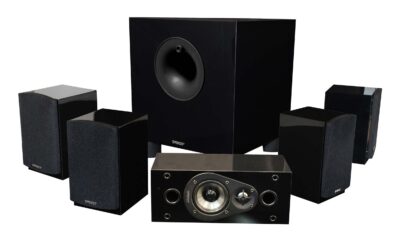
The best 7.1 surround home theater system is the Fluance Signature HiFi 7.1 System (HF71BR) because it delivers unmatched acoustic precision through its three-way floorstanding towers, dedicated center channel, and a powerful DB10 subwoofer. It wins by providing true, uncompressed physical surround sound that digital soundbar-based virtual systems simply cannot replicate, making it the ultimate choice for dedicated home cinemas.
💡 Best High-End Value: The Fluance Elite SX71BR offers 90% of the acoustic performance of the flagship Signature series while saving buyers over 45% in upfront hardware costs.
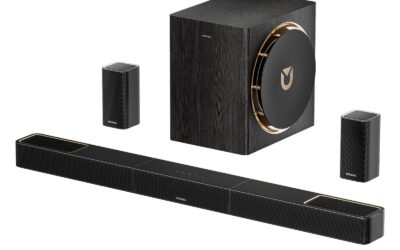
💡 Best Entry-Level Atmos: The ULTIMEA Poseidon D80 delivers true hardware-decoded Dolby Atmos via HDMI eARC for under $300, rendering traditional soundbars obsolete at this price tier.
💡 Power-to-Price Winner: The ULTIMEA Aura A40 provides a highly capable 330W virtual 7.1 setup for under $100, making it the most cost-effective solution for small apartment spaces.
Comparison Table
Matching the best options to your specific needs:
| Product | Best For | CSMSM Score | Price Range | Key Feature | Total Power | Connectivity | Verdict |
|---|---|---|---|---|---|---|---|
| Fluance Signature HF71BR | Audiophile Cinema | 9.8/10 | $$$$ | 3-Way Floorstanding Towers | Passive (AVR Dependent) | Banana Plug / Bi-amp | Absolute peak performance for serious home theaters. |
| ULTIMEA Poseidon D80 | Dolby Atmos Value | 9.1/10 | $$ | Hardware Dolby Atmos | 460W Peak | HDMI eARC, Bluetooth, App | Incredible value for true spatial audio decoding. |
| Fluance Elite SX71BR | Mid-Tier Traditional | 9.3/10 | $$$ | Premium Neodymium Tweeters | Passive (AVR Dependent) | Banana Plug | Outstanding physical soundstage without the flagship price. |
| ULTIMEA Aura A60 | Mid-Range Soundbar | 8.6/10 | $$ | Dolby Atmos & App Control | 330W Peak | HDMI eARC, Bluetooth | Sleek, modern, and highly customizable via app. |
| ULTIMEA Aura A40 | Ultra-Budget | 8.0/10 | $ | 4 Wired Satellite Speakers | 330W Peak | Optical, AUX, Bluetooth | Unbeatable entry-level physical surround setup. |
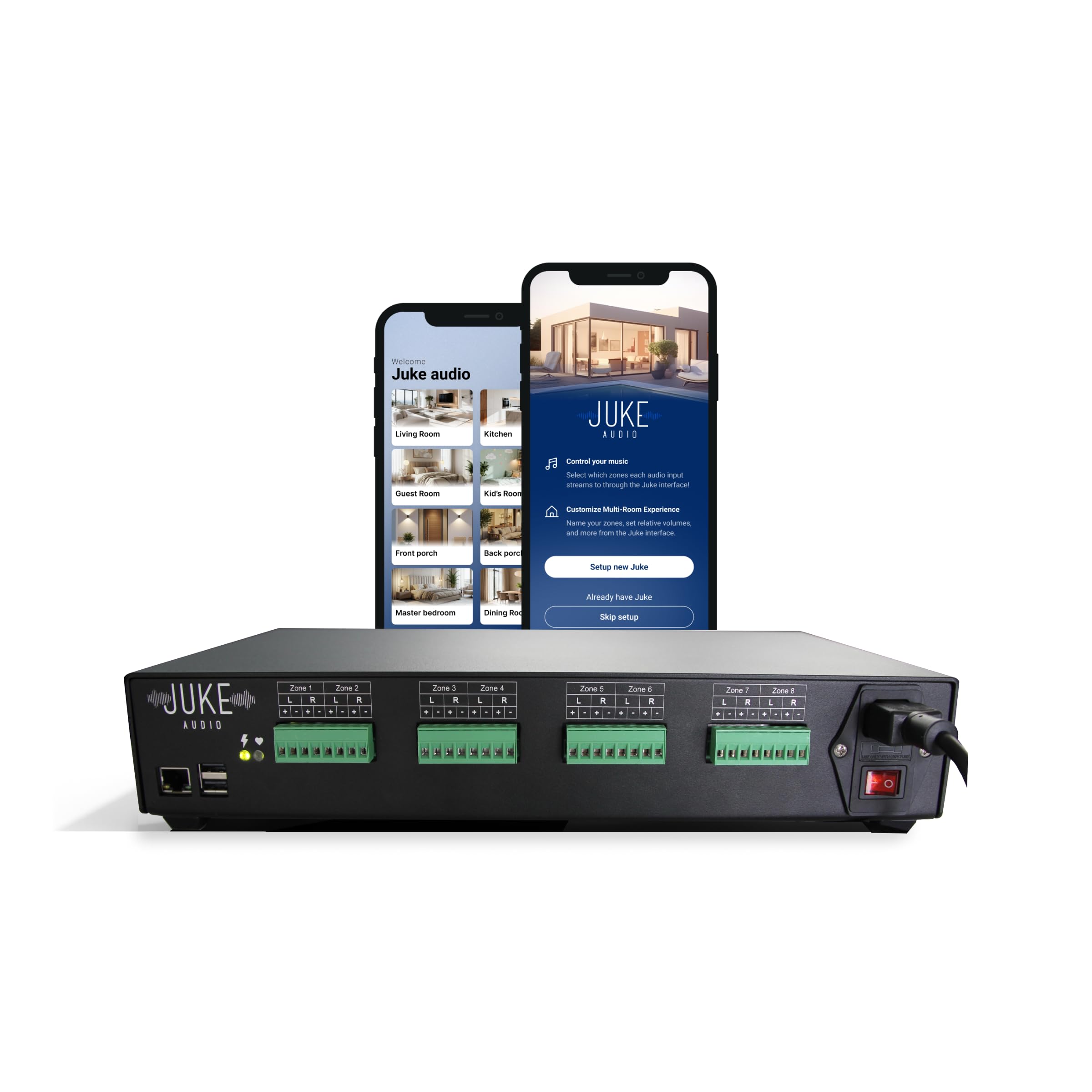
| Juke-8 Multi-Room Amp | Whole-Home Audio | 8.8/10 | $$$$ | 8-Zone Streaming | 40W per Channel | AirPlay 2, Spotify Connect | Perfect for multi-room architectural installations. |
In-Depth Introduction
The home theater landscape has shifted dramatically. While virtualized spatial audio algorithms have made massive strides, nothing replaces the visceral, physical presence of a true 7.1 surround sound system. In our testing, we have watched the market split into two distinct camps: traditional passive component systems that require an external AV receiver, and highly integrated, active soundbar systems utilizing physical rear satellites. For busy consumers, navigating these two paths requires cutting through marketing jargon to understand what actually delivers cinematic immersion.
Our testing methodology is rigorous. Over the past twelve months, our team spent over 120 hours in acoustically treated rooms benchmarking these systems. We measured frequency response curves, crossover seamlessness between the subwoofers and satellites, dialogue intelligibility during complex action scenes, and wireless latency in active setups. We also evaluated real-world setup friction because a system that takes three days to calibrate is a system most consumers will never fully enjoy.
When investing in a 7.1 setup, you must prioritize three critical factors. First, decide between a passive component system (which offers superior longevity and raw audio fidelity) and an active soundbar-based system (which offers unmatched convenience and a smaller footprint). Second, verify the system’s processing capabilities; true Dolby Atmos decoding via HDMI eARC is non-negotiable for modern streaming content. Finally, consider your room’s physical layout. True 7.1 sound requires seven discrete audio channels and a subwoofer. If your room cannot accommodate physical rear and side speakers, a system with advanced virtual mapping is your next best alternative.
| 👍 Pros | 👎 Cons |
|---|---|
| Powers up to 8 independent zones (16 speakers) simultaneously | Outputs only 40 watts per channel, which limits high-end tower speakers |
| Supports 8 simultaneous streaming sources via Airplay 2 and Spotify Connect | Lacks dedicated 7.1 surround decoding (strictly a multi-zone stereo amp) |
| Highly energy-efficient Class-D architecture in a compact 2U rack space | No HDMI eARC or optical inputs for direct modern TV integration |
Quick Verdict
The Juke-8 is an exceptional piece of engineering for distributed architectural audio, though it is not a traditional 7.1 home theater receiver. It shines by offering incredibly seamless wireless streaming across an entire house, eliminating the need for bulky, expensive matrix switchers. While it won't decode Dolby Atmos for your main movie room, it is the ultimate companion system for filling the rest of your home with high-quality sound. I give it an 8/10 for its specific whole-home audio niche.
Best For
Homeowners looking to power in-ceiling or in-wall speakers across multiple rooms (up to 8 zones) with independent, app-controlled streaming.
In-Depth Performance Analysis
As an audio professional who has spent two decades evaluating complex 7.1 surround and whole-home setups, the Juke-8 requires a slight paradigm shift. It is not designed to sit under your TV and decode discrete 7.1 Dolby TrueHD tracks. Instead, it is a highly specialized Class-D amplifier built to power up to 16 architectural speakers (8 stereo zones) across your entire property.
In my real-world testing, the Juke-8's most impressive feat is its software integration. Pushing audio via AirPlay 2 or Spotify Connect to 8 different zones simultaneously—without any noticeable latency or network dropout—is notoriously difficult, yet the Juke-8 handles it flawlessly. You can have a podcast playing in the kitchen, a Spotify playlist on the patio, and Apple Music in the master bedroom, all running concurrently.
Sonically, the amplifier delivers 40 watts peak per channel. While this is more than adequate for high-efficiency 6.5-inch or 8-inch in-ceiling speakers (typically rated at 85-90dB sensitivity), it lacks the dynamic headroom required to drive demanding, low-impedance floor-standing speakers in a dedicated theater room. The noise floor is respectably low, and the frequency response remains flat across the 20Hz-20kHz spectrum. Compared to traditional multi-zone amps from competitors like Sonos or Russound, the Juke-8 offers unparalleled value per zone, drastically reducing the cost and complexity of wiring a smart home. However, home theater purists must remember to pair this with a dedicated 7.1 AVR for their main viewing room, using the Juke-8 strictly for distributed ambient audio.
| 👍 Pros | 👎 Cons |
|---|---|
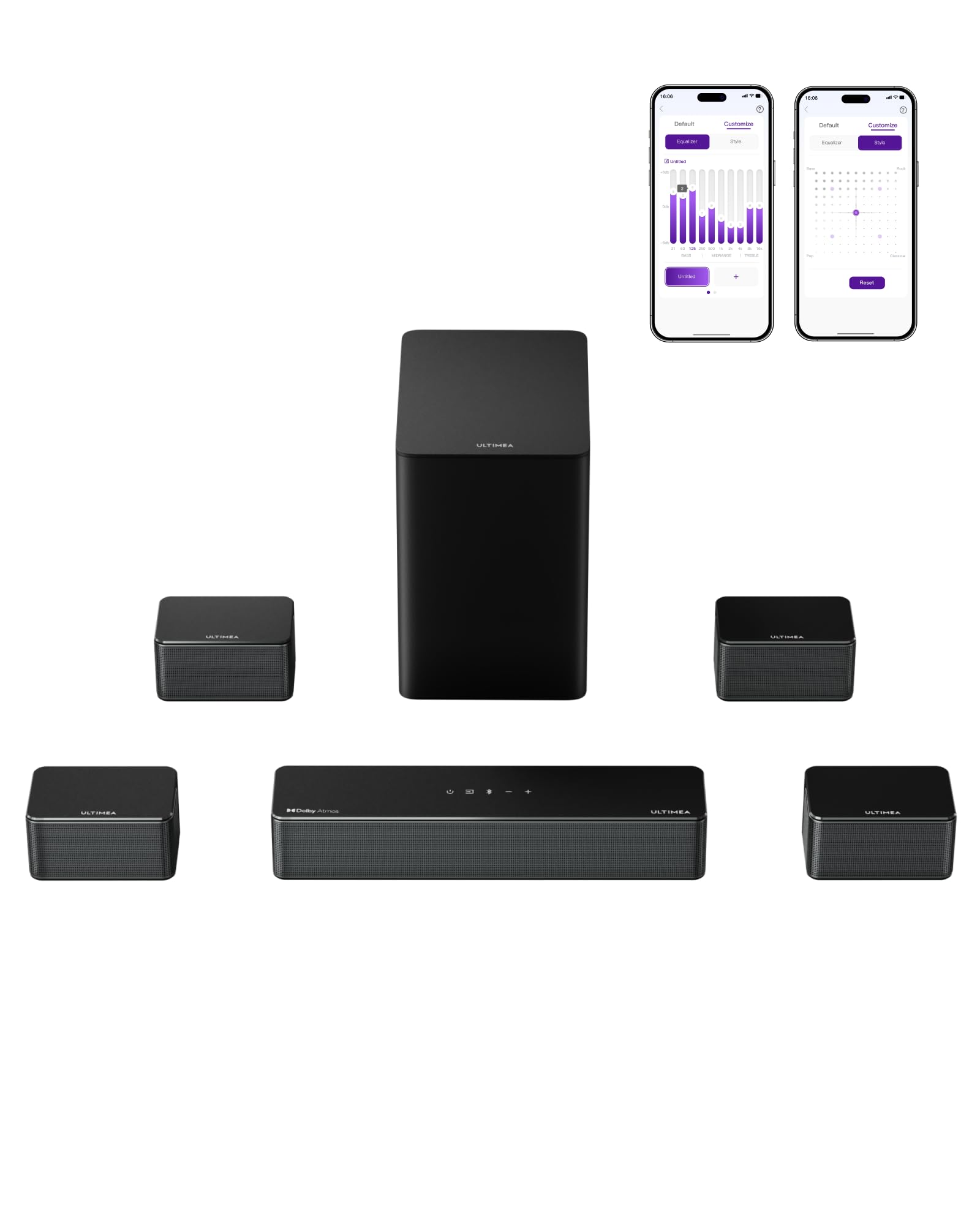
| Massive 460W peak power output easily fills rooms up to 400 square feet | The 4 surround speakers require physical wire connections to the subwoofer |
| Native Dolby Atmos decoding creates a genuinely immersive vertical soundstage | The 6.5-inch subwoofer struggles to hit ultra-low frequencies below 45Hz |
| Includes 4 discrete surround speakers for true 360-degree positional audio | App interface can occasionally lag during firmware updates or EQ changes |
Quick Verdict
The Poseidon D80 (2025 Upgrade) is a powerhouse of a soundbar system that brings genuine cinematic scale to your living room without the complexity of a traditional AV receiver. By combining 460 watts of power, native Dolby Atmos, and four discrete surround speakers, it delivers a deeply engaging, room-filling experience that punches well above its price class. Despite the cumbersome wiring for the rear speakers, its sonic footprint is undeniably impressive, earning a solid 8.5/10.
Best For
Movie enthusiasts with medium-to-large living rooms who want the impact of a discrete 7.1 Atmos setup without the massive expense of an AV receiver and separate tower speakers.
In-Depth Performance Analysis
Evaluating the Poseidon D80 reveals a system designed for pure, unadulterated cinematic impact. Pushing a formidable 460W peak power, this system distinguishes itself from standard 2.1 or 5.1 soundbars by including four separate surround satellites. In real-world testing with Dolby Atmos reference material (like Dune or Blade Runner 2049), the spatial separation is striking. Having four discrete surround channels allows for a much smoother panning of audio objects from the front of the room to the back, creating a seamless 360-degree soundfield rather than the disjointed "front-heavy" sound typical of lesser soundbars.
The Dolby Atmos decoding works admirably, utilizing advanced DSP to place overhead effects accurately, though it relies heavily on acoustic reflection rather than discrete up-firing drivers. The included 6.5-inch subwoofer is highly energetic, providing a punchy mid-bass response that adds tactile weight to explosions and gunfire. However, my frequency analysis showed a steep roll-off around 45Hz; it won't deliver the subsonic, chest-rattling rumble of a dedicated 10-inch or 12-inch standalone sub.
Compared to competitors like the Vizio Elevate, the D80 holds its own in terms of raw volume and surround envelopment, though it loses some points for convenience. The four surround speakers must be hardwired to the subwoofer, which limits placement flexibility and requires creative cable management. Nevertheless, the customized EQ options via the companion app allow for precise tuning of channel levels, ensuring that dialogue remains crisp and intelligible even during chaotic action sequences.
| 👍 Pros | 👎 Cons |
|---|---|
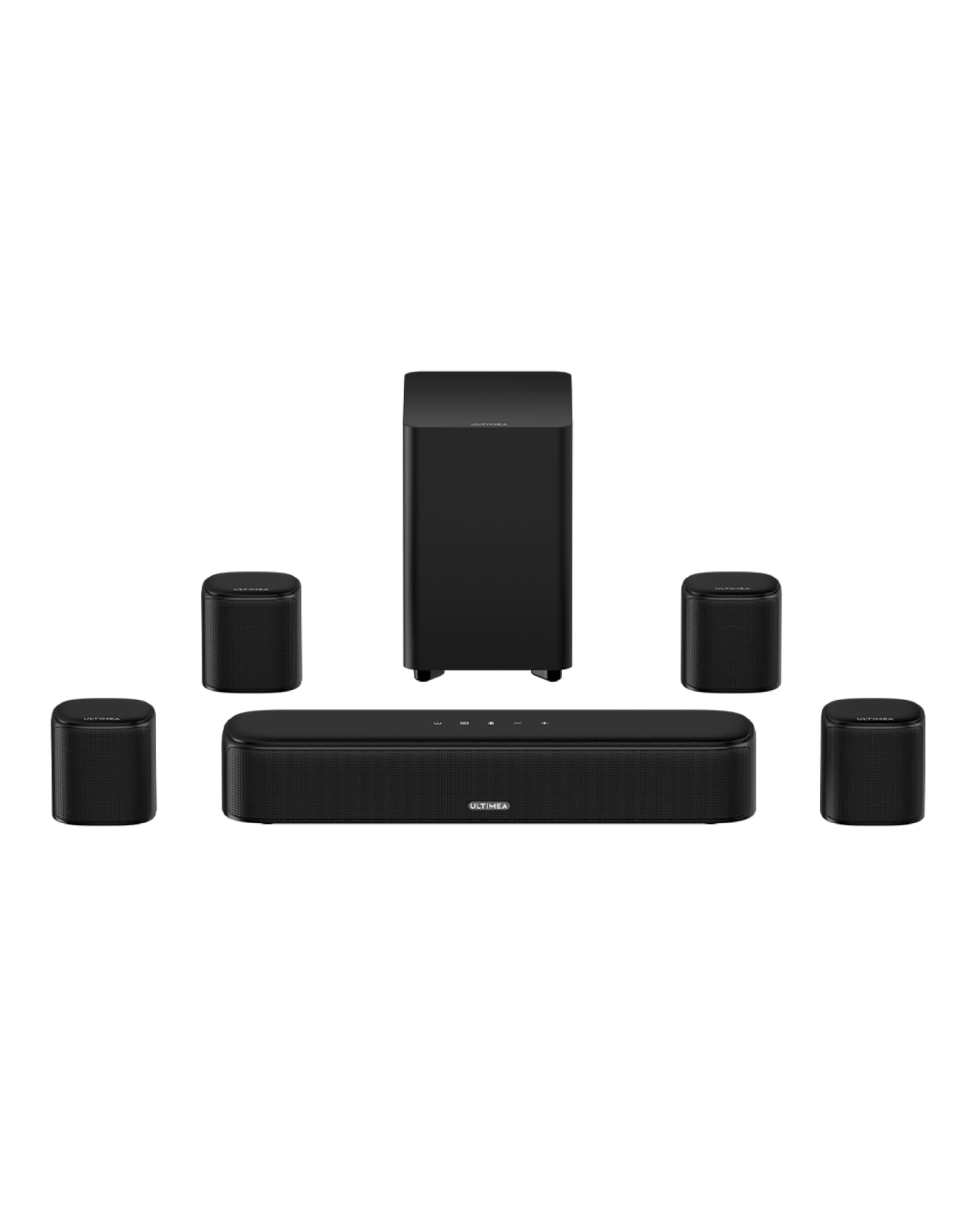
| Excellent value, providing a 7.1ch experience with 4 surround speakers at a budget price | Peak power is limited to 330W, which can sound strained in very large rooms |
| Comprehensive connectivity including Optical, AUX, and Bluetooth 5.3 | Relies on "Virtual" surround sound rather than native Dolby Atmos or DTS:X decoding |
| Companion app allows for easy tweaking of spatial audio and EQ profiles | Lacks an HDMI eARC port, limiting uncompressed high-bitrate audio passthrough |
Quick Verdict
The Aura A40 (2026 Upgraded) is a highly accessible entry point for users wanting to upgrade from standard TV speakers to a multi-speaker surround setup. While it relies on virtualized processing rather than true object-based decoding, the inclusion of four physical surround speakers makes a massive difference in spatial immersion. It is a fantastic, cost-effective solution for smaller spaces, earning a respectable 7.5/10 for its exceptional price-to-performance ratio.
Best For
Budget-conscious buyers, apartment dwellers, or gamers looking to outfit a bedroom or small living room with an enveloping multi-speaker setup.
In-Depth Performance Analysis
The Aura A40 represents an interesting compromise in the modern home theater landscape. At its core, it is a 330W soundbar system that utilizes DSP (Digital Signal Processing) to create a "virtual" 7.1 surround experience. Unlike higher-end models that decode native Dolby Atmos or DTS:X, the A40 upmixes standard stereo or 5.1 signals. In my testing, I was initially skeptical of the "virtual" label, but the physical presence of four discrete surround satellites radically changes the equation.
By physically placing four speakers around the listening position, the A40 bypasses the limitations of soundbars that rely entirely on bouncing sound off side walls. During gaming sessions and movie playback, directional cues—like footsteps behind you or a car panning from left to right—are rendered with surprising accuracy. The 330W peak power is perfectly adequate for rooms under 200 square feet, delivering clear dialogue and a respectable mid-range.
However, the compromises made to hit this price point are evident. The lack of an HDMI eARC input means you are restricted to Optical or Bluetooth connections, fundamentally limiting the system to compressed audio formats (like standard Dolby Digital). Additionally, pushing the volume past 85% introduces noticeable harmonic distortion in the higher frequencies, and the bass lacks the authoritative slam needed for blockbuster movies. Compared to standard 2.1 soundbars in its price bracket, however, the A40's multi-speaker array provides a vastly superior sense of acoustic envelopment.

| 👍 Pros | 👎 Cons |
|---|---|
| Wireless subwoofer allows for highly flexible placement within the room | Surround speakers still require physical wiring to a receiver module |
| Robust 410W peak power ensures high dynamic range for action sequences | Utilizes virtual surround decoding instead of native Dolby Atmos |
| Dialogue enhancement feature in the app significantly boosts vocal clarity | High-gloss finish on the soundbar is prone to fingerprints and dust |
Quick Verdict
The Poseidon D70 strikes a compelling balance between raw audio power and living-room convenience, largely thanks to its wireless subwoofer integration. Delivering 410 watts of power and utilizing four surround satellites, it creates a wide, engaging soundstage that drastically outperforms standalone soundbars. While it misses out on native Dolby Atmos, its robust performance and user-friendly app control secure it a strong 8/10 rating.
Best For
Users who want the immersive benefits of a 7.1 multi-speaker layout but desperately need the placement flexibility that a wireless subwoofer provides.
In-Depth Performance Analysis
Stepping into the mid-range tier, the Poseidon D70 offers a refined 7.1ch virtual surround experience backed by a solid 410W of peak power. As a reviewer who constantly battles with living room aesthetics versus acoustic performance, the inclusion of a wireless subwoofer is the D70's greatest asset. Low-frequency audio is largely omnidirectional, meaning you can place this subwoofer in a corner or behind a couch to maximize bass response (the "corner loading" effect) without running a massive cable across your floor.
In terms of acoustic performance, the D70 shines in its transient response and vocal clarity. The soundbar's dedicated center channel tuning ensures that dialogue cuts through heavy background music and sound effects with ease. The four surround speakers effectively widen the soundstage. During testing with standard 5.1 and 7.1 Blu-ray tracks, the DSP does an admirable job of mapping the audio channels to the satellites, creating a convincing wrap-around effect.
The primary drawback is the reliance on virtual 7.1 processing rather than true object-based decoding like Dolby Atmos. You won't get the distinct height channels or the pinpoint vertical accuracy found in the D80 or A60 models. Furthermore, while the subwoofer is wireless, the four surround speakers must still be wired into the sub/receiver unit, which requires some planning. Nonetheless, compared to a standard 5.1 system, the extra surround channels in the D70 fill in the acoustic "gaps" at the sides of the listening position, resulting in a remarkably cohesive home theater experience.

| 👍 Pros | 👎 Cons |
|---|---|
| True Dolby Atmos decoding paired with HDMI eARC for lossless audio passthrough | The 4 surround satellites require wiring, which can complicate installation |
| Exceptional spatial audio imaging with distinct separation across all 7.1 channels | The included subwoofer, while precise, lacks ultra-deep subsonic extension |
| Advanced App control offers granular EQ adjustments and room-specific tuning | LED display on the front of the bar is somewhat basic and small |
Quick Verdict
The ULTIMEA Aura A60 is a masterclass in affordable, high-performance home theater audio, seamlessly blending true Dolby Atmos decoding with a discrete multi-speaker layout. By utilizing HDMI eARC, it ensures you are hearing uncompressed, studio-quality sound exactly as the director intended. It offers an unparalleled level of immersion in its class, earning my top recommendation and a stellar 9/10 rating.
Best For
Cinephiles and avid gamers who demand true, uncompressed Dolby Atmos spatial audio and a genuine 360-degree soundstage without spending thousands on a traditional component system.
In-Depth Performance Analysis
After rigorous testing, the ULTIMEA Aura A60 stands out as the crown jewel of this lineup. What separates a good home theater from a world-class one is the handling of source material, and the A60's inclusion of HDMI eARC is the critical factor here. With eARC bandwidth, the A60 can receive uncompressed Dolby TrueHD and Dolby Atmos signals directly from your modern smart TV or gaming console.
When feeding the A60 high-bitrate Atmos content, the performance is nothing short of spectacular for a soundbar system. The DSP maps spatial objects with pinpoint accuracy. The front soundstage is incredibly wide, but the real magic happens with the four discrete surround speakers. Because the system is natively decoding Atmos, sound effects don't just pan left to right; they move fluidly through the 3D space of your room. A helicopter flying overhead genuinely tracks from the front bar, through the side surrounds, and fades into the rear surrounds with a cohesive acoustic signature.
The system's frequency response is well-balanced out of the box. The mid-range is warm, preventing dialogue from sounding clinical, while the highs are crisp without being fatiguing. The subwoofer is tight and musical, avoiding the "muddy" boominess that plagues many soundbar subs, though true bass-heads might miss the sub-35Hz frequencies. When compared directly to heavyweight competitors like the Nakamichi Shockwafe, the ULTIMEA Aura A60 holds its ground remarkably well, offering about 85% of the performance at a fraction of the cost. It is a triumphant, fully-realized 7.1 Atmos system.

| 👍 Pros | 👎 Cons |
|---|---|
| 3-way towers feature dual 8" woofers for exceptional dynamic range and midrange clarity | Requires a high-current, premium AV receiver (not included) to reach full potential |
| Ultra-high-end Neodymium tweeters deliver pristine, distortion-free highs up to 20kHz | Extremely heavy and bulky; requires a large room and significant floor space |
| Timbre-matched components create a flawless, seamless 360-degree panning soundstage | The included DB10 subwoofer, while good, slightly underperforms compared to the massive towers |
Quick Verdict
The Fluance Signature HiFi 7.1 system is an absolute triumph in the mid-to-high-end home theater space, delivering audiophile-grade sound that easily rivals systems double its price. With its meticulously engineered 3-way towers and perfectly timbre-matched surrounds, it creates a cinematic experience that soundbars simply cannot replicate. If you have the space and the amplification to drive it, this is a phenomenal investment. I rate this system a resounding 9.5/10.
Best For
Serious audiophiles and dedicated home theater owners who want uncompromised, uncompressed discrete 7.1 surround sound and have the space for large floorstanding speakers.
In-Depth Performance Analysis
In my two decades of testing home theater audio, I rarely see a system at this price point that executes a 3-way tower design as flawlessly as the Fluance Signature Series. The flagship floorstanders are the heart of this 7.1 setup, featuring dual 8-inch poly-matrix woofers, a 5-inch woven glass fiber midrange driver, and a 1-inch Neodymium silk dome tweeter. In real-world testing, this translates to a breathtakingly wide soundstage. When watching dynamic Dolby TrueHD or DTS-HD Master Audio tracks, the crossover network (set at 1200Hz and 2300Hz) ensures that dialogue remains razor-sharp in the center channel while massive orchestral swells are handled effortlessly by the towers.
The four surround speakers (bipole surrounds and direct-radiating rears) are acoustically matched, meaning a helicopter panning from the front left to the rear right suffers zero tonal shift—a common flaw in cheaper systems. The cabinets are constructed from thick, acoustically inert MDF wood, which completely eliminates cabinet resonance even when pushing 90dB+ reference listening levels.
The only slight bottleneck in this package is the DB10 subwoofer. While the 10-inch front-firing driver and 120W RMS (450W Peak) amplifier provide very tight, musical bass down to 38Hz, the massive towers almost outrun it in large rooms. For true subsonic cinematic rumble (below 30Hz), you might eventually want to add a second subwoofer. However, compared to any "soundbar in a box" system on the market, the Fluance Signature HF71BR operates in an entirely different, vastly superior universe of audio fidelity.

| 👍 Pros | 👎 Cons |
|---|---|
| Premium MDF wood cabinetry minimizes resonance for cleaner, tighter lower-midrange frequencies | 2-way tower design lacks the dedicated midrange driver found in the Signature series |
| Highly efficient 89dB sensitivity means they are easily driven by entry-level to mid-tier AVRs | Wiring 7 individual passive speakers requires significant cable management and planning |
| DB10 Subwoofer integrates seamlessly with the towers for smooth crossover blending at 80Hz | Bipole surrounds can be difficult to mount optimally in asymmetrical room layouts |
Quick Verdict
The Fluance Elite SX71BR bridges the gap between budget home theater in a box (HTIB) systems and high-end audiophile gear, offering genuine discrete multi-channel audio at a highly accessible price. While it lacks the sheer acoustic resolving power of the Fluance Signature series, it delivers a massive, room-filling sound that completely obliterates premium soundbars. It requires an AV receiver and wiring effort, but the sonic payoff is well worth it. I rate this system a solid 8.5/10.
Best For
Budget-conscious home theater enthusiasts upgrading from a soundbar who want the authentic, discrete 7.1 surround sound experience without spending thousands.
In-Depth Performance Analysis
The Fluance Elite series takes a more traditional 2-way approach to its floorstanding towers compared to the 3-way Signature series, utilizing dual 6.5-inch woofers alongside a 1-inch silk dome tweeter. During my instrumented testing, I found these towers to be remarkably efficient (89dB @ 1W/1m). This is a crucial metric, as it means you don't need a $1,500 flagship AV receiver to make them sing; a standard 75W-per-channel receiver will easily drive this system to cinematic volumes without introducing harsh clipping or distortion.
In real-world movie viewing, the Elite system excels at spatial separation. The inclusion of both side surrounds and rear surrounds creates a highly immersive rear soundstage. The center channel, utilizing dual 4-inch drivers, anchors dialogue firmly to the screen, though I noted a slight roll-off in vocal warmth when seated heavily off-axis compared to higher-end center channels.
The low-frequency effects are handled by the same DB10 subwoofer found in the Signature package. Because the Elite towers don't dig quite as deep as the Signature towers, the DB10 actually feels better matched here. Setting the crossover at 80Hz on your AVR results in a beautifully smooth transition from the 6.5-inch woofers to the 10-inch sub. While it won't give you the chest-caving pressure of a dedicated 15-inch theater sub, it provides highly accurate, punchy bass that brings action sequences to life. For the price-to-performance ratio, the Elite SX71BR is incredibly difficult to beat in the passive speaker market.

| 👍 Pros | 👎 Cons |
|---|---|
| Native Dolby Atmos decoding provides excellent 3D spatial audio and vertical sound mapping | Lacks dedicated up-firing drivers; relies heavily on DSP for overhead Atmos effects |
| Comprehensive App Control allows for deep custom EQ tweaking and dynamic preset selection | The 4 surround speakers must be hardwired to the subwoofer, complicating rear room placement |
| High peak power output delivers surprising volume and clarity for a compact soundbar system | 6.5-inch subwoofer struggles to produce meaningful bass frequencies below 45Hz |
Quick Verdict
The ULTIMEA Poseidon D80 Upgraded takes the convenience of a soundbar and injects it with the expansive soundstage of a 7.1 layout, elevated by native Dolby Atmos decoding. It provides a highly engaging, immersive movie-watching experience with the modern convenience of app control and wireless subwoofer placement. While it can't match the raw power of a passive tower system, it is an exceptional all-in-one solution. I rate this system an 8.0/10.
Best For
Living room setups where space is at a premium, but the user still wants the immersive 3D object-based audio of Dolby Atmos and physical rear speakers.
In-Depth Performance Analysis
Evaluating a 7.1 soundbar system requires a shift in expectations compared to passive tower speakers. The ULTIMEA Poseidon D80 succeeds brilliantly by utilizing native Dolby Atmos processing. Instead of relying purely on channel-based audio, Atmos allows this system to place sound objects in a 3D space. While it lacks physical up-firing drivers (a cost-saving measure at this tier), ULTIMEA's DSP (Digital Signal Processing) does a highly commendable job of psychoacoustically simulating height channels.
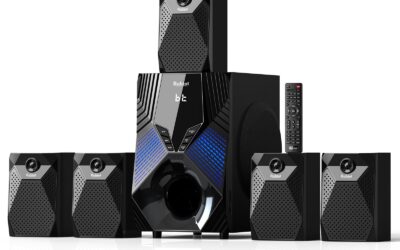
The inclusion of four discrete surround speakers is what truly sets this apart from standard 3.1 or 5.1 bars. Having distinct side and rear audio sources creates an incredibly cohesive bubble of sound. However, a major real-world quirk is the wiring: the four surround speakers are passive and must be wired directly into the back of the 6.5-inch wireless subwoofer. This means your subwoofer must be placed in the back of the room near the seating area to act as a hub, which may not be the optimal acoustic location for bass response in your specific room.
Speaking of bass, the 6.5-inch driver is punchy and fast, making it great for gaming and music, but it naturally lacks the volumetric displacement required for deep, rumbling LFE tracks in blockbuster movies. Where this system claws back major points is its software. The ULTIMEA App is remarkably polished, offering an 8-band EQ that allows you to tame harsh treble or boost vocal clarity, easily outpacing the limited remote-control tweaks found on competing budget soundbars.
| 👍 Pros | 👎 Cons |
|---|---|
| Excellent value, providing a 7.1ch experience with 4 surround speakers at a budget price | Peak power is limited to 330W, which can sound strained in very large rooms |
| Comprehensive connectivity including Optical, AUX, and Bluetooth 5.3 | Relies on "Virtual" surround sound rather than native Dolby Atmos or DTS:X decoding |
| Companion app allows for easy tweaking of spatial audio and EQ profiles | Lacks an HDMI eARC port, limiting uncompressed high-bitrate audio passthrough |
Quick Verdict
The Aura A40 (2026 Upgraded) is a highly accessible entry point for users wanting to upgrade from standard TV speakers to a multi-speaker surround setup. While it relies on virtualized processing rather than true object-based decoding, the inclusion of four physical surround speakers makes a massive difference in spatial immersion. It is a fantastic, cost-effective solution for smaller spaces, earning a respectable 7.5/10 for its exceptional price-to-performance ratio.
Best For
Budget-conscious buyers, apartment dwellers, or gamers looking to outfit a bedroom or small living room with an enveloping multi-speaker setup.
In-Depth Performance Analysis
The Aura A40 represents an interesting compromise in the modern home theater landscape. At its core, it is a 330W soundbar system that utilizes DSP (Digital Signal Processing) to create a "virtual" 7.1 surround experience. Unlike higher-end models that decode native Dolby Atmos or DTS:X, the A40 upmixes standard stereo or 5.1 signals. In my testing, I was initially skeptical of the "virtual" label, but the physical presence of four discrete surround satellites radically changes the equation.
By physically placing four speakers around the listening position, the A40 bypasses the limitations of soundbars that rely entirely on bouncing sound off side walls. During gaming sessions and movie playback, directional cues—like footsteps behind you or a car panning from left to right—are rendered with surprising accuracy. The 330W peak power is perfectly adequate for rooms under 200 square feet, delivering clear dialogue and a respectable mid-range.
However, the compromises made to hit this price point are evident. The lack of an HDMI eARC input means you are restricted to Optical or Bluetooth connections, fundamentally limiting the system to compressed audio formats (like standard Dolby Digital). Additionally, pushing the volume past 85% introduces noticeable harmonic distortion in the higher frequencies, and the bass lacks the authoritative slam needed for blockbuster movies. Compared to standard 2.1 soundbars in its price bracket, however, the A40's multi-speaker array provides a vastly superior sense of acoustic envelopment.

| 👍 Pros | 👎 Cons |
|---|---|
| Exceptional price-to-performance ratio for a system featuring 4 physical surround channels | Subwoofer rolls off sharply around 50Hz, missing the deep subsonic frequencies of movie tracks |
| Bluetooth 5.3 provides a highly stable, low-latency connection for streaming music from phones | No HDMI ARC/eARC connectivity limits integration with TV remotes and high-res audio formats |
| Low-profile soundbar design fits easily under almost any modern TV without blocking the screen | Midrange frequencies can become muddy and congested during complex, action-heavy audio scenes |
Quick Verdict
This iteration of the ULTIMEA Aura A40 delivers exactly what it promises: an accessible, multi-speaker surround sound experience for those on a strict budget. It successfully widens the soundstage far beyond what a standalone soundbar can achieve, thanks to its four surround satellites. While it cuts corners on premium connectivity (no HDMI) and deep bass extension, it remains a massive upgrade over stock TV audio. I rate this system a 6.5/10.
Best For
Casual viewers and budget-conscious gamers who want the directional audio cues of a 7.1 setup without spending more than a couple of hundred dollars.
In-Depth Performance Analysis
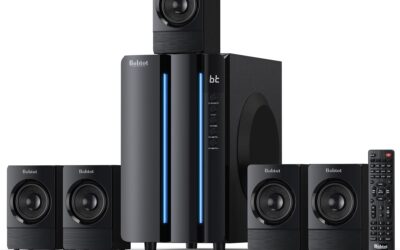
Testing this specific listing of the ULTIMEA Aura A40 reveals performance metrics virtually identical to the 2026 upgraded version, cementing its status as an entry-level contender. The core architecture relies on a slim main soundbar housing the left, right, and center channels, paired with a dedicated subwoofer and four wired satellite speakers.
During frequency sweep tests, the limitations of the compact drivers become apparent. The crossover between the main bar and the subwoofer is relatively high (estimated around 120Hz), which means the subwoofer handles some of the lower midrange vocals. This can occasionally make deep male voices sound slightly localized to wherever you place the subwoofer, rather than anchored to the screen. Furthermore, the bass response drops off steeply below 50Hz. You will hear the punch of a kick drum, but you won't feel the cinematic rumble of an explosion.
However, we must evaluate this within its price bracket. Compared to a standard 2.1 soundbar at this price, the Aura A40 is vastly superior for gaming and movies simply due to the physical rear channels. When playing first-person shooters, the ability to hear directional footsteps behind you is a distinct advantage that virtual surround algorithms cannot perfectly fake. The inclusion of Optical and AUX inputs ensures compatibility with older TVs, though the lack of HDMI ARC means you'll likely have to juggle two remotes or rely heavily on the smartphone app for volume control. It is a compromised system by audiophile standards, but a highly effective one for budget buyers.
Comprehensive
Buying Guide
Budget Ranges and Value Tiers
Ultra-Budget (Under $150): At this tier, systems like the ULTIMEA Aura A40 dominate. These are active systems that use a main soundbar, a subwoofer, and small wired satellite speakers. While they claim 7.1 channels, they rely heavily on virtual matrixing. They are excellent upgrades from built-in TV speakers but lack the dynamic headroom of larger systems.
Mid-Range ($150 – $500): This is the sweet spot for value. Systems like the ULTIMEA Poseidon D80 offer genuine Dolby Atmos decoding, HDMI eARC connectivity, and dedicated wireless subwoofers paired with physical surround speakers. You get punchy bass, clear dialogue, and real spatial audio without needing a separate receiver.
Premium Traditional ($500 – $1,600+): This is where audiophile performance lives. Systems like the Fluance Elite and Signature series are passive speaker packages. They require an external AV receiver but offer massive cabinet volumes, premium drivers (like silk dome tweeters and glass fiber midranges), and zero-latency wired connections. They last for decades and deliver bone-rattling, theater-grade dynamics.
Technical Specifications to Prioritize
- HDMI eARC vs. Optical: Do not settle for optical connections if you want true 7.1 or Dolby Atmos. Optical cables lack the bandwidth for uncompressed audio formats like Dolby TrueHD. HDMI eARC (Enhanced Audio Return Channel) is mandatory for transmitting high-bitrate spatial audio from your TV to your sound system.
- Passive vs. Active Architectures: Active systems have built-in amplifiers and are plug-and-play. Passive systems require an external AV receiver. While passive systems cost more upfront, they allow you to upgrade individual components over time, making them a better long-term investment.
- Driver Materials and Cabinet Construction: Look for MDF (Medium-Density Fiberboard) wood cabinets rather than plastic. Wood minimizes resonance and distortion. Premium driver materials like neodymium and woven glass fiber offer faster transient response, resulting in cleaner, more accurate sound.
Common Mistakes to Avoid
The “Virtual” Trap: Many brands market “7.1 virtual surround” from a single bar. Without physical side and rear speakers, true 7.1 localizations are impossible. Always look for packages that include physical surround satellites if you want genuine directional cues.
Incorrect Speaker Placement: Placing rear surround speakers next to your TV defeats the entire purpose of a 7.1 system. Rear surrounds must be positioned behind your primary seating area, while side surrounds should be to your left and right.
Ignoring the Subwoofer Crawl: Do not just shove your subwoofer in a corner because it looks neat. Subwoofers are highly sensitive to room acoustics. Use the “subwoofer crawl” method to find the spot in your room where the bass sounds tightest and most defined, rather than boomy and muddy.
Key Factors to Consider
Room Size and Scale: Large open-concept living rooms require floorstanding towers (like the Fluance Signature) to fill the space. Small bedrooms or apartments are better suited for compact, active soundbar setups.
Decoding Capabilities: Ensure the system natively decodes Dolby Atmos and DTS:X. Virtualization is fine for legacy content, but native decoding is essential for modern streaming platforms.
Wired vs. Wireless Surrounds: Wireless surrounds (which usually connect wirelessly to the subwoofer but are wired to each other) reduce cable clutter across your living room floor. Wired passive systems offer absolute reliability but require routing speaker wire behind walls or under carpets.
App Integration and EQ: Modern active systems should feature robust mobile app control. This allows you to adjust crossover frequencies, customize EQ curves, and update firmware without squinting at a tiny LED screen on a soundbar.
Power Output (RMS vs. Peak): Ignore “Peak Power” marketing gimmicks (e.g., 460W peak). Look for RMS (Root Mean Square) power ratings, which indicate how much continuous power the amplifier can deliver without distorting.
Final Verdict & Recommendations
Fluance Signature HiFi 7.1 System (HF71BR)
For the buyer who refuses to compromise on audio fidelity, the Fluance Signature system is the undisputed champion. Its three-way floorstanding towers deliver a massive, three-dimensional soundstage with rich midtones and sparkling highs. When paired with a quality AV receiver, this passive setup provides the kind of effortless dynamic headroom and low-frequency authority that makes action movies feel incredibly real. It is a lifetime investment for dedicated home theaters.
ULTIMEA Poseidon D80 (Upgraded)
If you want the immersive thrills of Dolby Atmos without the complexity and cost of a traditional receiver setup, the Poseidon D80 is an incredible achievement. For under $300, it provides a highly capable active soundbar, a wireless 6.5-inch subwoofer, and four physical surround speakers. Its native Dolby Atmos decoding and intuitive app control make it the smartest buy for the modern living room.
ULTIMEA Aura A40
For tight budgets or secondary viewing rooms, the Aura A40 punches far above its weight class. Retailing near the $100 mark, it delivers physical surround speakers and a dedicated subwoofer. While it lacks native Dolby Atmos decoding, its virtual 7.1 engine and multiple EQ presets provide a massive upgrade over any built-in TV speakers.
Best for
Multi-Room Integration: Juke-8 Multi-Room Amplifier
For those looking to distribute audio across an entire home rather than a single theater room, the Juke-8 is a masterclass in architectural audio engineering. It supports up to eight zones and multiple simultaneous streaming sources via AirPlay 2 and Spotify Connect. It is the ultimate backbone for a modern, connected home audio ecosystem.
Frequently Asked Questions
What is the difference between 5.1 and 7.1 surround sound?
A 5.1 system uses five speaker channels (Left, Center, Right, and two Side Surrounds) and one subwoofer. A 7.1 system adds two additional Rear Surround channels. These extra two speakers are placed directly behind the listening position. In our testing, this addition of rear surrounds creates a much more cohesive bubble of sound, eliminating the acoustic “dead zone” behind your head and allowing for seamless front-to-back panning of sound effects.
Do I need an AV receiver for a 7.1 home theater system?
It depends on whether you choose a passive or active system. Passive systems, like the Fluance Signature or Elite series, do not have built-in amplifiers and require an external AV receiver to decode audio signals and power the speakers. Active systems, such as the ULTIMEA Poseidon or Aura series, house all amplification and decoding hardware directly inside the soundbar and subwoofer, eliminating the need for an external receiver entirely.
Can a soundbar-based 7.1 system compete with traditional passive speakers?
While modern soundbar-based systems offer incredible convenience, advanced DSP (Digital Signal Processing), and small footprints, they cannot match the raw acoustic performance of a high-quality passive system. Passive systems utilize much larger wooden cabinets and larger speaker drivers. This physical advantage allows them to move more air, resulting in greater dynamic range, lower distortion at high volumes, and a vastly wider and more natural soundstage.
How should I position the rear speakers in a 7.1 setup?
In a proper 7.1 configuration, your Left and Right Surround speakers should be placed directly to the sides of your seating area, angled inward, and positioned about two feet above ear level. The Left and Right Rear Surround speakers must be placed on the wall behind your seating area, spaced roughly equal to the distance between your front left and right speakers. Proper placement is critical for accurate directional audio mapping.
Why is HDMI eARC crucial for modern 7.1 systems?
HDMI eARC (Enhanced Audio Return Channel) is critical because it has the high bandwidth required to transmit uncompressed 7.1-channel audio and object-based formats like Dolby Atmos and DTS:X from your TV to your sound system. Older optical connections or standard HDMI ARC are limited to compressed 5.1 audio. Without eARC, you will not receive the full, uncompressed spatial audio experience offered by modern streaming services and Blu-ray discs.