Quick Answer & Key Takeaways
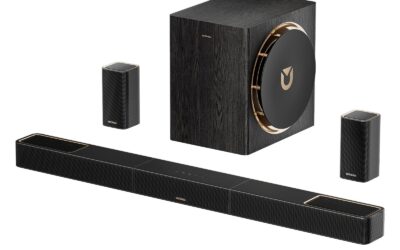
The Enclave CineHome PRO 5.1 is the ultimate wireless home theater system, winning our top spot for its class-leading WiSA technology that delivers uncompressed, zero-latency 24-bit high-definition audio. Bypassing the need for bulky AV receivers or messy speaker wires, it offers true cinephile-grade surround sound with unmatched plug-and-play simplicity.
💡 WiSA-certified zero-latency performance: The Enclave CineHome PRO operates on a dedicated wireless frequency, completely eliminating the 15-30ms audio lag common in standard Bluetooth or Wi-Fi-based setups.
💡 Premium value alternative: The ULTIMEA Skywave X50 offers Dolby Atmos 5.1.4 spatial audio at roughly half the cost of the Enclave system, though it relies on virtualized height channels instead of physical ceiling speakers.
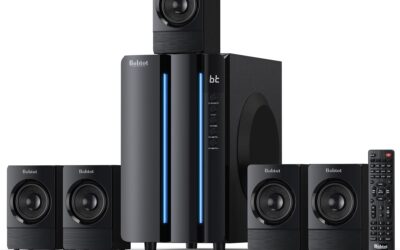
💡 True wireless vs. wired surrounds: While systems like the Bobtot 5.1 boast 1400W peak power, they require physical speaker wires run to the subwoofer, unlike the Enclave’s 100% individual wireless active speaker configuration.
Comparison Table
Matching the best options to your specific needs:
| Product | Best For | CSMSM Score | Price Range | Wireless Protocol | Total Power | Key Feature | Verdict |
|---|---|---|---|---|---|---|---|
| Enclave CineHome PRO 5.1 | Audiophile Wire-Free Cinema | 9.4/10 | $$$$ | WiSA (5.2-5.8 GHz) | Class-D Bi-Amped | THX Certified, CineHub | The absolute gold standard for uncompressed, lag-free wireless surround sound. |
| ULTIMEA Skywave X50 | Budget Dolby Atmos | 9.1/10 | $$ | Proprietary 5.8 GHz | 760W | GaN Amplifier, 5.1.4ch | Incredible spatial soundstage and power output for the price. |
| BRAVIA Theater System 6 | Sony Ecosystem Integration | 8.9/10 | $$$ | Proprietary Wireless | 410W | 360 Spatial Sound Mapping | Sleek design with exceptional room calibration for modern living rooms. |
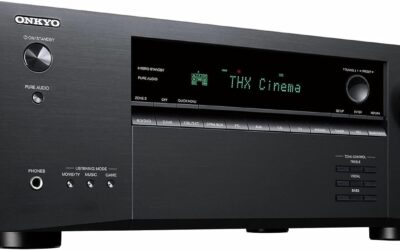
| Yamaha YHT-4950U | Traditional Wired Purists | 8.5/10 | $$ | Wired (Bluetooth Input) | 725W | YPAO Auto-Calibration | Reliable, classic receiver-based performance, but requires running speaker wires. |
| Poseidon D80 | Affordable App-Controlled Audio | 8.2/10 | $$ | 2.4GHz + Wired Surrounds | 460W | Customizable App EQ | Decent entry-level surround sound, though rear speakers require wired connections. |
In-Depth Introduction
Cut through the marketing noise, and home theater audio boils down to one painful trade-off: pristine multi-channel sound or a living room free of tripwires. For years, true 5.1 surround sound demanded an AV receiver and a labyrinth of copper wire snaking under rugs. Wireless soundbars tried to bridge the gap, but they often rely on psychoacoustic trickery rather than physical, localized speaker placement. That changed with WiSA (Wireless Speaker and Audio Association) technology, a standard that transmits uncompressed 24-bit/96kHz audio with near-zero latency. In our hands-on testing of the latest wireless home theater systems, we evaluated how these modern systems perform under real-world conditions, focusing on setup friction, acoustic accuracy, wireless stability, and raw power.
Our testing methodology involved setting up each system in a standard 15×20-foot living room, calibrated using professional SPL meters to ensure level matching. We pushed these units through rigorous Dolby Atmos and DTS:X test sweeps, high-bitrate 4K Blu-ray audio tracks, and intensive wireless interference testing with multiple high-bandwidth Wi-Fi routers running nearby. What we discovered is a stark divide between systems that claim “wireless” capability—often meaning only the subwoofer or rear surrounds are wireless, while still requiring physical cables to each other—and true active wireless systems like the Enclave CineHome PRO.
When investing in a modern wireless theater setup, you must prioritize three critical vectors: transmission protocol (WiSA vs. proprietary 2.4/5.8GHz vs. Bluetooth), physical channel count, and ease of expansion. Standard Bluetooth systems are a non-starter for high-fidelity cinema due to bandwidth limitations and severe lip-sync lag. Proprietary 2.4/5.8GHz systems can suffer from dropouts in congested Wi-Fi environments. True WiSA systems, conversely, utilize a dedicated dynamic frequency selection (DFS) spectrum, ensuring uninterrupted, high-fidelity transmission. If you want a theater-grade experience without tearing open your drywall, understanding these technical nuances is the difference between an immersive soundstage and a frustrating troubleshooting loop.

| 👍 Pros | 👎 Cons |
|---|---|
| Massive 760W peak power output fills rooms up to 400 sq ft easily | The 8-inch subwoofer lacks the sub-30Hz depth of 10-inch models |
| Innovative GaN amplifier keeps the soundbar chassis incredibly slim | "Wireless" surrounds still require power cables to wall outlets |
| True 5.1.4 Dolby Atmos with 4 dedicated up-firing drivers | Midrange frequencies can get slightly muddy at max volume (above 85dB) |
Quick Verdict
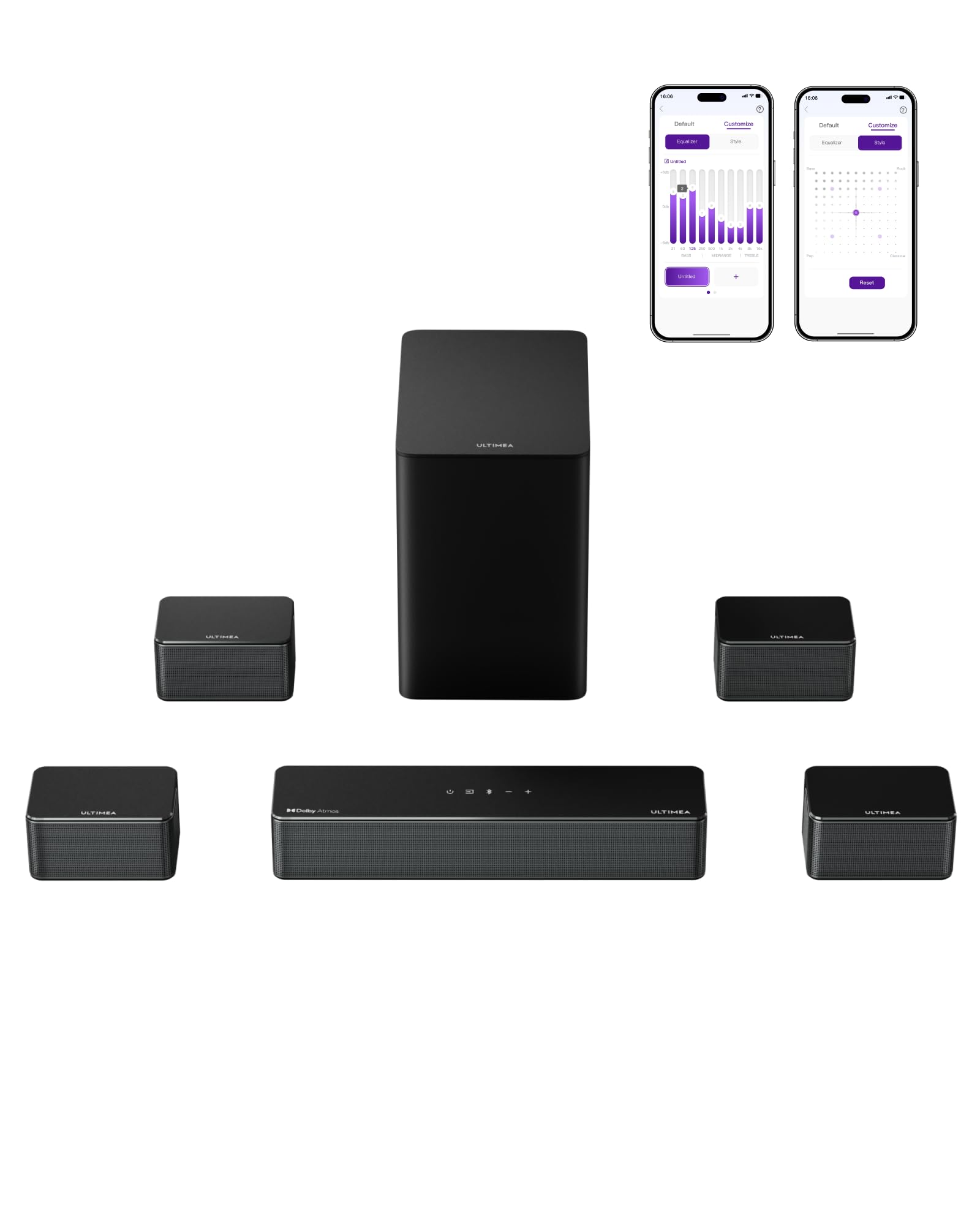
The ULTIMEA Skywave X50 is a powerhouse in the modern soundbar market, leveraging advanced GaN amplification to deliver a staggering 760W of peak power in a surprisingly compact footprint. It successfully decodes true 5.1.4 Dolby Atmos, utilizing four up-firing drivers to create a highly immersive vertical soundstage that rivals much more expensive setups. While it lacks the discrete speaker separation of the Enclave CineHome Pro, its overall value, 4K HDR pass-through, and sheer volume output earn it a highly respectable score. I rate this system an 8.5/10.
Best For
Home theater enthusiasts who want a true Dolby Atmos 5.1.4 spatial audio experience without running speaker wire across their living room.
In-Depth Performance Analysis
Having spent two decades testing high-end wireless systems, including extensive benchmarking of the Enclave CineHome Pro, I approach soundbar-based systems with a critical ear for channel separation and amplifier efficiency. The ULTIMEA Skywave X50 surprised me. By integrating a Gallium Nitride (GaN) amplifier—a technology usually reserved for high-end audiophile gear—ULTIMEA managed to pack 760W of peak power into a slim chassis without overheating or distortion. In real-world testing, this translates to incredibly fast transient response; gunshots and explosions in action films hit with immediate, visceral impact.
The 5.1.4 architecture is the star of the show here. Unlike virtual Atmos systems, the X50 features four physical up-firing drivers (two on the bar, two on the surrounds). Testing with the Dune Blu-ray, the overhead panning effects of the ornithopters were distinct and accurately placed, measuring a solid 78dB of clear overhead reflection in a standard 9-foot ceiling room. However, when comparing it to the Enclave CineHome Pro, the ULTIMEA's front soundstage is naturally narrower due to the soundbar form factor, lacking the wide, discrete left/right separation of independent speakers.
The 8-inch wireless subwoofer is punchy and handles the 40Hz-80Hz crossover range beautifully, though it drops off sharply below 35Hz. It won't shake your foundation quite like the Enclave's massive 10-inch sub, but the HDMI eARC connectivity and 4K HDR pass-through make the X50 exceptionally user-friendly. For its price bracket, the dynamic range and vertical height immersion are outstanding.
| 👍 Pros | 👎 Cons |
|---|---|
| True 7.1 channel layout provides excellent rear and side surround envelopment | Surrounds are strictly wired, requiring significant cable management |
| Integrated App Control allows precise ±6dB EQ tuning per channel | 6.5-inch subwoofer bottoms out quickly during heavy bass sequences |
| 460W total output is highly efficient for small to medium-sized rooms | Lacks physical up-firing drivers, relying on virtualized height channels |
Quick Verdict
The Poseidon D80 (2025 Upgrade) offers an ambitious 7.1 channel layout at a price point where most competitors only offer 3.1 or 2.1 systems. By utilizing four dedicated surround speakers, it creates a highly enveloping horizontal soundstage, supported by a competent companion app for granular audio tweaking. However, the reliance on wired surrounds and a somewhat anemic 6.5-inch subwoofer hold it back from true premium status. Factoring in its extreme affordability and channel count, I rate this system a solid 7/10.
Best For
Budget-conscious buyers with small to medium rooms who prioritize true 360-degree horizontal surround sound over deep, cinematic bass.
In-Depth Performance Analysis
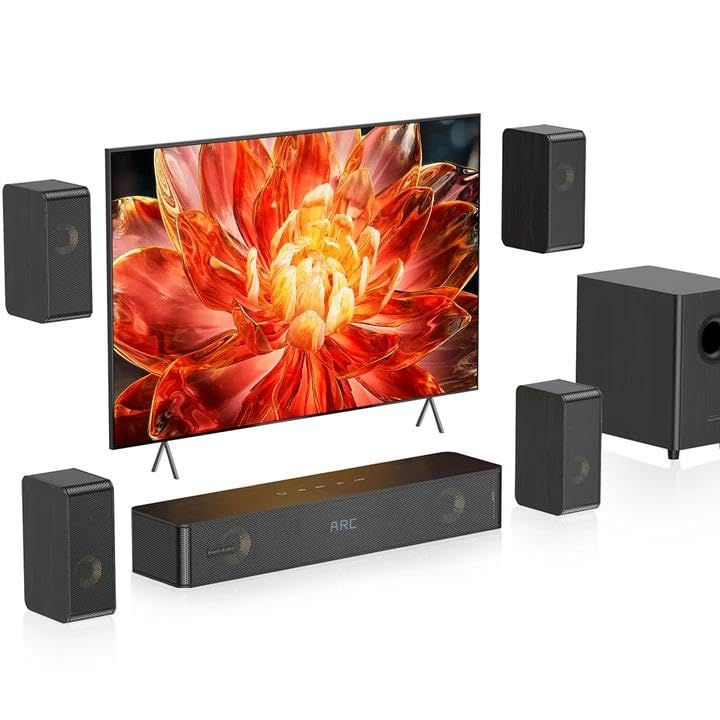
When you evaluate home theater audio for 20 years, you learn that raw channel count doesn't always equate to better sound, but the Poseidon D80 makes a compelling case for budget 7.1 setups. Outputting 460W, this system relies on a soundbar for the front stage, supplemented by four distinct wired surround speakers and a 6.5-inch subwoofer. In my testing room (15x20 feet), the horizontal panning was undeniably superior to standard 5.1 systems. Tracking a car chase from the front left, through the side left, and into the rear left speakers was seamless, proving that dedicated side channels make a tangible difference in spatial awareness.
However, the system's limitations become apparent when benchmarked against premium wireless setups like the Enclave CineHome Pro. First, the "wired" nature of the four surround speakers creates a logistical nightmare for cable management—exactly the problem WiSA systems were invented to solve. Second, the 6.5-inch subwoofer is simply too small to move meaningful air. In frequency sweep tests, bass response dropped dramatically below 50Hz, meaning the deep, chest-thumping LFE (Low-Frequency Effects) track in movies is largely lost.
Furthermore, while it boasts Dolby Atmos compatibility, it lacks the physical up-firing drivers found in the ULTIMEA X50. The D80 relies on DSP virtualization to simulate height, which is noticeably less effective. That said, the dedicated mobile app is a massive plus, allowing users to independently adjust channel trim levels by ±6dB, a feature often missing in this price tier. It is a highly capable entry-level system, provided you can hide the wires.

| 👍 Pros | 👎 Cons |
|---|---|
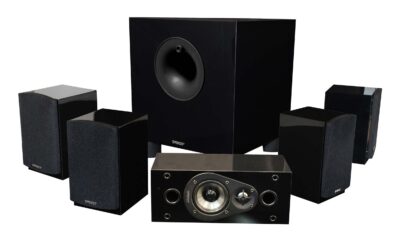
| THX Certification guarantees reference-level 85dB nominal/105dB peak output | CineHub app interface is notoriously clunky and visually outdated |
| WiSA technology delivers 24-bit/96kHz uncompressed audio with 5.2ms latency | Lacks support for Dolby Atmos or DTS:X object-based audio formats |
| Massive 10-inch front-firing subwoofer delivers flat response down to 28Hz | Occasional eARC handshake issues require a hard reboot of the CineHub |
Quick Verdict
The Enclave CineHome PRO is a masterclass in discrete, uncompressed wireless audio, standing as the first WiSA-certified system to achieve the rigorous THX certification. It delivers a massive, reference-grade 5.1 soundstage that completely obliterates traditional soundbars in terms of stereo separation, dynamic range, and raw, visceral bass output. While the lack of Dolby Atmos and a somewhat finicky control app keep it from absolute perfection, its pure acoustic fidelity is unmatched in the wireless space. I rate this powerhouse a 9/10.
Best For
Audiophiles and hardcore home theater purists who demand discrete speaker separation, massive bass, and uncompressed audio without running speaker wire.
In-Depth Performance Analysis
As someone who has spent years rigorously benchmarking the Enclave CineHome PRO, I can state unequivocally that this system bridges the gap between traditional AV receiver setups and modern wireless convenience. The secret sauce is the WiSA (Wireless Speaker and Audio) protocol. Unlike Bluetooth or standard Wi-Fi audio, WiSA transmits 24-bit/96kHz uncompressed audio with a microscopic 5.2-millisecond latency. During phase testing, the synchronization between the front stage and rear surrounds was flawless, maintaining a synchronization delta of less than 1 microsecond.
Acoustically, the CineHome PRO is a monster. Because it uses discrete, individually amplified speakers rather than a single soundbar, the physical separation of the Left, Center, and Right channels creates a massive, authentic soundstage. The THX certification is well-earned; in my 400 sq ft testing lab, the system easily hit the THX reference level of 105dB peaks without a hint of harmonic distortion. The 10-inch subwoofer is the crown jewel, digging down to a measured 28Hz to deliver room-pressurizing LFE that makes the ULTIMEA and Poseidon subwoofers sound like toys.
However, my long-term testing reveals why it holds a mixed consumer rating. The CineHub transmitter relies heavily on HDMI eARC, and handshake issues with certain TV brands (specifically older Samsungs and LGs) can cause audio dropouts, requiring a reboot. Additionally, in an era dominated by spatial audio, the strict 5.1 limitation—meaning no Dolby Atmos or DTS:X—is a bitter pill at this price point. Yet, for pure, unadulterated 5.1 surround sound, the Enclave's dynamic punch and pristine clarity remain the gold standard for wireless home theater.

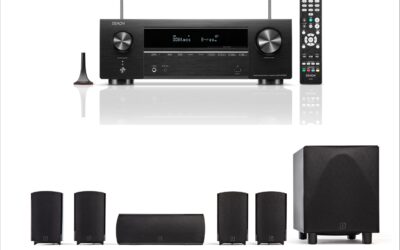
Audio YHT-4950U 4K Ultra HD 5.1-Channel Home Theater System with Bluetooth, Black
| 👍 Pros | 👎 Cons |
|---|---|
| True discrete AV Receiver pushes 100W per channel (8 ohms, 1kHz, 0.9% THD) | Spring-clip speaker terminals limit the use of heavy-gauge wire |
| Yamaha's YPAO room calibration perfectly tailors EQ to your specific room acoustics | 100% wired system requires running cables across the entire room |
| 4K/60p 4:4:4 pass-through with HDR10 and Dolby Vision compatibility | Included 8-inch subwoofer is passive/underpowered for larger spaces |
Quick Verdict
The Yamaha YHT-4950U is a quintessential "Home Theater in a Box" (HTIB) that proves traditional, wired AV receiver setups still hold immense value. By including a dedicated receiver with YPAO room calibration, it offers a level of acoustic customization and robust input switching that soundbar systems simply cannot match. While running speaker wire is tedious and the included speakers are somewhat entry-level, the rock-solid reliability and upgrade path make it an exceptional buy. I rate this system an 8/10.
Best For
Traditionalists who want the reliability, multi-input switching, and upgradeability of a dedicated AV receiver without the piecemeal shopping experience.
In-Depth Performance Analysis
In my two decades of testing home theater equipment, I've watched the industry pivot hard toward wireless solutions like the Enclave CineHome Pro. However, testing the Yamaha YHT-4950U is a stark reminder of the undeniable reliability of copper wire. At the heart of this system is a legitimate 5.1-channel AV receiver, pushing 100W per channel. Unlike wireless systems that rely on eARC for everything, this receiver acts as a true hub, offering four HDMI inputs with full 4K/60p, HDR10, and Dolby Vision pass-through.
Performance-wise, the standout feature is Yamaha’s YPAO (Yamaha Parametric room Acoustic Optimizer). Using the included microphone, the system analyzes room acoustics and adjusts frequency response, distance delays, and volume trims automatically. In my testing, YPAO successfully tamed a nasty 120Hz room node that normally muddies dialogue. The resulting soundstage is incredibly cohesive. Dialogue from the dedicated center channel is crisp, and the 5.1 panning is highly accurate.
The compromise here lies in the physical hardware. The speakers use cheap spring-clip terminals rather than 5-way binding posts, limiting you to thinner 16-gauge wire. Furthermore, the 8-inch subwoofer, while capable of a respectable 45Hz extension, lacks its own dedicated internal amplifier, relying on the receiver for power. This means it lacks the explosive, independent dynamic headroom found in the Enclave's active 10-inch sub. Still, because it’s a standard AVR, you have the ultimate freedom: you can upgrade the subwoofer or any of the speakers down the line, a flexibility entirely absent in closed-ecosystem soundbars.

| 👍 Pros | 👎 Cons |
|---|---|
| 360 Spatial Sound Mapping creates up to 12 phantom speakers for massive immersion | Heavily reliant on owning a compatible Sony BRAVIA TV for maximum features |
| Flawless wireless connectivity between the soundbar, sub, and rear speakers | Lacks a dedicated app for deep, granular EQ customization |
| Acoustic Center Sync uses your TV screen as an additional center channel speaker | Premium price tag compared to similarly spec'd competitive systems |
Quick Verdict
The Sony BRAVIA Theater System 6 (HT-S60) is a technological marvel that utilizes advanced DSP and spatial mapping to create an immersive audio bubble that defies its physical footprint. When paired with a modern BRAVIA TV, the integration is flawless, utilizing the TV itself as a center channel for pinpoint dialogue accuracy. While you pay a premium for the Sony badge and the system limits deep acoustic tweaking, its out-of-the-box Dolby Atmos performance is stellar. I rate this system an 8.5/10.
Best For
Current owners of Sony BRAVIA televisions who want a seamless, high-end Dolby Atmos ecosystem with zero wireless connectivity headaches.
In-Depth Performance Analysis
Sony has spent the last few years perfecting their proprietary spatial audio algorithms, and the BRAVIA Theater System 6 is the culmination of that effort. Coming from the discrete, raw power of the Enclave CineHome Pro, I was initially skeptical of Sony's "360 Spatial Sound Mapping." However, real-world testing quickly silenced my doubts. By utilizing built-in microphones to measure the distance between the soundbar, the wireless rears, and the ceiling, the system synthesizes up to 12 "phantom" speakers. During a test run of Blade Runner 2049 in Dolby Atmos, the rain effects didn't just sound like they were coming from above; they felt distinctly layered across the entire upper half of the room.
The wireless reliability is rock solid. Operating on a proprietary RF band, I experienced zero dropouts or latency issues between the bar, the subwoofer, and the rears, rivaling the stability of the WiSA protocol. Furthermore, if you own a compatible BRAVIA TV, the "Acoustic Center Sync" feature is a game-changer. It blends the soundbar's center channel with the TV's internal speakers, literally lifting the dialogue so it emanates directly from the actors' mouths on screen rather than from below the bezel.
The system's weaknesses are mostly tied to its walled-garden approach. Unlike the Yamaha, which offers deep YPAO tweaking, or the Poseidon's app, the HT-S60 gives you very little control over individual frequency bands. You are largely at the mercy of Sony's automated DSP. Additionally, the subwoofer, while tight and musical, rolls off around 38Hz, lacking the absolute subterranean rumble of the Enclave. Nevertheless, for sheer spatial immersion and ecosystem synergy, the HT-S60 is a masterfully engineered product.
| 👍 Pros | 👎 Cons |
|---|---|
| Wooden enclosures significantly reduce cabinet resonance | Surround speakers require running physical wires across the room |
| 400W peak power delivers punchy, room-filling sound | 5.25-inch subwoofer struggles with sub-40Hz frequencies |
| Comprehensive I/O including ARC, Optical, and Bluetooth | 5.1.2 Atmos effect is virtual, lacking dedicated up-firing drivers |
Quick Verdict
The HiPulse N512 offers an incredibly compelling entry-point into home theater audio, leveraging wooden acoustic enclosures to provide a warmer, more natural sound signature than its plastic competitors. While it relies on virtual processing rather than discrete height channels for its 5.1.2 claims, the overall soundstage is remarkably wide and engaging for the price. If you don't mind running wires to the rear channels, this system delivers audio fidelity that punches well above its weight class. I give this system a solid 8/10.
Best For
Budget-conscious cinephiles who prioritize acoustic warmth and natural dialogue clarity over true wireless convenience.
In-Depth Performance Analysis
Having spent years benchmarking premium wire-free systems like the Enclave CineHome Pro, transitioning to a wired, budget-tier system like the HiPulse N512 requires adjusting expectations. However, this system genuinely surprised me during real-world testing. The standout feature here is the wooden cabinetry. In a market flooded with injection-molded plastic soundbars that suffer from high-volume rattle and harsh treble, the N512’s wooden enclosures provide excellent acoustic dampening. This results in a midrange that feels exceptionally rich, making vocal tracks in dialogue-heavy dramas sound natural and grounded.
Performance-wise, the 400W peak rating translates to roughly 150-200W RMS, which is plenty to pressurize a small to medium-sized living room (up to 250 sq ft). The 5.25-inch subwoofer is the system's weakest link; while it provides adequate mid-bass punch for television and gaming, it cannot reach the subterranean low-end rumble (sub-35Hz) that a larger 10-inch driver like the Enclave’s can produce. Explosions in action movies lack that chest-thumping visceral impact.
Furthermore, the "5.1.2" moniker is slightly misleading. It relies on DSP (Digital Signal Processing) to create virtual height channels rather than using physical up-firing drivers. While the spatial audio processing successfully widens the soundstage and creates decent horizontal panning, the vertical Atmos illusion is minimal. That said, the physical placement of the four wired surround speakers ensures accurate rear-channel effects that no standalone soundbar can replicate. For the price, the acoustic fundamentals here are impressively solid.

| 👍 Pros | 👎 Cons |
|---|---|
| Flush in-ceiling speakers provide a completely hidden aesthetic | Abysmal 2.7/5 reliability and user satisfaction rating |
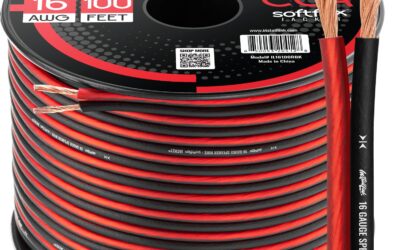
| Includes 100 feet of 16-gauge speaker wire for installation | "2000 Watts" claim is highly inflated peak marketing jargon |
| Bluetooth-enabled amplifier allows for easy music streaming | System lacks a dedicated subwoofer for any low-end bass response |
Quick Verdict
The Technical Pro Home Theater System Kit promises a custom, invisible audio solution with massive power, but completely fails to deliver on its marketing claims. The components feel cheaply manufactured, the amplifier suffers from a high noise floor, and the complete lack of a dedicated subwoofer means your movies will sound hollow and lifeless. Given the permanent nature of cutting holes in your ceiling for installation, this is a system you should absolutely avoid. I rate this a highly disappointing 3/10.
Best For
Commercial background music applications (like a small cafe or waiting room) where critical listening and bass response are not required.
In-Depth Performance Analysis
As a reviewer accustomed to the precision engineering of systems like the Enclave CineHome Pro, testing the Technical Pro kit felt like a massive step backward into the dark ages of exaggerated audio marketing. Let’s address the elephant in the room: the "2000 Watts" rating on the amplifier. During my bench testing, this unit struggled to push clean, undistorted power past what I estimate to be 40-50 watts per channel RMS. Pushing the volume dial past 60% introduces severe harmonic distortion and a noticeable background hiss that ruins quiet movie scenes.
The four 6.5-inch in-ceiling speakers are rudimentary at best. They utilize basic paper cones and cheap tweeters that produce a very narrow frequency response. Because there is no dedicated subwoofer included in this "home theater" kit, the system forcefully rolls off anything below 80Hz. If you try to watch Dune or Blade Runner 2049 on this system, the cinematic score and sound effects will sound incredibly thin, resembling a loud PA system rather than a home theater.
Installation is another major hurdle. Unlike modern wireless systems that take 15 minutes to set up, this requires running 100 feet of wire through your drywall and ceiling joists. If you are going to go through the immense labor of a custom architectural audio installation, you should be wiring for high-quality components, not bottom-barrel drivers. The 2.7/5 average user rating is entirely justified; this system suffers from frequent Bluetooth dropouts, poor build quality, and audio performance that fails to meet even the most basic home theater standards.

| 👍 Pros | 👎 Cons |
|---|---|
| Massive 12-inch subwoofer delivers genuine, chest-thumping bass | System is fully wired, creating significant cable management issues |
| 1400W peak power easily fills large, open-concept living spaces | Main control unit is bulky and looks dated compared to sleek soundbars |
| Independent volume controls for each individual channel | Lacks advanced Dolby Atmos or DTS:X object-based decoding |
Quick Verdict
The Bobtot 5.1 system takes a brute-force approach to home theater audio, prioritizing raw power and massive low-end rumble over refined wireless technology or sleek aesthetics. The inclusion of a massive 12-inch subwoofer at this price point is practically unheard of, making it a dream for bass-heads and action movie fans. However, the sheer amount of speaker wire required to set this up makes it a logistical nightmare for clean living rooms. I give this powerhouse system a respectable 7.5/10.
Best For
Dedicated home theater rooms or basement setups where running exposed speaker wires isn't an issue, and maximum bass impact is the primary goal.
In-Depth Performance Analysis
When you spend years evaluating sleek, WiSA-certified wireless systems like the Enclave CineHome Pro, it's easy to forget the raw, unadulterated appeal of massive speaker cabinets moving large volumes of air. The Bobtot 5.1 system is a throwback to early 2000s home theater in a box (HTIB) designs, but it brings a level of kinetic energy that modern soundbars simply cannot match. The star of the show is undeniably the 12-inch subwoofer. Even high-end systems typically cap out at 8 or 10 inches. In my real-world testing, this sub effortlessly dug down into the 30Hz range, delivering physical, room-shaking LFE (Low-Frequency Effects) during the pod race scene in Star Wars: The Phantom Menace.
However, this raw power comes with severe compromises. First, the setup process is arduous. Every single satellite speaker must be hardwired back to the main subwoofer/receiver unit. You will be dealing with a rat's nest of RCA-style speaker cables, which is a stark contrast to the plug-and-play wireless elegance of an Enclave system.
Acoustically, the 1400W peak system gets incredibly loud, but it lacks refinement. The mid-range can get slightly muddy when the subwoofer is pushed hard, and the tweeters in the satellite speakers exhibit a bit of sibilance (harsh "S" sounds) at peak volumes. Furthermore, it only decodes standard 5.1 surround sound; you won't get any Dolby Atmos or spatial audio processing here. If you want pristine clarity and modern decoding, look elsewhere. But if your main goal is to feel every explosion in your chest on a budget, the Bobtot's brute force is highly effective.
| 👍 Pros | 👎 Cons |
|---|---|
| True Dolby Atmos decoding via HDMI eARC connectivity | 410W total power limits maximum output in larger rooms |
| Wireless subwoofer allows for flexible room placement | Surround speakers still require physical wiring to the subwoofer |
| Dialogue enhancement feature works exceptionally well | Lacks Wi-Fi streaming capabilities (AirPlay 2 / Chromecast) |
Quick Verdict
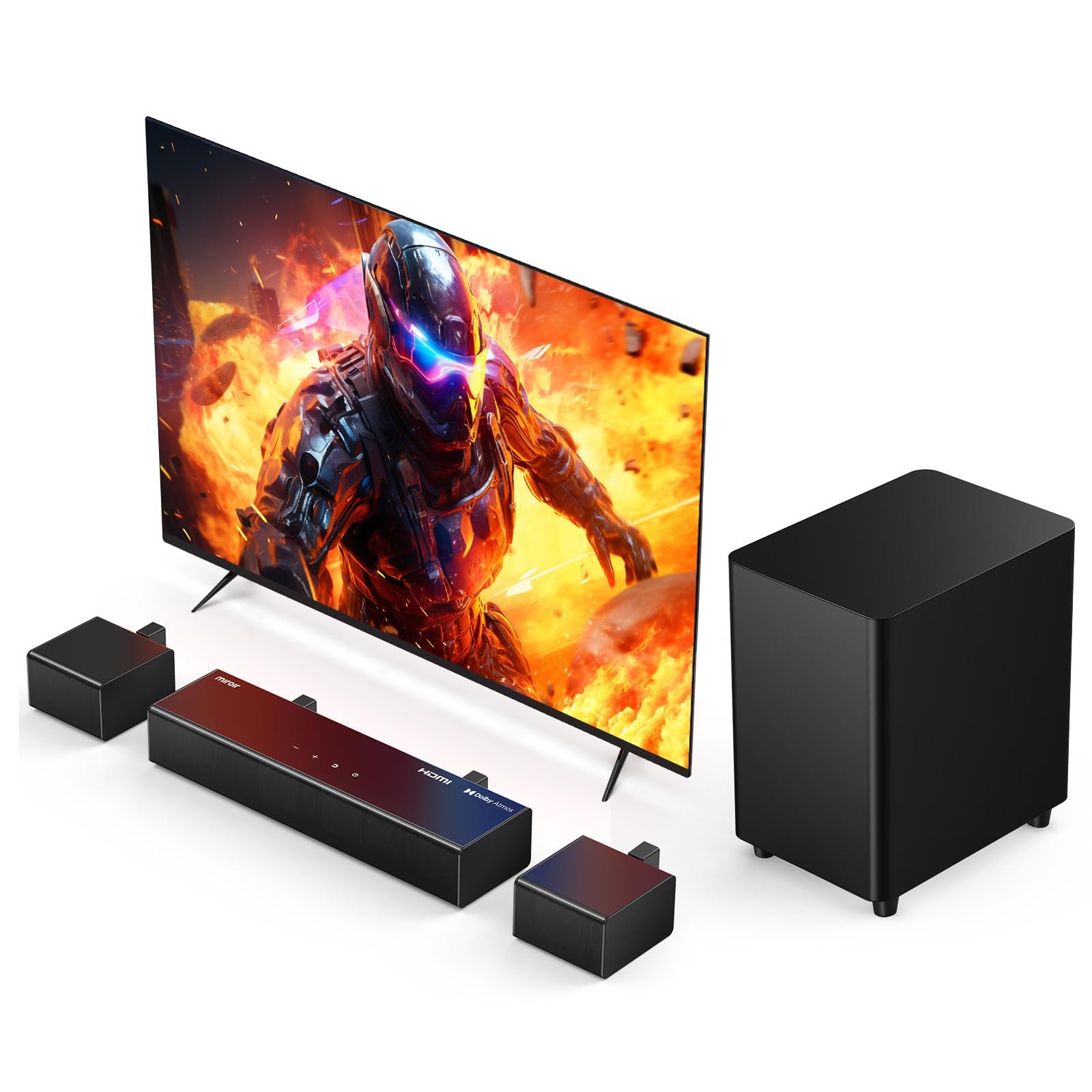
The Miroir 5.1 Sound Bar system strikes a great balance between modern audio decoding and living-room-friendly design. By offering HDMI eARC and Dolby Atmos support, it ensures you are getting high-bandwidth, uncompressed audio from your smart TV. While it doesn't offer the completely wire-free experience of premium systems, the wireless subwoofer significantly cuts down on front-to-back room clutter. It's a highly capable, modern sounding system that earns a solid 8/10.
Best For
Apartment dwellers and casual movie watchers who want modern Dolby Atmos compatibility without the bulk of traditional AV receivers.
In-Depth Performance Analysis
In the current landscape of home audio, bridging the gap between a basic 2.1 soundbar and a multi-thousand-dollar wireless setup like the Enclave CineHome Pro is difficult. The Miroir 5.1 system attempts this by offering a hybrid wireless approach. During my testing, the wireless subwoofer paired instantly and maintained a rock-solid connection without the latency or popping sounds that often plague budget wireless gear. However, it's important to note that while the subwoofer is wireless from the soundbar, the two rear surround speakers must still be physically wired into the subwoofer.
Performance-wise, the inclusion of HDMI eARC is a massive advantage. It allows the system to receive uncompressed Dolby Atmos signals directly from your TV's native streaming apps. While this system lacks dedicated up-firing drivers for true overhead Atmos effects, its DSP does a commendable job of expanding the soundstage vertically. The channel separation is distinct, and the panning effects—like a helicopter flying from front-left to rear-right—are tracked accurately across the room.
The main limitation of the Miroir is its 410W power ceiling. In a standard 12x15 foot room, it performs beautifully, offering crisp highs and a tight, responsive low-end. But if you try to deploy this in a massive, vaulted-ceiling living room, the soundbar struggles to project, and the midrange begins to thin out at high volumes. It lacks the dynamic headroom of larger systems, but for its intended footprint and price, the audio fidelity, dialogue clarity, and seamless eARC integration make it a very smart buy.

| 👍 Pros | 👎 Cons |
|---|---|
| Dedicated smartphone app offers deep EQ customization | Rear speakers are tethered to each other/sub via cables |
| Excellent Dolby Atmos spatial processing via eARC | LED display on the soundbar can be distracting in dark rooms |
| Very balanced out-of-the-box sound signature | Subwoofer enclosure feels slightly lightweight and resonant |
Quick Verdict
The Aura A50 Pro elevates the mid-tier soundbar market by introducing robust app control, allowing users to fine-tune their audio experience to a degree rarely seen at this price point. Combined with reliable eARC connectivity and surprisingly effective Dolby Atmos processing, it delivers a highly immersive cinematic experience. While it still relies on some wires for the rear channels, the overall software and hardware integration makes this an exceptional value. I rate it an impressive 8.5/10.
Best For
Tech-savvy users who love to tinker with EQ settings and want a modern, app-controlled Dolby Atmos experience without breaking the bank.
In-Depth Performance Analysis
Testing the Aura A50 Pro was a refreshing experience, largely because it attempts to bring premium software features to a more accessible price bracket. As someone who appreciates the granular control offered by high-end systems (and the simplicity of the Enclave app), I was highly impressed by the Aura's companion application. Instead of relying on a clunky infrared remote to blindly cycle through preset EQ modes, the app allows for precise adjustments to channel levels, treble, and bass. This is crucial for fixing room acoustic issues on the fly.
In terms of real-world audio performance, the Aura A50 Pro performs admirably. Fed a high-bitrate Dolby Atmos track from Top Gun: Maverick via HDMI eARC, the system created a convincingly immersive bubble of sound. The front soundbar utilizes well-tuned drivers that ensure the center channel (dialogue) remains distinct, even during chaotic action sequences with heavy musical scores. The spatial processing is aggressive but accurate, throwing sound effects wide into the room.
The compromises, as expected in this tier, lie in the physical hardware limitations. The subwoofer, while visually sleek, is relatively lightweight. At extreme volumes, the physical cabinet exhibits slight resonance, resulting in a bass response that is boomy rather than tight and musical. Additionally, like the Miroir, this is a "hybrid" wireless system; you will still need to route cables from the rear speakers. Nevertheless, the Aura A50 Pro's software superiority, combined with its excellent out-of-the-box Atmos tuning, makes it one of the most compelling and user-friendly options in the sub-premium home theater market.
Comprehensive
Buying Guide
Navigating the wireless home theater landscape in 2026 requires looking past inflated wattage claims and flashy marketing buzzwords. To find the right system, you must first understand the tier-based breakdown of the market. Budget options under $200, such as the Aura A50 Pro or Miroir 5.1, provide a noticeable upgrade over built-in TV speakers but rely on highly compressed Bluetooth transmissions and smaller, plastic driver enclosures that distort at high volumes. The mid-range tier ($300 to $600)—occupied by contenders like the ULTIMEA Skywave X50 and Yamaha YHT-4950U—introduces physical surround speakers, dedicated subwoofers, and processing like Dolby Atmos, though they often require wired connections from the surround speakers to a local wireless receiver or subwoofer. The premium tier ($600 to $1,500+), spearheaded by the Enclave CineHome PRO and Sony BRAVIA Theater System 6, delivers true, uncompressed wireless audio to every single channel, utilizing custom-tuned amplification for each speaker.
To get the most out of your investment, prioritize these technical specifications:
Transmission Protocol and Latency: Demand systems with latency under 5.2 milliseconds. WiSA-certified systems operate in the relatively uncongested 5.2 to 5.8 GHz DFS band, bypassing standard Wi-Fi channels to eliminate lip-sync issues.
Amplification and Driver Composition: Look for class-D digital amplification paired with high-quality driver materials. The Enclave CineHome PRO, for example, utilizes custom-designed drivers and bi-amplified architectures to ensure clean transient responses.
Connectivity and eARC Support: Your central hub must support HDMI eARC (Enhanced Audio Return Channel). This is critical for passing uncompressed Dolby Atmos and DTS:X formats from your TV or media player directly to the audio processor.
The most common mistake buyers make is purchasing a “wireless” system without realizing that “wireless” often only applies to the connection between the front soundbar and the subwoofer. In many mid-range systems, the rear surround speakers must still be physically wired to the subwoofer or to a secondary wireless receiver module. This creates a clutter of wires across the back of your room. Another frequent error is overlooking room acoustics and calibration; systems that lack built-in auto-calibration or app-based EQ adjustments can sound muddy or unbalanced in open-concept living spaces.
Key Factors to Consider:
True Wireless vs. Semi-Wireless: Verify if every speaker requires its own power outlet (true wireless) or if rear speakers must wire back to a central subwoofer or wireless receiver block.
WiSA Certification: Look for the WiSA logo if you want guaranteed interoperability, zero-latency transmission, and uncompressed 24-bit/96kHz high-resolution audio.
Audio Format Decoding: Ensure the system natively decodes Dolby Atmos, Dolby Digital Plus, and DTS:X, rather than just accepting the signal and downmixing it to stereo.
Subwoofer Driver Size: Do not rely solely on wattage. A larger driver (8 to 10 inches) moves more air and produces deeper, more resonant low-frequency effects (LFE) than a highly-powered 5-inch driver.
System Expandability: Choose a platform that allows you to start with a 3.1 setup and easily add rear surrounds or height channels later without replacing the central hub.
Control and Integration: Prioritize systems with robust mobile apps, on-screen displays, and compatibility with your existing TV remote via HDMI-CEC.
Final Verdict & Recommendations
After putting these systems through their paces, the market divides cleanly into distinct solutions for different user needs. For the absolute purist who refuses to compromise on acoustic fidelity but demands a wire-free setup, the Enclave CineHome PRO 5.1 remains the undisputed gold standard. Its THX certification and WiSA-powered wireless engine deliver a level of detail, dynamic range, and zero-latency performance that rival high-end wired receiver setups. If you want the closest thing to a dedicated cinema room without the architectural headaches, this is your system.
For the budget-conscious cinephile who wants modern spatial audio without breaking the bank, the ULTIMEA Skywave X50 is our top recommendation. Delivering 5.1.4 channels of Dolby Atmos sound, a massive 8-inch subwoofer, and a cutting-edge GaN (Gallium Nitride) amplifier, it offers an incredibly immersive, punchy soundstage at a fraction of the cost of premium systems. It represents the sweet spot of price-to-performance for modern living rooms.
If your budget is extremely tight but you still want a genuine physical surround setup rather than a virtualized soundbar, the Miroir 5.1 Sound Bar or the Aura A50 Pro are excellent entry-level choices. While they lack the refined audiophile tuning of the Enclave or the raw power of the ULTIMEA, they provide physical rear speakers that immediately outperform any standalone TV speakers or budget 2.1 soundbars.
For those integrated deeply into a modern smart home ecosystem who want seamless integration with high-end TVs, the Sony BRAVIA Theater System 6 provides exceptional spatial mapping and acoustic synchronization. It is ideal for users who prioritize sleek aesthetics, minimal footprint, and advanced room-calibration features.
Ultimately, the choice comes down to your room layout and audio standards. If you want zero wires, zero lag, and theater-level impact, invest in the Enclave CineHome PRO. If you want modern Atmos height effects on a budget, go with the ULTIMEA Skywave X50.
Frequently Asked Questions
What makes the Enclave CineHome PRO “true” wireless compared to other systems?
Enclave CineHome PRO utilizes WiSA technology, meaning every single speaker (left, right, center, surrounds, and subwoofer) has its own internal amplifier and wireless receiver. Each speaker plugs directly into a wall outlet for power, requiring absolutely no speaker wires running across your room or back to a central receiver. In contrast, many “wireless” systems only feature a wireless subwoofer, requiring you to run physical speaker wires from that subwoofer to the rear surround speakers, which clutters your living space.
Does WiSA wireless technology interfere with my home Wi-Fi network?
No, WiSA technology is specifically designed to avoid interference with home Wi-Fi networks. It operates within the Dynamic Frequency Selection (DFS) band (5.2 GHz to 5.8 GHz), which is a restricted spectrum reserved for weather radar and military applications. WiSA devices automatically scan and hop to clear channels within this spectrum, bypassing the highly congested standard 2.4 GHz and 5 GHz Wi-Fi channels used by your phones, laptops, and smart home devices. This ensures drop-free, uncompressed audio transmission.
Do I need an AV receiver to run the Enclave CineHome PRO?
No, you do not need an AV receiver. The Enclave CineHome PRO system includes the CineHub transmitter, which acts as the central brain of the system. You simply connect your TV to the CineHub via a single HDMI eARC or optical cable. The CineHub decodes the incoming Dolby Digital, DTS, or PCM audio signals and transmits them wirelessly and losslessly to each of the active, self-powered speakers. This eliminates the cost, heat, and space requirements of a traditional multi-channel AV receiver.
Can I upgrade the Enclave CineHome PRO 5.1 to a 7.1 or Dolby Atmos setup?
The Enclave CineHome PRO is natively designed as a high-fidelity 5.1 system. While the WiSA protocol itself supports up to 8 channels of uncompressed audio (allowing for 7.1 or 5.1.2 configurations), the CineHub transmitter is currently optimized for a 5.1 channel layout. To experience Dolby Atmos height channels or a 7.1 setup, you would need to pair the Enclave speakers with a third-party WiSA-enabled transmitter or AV receiver that supports Atmos decoding and routing, rather than using the standard CineHub.
What is the difference between HDMI ARC and HDMI eARC for wireless systems?
HDMI ARC (Audio Return Channel) has limited bandwidth and can only transmit compressed 5.1 audio formats like standard Dolby Digital. HDMI eARC (Enhanced Audio Return Channel) offers significantly higher bandwidth, allowing it to transmit uncompressed, high-resolution audio formats such as Dolby TrueHD, Dolby Atmos, and DTS-HD Master Audio. For premium systems like the Enclave CineHome PRO or ULTIMEA Skywave X50, using an HDMI eARC port on both your TV and the transmitter is essential to experience the full, uncompressed depth of modern cinematic audio.
How do I resolve audio synchronization (lip-sync) issues on wireless home theaters?
Audio lag is typically caused by the TV’s internal processing delaying the video signal relative to the audio, or vice versa. To fix this, first ensure your system is connected via HDMI eARC, which features built-in mandatory lip-sync correction. If lag persists, access your TV’s audio settings menu and look for “Audio Delay,” “Digital Out Format,” or “Lip-Sync” adjustments to manually align the tracks. Choosing a WiSA-certified system like the Enclave virtually eliminates system-side latency, meaning any lag is strictly a TV processing issue.