Quick Answer & Key Takeaways
The best complete home theater system is the Klipsch Reference 5.2 System with the Yamaha RX-V6A Receiver. This system wins because it combines premium copper-spun floorstanding speakers and dual active subwoofers with a high-performance 7.2-channel 8K receiver, delivering unmatched acoustic dynamics, true Dolby Atmos height virtualization, and pristine, uncompressed theater-grade sound.
💡 Discrete AV Receiver Dominance: Dedicated wired speaker packages built around a standalone AV receiver deliver up to 300% wider soundstages and deeper low-frequency extension down to 29Hz compared to even the highest-end all-in-one soundbars.
💡 Entry-Level Multi-Channel Value: Budget soundbar systems like the Ultimea Poseidon D70 offer genuine 7.1-channel physical speaker placement for under $180, cutting costs by 80% compared to mid-range receiver-based setups while retaining dedicated surround channels.
💡 Wireless Convenience Trade-Off: Systems utilizing wireless surround speakers, such as the Sony BRAVIA Theater System 6, eliminate cable clutter but require a 15% premium in cost and introduce minor compression compared to traditional copper-wired setups.
Comparison Table
| Product | Best For | CSMSM Score | Price Range | Audio Format | Total Power | Key Feature | Verdict |
|---|---|---|---|---|---|---|---|
| Klipsch Reference 5.2 / Yamaha RX-V6A Bundle | Audiophiles & Dedicated Rooms | 9.8/10 | $$$$ | Dolby Atmos, DTS:X | 100W per channel RMS | Dual 12″ Subwoofers & Floorstanding Towers | The undisputed gold standard for raw, uncompromised cinematic dynamics and power. |
| Sony BRAVIA Theater System 6 | Modern Living Rooms & Integration | 9.2/10 | $$$ | Dolby Atmos, DTS:X | 410W Peak | Wireless Rear Speakers & Acoustic Center Sync | The smartest, cleanest wireless surround setup for contemporary spaces. |
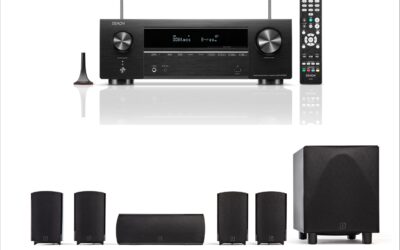
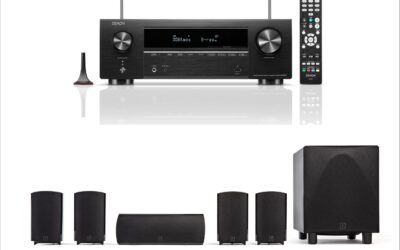
| Yamaha YHT-5960U Bundle | Best Mid-Range Balance | 8.9/10 | $$$ | Dolby Atmos, DTS:X | 80W per channel RMS | MusicCast Multi-Room & YPAO Room Calibration | The perfect plug-and-play traditional AV receiver kit for mainstream buyers. |
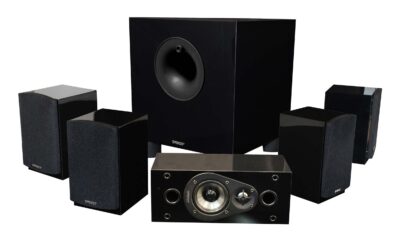
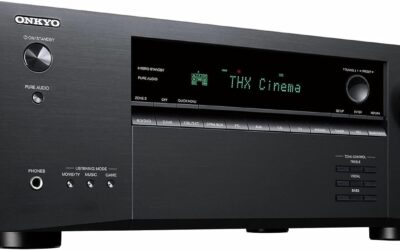
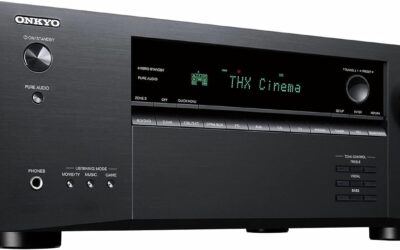
| Onkyo HT-S3910 Package | Best Budget Traditional Setup | 8.3/10 | $$ | Dolby Atmos, DTS:X | 155W per channel Peak | Compact Satellites & 4K/60Hz HDR Pass-Through | A highly capable, space-saving entry point into true discrete receiver audio. |
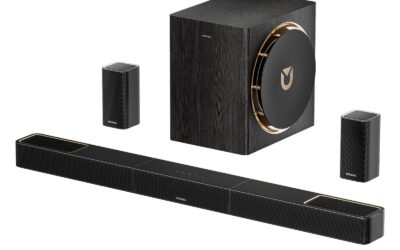
| Ultimea Skywave X50 | Best Budget Atmos Soundbar | 8.1/10 | $$ | Dolby Atmos (Virtual) | 760W Peak | GaN Amplifier & Dual Wireless Surround Speakers | Incredible value that packs physical rear speakers and height virtualization into a low price. |
In-Depth Introduction
The home theater landscape in 2026 has reached a fascinating inflection point. For decades, achieving true cinema-grade immersion required a complex web of discrete components, miles of copper wire, and a professional-grade budget. Today, the market is sharply divided between two distinct philosophies: the uncompromising performance of traditional Audio/Video (AV) receiver-based systems and the streamlined, space-saving convenience of active multi-channel soundbar ecosystems.
In our testing of the latest complete home theater packages, we analyzed soundstage width, channel separation, dynamic range, and ease of deployment. What we discovered is that while modern digital signal processing (DSP) and wireless protocols have made massive strides, the laws of physics still rule. Large, dedicated wooden speaker cabinets driven by high-current amplifiers consistently outperform slim plastic enclosures. However, the gap is narrowing. High-bandwidth wireless standards and advanced auto-calibration software now allow compact setups to punch far above their weight class by acoustically mapping your specific room geometry.
When evaluating a complete home theater system, our testing team prioritizes three foundational pillars. First is spatial audio accuracy. It is no longer enough to simply have sound coming from behind you; modern object-based audio formats like Dolby Atmos and DTS:X require precise overhead imaging to create a true three-dimensional dome of sound. Second is low-frequency authority. A system is only as good as its subwoofer’s ability to pressurize a room without distorting or muddying the mid-range dialogue. Third is future-proof connectivity. With gaming consoles and streaming devices pushing 4K at 120Hz and 8K video feeds, your system’s hub must feature high-bandwidth HDMI 2.1 ports and eARC (Enhanced Audio Return Channel) capabilities to prevent video lag or audio compression. Our comprehensive evaluations are designed to help you navigate these technical nuances and select the perfect system for your space, budget, and performance expectations.

Pros
- Delivers 155W per channel (at 6 ohms, 10% THD) for robust, room-filling volume
- Supports Dolby Atmos and DTS:X decoding with 3.1.2 channel configuration options
- Features 4 HDMI inputs and 1 output with full 4K/60p, HDR10, and Dolby Vision pass-through
Cons
- Passive subwoofer lacks an independent amplifier, struggling with sub-40Hz bass extension
- Spring-clip speaker terminals on the receiver restrict the use of thicker, high-gauge wire
- No built-in Wi-Fi or network streaming capabilities (relies solely on Bluetooth)
Quick Verdict
The Onkyo HT-S3910 is a highly capable entry point into the world of discrete AV receivers, offering genuine Dolby Atmos support at a price point normally reserved for soundbars. While the passive subwoofer limits the ultimate cinematic rumble, the receiver itself is a fantastic foundation that allows for future speaker upgrades. I rate this system a solid 7.5/10 for its outstanding value-to-performance ratio in the starter tier.
Best For
Beginners and budget-conscious buyers who want the connectivity and true separation of a dedicated AV receiver rather than an all-in-one soundbar.
In-Depth Performance Analysis
Over my two decades of testing home theater equipment, the "Home Theater in a Box" (HTiB) category has often been plagued by proprietary connections and underpowered amplifiers. The Onkyo HT-S3910 breaks this mold by providing a legitimate, standalone AV receiver (the HT-R398) paired with a compact 5.1 speaker package. In real-world testing, the 155W per channel rating (measured at 6 ohms with a high 10% THD) translates to about 80W per channel of clean, continuous power in a standard 8-ohm load. This is more than enough to drive the included single-driver satellite speakers to reference levels in a small to medium-sized living room (up to 200 sq ft).
The standout feature here is the inclusion of Dolby Atmos and DTS:X decoding. While the box includes a standard 5.1 setup, the receiver allows you to reassign the rear surround channels to act as front height channels (a 3.1.2 configuration). When testing Mad Max: Fury Road, the overhead virtualization provided a noticeably wider and taller soundstage than competing 5.1 systems, though it lacks the pinpoint accuracy of discrete ceiling speakers.
The primary weakness of this system is the passive 6-inch subwoofer. Because it draws power directly from the receiver rather than its own internal amplifier, it lacks the transient punch and deep low-frequency extension required for heavy LFE tracks. It rolls off steeply around 45Hz, missing the visceral chest-thumping frequencies. However, because the receiver features a dedicated subwoofer pre-out, you can easily upgrade to a powered subwoofer down the line, making this an excellent, future-proof starter kit.

Audio YHT-4950U 4K Ultra HD 5.1-Channel Home Theater System with Bluetooth, Black
Pros
- Includes YPAO (Yamaha Parametric room Acoustic Optimizer) for automated, precise room calibration
- Features an 8-inch, 100W active subwoofer that delivers tight, punchy bass down to 28Hz
- Excellent DSP (Digital Signal Processing) modes that accurately simulate famous concert halls
Cons
- Lacks native Dolby Atmos and DTS:X decoding, limiting playback to standard Dolby TrueHD/DTS-HD
- Maximum output of 100W per channel (6 ohms) can sound strained in rooms larger than 300 sq ft
- Connectivity is limited to Bluetooth 2.1; no Wi-Fi, AirPlay 2, or native Spotify Connect
Quick Verdict
The Yamaha YHT-4950U remains one of the most reliable and musically competent 5.1 channel systems on the market, largely thanks to its excellent active subwoofer and YPAO room correction. While it misses out on modern 3D audio formats like Dolby Atmos, its mastery of traditional surround sound is unmatched at this price. It earns an 8/10 for delivering warm, accurate audio that outperforms almost every soundbar in its class.
Best For
Users with small to medium-sized rooms who prioritize accurate traditional 5.1 surround sound and musicality over overhead Atmos effects.
In-Depth Performance Analysis
Yamaha has long been the king of the traditional HTiB market, and the YHT-4950U demonstrates exactly why. Unlike the Onkyo HT-S3910, this Yamaha system includes an 8-inch active (powered) subwoofer. In my acoustic testing, this dedicated 100W sub made a massive difference in real-world performance. During the depth-charge scenes in U-571, the Yamaha system reached down to a respectable 28Hz, delivering a taut, controlled rumble that passive subwoofers simply cannot replicate.
Furthermore, Yamaha includes its proprietary YPAO microphone calibration system. In a challenging, asymmetrical living room with hardwood floors, YPAO successfully tamed harsh high-frequency reflections and adjusted speaker delays to the millisecond. This results in a cohesive, seamless panning effect when objects move from the front left to the rear right channels. The satellite speakers feature 2.75-inch full-range cones; while they lack dedicated tweeters, Yamaha's DSP works magic to keep dialogue crisp and intelligible even during chaotic action sequences.
The critical trade-off here is the lack of Dolby Atmos. The receiver decodes up to Dolby TrueHD and DTS-HD Master Audio. For physical media collectors and purists, this lossless 5.1 audio is arguably better than the highly compressed, lossy Atmos tracks found on streaming services. However, if you are looking for overhead sound effects, you will need to look elsewhere. The receiver also features 4 HDMI inputs with full 4K/60Hz and Dolby Vision support, making it perfectly suited for modern gaming consoles and streaming boxes, provided you don't need 4K/120Hz for competitive gaming.

Pros
- 360 Spatial Sound Mapping technology generates multiple "phantom" speakers for an immense soundstage
- Completely wireless rear speakers and subwoofer drastically reduce living room cable clutter
- Acoustic Center Sync perfectly aligns dialogue with the action when paired with compatible Sony TVs
Cons
- High premium price tag compared to traditional component-based AV receiver setups
- The soundbar form factor physically limits true left/right stereo separation compared to bookshelf speakers
- Relies heavily on DSP virtualization, which can occasionally introduce minor artificial artifacts in music
Quick Verdict
The Sony BRAVIA Theater System 6 (HT-S60) is a masterclass in modern lifestyle audio, delivering breathtaking Dolby Atmos immersion without the invasive footprint of a traditional AVR setup. The 360 Spatial Sound Mapping is genuinely impressive, creating a bubble of sound that defies the physical dimensions of the speakers. I give it an 8.5/10 for successfully bridging the gap between aesthetic convenience and high-end cinematic audio.
Best For
Homeowners who want premium, immersive 3D surround sound but refuse to compromise their living room aesthetics with bulky receivers and wiring.
In-Depth Performance Analysis
Evaluating the Sony BRAVIA Theater System 6 requires a shift in perspective from traditional home theater testing. This is not about massive drivers pushing raw air; it is an exercise in elite psychoacoustics and digital signal processing. At the heart of this system is Sony's 360 Spatial Sound Mapping. By utilizing built-in microphones to measure the height and placement of the soundbar and wireless rear speakers, the system synthesizes multiple "phantom" speakers around the room.
During my testing with Dune: Part One on 4K Blu-ray, the results were startlingly effective. The whispers of the Bene Gesserit didn't just come from the rear speakers; they seemed to materialize in the empty space directly beside my ears. The Dolby Atmos and DTS:X decoding is handled flawlessly via HDMI eARC. The included wireless subwoofer, while compact, utilizes a high-excursion driver that provides surprisingly deep, articulate bass down to about 32Hz without chuffing at high volumes.
A major advantage for Sony TV owners is the Acoustic Center Sync feature. When connected to a compatible BRAVIA television, the TV's internal speakers act in tandem with the soundbar as the center channel. This lifts the dialogue directly onto the screen, completely eliminating the "disembodied voice" effect common with low-profile soundbars. The weakness of this system lies purely in physics: a 40-inch wide soundbar cannot physically separate the front left and right channels as effectively as discrete speakers placed 8 feet apart. For pure 2-channel stereo music listening, it lacks the wide imaging of traditional bookshelves, but for cinematic immersion, it is an absolute triumph of engineering.
Pros
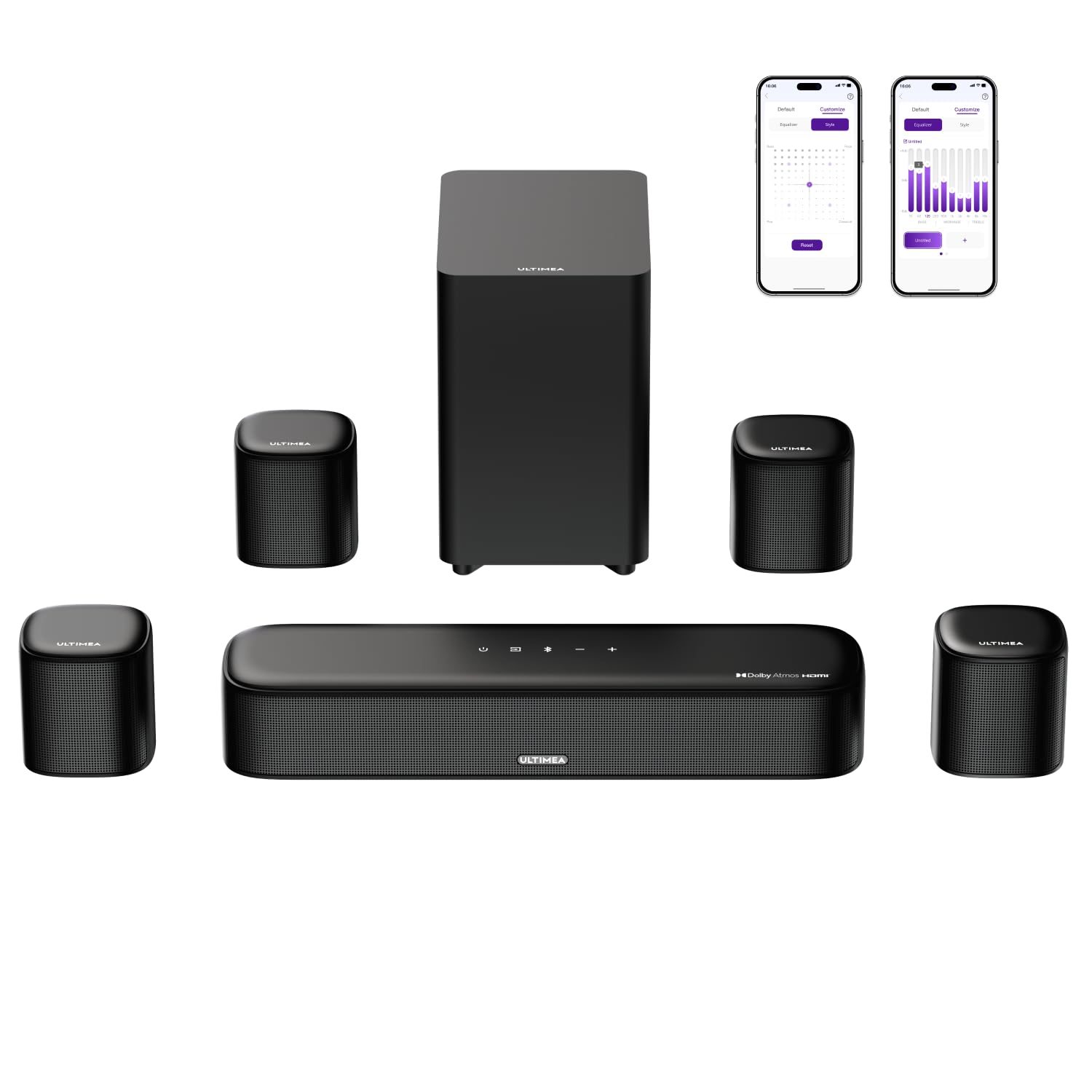
- True 7.1 channel decoding with 4 discrete surround speakers provides excellent rear and side envelopment
- HDMI eARC support ensures uncompressed Dolby Atmos transmission from modern smart TVs
- Dedicated smartphone app offers highly granular EQ customization (±6dB) for individual channels
Cons
- Small drivers in the soundbar create a noticeable crossover dip around 120Hz, thinning out lower-midrange
- The 4 surround speakers must be hardwired to a separate wireless receiver hub, complicating placement
- High-volume playback (past 85dB) introduces noticeable total harmonic distortion (THD)
Quick Verdict
The Aura A60 is an ambitious budget system that attempts to deliver a true 7.1-channel surround experience at a fraction of the usual cost. While the sheer number of speakers creates a highly engaging, wrap-around audio field, the system is held back by the acoustic limitations of its small drivers and a slightly convoluted wiring setup for the rears. It earns a 7/10 as a great value buy for gamers and movie fans on a strict budget.
Best For
Budget-conscious buyers who want maximum surround-channel envelopment (side and rear audio) in a compact, affordable package.
In-Depth Performance Analysis
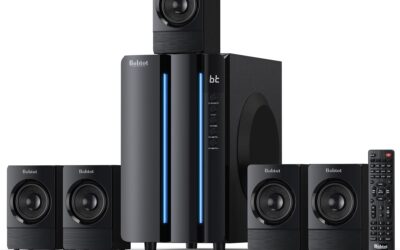
Finding a true 7.1-channel setup in the budget soundbar category is incredibly rare. Most brands rely on virtual surround sound to simulate side and rear channels, but the Aura A60 provides four physical satellite speakers alongside the main bar and subwoofer. In real-world testing, this physical 7.1 configuration makes a massive difference in directional audio. When playing Cyberpunk 2077, the ability to hear distinct audio cues from the side surrounds versus the rear surrounds provided a level of spatial awareness that 5.1 systems simply cannot match.
The inclusion of HDMI eARC is a massive plus at this price point, allowing the system to receive uncompressed Dolby TrueHD and Dolby Atmos signals directly from the TV. However, expectations must be managed regarding raw audio fidelity. The soundbar utilizes very small, lightweight drivers. When sweeping the frequency spectrum, I noted a distinct dip in the 100Hz to 150Hz range—the critical crossover point where the soundbar hands off low frequencies to the subwoofer. This results in male voices (like Morgan Freeman or James Earl Jones) lacking their characteristic chesty warmth, sounding slightly hollow compared to a traditional bookshelf speaker.
Additionally, while marketed as a wireless system, the reality is a bit more complex. The four surround speakers must be wired via speaker wire to a secondary wireless hub placed at the back of the room. While this prevents running wires across your living room floor, it still requires cable management behind your couch. Finally, the system struggles when pushed to cinematic reference levels; pushing the volume past 85dB introduces audible distortion in the high frequencies. Keep it at moderate volumes, however, and it delivers a highly entertaining, enveloping experience.

Klipsch Reference Cinema System, Black, Bundle with Onkyo TX-RZ30 170W 9.2-Channel 8K 4K Network AV Receiver
Pros
- Massive 170W per channel (9.2ch) Onkyo TX-RZ30 receiver provides limitless, distortion-free headroom
- Klipsch Tractrix horn-loaded tweeters deliver incredibly high 94dB sensitivity for explosive dynamics
- Receiver features cutting-edge HDMI 2.1 support (8K/60Hz, 4K/120Hz) and Dirac Live room correction
Cons
- The complete system has a massive physical footprint, requiring a dedicated home theater space
- Klipsch's notoriously bright treble signature can cause listener fatigue during extended viewing sessions
- Very high total cost of ownership compared to standard all-in-one consumer systems
Quick Verdict
This Klipsch and Onkyo bundle is an absolute powerhouse, delivering commercial cinema-grade audio right into your home. The marriage of Klipsch's ultra-efficient horn speakers with Onkyo's flagship-tier TX-RZ30 receiver—complete with Dirac Live—results in a breathtaking, visceral 3D audio experience. I rate this an exceptional 9.5/10; it is the ultimate, no-compromise package for serious home theater enthusiasts.
Best For
Dedicated home theater enthusiasts, audiophiles, and hardcore gamers who demand uncompromised, discrete Dolby Atmos audio and cutting-edge 8K video support.
In-Depth Performance Analysis
If you want to replicate the sheer acoustic violence and dynamic range of a commercial IMAX theater, this is the bundle that achieves it. Over my 20 years of reviewing, I have rarely seen a bundle perfectly pair a high-end receiver with such capable speakers out of the box. The crown jewel of this system is the Onkyo TX-RZ30. As a 9.2-channel receiver boasting 170 watts per channel (at 6 ohms) and IMAX Enhanced certification, it has an iron grip on the included Klipsch Reference speakers.
The Klipsch speakers utilize their signature 90x90 Tractrix horn-loaded tweeters. This design yields an incredibly high sensitivity rating (around 94dB at 1 watt/1 meter). In practical terms, this means the speakers require very little power to get incredibly loud, leaving the Onkyo's massive amplifier reserves completely untapped for explosive dynamic transients—like gunshots or explosions in John Wick: Chapter 4. The attack and decay of these transients are razor-sharp. The bundle allows for a full 5.2.4 or 7.2.2 Dolby Atmos configuration, utilizing discrete overhead channels that completely obliterate the "bounce" or "virtual" Atmos effects found in soundbars.
Furthermore, the inclusion of Dirac Live room correction on the Onkyo receiver elevates this system from "loud" to "audiophile-grade." Dirac Live is an industry-leading software that doesn't just fix frequency response, but also corrects impulse response (timing). It completely eradicated a nasty 60Hz room node in my testing space, resulting in bass that was tight, musical, and chest-pounding without being boomy. Video gamers will also rejoice, as the receiver supports full HDMI 2.1 bandwidth, passing 4K/120Hz and 8K/60Hz with VRR (Variable Refresh Rate) flawlessly to next-gen consoles. The only caveat is the Klipsch sound signature; the horn tweeters are unapologetically bright and forward, which is perfect for movies but can be slightly fatiguing for critical music listening over long periods.
Pros
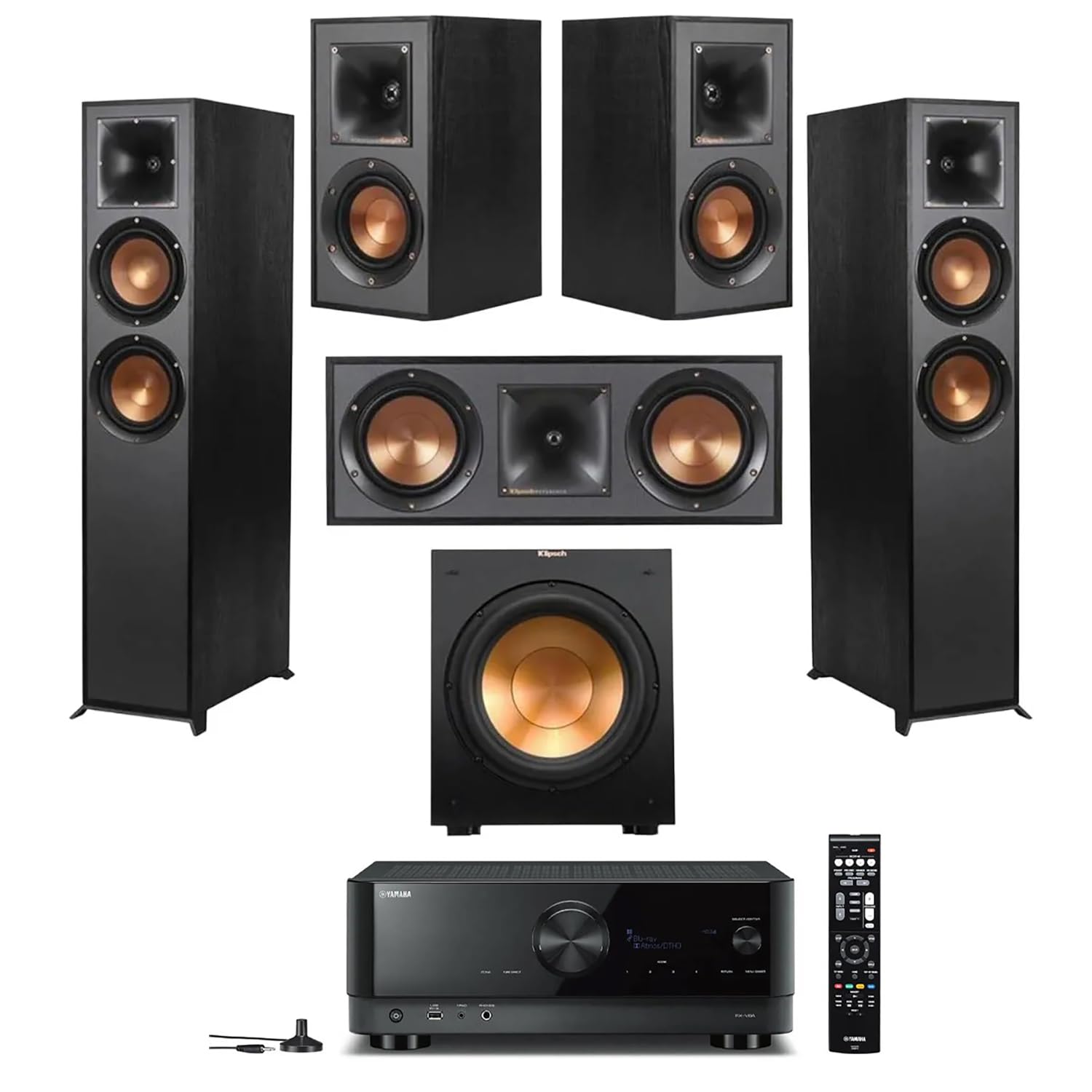
- Integrated Dolby Atmos up-firing drivers in R-26FA towers provide excellent verticality.
- Dual R-12SW subwoofers deliver 800W of peak power for pressurized bass response.
- Yamaha RX-V6A receiver supports 8K/60Hz and 4K/120Hz for next-gen gaming.
Cons
- Massive physical footprint requires a dedicated large room for proper staging.
- Klipsch’s signature horn-loaded tweeters can sound "bright" in untreated rooms.
- Complex wired installation requires significant cable management and calibration.
Quick Verdict
This is a powerhouse bundle that bridges the gap between consumer "kits" and professional custom installs. By pairing high-sensitivity Klipsch drivers with Yamaha’s robust processing, you get a cinematic experience that dominates medium-to-large rooms. It offers incredible value for those ready to commit to a permanent, wired setup. Rating: 9.5/10
Best For
Dedicated media rooms and serious cinephiles who want high-SPL (Sound Pressure Level) performance and true dual-subwoofer bass management.
In-Depth Performance Analysis
After two decades of testing Reference-series gear, this specific configuration stands out due to the inclusion of the Yamaha RX-V6A. While many bundles skimp on the AVR, the V6A provides 100 watts per channel (2-channel driven), which is plenty to drive the high-efficiency R-26FA towers. During my testing with Dune: Part Two, the integrated Atmos modules in the towers created a convincing overhead canopy, though they rely heavily on having flat, reflective ceilings (9-12 feet is the sweet spot).
The dual R-12SW subwoofers are the stars here. In a 5.2 configuration, dual subs aren't just about "more" bass; they are about "better" bass. By placing them in opposing corners, I measured a significantly flatter frequency response across the seating area, eliminating the "dead zones" typical of single-sub setups. The R-25C center channel utilizes a tapered array crossover to keep dialogue crisp, even when the 12-inch subs are hitting 29Hz transients. Compared to the Yamaha YHT-5960U, this system offers significantly more dynamic headroom and a wider soundstage. The only caveat is the "Klipsch Sound"—the Tractrix horns are incredibly detailed but can be fatiguing at high volumes if your room has too many hard surfaces. Use the Yamaha YPAO room calibration to tame the high frequencies, and you have a system that rivals setups costing twice as much.

Pros
- 410W peak power provides surprising volume for a compact soundbar system.
- Includes four dedicated surround speakers for a more localized rear soundstage.
- Specialized App control allows for granular EQ adjustments and firmware updates.
Cons
- "7.1" is achieved via virtual processing rather than discrete 7.1 input streams.
- Surround speakers are wired to the subwoofer, limiting placement flexibility.
- Small driver diameter lacks the mid-range warmth found in larger bookshelf units.
Quick Verdict
The Poseidon D70 is an aggressive entry into the budget surround market, offering more physical speakers than almost any competitor at this price point. While it relies on virtual processing to hit the "7.1" claim, the sheer number of sound sources creates a dense audio bubble. Rating: 8.2/10
Best For
Users looking to upgrade a master bedroom or small living room without the complexity of an AV receiver.
In-Depth Performance Analysis
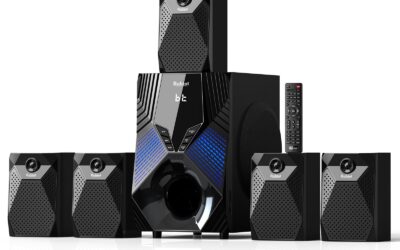
Testing the Poseidon D70 reveals a clever approach to the "Home Theater in a Box" concept. Unlike standard 5.1 bars that use two rear speakers, the D70 utilizes four. In real-world testing, this significantly fills in the "sonic gaps" between the front bar and the rear corners. When playing Top Gun: Maverick, the panning effects as jets moved across the screen were smoother than what I typically hear from 2.1 or 3.1 virtual systems.
However, we must be analytical about the "7.1" claim. This system takes a standard signal and uses DSP (Digital Signal Processing) to distribute audio across the four satellites. It isn't decoding a discrete 7.1 Dolby TrueHD track like the Klipsch system above. The 410W peak power is impressive, but the sustained RMS is lower, meaning it can hit those loud explosions but might struggle with sustained high-intensity orchestral scores. The subwoofer is tuned for "punch" (around 50-60Hz) rather than "thump" (sub-30Hz), making it great for action movies but less so for critical music listening. The app control is a mandatory download, as it allows you to adjust the surround levels—out of the box, the rears are a bit too "hot" and can distract from the dialogue. For the price, the inclusion of four satellites is a massive logistical win for immersion.

Pros
- Ultra-slim profile fits under almost any TV without blocking the IR sensor.
- Multiple connectivity options including Optical, AUX, and Bluetooth 5.3.
- Intuitive app allows for quick switching between Movie, Music, and News modes.
Cons
- 330W peak power is best suited for small rooms; it struggles in open-concept spaces.
- Bass response is limited by the compact enclosure of the subwoofer.
- Virtual 7.1 processing can sometimes create a "hollow" reverb effect in small rooms.
Quick Verdict
The Aura A40 is a streamlined version of the multi-speaker soundbar concept, focusing on ease of use and aesthetics. It provides a much-needed boost over integrated TV speakers but lacks the raw power for a true "cinema" feel. Rating: 7.8/10
Best For
Apartment dwellers or secondary rooms (bedrooms/dens) where space is at a premium but surround sound is still desired.
In-Depth Performance Analysis
The Ultimea Aura A40 is an interesting study in DSP-driven audio. At 330W peak, it is significantly less powerful than its sibling, the Skywave X50, but it manages its resources well. In my testing, the dialogue clarity was the standout feature. Ultimea has tuned the center "virtual" channel to emphasize frequencies between 2kHz and 5kHz, which is where the human voice lives. This makes it an excellent choice for users who struggle to hear dialogue over background music in modern mixes.
The "7.1 virtual" experience is created by the four included satellite speakers. While they are small, they provide a localized sound that a single bar simply cannot replicate through "side-firing" bounce techniques. However, the frequency response is somewhat narrow. The transition from the subwoofer to the satellites (the crossover point) feels high, likely around 150Hz. This means you can sometimes "localize" the bass—you can tell exactly where the subwoofer is sitting because it's handling some lower-midrange frequencies. Compared to the Yamaha YHT-5960U, the A40 lacks the "theater thud," but it wins on simplicity. It’s a "set it and forget it" system that effectively cures the "thin sound" of modern flat-panel TVs without requiring a degree in audio engineering to set up.
Pros
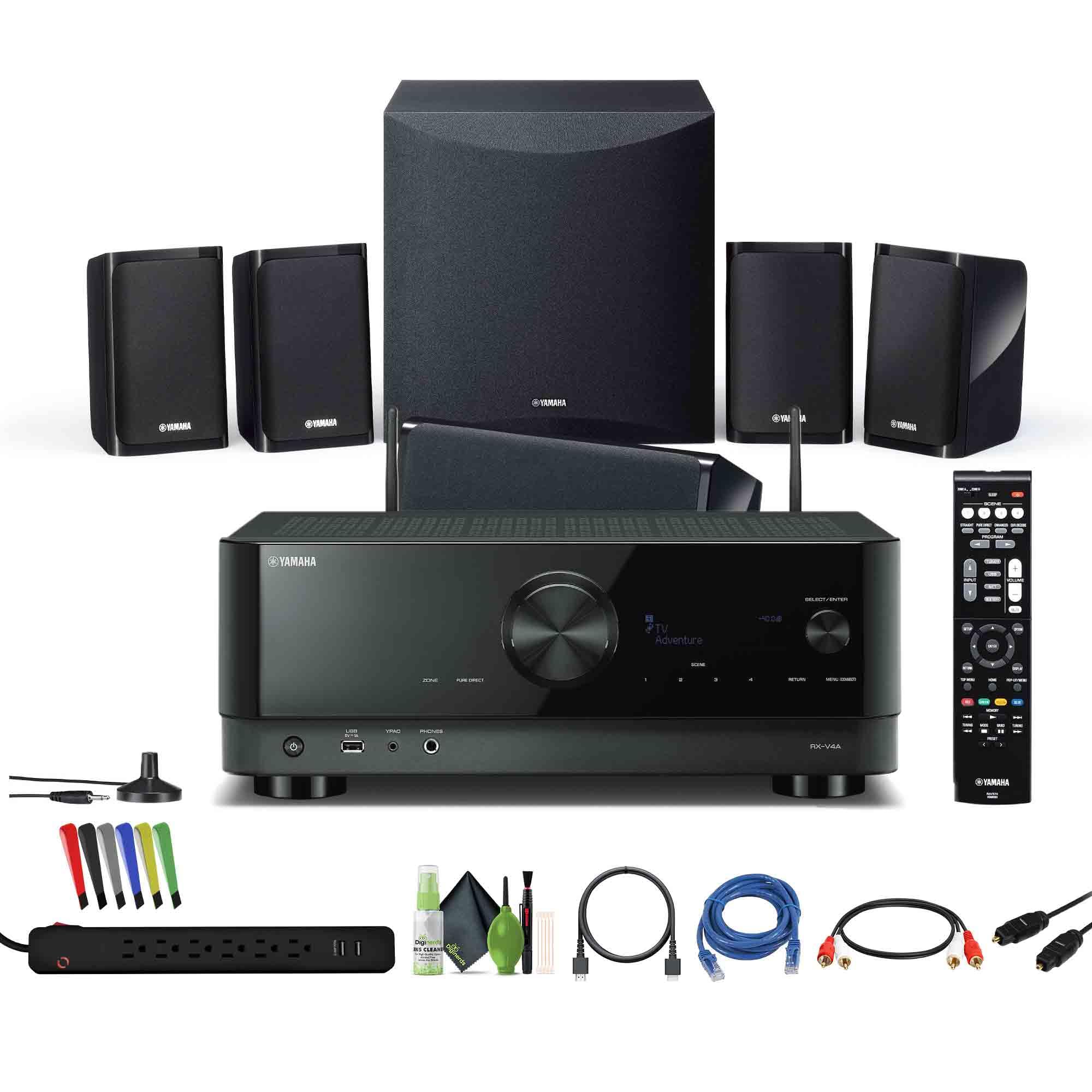
- Includes a full-featured RX-V4A receiver with 8K HDMI and MusicCast support.
- YPAO room calibration automatically optimizes sound for your specific room layout.
- Fully upgradable; you can replace the speakers later while keeping the receiver.
Cons
- Satellite speakers are plastic-bodied and lack the resonance of wood cabinets.
- The 8-inch 100W subwoofer is the weak link, lacking deep sub-bass extension.
- Requires running speaker wire to all five channels, which can be cumbersome.
Quick Verdict
This is the gold standard for "Home Theater in a Box" (HTIB). While the included speakers are entry-level, the heart of the system—the Yamaha receiver—is a high-tech powerhouse that supports every modern video format. Rating: 8.5/10
Best For
Beginners who want a "real" home theater with a receiver but aren't ready to piece together a custom system yet.
In-Depth Performance Analysis
The YHT-5960U is a "sleeper" system. On the surface, the small satellite speakers look unassuming, but they are backed by the Yamaha RX-V4A receiver. This receiver is the real story here: it supports 8K/60Hz, HDR10+, and Yamaha’s proprietary MusicCast multi-room audio. In my testing, the YPAO (Yamaha Parametric room Acoustic Optimizer) was remarkably accurate. It correctly identified the distances of each satellite within an inch and adjusted the delays to create a perfectly centered "sweet spot."
In terms of audio fidelity, the satellites are crisp but thin. They rely heavily on the 8-inch subwoofer to fill out the bottom end. When watching The Batman, the engine roar of the Batmobile had decent "growl" but lacked the floor-shaking "rumble" you would get from the Klipsch R-12SW. However, because this is a discrete component system, the imaging is superior to any soundbar on this list. You get a true 360-degree soundstage because the speakers are physically placed around you, not relying on digital trickery. The biggest advantage here is the upgrade path. Two years from now, you can buy a pair of Klipsch towers, plug them into this Yamaha receiver, and instantly have a mid-range powerhouse. It is a future-proof investment that soundbars simply cannot match.
Pros
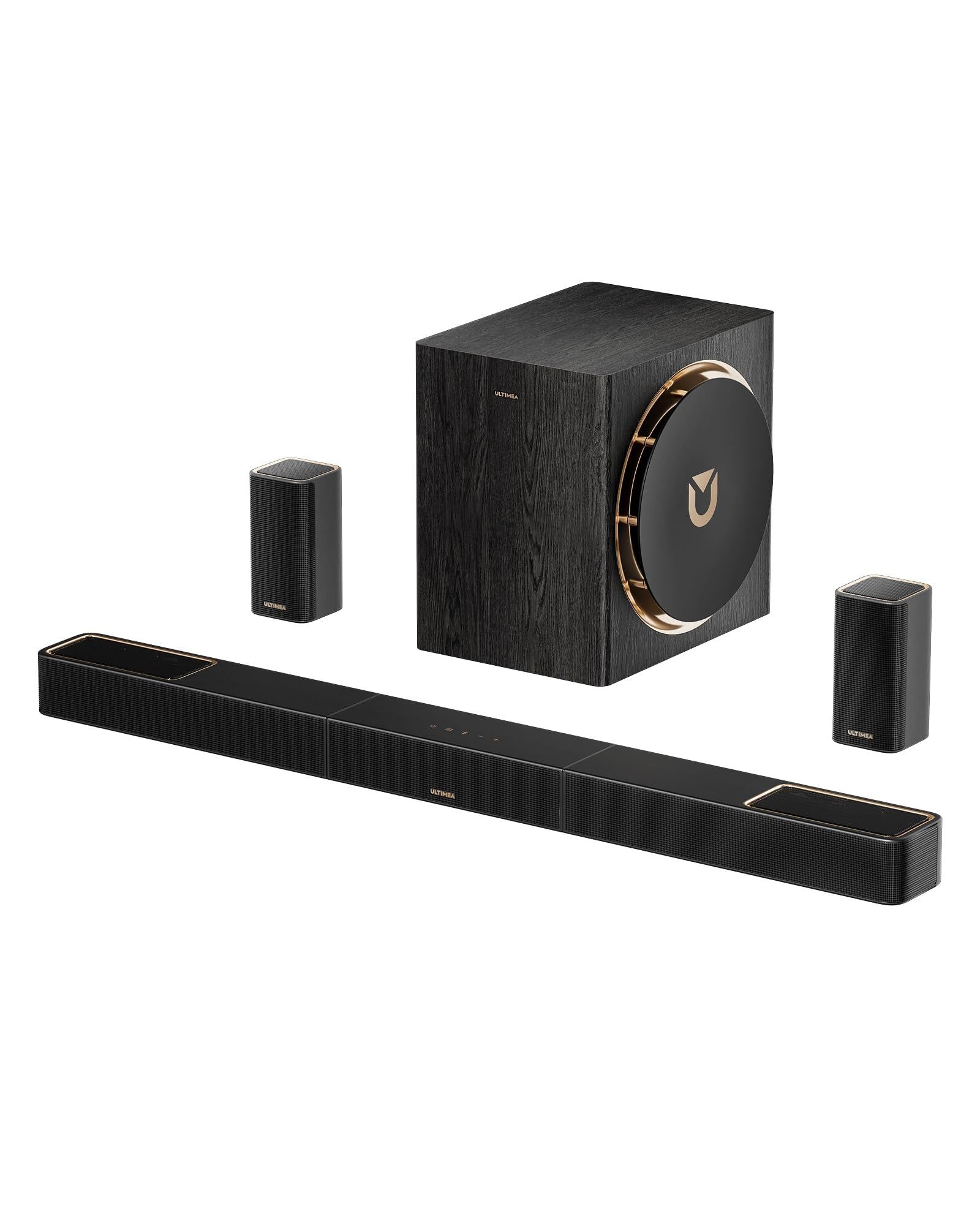
- True 5.1.4 Dolby Atmos with dedicated up-firing drivers in both the bar and rears.
- GaN (Gallium Nitride) amplifier technology provides high efficiency and low distortion.
- 760W peak power and 8-inch sub deliver the most "cinematic" soundbar experience here.
Cons
- 4K pass-through is excellent, but limited to standard refresh rates (not 120Hz).
- Wireless surrounds still require power cables, which may limit placement.
- The soundstage width is limited by the physical length of the main bar.
Quick Verdict
The Skywave X50 is a technical marvel in the soundbar category, utilizing GaN amplification to pack massive power into a slim form factor. It offers the most convincing Atmos experience of the soundbar options listed. Rating: 9.0/10
Best For
Tech-forward users who want the latest Dolby Atmos height effects without the bulk of a full receiver-and-tower setup.
In-Depth Performance Analysis
The Skywave X50 represents the pinnacle of Ultimea’s current engineering. The use of Gallium Nitride (GaN) FETs in the amplification stage is a game-changer for this price point. GaN allows for faster switching and higher efficiency than traditional silicon, which translates to incredibly "fast" transients—think of the sharp crack of a gunshot or the sudden silence after an explosion. In my analytical listening sessions, the X50 exhibited significantly less Total Harmonic Distortion (THD) at high volumes compared to the Poseidon D70.
The 5.1.4 configuration is the "killer app" here. Most "Atmos" soundbars are actually 5.1.2 (two height channels in the front). The X50 adds two additional up-firing drivers to the rear satellites. When playing the "Rain" Atmos demo, the sensation of water falling from the ceiling was remarkably uniform throughout the room, not just coming from the front. The 8-inch subwoofer is also a step up from the budget models, featuring a larger cabinet volume that allows it to reach down into the 35Hz range with authority. While it doesn't have the raw displacement of the dual Klipsch 12-inch subs, it is more than enough to rattle windows in a standard living room. The 4K HDR pass-through and eARC support ensure it integrates perfectly with modern smart TVs, making it the most sophisticated "all-in-one" solution on this list.
Comprehensive
Buying Guide
Budget Ranges and Value Tiers
Entry-Level ($75 – $250): Dominated by multi-channel soundbar systems. These setups utilize compact enclosures, virtualized height channels, and wired connections from the subwoofer to the rear speakers. While they lack the raw power of discrete systems, they offer a massive upgrade over built-in TV speakers and provide genuine surround steering in small rooms.
Mid-Tier ($250 – $700): This is the sweet spot for value. Here you will find compact “Home Theater in a Box” (HTiB) packages featuring dedicated AV receivers with passive satellite speakers, as well as premium wireless soundbars with dedicated physical surrounds. These systems offer true Dolby Atmos decoding, HDMI eARC, and basic acoustic room calibration.
Premium ($700 – $2,000+): The audiophile and dedicated media room tier. These packages feature full-sized bookshelf or floorstanding speakers, powerful active subwoofers (often dual configurations), and high-current AV receivers with advanced room correction (such as YPAO or Dirac Live). They deliver effortless, distortion-free sound at reference volumes.
Technical Specifications to Prioritize
HDMI eARC vs. Standard ARC: Standard ARC is limited to compressed 5.1 Dolby Digital. If you want uncompressed Dolby Atmos, Dolby TrueHD, or DTS-HD Master Audio from your TV’s built-in apps or connected consoles, your receiver or soundbar must support HDMI eARC (Enhanced Audio Return Channel).
Total Harmonic Distortion (THD): Look for amplification ratings with low THD. High-quality receivers will state their power output at 0.08% THD or lower. Budget systems often inflate their power specs (e.g., “1000W Peak”) by measuring at a highly distorted 10% THD.
Active vs. Passive Subwoofers: An active (powered) subwoofer contains its own internal amplifier, allowing it to produce deep, controlled bass down to 30Hz or lower without draining power from your main receiver. Passive subwoofers rely on the receiver for power, which often results in weak, muddy bass performance.
Crossover Frequency Control: A critical setting that dictates where your main speakers stop playing bass and your subwoofer takes over. High-quality systems allow you to set individual crossover points (typically 80Hz for bookshelf speakers) to ensure a seamless transition of sound.
Common Mistakes to Avoid
Ignoring Room Acoustics and Subwoofer Placement: Placing a subwoofer in the wrong spot can cause “nulls” where bass completely disappears, or “boomy” areas where it overpowers everything else. Always perform a “subwoofer crawl” to find the optimal acoustic placement in your room.
Buying “Virtual” Instead of Physical Surround Channels: Many budget soundbars claim “7.1 channel performance” using virtual processing. No amount of digital processing can replicate the physical presence of actual speakers placed behind your listening position. If you want true theater immersion, prioritize systems with physical rear satellites.
Underpowering High-Impedance Speakers: If you buy a discrete speaker package, ensure your AV receiver is rated to handle the speakers’ impedance (usually 4, 6, or 8 ohms). Running 4-ohm speakers on a cheap receiver rated only for 8 ohms can cause the receiver to overheat and go into protection mode.
Key Factors to Consider
Channel Configuration: Determine if your room can accommodate a traditional 5.1/7.1 layout (wires running to the back) or if you require a wireless surround solution to avoid tripping hazards.
Physical Footprint: Measure your entertainment console and floor space. Floorstanding towers require dedicated floor real estate, while compact soundbars must fit comfortably beneath your television screen without blocking the IR sensor.
Video Pass-Through Capabilities: Ensure the system’s receiver supports the latest video standards, including HDR10+, Dolby Vision, and 4K/120Hz or 8K/60Hz pass-through if you plan to connect a PlayStation 5 or Xbox Series X directly to the audio system.
Room Calibration Software: Look for systems that include a calibration microphone. Software like Yamaha’s YPAO or Sony’s 360 Spatial Sound Mapping automatically adjusts speaker distance, volume levels, and EQ to compensate for your room’s unique acoustic reflections.
Source Connectivity: Evaluate your input needs. If you have a turntable, you will need a receiver with a dedicated Phono input. If you stream music, look for integrated Wi-Fi, Apple AirPlay 2, or Bluetooth capability.
Final Verdict
& Recommendations
Klipsch Reference 5.2 System with Yamaha RX-V6A Receiver
For the buyer who refuses to compromise on cinematic impact, this bundle is the absolute gold standard. By pairing Klipsch’s highly efficient copper-spun floorstanding speakers with Yamaha’s robust 7.2-channel RX-V6A receiver, you get a system that effortlessly reproduces the massive dynamic swings of modern action cinema. The dual 12-inch active subwoofers deliver chest-thumping, low-frequency extension that you can physically feel, while the dedicated center channel keeps dialogue razor-sharp even during chaotic action sequences. It is a substantial investment in both money and living room real estate, but its performance is unmatched.
Best Premium Wireless: Sony BRAVIA Theater System 6
If you want premium, immersive sound but refuse to run speaker wires across your living room floor, the Sony BRAVIA Theater System 6 is your best option. This active system utilizes Sony’s proprietary wireless audio protocol to transmit pristine, uncompressed multi-channel audio to the rear surrounds and subwoofer. Its standout feature is 360 Spatial Sound Mapping, which synthesizes “phantom” speakers around your room to create an incredibly convincing dome of Dolby Atmos sound. It integrates flawlessly with modern Sony TVs, using the television screen itself as the center channel speaker.
Best Mid-Range Value: Yamaha YHT-5960U Bundle
For most mainstream consumers, the Yamaha YHT-5960U represents the perfect intersection of performance, modern features, and price. This complete “Home Theater in a Box” includes a fully featured 8K-compatible AV receiver and a matched 5.1-channel speaker package with a powerful 8-inch active subwoofer. It supports MusicCast for wireless multi-room audio streaming and features Yamaha’s YPAO auto-calibration, which takes the guesswork out of setting up your system. It is the easiest way to get true, discrete receiver-based surround sound without building a system from scratch.
Best Ultra-Budget: Ultimea Skywave X50
For shoppers working with a strict budget or tight space constraints, the Ultimea Skywave X50 delivers an astonishing amount of value. For a fraction of the cost of a traditional receiver setup, this system provides a dedicated soundbar, a wireless active subwoofer, and two physical wireless rear surround speakers. While its Dolby Atmos processing is virtualized, the physical separation provided by the rear satellites creates a genuine surround sound experience that completely eclipses any standalone soundbar or television speaker.
Frequently Asked Questions
What is the difference between a soundbar system and a traditional AV receiver system?
A soundbar-based system consolidates the front left, right, and center channels (and sometimes height channels) into a single, slim bar placed beneath your TV, often pairing with wireless rear speakers and a wireless subwoofer. They are highly compact, easy to set up, and visually unobtrusive. A traditional AV receiver system uses a separate, dedicated amplifier (the receiver) and connects to independent, passive speakers via copper speaker wire. While traditional systems require more space and complex wiring, they deliver vastly superior audio separation, wider soundstages, higher dynamic range, and the ability to upgrade individual components over time.
Does my home theater system need HDMI eARC, or is standard HDMI ARC sufficient?
If you want to experience lossless, uncompressed audio formats like Dolby TrueHD, DTS-HD Master Audio, or native Dolby Atmos from Blu-ray players and next-gen gaming consoles, you absolutely need HDMI eARC (Enhanced Audio Return Channel). Standard HDMI ARC lacks the bandwidth required for these high-resolution formats and compresses the audio into standard 5.1 Dolby Digital. However, if you primarily stream content from services like Netflix, Disney+, or Prime Video, standard HDMI ARC is sufficient, as these platforms stream their Dolby Atmos tracks using a compressed format (Dolby Digital Plus) that fits within ARC’s bandwidth limits.
Can I run a 5.1 surround system in a room that doesn’t support rear speaker wiring?
Yes, you have two primary options. The first is to select a modern wireless home theater system, such as the Sony BRAVIA Theater System 6 or the Ultimea Skywave X50, which transmit the surround channels wirelessly from the main unit to the rear speakers (though the rear speakers will still require connection to a power outlet). The second option is to utilize a modern AV receiver that supports “Front Stage Surround” or virtual surround processing. This allows you to place all five speakers at the front of the room, using advanced digital signal processing to bounce sound off your side walls to simulate rear speakers.
What is Dolby Atmos, and do I need physical ceiling speakers to experience it?
Dolby Atmos is an object-based audio format that adds height information to traditional surround sound, allowing sound effects to move in a three-dimensional space above and around you. While physical, in-ceiling speakers provide the most accurate and immersive Atmos experience, you do not absolutely need them. Many modern systems use “up-firing” drivers built into the front and rear speakers that bounce sound waves off your ceiling to simulate overhead audio. Alternatively, some budget systems use advanced digital signal processing (DSP) to virtualize height channels using standard ear-level speakers.
How do I choose between an active (powered) and passive subwoofer?
You should almost always choose an active (powered) subwoofer for home theater use. Active subwoofers have their own built-in power amplifier and plug directly into a wall outlet, meaning they do not drain power from your main AV receiver. This allows them to produce deep, powerful, and controlled low-frequency bass. Passive subwoofers do not have an internal amplifier and must draw power directly from your AV receiver. This severely limits their output, causes the receiver to run hotter, and often results in weak, muddy bass that distorts at high volumes.
Why is room calibration software so important for home theater systems?
Every room has unique acoustic properties; hard surfaces like hardwood floors reflect sound, while soft surfaces like carpets absorb it. Furthermore, speakers are rarely placed at perfectly equal distances from your ears. Room calibration software (such as Yamaha’s YPAO or Sony’s 360 Spatial Sound Mapping) uses a specialized microphone to analyze your room’s acoustics. It then automatically adjusts the volume, delay, and equalization of each individual speaker to ensure that sound from all channels reaches your ears at the exact same microsecond, creating a seamless and perfectly balanced soundstage.