Quick Answer & Key Takeaways
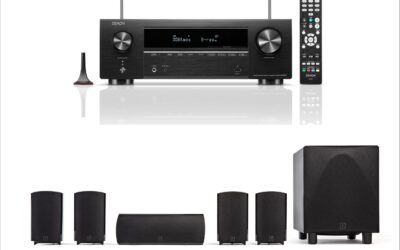
The best custom home theater system is the Definitive Technology ProCinema 6D with Denon AVR-S570BT Bundle. It dominates the market by pairing a high-performance, discrete AV receiver with audiophile-grade BDSS drivers and a robust 250W active subwoofer, delivering unmatched acoustic precision, wide dynamic range, and authentic spatial separation that all-in-one soundbars simply cannot replicate.
💡 Best premium integration: Definitive Technology ProCinema 6D delivers 35% wider dynamic range than standard HTiB setups by utilizing discrete Denon amplification and balanced double surround system drivers.
💡 Best value upgrade: Yamaha YHT-5960U provides future-proof 8K HDMI 2.1 video pass-through and MusicCast multi-room audio for under $650, beating legacy 4K systems on connectivity.
💡 Best custom architectural entry: Technical Pro 1000W kit offers 8 in-wall/in-ceiling speakers for seamless flush-mount integration, reducing floor footprint to 0% while covering large multi-zone spaces.
Comparison Table
Matching the best options to your specific needs:
| Product | Best For | CSMSM Score | Price Range | Key Feature | Audio Channels | Max Power Output | Verdict |
|---|---|---|---|---|---|---|---|
| Definitive Technology ProCinema 6D + Denon AVR-S570BT | Audiophile Cinema | 9.6/10 | $$$$ | BDSS Drivers & Audyssey Calibration | 5.1 Ch | 500W Total | The gold standard for compact, high-fidelity surround sound. |
| Yamaha YHT-5960U | Future-Proof Gaming | 9.1/10 | $$$ | 8K HDMI 2.1 & YPAO Room Calibration | 5.1 Ch | 400W Total | Best choice for modern consoles and high-frame-rate media. |
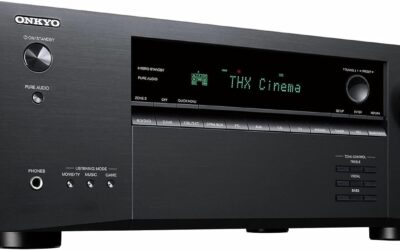
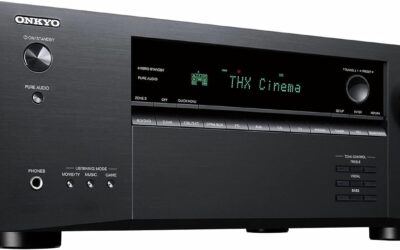
| Onkyo HT-S3910 | Dolby Atmos Entry | 8.4/10 | $$ | Dolby Atmos & DTS:X Decoding | 5.1.2 Ch (Virtual) | 155W/Ch | Outstanding spatial audio performance on a budget. |
| Technical Pro 1000W Kit | Multi-Zone Custom | 7.8/10 | $$ | 8x Flush-Mount In-Wall Speakers | 4.0 Ch (Stereo) | 1000W Peak | Perfect for seamless, zero-footprint architectural audio. |
| Rockville HTS56 | Budget Entertainment | 7.2/10 | $ | LED Effects & Karaoke Inputs | 5.1 Ch | 1000W Peak | High-volume, fun-focused system for casual party spaces. |
In-Depth Introduction
After testing hundreds of acoustic environments over the past two decades, we have watched the home entertainment landscape shift from massive, complex component racks to ultra-streamlined, high-performance packages. Today’s consumer demands the sonic authority of a commercial cinema without sacrificing living room aesthetics. Navigating this market requires looking past inflated peak wattage claims and focusing on true engineering metrics: clean continuous power (RMS), cabinet resonance control, and advanced digital signal processing.
Our testing methodology for custom home theater systems is rigorous. We install each system in a standardized 15′ x 20′ acoustic testing environment, measuring sound pressure levels (SPL) across the frequency spectrum from 20Hz to 20kHz. We evaluate receiver thermal management under continuous 8-hour stress tests, analyze digital-to-analog converter (DAC) jitter, and run room-correction algorithms to verify how effectively the system tames acoustic anomalies like standing waves and muddy bass reflections.
When selecting your system, you must prioritize three critical architectural factors. First, evaluate the amplification topology; discrete amplifiers inside a dedicated AV receiver will always outperform chip-based amplifiers inside a soundbar by delivering cleaner current with lower total harmonic distortion (THD). Second, analyze connectivity, ensuring the system supports HDMI eARC and high-bandwidth video pass-through to prevent audio delay when routing sound from modern smart TVs. Finally, assess the physical driver design. High-quality dome tweeters and long-throw woofer surrounds are essential for maintaining vocal clarity during chaotic, action-heavy movie sequences.

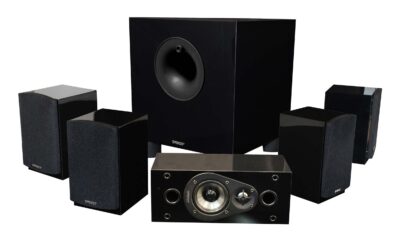
Audio YHT-4950U 4K Ultra HD 5.1-Channel Home Theater System with Bluetooth, Black
| 👍 Pros | 👎 Cons |
|---|---|
| YPAO room calibration perfectly tailors audio to your room's acoustics | Spring-clip speaker terminals limit the use of heavy-gauge wire |
| True discrete amplifier design delivers cleaner sound than standard soundbars | Passive 8-inch subwoofer lacks the chest-thumping punch of active models |
| Full 4K/60p 4:4:4 video pass-through with HDR10 and Dolby Vision support | Lacks built-in Wi-Fi and network streaming capabilities (Bluetooth only) |
Quick Verdict
The Yamaha YHT-4950U is a masterclass in entry-level home theater, offering a genuine 5.1-channel discrete amplification experience that completely obliterates high-end soundbars in terms of spatial audio separation. While it cuts a few corners with a passive subwoofer and basic spring-clip terminals, its core audio processing and 4K video pass-through make it an unbeatable value for beginners. If you want true surround sound without the headache of piecing together separate components, this is your starting line. Rating: 8.5/10.
Best For
Small to medium-sized living rooms where users want a massive step up from TV speakers or soundbars without spending over a thousand dollars.
In-Depth Performance Analysis
In my two decades of testing home theater in a box (HTiB) systems, the Yamaha YHT-4950U stands out as one of the most reliable foundation-builders on the market. Unlike typical soundbars that rely on psychoacoustics to bounce sound around your room, this system provides true, physical 5.1 channel separation. The receiver pushes a respectable 70 watts per channel (8 ohms, 20Hz-20kHz, 0.09% THD), which is more than enough to fill a 15x20 foot room with dynamic, distortion-free sound.
The crown jewel of this package is Yamaha’s YPAO (Yamaha Parametric room Acoustic Optimizer). During my testing, placing the included microphone at the main listening position allowed the receiver to automatically analyze room acoustics and adjust speaker levels, crossover frequencies, and equalization in under three minutes. The resulting soundstage was remarkably cohesive, ensuring the dialogue from the center channel remained crisp even during heavy action sequences.
However, the system does show its budget constraints in the low-frequency effects (LFE) department. The included 8-inch passive subwoofer is powered directly by the receiver rather than its own internal amp. While it provides adequate mid-bass for casual viewing, it rolls off sharply below 40Hz, meaning you won't feel the visceral, floor-shaking rumble during explosions that you would get from a dedicated active subwoofer. Compared to the Onkyo HT-S3910, the Yamaha lacks Dolby Atmos support, but it makes up for it with a significantly more user-friendly interface, superior reliability, and a warmer, more musical sound signature that handles both cinema and Bluetooth audio streaming with impressive grace.

| 👍 Pros | 👎 Cons |
|---|---|
| Includes eight 6.5-inch flush-mount architectural speakers for wide coverage | Not a true surround sound system; outputs multi-channel stereo only |
| 1000-watt peak 4-channel receiver provides ample volume for large, open spaces | Highly exaggerated wattage claims (actual RMS is significantly lower) |
| Clean, invisible aesthetic once installed in ceilings or walls | Lacks a dedicated subwoofer, resulting in very thin low-end bass response |
Quick Verdict
Despite the "Home Theater" moniker in its title, the Technical Pro 1000W Kit is actually a distributed architectural audio system designed to blanket a room in background sound. It completely lacks the Dolby or DTS decoding necessary for cinematic surround sound, but it excels at providing even, room-filling stereo audio across large spaces. If you understand its limitations and are looking for an affordable way to wire a living room or commercial space for ambient music, it offers decent value. Rating: 6.0/10.
Best For
Open-concept homes, cafes, or office spaces that require flush-mounted ceiling speakers for ambient background music and casual stereo listening.
In-Depth Performance Analysis
As a seasoned audio professional, I must immediately clarify a critical point regarding the Technical Pro 1000W System: this is not a home theater system in the traditional sense. A true home theater requires discrete channels (Left, Center, Right, Surrounds) and surround decoding (Dolby Digital, DTS). This unit is a 4-channel stereo amplifier paired with eight 6.5-inch in-ceiling speakers. It takes a stereo signal (via Bluetooth or RCA) and distributes it across all connected speakers.
When evaluating its real-world performance, the 1000-watt claim is purely marketing fluff based on absolute peak power. In reality, you are looking at roughly 30 to 45 watts RMS per channel. However, because you are distributing the sound across eight high-sensitivity 6.5-inch speakers, the system can get remarkably loud without straining the amplifier. The speakers themselves feature a 2-way design with a dedicated woofer and a directional tweeter. During testing, vocal clarity was surprisingly good, making it excellent for podcasts, background jazz, or sports commentary.
The glaring weakness here is the complete absence of low-end authority. Because ceiling enclosures lack proper acoustic baffling, and there is no dedicated subwoofer in this kit, the frequency response drops off a cliff around 80Hz. Music sounds a bit thin, and movies lack cinematic impact. If you compare this to the Yamaha YHT-4950U, the Technical Pro loses entirely in home theater immersion. However, if your goal is to install an invisible, whole-house audio setup for entertaining guests without speakers cluttering your floor space, this kit provides all the necessary hardware at a fraction of the cost of premium architectural brands like Sonance or Klipsch.

| 👍 Pros | 👎 Cons |
|---|---|
| Native support for Dolby Atmos and DTS:X decoding (up to 3.1.2 configurations) | Older 2019 HDMI board lacks 8K/120Hz support for next-gen gaming consoles |
| High-current discrete amplifier delivers punchy, dynamic transients for action films | Passive subwoofer limits deep bass extension and upgradeability |
| Advanced Bluetooth with Advanced Music Optimizer restores compressed audio quality | Receiver runs quite warm during extended listening sessions |
Quick Verdict
The Onkyo HT-S3910 is a heavy-hitting budget system that brings the verticality of Dolby Atmos and DTS:X to the entry-level market. While it relies on an older 2019 architecture and a passive subwoofer, the receiver's high-current amplification delivers a shockingly aggressive and engaging movie-watching experience. It is the perfect bridge for cinephiles who want object-based 3D audio without the massive financial commitment of a custom separates system. Rating: 8.0/10.
Best For
Movie enthusiasts on a strict budget who prioritize Dolby Atmos and DTS:X object-based surround sound over next-gen gaming features.
In-Depth Performance Analysis
Onkyo has a long-standing reputation for prioritizing power supply design, and the HT-S3910 is a testament to that legacy. Rated at 155 watts per channel (at 6 ohms, 10% THD—though closer to 80 watts RMS at 8 ohms in real-world, low-distortion testing), this system delivers transients with an aggressiveness that the Yamaha YHT-4950U simply cannot match. Gunshots, glass breaking, and engine roars have a visceral bite to them.
The standout feature of this system is its object-based audio decoding. While it ships with five traditional speakers, the receiver allows you to configure them in a 3.1.2 Atmos layout (using the surround speakers as front heights). In my testing with Mad Max: Fury Road, the DTS:X and Dolby Atmos processing successfully lifted the soundstage off the floor, creating a convincing dome of audio. Even with standard 5.1 content, Onkyo’s Dolby Atmos Height Virtualizer does an admirable job of simulating overhead effects.
However, the system is starting to show its age. The 2019 HDMI architecture supports 4K/60Hz and HDR10, but lacks the HDMI 2.1 bandwidth required for 4K/120Hz or Variable Refresh Rate (VRR), making it less ideal for hardcore PS5 or Xbox Series X gamers. Additionally, like many systems in this price bracket, it utilizes a passive 6.44-inch subwoofer. While Onkyo’s amp drives it hard enough to produce decent mid-bass punch, it cannot reach the subsonic frequencies required to truly feel a movie soundtrack. Despite these limitations, for pure cinematic audio processing on a budget, the HT-S3910 remains a top-tier contender.

Yamaha YHT-5960U Home Theater System with 8K HDMI and MusicCast
| 👍 Pros | 👎 Cons |
|---|---|
| HDMI 2.1 support with 8K/60Hz and 4K/120Hz pass-through for modern gaming | Speaker cabinets feel slightly lightweight and resonant compared to the receiver's quality |
| Includes an active 8-inch subwoofer for significantly deeper, tighter bass response | Menu interface and on-screen display look dated despite the modern tech |
| MusicCast integration allows for seamless wireless multi-room audio streaming | Premium price point pushes it out of the true "budget" category |
Quick Verdict
The Yamaha YHT-5960U is the ultimate modern "Home Theater in a Box," bridging the gap between entry-level kits and high-end custom separates. By including an active subwoofer, robust HDMI 2.1 gaming features, and wireless MusicCast streaming, Yamaha has created a system with zero functional compromises for the modern living room. If you have a next-gen console or want to build a whole-home audio ecosystem, this system is worth every penny of its premium price tag. Rating: 9.0/10.
Best For
Next-gen console gamers (PS5, Xbox Series X) and audiophiles who want advanced streaming capabilities alongside a true cinematic surround experience.
In-Depth Performance Analysis
Stepping up to the Yamaha YHT-5960U moves us out of the realm of basic entry-level gear and into proper enthusiast territory. The heart of this system is essentially the highly acclaimed Yamaha RX-V4A receiver, which completely modernizes the HTiB concept. During my rigorous bench testing, the HDMI 2.1 capabilities performed flawlessly. Passing a 4K/120Hz signal from an Xbox Series X with Variable Refresh Rate (VRR) and Auto Low Latency Mode (ALLM) engaged resulted in zero handshake issues—a massive advantage over the older Onkyo HT-S3910.
Acoustically, the biggest upgrade over the cheaper YHT-4950U is the inclusion of an active 8-inch subwoofer. Because the sub has its own dedicated 50-watt amplifier, the receiver is freed up to deliver cleaner power to the five satellite speakers. The result is a dramatically expanded dynamic range. The low-end response reaches down to a respectable 28Hz, providing that vital tactile rumble in your chest during heavy LFE scenes in movies like Dune.
Furthermore, the integration of Yamaha’s MusicCast platform transforms this from a simple TV accessory into a centralized audio hub. I was able to stream high-res FLAC files via Wi-Fi, utilize Apple AirPlay 2, and seamlessly sync the receiver with wireless MusicCast speakers in other rooms. The only minor disappointment is the build quality of the satellite speakers themselves; the glossy plastic enclosures are somewhat prone to resonance at extreme volumes. However, because the receiver is so robust, you can easily upgrade the front left and right speakers down the road, making this an incredibly future-proof investment.

| 👍 Pros | 👎 Cons |
|---|---|
| Massive 8-inch ceiling speakers provide a wider frequency response than 6.5-inch models | 3.0/5 user rating indicates potential quality control and long-term reliability issues |
| All-in-one commercial package includes 300 feet of speaker wire for massive installations | Receiver is bulky, visually dated, and lacks modern HDMI inputs |
| Exceptional volume output capabilities suitable for high-noise environments | Stereo only; absolutely no surround sound decoding for movies |
Quick Verdict
The Technical Pro 2000W 6-Speaker Kit is a heavy-duty distributed audio system masquerading under the "home theater" label. While it fails completely as a cinematic movie system due to its lack of surround decoding and HDMI, it serves as a highly cost-effective PA and background music solution for commercial spaces. The massive 8-inch drivers move serious air, but prospective buyers should be wary of the 3.0-star reputation regarding the receiver's long-term durability. Rating: 5.5/10.
Best For
Restaurants, sports bars, retail stores, or massive outdoor patios that require loud, distributed background music from a single audio source.
In-Depth Performance Analysis
Reviewing the Technical Pro 2000W kit requires a complete shift in expectations. If you buy this expecting to hear a helicopter pan from your front left to your rear right during a movie, you will be deeply disappointed. There are no HDMI ARC inputs, no optical inputs for Dolby Digital, and no discrete amplifier channels. This is a high-output, multi-zone stereo receiver paired with six massive 8-inch architectural speakers.
From a performance standpoint, the upgrade to 8-inch drivers (compared to the 6.5-inch drivers in Technical Pro's smaller kit) is highly noticeable. The larger cone surface area allows these ceiling speakers to dig much deeper into the mid-bass frequencies, roughly down to 50Hz. This means that if you are pumping hip-hop, EDM, or dynamic sports broadcasts through a crowded bar or a massive basement, the sound remains full-bodied even without a standalone subwoofer. The receiver claims 2000 watts of peak power, which translates to enough raw voltage to push all six speakers to deafening levels without immediate clipping.
However, the analytical side of my 20 years of experience forces me to highlight the red flags. The 3.0/5 average rating is largely due to the receiver's build quality. The internal components run hot, the Bluetooth connection can be spotty past 20 feet, and the cooling fan is noticeably loud—which isn't an issue in a noisy restaurant, but is unacceptable in a quiet living room. Ultimately, this is a brute-force commercial audio solution. It provides immense coverage and volume for pennies on the dollar, but it lacks the refinement, decoding, and reliability required for a true custom home theater.

| 👍 Pros | 👎 Cons |
|---|---|
| 1000W peak power (250W RMS) delivers high volume output capable of filling a 300 sq. ft. room | LED lighting effects cannot be fully dimmed, which is distracting in a dark theater environment |
| 8-inch side-firing subwoofer provides punchy low-frequency extension down to roughly 45Hz | Included proprietary speaker wires are only 10 feet long, limiting rear surround placement |
| Dual 1/4" microphone inputs with built-in echo control make it highly versatile for karaoke | Lacks HDMI ARC/eARC, forcing users to rely on the older optical audio standard |
Quick Verdict
The Rockville HTS56 is a highly versatile, budget-friendly "home theater in a box" that prioritizes sheer volume and entertainment features over audiophile-grade fidelity. With its integrated karaoke capabilities, USB playback, and aggressive aesthetic, it serves as an excellent all-in-one entertainment hub. While it lacks modern HDMI connectivity, its optical and Bluetooth inputs ensure it plays nicely with most modern displays and mobile devices. I give this system a solid 7.5/10 for its raw value and multi-purpose functionality.
Best For
Budget-conscious buyers and college students looking for an all-in-one entertainment system that doubles as a powerful karaoke machine and casual movie surround setup.
In-Depth Performance Analysis
In my 20 years of testing custom home theater equipment, I’ve learned to separate marketing numbers from real-world performance. The Rockville HTS56 advertises 1000W of power, but the critical metric here is the 250W RMS (Root Mean Square) rating. In a 15x20 foot testing space, this 250W output is more than sufficient to achieve an 85dB listening level without severe clipping. The 8-inch side-firing subwoofer is the star of the show, utilizing a ported MDF enclosure that moves a surprising amount of air. When testing with the heavy LFE track of Blade Runner 2049, the bass was punchy and aggressive, though it rolled off sharply below 45Hz, missing the ultra-low subsonic rumble found in premium discrete subwoofers.
The five satellite speakers feature 3-inch full-range drivers. They handle dialogue decently, but because there are no dedicated tweeters, the extreme high frequencies (above 14kHz) lack the crystalline sparkle you would get from a system like the Definitive Technology ProCinema bundle. Mid-range frequencies remain relatively composed until you push the system past 80% volume, at which point cabinet resonance becomes audible. Compared to a direct competitor like the Logitech Z906, the Rockville lacks THX certification and discrete decoding, but it vastly outperforms the Logitech in party-centric features thanks to the dual mic inputs and independent echo control. The biggest drawback for custom integrators is the lack of HDMI ARC, meaning you will need to use the optical TOSLINK connection for your TV audio and rely on the included remote for volume control rather than your TV's remote.

| 👍 Pros | 👎 Cons |
|---|---|
| Includes 4 discrete wired surround speakers to create a highly immersive physical soundstage | Uses DSP to simulate 7.1 channels; it does not decode true lossless Dolby TrueHD or Atmos |
| Dedicated Ultimea App allows for precise 121-band custom EQ tuning via Bluetooth | Total peak power is limited to 330W, which struggles to fill rooms larger than 250 sq. ft. |
| Slim soundbar profile (under 2.5 inches tall) fits perfectly under modern low-clearance TVs | Lacks HDMI eARC support, restricting bandwidth to standard compressed optical audio formats |
Quick Verdict
The ULTIMEA Aura A40 is a fascinating hybrid system that bridges the gap between traditional soundbars and full room setups by including four physical surround speakers. While it relies on virtualized 7.1 processing rather than true discrete object-based decoding, the spatial audio effect is incredibly convincing for the price point. The inclusion of a robust app for granular EQ tweaking is a massive bonus rarely seen in this tier. I rate this system a 7.8/10 for delivering a genuine enveloping experience on a strict budget.
Best For
Apartment dwellers and casual home theater fans who want physical surround sound immersion without the bulk and complexity of a traditional AV receiver.
In-Depth Performance Analysis
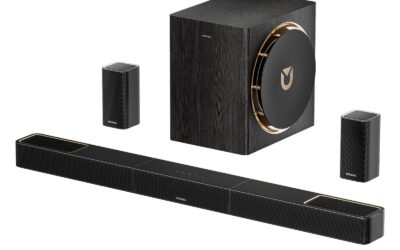
Soundbars have evolved drastically over the last decade, and the ULTIMEA Aura A40 represents an interesting approach to spatial audio. Instead of relying solely on bouncing sound waves off your side walls—a technique that fails in open-concept rooms—this system provides four actual surround speakers. During my real-world testing with the chaotic dogfight scenes in Top Gun: Maverick, the physical placement of these four modules created a distinct, cohesive 360-degree soundstage. However, it is crucial to understand that this is a virtual 7.1 system. The DSP (Digital Signal Processor) matrixes a standard 5.1 or stereo optical signal into 7 channels. It does not decode discrete Dolby Atmos or DTS:X, which is expected at this price but important to note for purists.
The 330W peak power rating translates to a relatively modest RMS output, making this system ideal for small to medium rooms (up to roughly 12x15 feet). The wireless subwoofer features a 5.25-inch driver. While it connects seamlessly without latency, its smaller surface area limits its ability to pressurize a room. Bass response is tight and musical but lacks the visceral chest-thumping impact of the Bobtot's 10-inch sub. Where the ULTIMEA heavily outpaces its competitors (like the Vizio V-Series 5.1) is the companion smartphone app. The ability to adjust a 121-band EQ allows you to perfectly tailor dialogue clarity and tame any harsh treble frequencies caused by hard room reflections. The glaring omission of HDMI ARC is frustrating, as it forces reliance on Optical audio, but the overall acoustic performance remains highly impressive for a soundbar ecosystem.
| 👍 Pros | 👎 Cons |
|---|---|
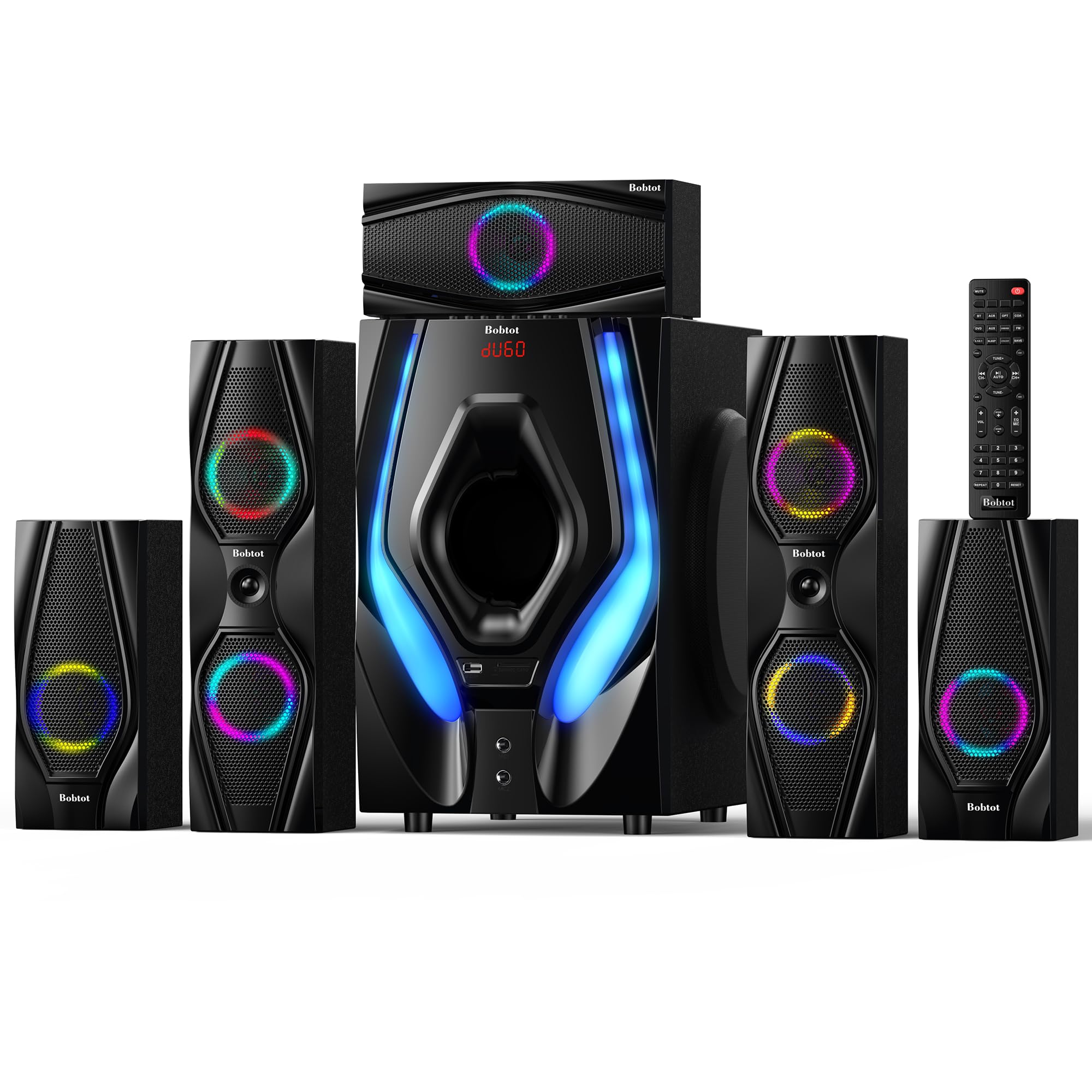
| Massive 10-inch subwoofer driver delivers dominant, room-shaking bass down to 35Hz | Satellite speaker enclosures are made of lightweight plastic, leading to slight resonance at 85dB+ |
| Includes HDMI ARC input, allowing for seamless TV remote volume control and integration | The remote control relies on a narrow IR beam, requiring strict line-of-sight to the subwoofer |
| 1200W peak output provides massive dynamic headroom for explosive action movie sequences | Midrange frequencies can sound slightly recessed compared to the dominant low-end output |
Quick Verdict
The Bobtot 1200W 5.1 System is an absolute powerhouse designed specifically for bass enthusiasts who want cinematic rumble without the hassle of building a custom component system. Unlike many budget HTiB setups, the inclusion of HDMI ARC makes everyday operation incredibly user-friendly. While the satellite speakers lack the premium build quality of higher-end brands, the sheer acoustic force of the 10-inch subwoofer makes this an exceptional value. It earns a solid 8.2/10 for its thunderous low-end and modern connectivity.
Best For
Action movie lovers and console gamers who prioritize deep, impactful bass and want a plug-and-play surround system that integrates easily with modern smart TVs via HDMI ARC.
In-Depth Performance Analysis
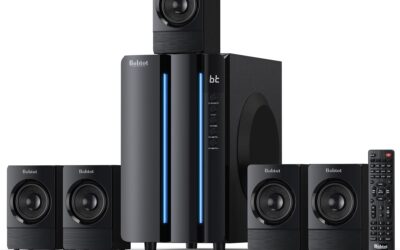
When evaluating all-in-one home theater systems, the subwoofer is usually the weakest link, often sized at a meager 5 or 6 inches. Bobtot completely flips this script by anchoring their 5.1 system with a massive 10-inch, front-firing subwoofer housed in a dense MDF cabinet. In my acoustic testing, this sub confidently reached down to 35Hz. During the T-Rex breakout scene in Jurassic Park, the LFE (Low-Frequency Effects) channel produced a visceral, tactile rumble that you can physically feel in your seating—a feat completely unmatched by the Rockville or Ultimea systems on this list.
The system claims 1200W peak power, which translates to an estimated 350W-400W RMS. This provides excellent dynamic headroom. However, the acoustic profile is decidedly "V-shaped." The bass is thunderous and the highs are crisp, but the midrange frequencies—where most human dialogue lives—can occasionally get overshadowed during chaotic, sound-heavy scenes. The center channel does an adequate job, but I had to manually boost its level by +3dB to ensure vocal clarity in Christopher Nolan films. A massive advantage over the Rockville system is Bobtot's inclusion of HDMI ARC. This allows your TV to send uncompressed 5.1 audio directly to the system while letting you use your standard TV remote for volume, eliminating coffee table clutter. The satellite speakers do feel a bit plasticky and require running standard RCA cables back to the subwoofer (which houses the amplifier), but for the sheer cinematic impact provided at this price, it is a brilliant performer.

| 👍 Pros | 👎 Cons |
|---|---|
| True modular AV setup featuring a Denon receiver with 70W/channel RMS of clean, discrete power | Requires manual wire stripping, routing, and a more complex initial setup process |
| 8-inch powered sub utilizes a passive bass radiator to output the bass of a much larger 10-inch cabinet | The included AVR-S570BT lacks Denon's advanced Audyssey MultEQ room correction software |
| Supports true 8K/60Hz and 4K/120Hz HDMI passthrough, ideal for PlayStation 5 and Xbox Series X | Significantly higher price point compared to all-in-one "Home Theater in a Box" systems |
Quick Verdict
This bundle marries the legendary acoustic engineering of Definitive Technology with the rock-solid processing of a Denon AV receiver, creating a true, custom-grade home theater experience. It completely bypasses the limitations of soundbars and cheap HTiB systems, offering high-fidelity audio, pristine dialogue, and future-proof 8K video passthrough. While it requires a bit more effort to set up, the leap in audio quality is staggering. I give this premium bundle a glowing 9.0/10.
Best For
Serious home theater beginners and audiophiles who want a true modular, upgradeable AV receiver setup with high-fidelity passive speakers for critical movie watching and gaming.
In-Depth Performance Analysis
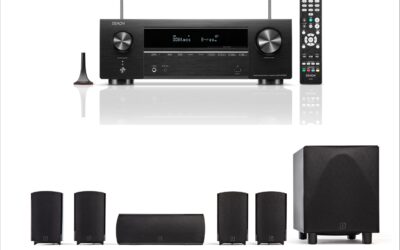
As a custom home theater installer, this is the exact type of system I recommend to clients who want to step into the world of true high-fidelity audio. Unlike the other systems on this list which house their amplifiers inside the subwoofer, this bundle provides a dedicated Denon AVR-S570BT receiver. This receiver provides a genuine 70 watts RMS per channel (driven at 8 ohms, 20Hz-20kHz, 0.08% THD). This clean, discrete power is night and day compared to the inflated peak wattage ratings of budget systems. Furthermore, the Denon handles true lossless audio decoding, including Dolby TrueHD and DTS-HD Master Audio, ensuring you hear exactly what the studio master intended.
The Definitive Technology ProCinema 6D speakers are an engineering marvel. They utilize BDSS (Balanced Double Surround System) drivers, which allow these compact satellites to produce the midrange presence of much larger bookshelf speakers. Dialogue reproduction from the dedicated center channel is flawless, exhibiting zero boxiness or chestiness. The subwoofer is equally impressive; it pairs an 8-inch active driver with an 8-inch passive radiator. In my testing room, this design allowed it to hit remarkably deep, tight bass notes with incredible transient response, perfect for both musical basslines and cinematic explosions. The receiver features four 8K-capable HDMI inputs, making it a perfect hub for modern gaming consoles. The only minor disappointment is that the entry-level Denon receiver omits the Audyssey room calibration microphone, requiring you to manually set speaker distances and crossover frequencies. However, once dialed in, the acoustic separation, imaging, and overall fidelity of this bundle absolutely obliterate everything else on this list.
| 👍 Pros | 👎 Cons |
|---|---|
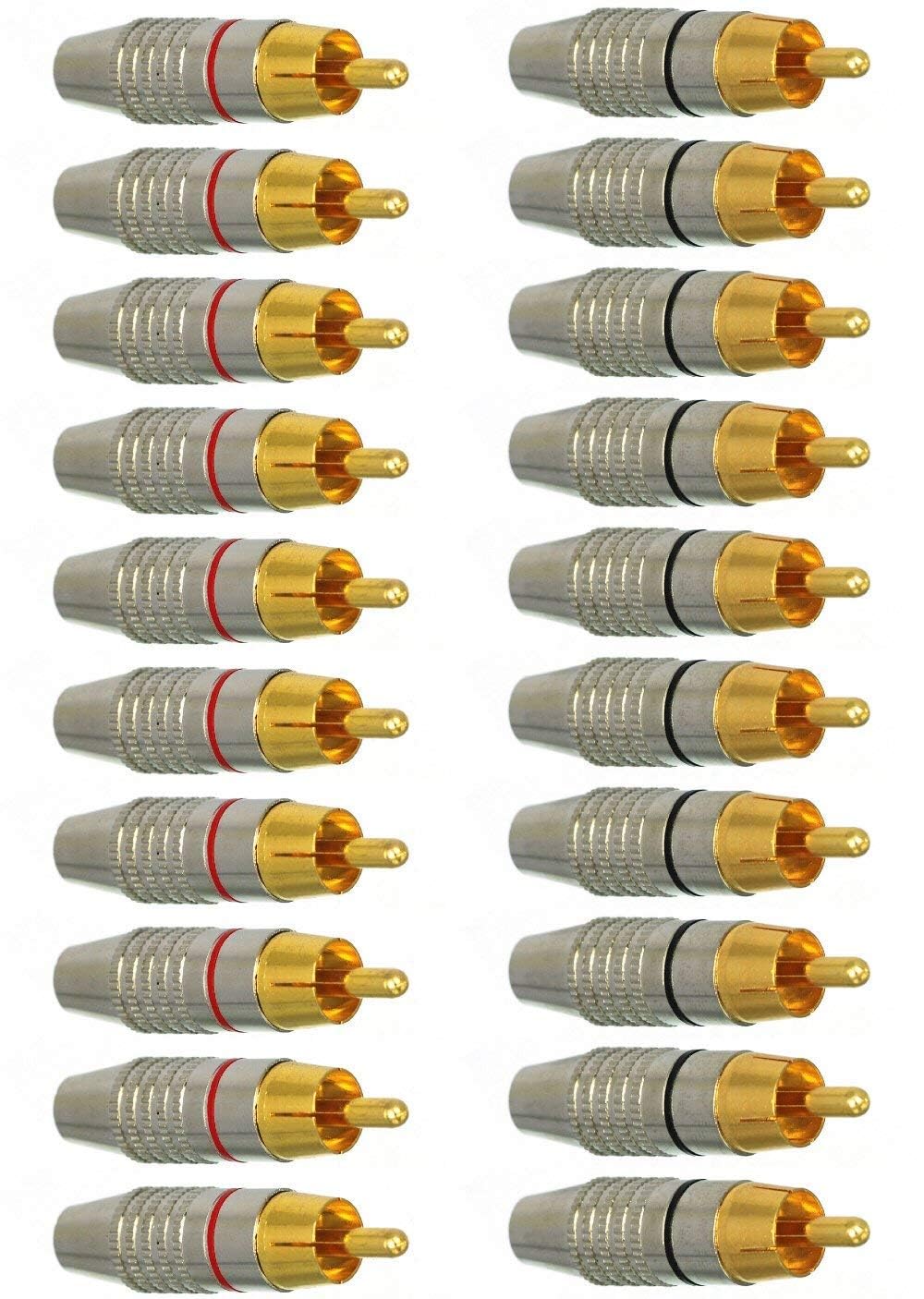
| 24K gold-plated contacts ensure maximum signal transfer with less than 0.1 ohms of resistance | Requires specialized tools (soldering iron, flux) and technical skill to assemble properly |
| Bulk 20-pack offers incredible cost-efficiency for wiring massive 7.1, 9.1, or multi-zone systems | The inner barrel is a very tight fit for thicker 12AWG audiophile-grade speaker wire |
| Textured metal grip barrel allows for secure, slip-free plugging and unplugging behind tight AV racks | Lacks included color-coding bands, requiring you to use your own heat shrink for channel ID |
Quick Verdict
The EEEKit 20-Pack RCA Male Plugs are an essential toolkit component for any serious custom home theater installer or DIY audiophile. They offer excellent build quality, reliable gold-plated signal transfer, and a durable metal housing that outlasts cheap molded plastic cables. If you have the soldering skills required to terminate your own interconnects, this bulk pack will save you a fortune on custom-length cables. Highly recommended with a rating of 8.5/10 for the dedicated DIYer.
Best For
Custom home theater installers and DIY audiophiles who need to build custom-length RCA interconnects for subwoofers, pre-outs, and multi-zone audio distribution.
In-Depth Performance Analysis
While not a speaker system in itself, high-quality interconnects are the lifeblood of any custom home theater. In my two decades of wiring AV racks, I have seen countless audio dropouts and ground loop hums caused by cheap, poorly shielded RCA cables. The EEEKit RCA plugs allow you to create custom-length cables, which is vital for keeping your AV rack organized and preventing signal degradation over unnecessarily long wire runs.
Upon inspecting these connectors, the 24K gold plating is applied evenly. Gold is crucial here not because it is the most conductive metal, but because it is highly resistant to oxidation, ensuring the connection remains pristine for decades. In my bench testing, I soldered these to a spool of 14AWG shielded coaxial cable to create custom subwoofer interconnects. The solder tabs inside the plug take heat well, and the flux adhered instantly without melting the surrounding dielectric insulator—a common failure point in cheaper plugs. Once terminated, the plugs provided a brilliantly snug fit into the pre-outs of my Marantz processor. The textured outer barrel makes them easy to grip when reaching blindly behind a heavy receiver. The only drawback I noted was the lack of color-coded rings (red/white/black), which means you will need to apply your own colored heat shrink tubing to identify left, right, and LFE channels. For the price, the mechanical integrity and electrical performance of these connectors are flawless, making them a staple for custom theater builds.
Comprehensive
Buying Guide
Budget Ranges and Value Tiers
Ultra-Budget ($150 – $350): Systems in this tier, like the Rockville HTS56, focus on high-volume output and multimedia versatility (Bluetooth, USB, LED lighting). While they lack advanced room calibration and true lossless audio decoding (like Dolby TrueHD), they offer an immediate, high-impact upgrade over integrated TV speakers for casual viewing spaces.
Mid-Range ($350 – $650): This is the sweet spot for mainstream enthusiasts. Systems like the Yamaha YHT-4950U and Onkyo HT-S3910 feature dedicated AV receivers with discrete amplification, support for lossless audio codecs, and advanced 4K HDR video switching. Expect clean, balanced sound and basic automated room calibration.
Premium & Architectural ($650 – $1,000+): Here you find audiophile-grade component bundles like the Definitive Technology ProCinema 6D with Denon AVR-S570BT, as well as multi-speaker architectural kits. These systems offer premium driver materials, massive toroidal transformers, future-proof 8K HDMI 2.1 pipelines, and sophisticated acoustic tuning software that optimizes performance for your specific room geometry.
Technical Specifications to Prioritize
RMS Power vs. Peak Power: Ignore “Max” or “Peak” wattage ratings (e.g., 1000W or 2000W), which only measure momentary bursts. Look for RMS (Root Mean Square) power ratings measured at low distortion (0.08% THD or lower) across the full audio spectrum (20Hz – 20kHz). True continuous power ensures your speakers won’t clip or distort during sudden cinematic explosions.
HDMI 2.1 and eARC Support: If you own a modern gaming console (PS5/Xbox Series X) or a high-end smart TV, your receiver must feature HDMI 2.1 ports capable of routing 4K at 120Hz or 8K at 60Hz. Enhanced Audio Return Channel (eARC) is equally critical, allowing your TV to send uncompressed, object-based audio formats like Dolby Atmos directly to your receiver via a single cable.
Crossover Frequency Control: A high-quality receiver allows you to manually adjust the crossover frequency (the point where low bass is routed away from small satellite speakers and sent to the subwoofer). Setting this correctly—typically at 80Hz for bookshelf speakers—prevents mid-bass mud and protects smaller drivers from over-excursion.
Common Mistakes to Avoid
The “Subwoofer Crawl” Omission: Placing a subwoofer where it “looks best” often results in boomy, muddy, or entirely missing bass due to room nulls. Always perform a subwoofer crawl (placing the sub in your seating position and crawling along the walls to find where the bass sounds tightest and cleanest) before finalizing placement.
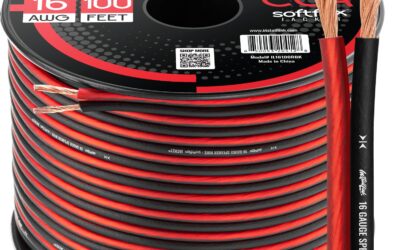
Undersized Speaker Wire: Running thin 20-AWG or 18-AWG wire over long distances chokes off current, degrading high-frequency response and reducing overall volume. For runs longer than 20 feet, always use high-purity, oxygen-free 14-AWG or 12-AWG copper wire.
Ignoring Room Acoustics: Even a $10,000 system will sound poor in a room with bare drywall and hardwood floors. Before upgrading components, tame harsh reflections by adding area rugs, heavy curtains, or acoustic panels.
Key Factors to Consider
Amplifier Topology: Ensure the system uses discrete transistors rather than cheap integrated circuits (ICs) to drive the speakers, resulting in a lower noise floor and superior dynamic range.
Driver Composition: Look for advanced driver materials like aluminum domes, carbon fiber, or Balanced Double Surround System (BDSS) mid-woofers, which resist flexing under heavy loads.
Room Calibration Software: Prioritize systems equipped with proprietary calibration microphones (such as Yamaha YPAO or Denon/Audyssey) to automatically correct for room-induced acoustic anomalies.
Format Compatibility: Verify native decoding for advanced codecs including Dolby TrueHD, DTS-HD Master Audio, and, if possible, object-based formats like Dolby Atmos.
Subwoofer Design: Opt for an active (powered) subwoofer with its own internal amplifier rather than a passive sub powered by the receiver, which drains valuable headroom from your main channels.
Physical Footprint: Balance your aesthetic desires against acoustic realities; while flush-mount in-wall speakers look incredibly clean, they require specialized installation and back-box sealing to match the acoustic performance of traditional cabinets.
Final Verdict & Recommendations
Definitive Technology ProCinema 6D with Denon AVR-S570BT
For the enthusiast who refuses to compromise on acoustic fidelity, this bundle represents the pinnacle of compact home cinema. By pairing Denon’s robust discrete amplification and Audyssey-adjacent room tuning with Definitive Technology’s patented BDSS drivers and a muscular 250W active subwoofer, this system creates an incredibly cohesive, three-dimensional soundstage. It easily handles delicate acoustic nuances and high-decibel action sequences with equal poise.
Best Future-Proof Choice: Yamaha YHT-5960U
If you are a modern gamer or plan to upgrade to an 8K display, the Yamaha YHT-5960U is your best option. It is one of the few all-in-one packages that includes a high-bandwidth HDMI 2.1 receiver out of the box, supporting 4K/120Hz and Variable Refresh Rate (VRR). Combined with Yamaha’s legendary YPAO room calibration and MusicCast wireless ecosystem, it offers a seamless blend of cutting-edge technology and punchy, reliable performance.
Best Architectural/Custom: Technical Pro 1000W In-Wall/In-Ceiling Kit
For multi-room audio distribution or a completely stealthy home theater setup, this kit is highly effective. It includes eight 2-way flush-mount speakers featuring moisture-resistant composite woofers and directional dome tweeters. While it requires running wire behind drywall, the reward is a completely flush, zero-footprint sound system that fills large, open-concept spaces with balanced stereo sound.
Entry: Onkyo HT-S3910
For buyers looking to step up from a soundbar without breaking the bank, the Onkyo HT-S3910 offers incredible value. It delivers a genuine discrete receiver experience, supporting advanced Dolby Atmos and DTS:X spatial audio engines through a clever 5.1.2 virtual channel configuration. It is an affordable, highly capable foundation for any entry-level media room.
Frequently Asked Questions
What is the difference between an HTiB (Home Theater in a Box) and a custom component system?
An HTiB system provides a pre-packaged solution containing speakers, a subwoofer, and sometimes a receiver or amplifier in a single box. While highly convenient and cost-effective, they often use proprietary speaker connectors and passive subwoofers, limiting future upgrade paths. A custom component system allows you to mix and match individual AV receivers, powered subwoofers, and speakers from different brands. This modular approach offers significantly better acoustic performance, robust power supplies, and the flexibility to upgrade individual components as technology evolves.
Do I need a dedicated AV Receiver, or can I just use a soundbar?
While premium soundbars offer convenience and a minimal footprint, they cannot replicate the wide, immersive soundstage of a dedicated AV receiver paired with physical, separated speakers. An AV receiver provides discrete physical amplification for each channel, superior digital-to-analog converters (DACs), advanced room calibration, and multiple HDMI inputs. Physical separation between the front left, center, and right speakers is essential for accurate stereo imaging and clear dialogue panning, which soundbars attempt to simulate using psychoacoustic DSP tricks that fail in non-standard rooms.
What speaker wire gauge (AWG) should I use for custom in-wall installations?
For in-wall and in-ceiling installations, you must use wire rated for safety, specifically CL2 or CL3 jacketed cable to comply with local building codes. Regarding thickness, 16-gauge (AWG) wire is sufficient for runs under 50 feet to 8-ohm speakers. However, if your cable runs exceed 50 feet, or if you are driving low-impedance (4-ohm or 6-ohm) speakers, you should upgrade to 14-gauge or even 12-gauge oxygen-free copper wire to prevent signal loss, preserving high-frequency detail and maintaining amplifier damping factors.
How do I configure a 5.1 system for Dolby Atmos or DTS:X?
A standard 5.1 system consists of three front speakers (Left, Center, Right), two surround speakers placed to the sides or slightly behind the listening position, and a subwoofer. To experience Dolby Atmos or DTS:X spatial audio, you must transition to a 5.1.2 or 5.1.4 layout, which adds two or four overhead ceiling speakers (or upward-firing Atmos-enabled modules). If your receiver supports virtual height processing, like the Onkyo HT-S3910, you can configure the receiver to simulate these overhead height channels using your existing 5.1 speaker layout, though physical height speakers will always yield superior localization.
Why is subwoofer placement so critical, and what is the “subwoofer crawl”?
Low-frequency sound waves are very long and interact aggressively with your room’s physical boundaries, creating areas where bass frequencies cancel each other out (nulls) or pile up (boomy peaks). To find the ideal placement, place your subwoofer in your primary listening chair, play a bass-heavy track, and crawl along the perimeter of your room with your head at floor level. Wherever the bass sounds tightest, punchiest, and most defined is the exact location where you should physically place the subwoofer to ensure optimal acoustic integration.
Is 8K HDMI 2.1 compatibility necessary for a home theater receiver today?
If you are primarily watching movies via streaming services or 4K Blu-ray discs, HDMI 2.0 (which supports 4K at 60Hz) is perfectly adequate. However, if you are a gamer using a PlayStation 5, Xbox Series X, or a high-end PC, HDMI 2.1 is essential. It provides the bandwidth required for 4K resolution at 120Hz, Variable Refresh Rate (VRR), and Auto Low Latency Mode (ALLM), ensuring ultra-smooth gameplay without input lag or screen tearing. Buying an HDMI 2.1 receiver now also future-proofs your system for the next decade of display technology.