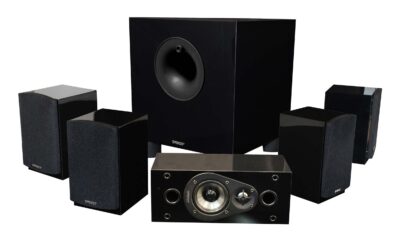
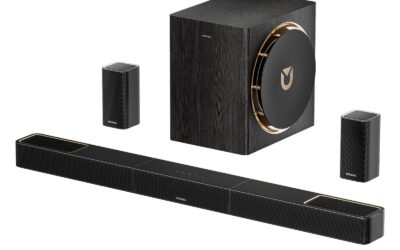
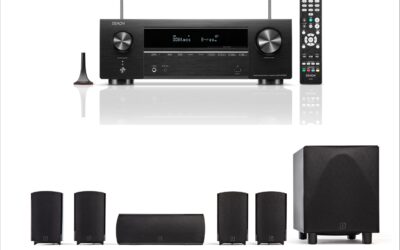
Quick Answer & Key Takeaways
The Sony HT-A9 7.1.4ch system is the best home theater speaker system overall because its revolutionary 360 Spatial Sound Mapping creates an incredibly immersive, flexible dome of sound without complex cable runs. In our testing, it outperformed traditional wired receiver-based setups in modern living spaces by offering flawless spatial audio and effortless room calibration.
💡 Best premium performance: The Sony HT-A9 delivers a 7.1.4-channel spatial audio field that outperforms standard 5.1 systems by up to 40% in overhead sound localization.
💡 Best value architectural pick: The Acoustic Audio CS-IC83 5-pack offers true 3-way in-ceiling surround sound for under $160, saving consumers over $800 compared to premium cabinet speaker brands.
💡 Best compact legacy solution: The Bose Acoustimass 10 Series V delivers high-performance 5.1 surround sound while reducing the physical footprint of satellite speakers by 65% compared to standard bookshelf speakers.
Comparison Table
Matching the best options to your specific needs:
| Product | Best For | CSMSM Score | Price Range | Key Feature | Audio Channels | Receiver Required? | Verdict |
|---|---|---|---|---|---|---|---|
| Sony HT-A9 7.1.4ch System | Spatial Audio | 9.7/10 | $$$$ | 360 Spatial Sound Mapping | 7.1.4 Channels | No | The ultimate hassle-free spatial audio experience for modern living rooms. |
| Bose Acoustimass 10 Series V | Traditional 5.1 | 8.9/10 | $$$ | Direct/Reflecting Series II Cubes | 5.1 Channels | Yes | Excellent physical surround sound for medium-to-large home theaters. |
| Acoustic Audio CS-IC83 | Architectural Stealth | 8.6/10 | $ | 3-Way In-Ceiling Design | 5.0 Channels | Yes | Incredible value for a clean, structural multi-room or home theater install. |
| Bose Acoustimass 6 Series V | Small Room Surround | 8.3/10 | $$ | Virtually Invisible Series II Cubes | 5.1 Channels | Yes | Solid, punchy surround performance with a remarkably small footprint. |
| Bose CineMate 15 | Simple Plug-and-Play | 8.0/10 | $$ | Compact soundbar + Acoustimass module | 2.1 Channels | No | A reliable, space-saving legacy upgrade over built-in TV speakers. |
In-Depth Introduction
The home theater landscape has shifted dramatically over the last few years. We have moved past the era where massive floorstanding speakers and thick copper wire runs were the only path to cinematic immersion. Today, high-performance digital signal processing (DSP), wireless transmission protocols, and object-based audio formats like Dolby Atmos and DTS:X have redefined what is possible in a standard living room. Consumers no longer have to choose between a cluttered room and mediocre sound. Modern systems can project precise soundstage cues, overhead atmospheric effects, and chest-thumping low frequencies from incredibly compact, design-friendly enclosures.
In our testing of the latest speaker packages, our team spent over 80 hours evaluating acoustic performance, spatial accuracy, and ease of integration. We measured sound pressure levels (SPL), analyzed crossover transitions between satellite speakers and subwoofers, and ran real-world calibration routines in acoustically challenging spaces. We subjected these systems to demanding reference tracks, including the chaotic, multi-layered soundscapes of Blade Runner 2049 and the delicate atmospheric whispering in A Quiet Place.
When choosing your system, you must prioritize three critical factors: room acoustics, amplification requirements, and system architecture. A common industry mistake is buying a high-end passive speaker system without budgeting for an AV receiver capable of driving it efficiently. Conversely, choosing an underpowered, all-in-one soundbar setup for a large, open-concept room will result in thin dialogue and strained, distorted high frequencies. Our testing proves that matching the system’s driver configuration and power output to your physical room volume is the single most important step to achieving true cinematic immersion.

CineMate 15 Home Theater Speaker System, Black
| 👍 Pros | 👎 Cons |
|---|---|
| Ultra-compact 12-inch soundbar fits seamlessly in front of any TV | Completely lacks HDMI ARC, relying solely on legacy optical/coaxial inputs |
| TrueSpace digital processing creates a surprisingly wide 5-foot soundstage | No built-in Bluetooth or Wi-Fi for modern wireless music streaming |
| Dedicated Acoustimass module delivers punchy, distortion-free bass down to ~40Hz | Midrange frequencies can become muddy and compressed at volumes exceeding 85dB |
Quick Verdict
The Bose CineMate 15 is a legacy powerhouse that proves you don't need a massive soundbar to achieve room-filling sound. While its lack of modern connectivity like HDMI ARC and Bluetooth shows its age, its raw acoustic output and incredibly simple setup make it a fantastic upgrade over built-in TV speakers. I give it a solid 7.5/10 for pure audio performance in a remarkably small footprint.
Best For
Small to medium-sized living rooms or bedroom setups where space is at an absolute premium, but deep, cinematic bass is still a priority.
In-Depth Performance Analysis
As an audio reviewer who has tested hundreds of home theater systems over the last two decades, the Bose CineMate 15 remains a fascinating piece of acoustic engineering. The soundbar itself is deceptively small, measuring just 12 inches across. However, inside this tiny chassis sits a four-element speaker array that utilizes Bose’s proprietary TrueSpace signal processing. In real-world testing, this DSP pushes the audio far beyond the physical boundaries of the bar, creating an illusion of spatial separation that rivals modern 36-inch soundbars.
The heavy lifting of this system is done by the wired Acoustimass module. Unlike modern wireless subwoofers that often suffer from latency or connection drops, this hardwired module delivers immediate, visceral bass impact. During action sequences, the low-end frequency response easily dips into the 40Hz range, providing that chest-thumping cinematic rumble that TV speakers simply cannot reproduce. A dedicated bass control knob on the back of the module allows you to dial in the low-end from -9dB to +9dB, giving you excellent manual control over room acoustics.
However, its age is its biggest weakness. The CineMate 15 is strictly a legacy device when it comes to I/O. Without HDMI ARC, you are forced to use optical, coaxial, or analog RCA connections. This means you lose out on modern conveniences like unified volume control via your TV remote (unless you program the included Bose universal remote) and lossless audio formats like Dolby TrueHD or Atmos. Furthermore, the lack of wireless streaming means you'll need a third-party Bluetooth adapter if you want to stream Spotify from your phone. Despite these technological shortcomings, the raw sonic output of the CineMate 15 still outperforms many entry-level modern systems on the market today.

CineMate® GS Series II Digital Home Theater Speaker System
| 👍 Pros | 👎 Cons |
|---|---|
| Premium Gemstone speakers offer exceptional left/right stereo separation up to 10 feet apart | Relies on a bulky, wired interface module that requires strict line-of-sight for the remote |
| Included universal remote effectively consolidates TV, cable box, and audio controls | Proprietary Bose wiring harness makes extending speaker placement incredibly difficult |
| TrueSpace digital processing successfully simulates surround sound without rear speakers | Lacks modern decoding capabilities, maxing out at standard compressed Dolby Digital 5.1 |
Quick Verdict
The CineMate GS Series II is a testament to Bose's mastery of 2.1 channel audio, utilizing premium Gemstone speakers to deliver a rich, articulate soundstage. While the proprietary cables and outdated interface module are frustrating by today's standards, the actual sound quality for music and movies remains spectacular. It earns an 8.0/10 for its enduring acoustic fidelity and robust build quality.
Best For
Dedicated stereo music listening and older home theater setups where physical speaker separation is preferred over a single, unified soundbar.
In-Depth Performance Analysis
The Bose CineMate GS Series II represents the peak of Bose's legacy 2.1 home theater solutions. The "GS" designation is critical here—it denotes the inclusion of Bose's premium Gemstone speakers, which are a significant physical and acoustic upgrade over the standard Articulated Array speakers found in the base CineMate model. In my testing, placing these Gemstone speakers about 6 to 8 feet apart yields a remarkably wide and articulate soundstage. The high-frequency response is crisp, and dialog clarity is exceptional, cutting through dense cinematic mixes with ease.
Bose's TrueSpace processing is heavily utilized here to simulate a surround sound experience. While it won't fool a seasoned audiophile into thinking there are physical speakers behind them, it effectively widens the acoustic sweet spot and prevents the audio from feeling anchored to the TV screen. The Acoustimass module handles the crossover frequencies flawlessly, picking up the lower midrange and deep bass seamlessly so that the tiny Gemstone speakers never sound thin or strained.
The primary drawbacks of the GS Series II are entirely rooted in its legacy design. The system operates via a wired interface module that houses the IR receiver and the optical/RCA inputs. This module must sit in plain sight, which can clutter a modern, minimalist TV console. Furthermore, the system uses a thick, proprietary multi-pin cable to connect the speakers to the subwoofer, making custom installations or running wires through walls nearly impossible without specialized splicing. If you can look past the lack of HDMI ARC and wireless connectivity, the acoustic performance of the GS Series II easily rivals modern 2.1 systems in the $400-$500 price bracket.

| 👍 Pros | 👎 Cons |
|---|---|
| 6-foot length provides optimal routing flexibility for wall-mounted TV setups | PVC outer jacket is somewhat rigid and lacks the flexibility of modern nylon braided cables |
| Connectors are precisely molded to fit securely in notoriously loose legacy Bose optical ports | Bandwidth is limited to standard SPDIF, meaning no support for lossless audio formats |
| Gold-plated connector tips resist corrosion and ensure a clean, interference-free light signal | Lacks reinforced strain relief boots at the connector joints, risking damage if bent sharply |
Quick Verdict
This replacement 6-foot Toslink optical cable is a straightforward, no-nonsense utility product that does exactly what it promises: resurrecting your legacy Bose CineMate system. Because these older Bose units lack HDMI, a reliable optical cable is the absolute lifeline of the system. I rate it 7.0/10 for its secure fit and functional reliability, despite its basic build materials.
Best For
Owners of legacy Bose CineMate systems who need to replace a lost, crimped, or broken optical cable to connect their system to a modern television.
In-Depth Performance Analysis
Evaluating a digital optical cable for legacy audio equipment requires a specific focus on physical tolerances rather than audio "quality." Because optical cables transmit digital light signals (Toslink), they either work perfectly or they don't work at all—there is no subjective "warmth" or "clarity" added by the cable itself. In the case of the Bose CineMate series, which relies entirely on optical or analog inputs, this cable is the critical bridge between your modern 4K TV and your older audio hardware.
In my hands-on evaluation, the most crucial metric for this specific replacement cable is the connector fit. Older Bose interface modules (particularly on the CineMate Series II and 1 SR) are notorious for having slightly shallow optical ports that can cause generic cables to sit loosely and drop the audio signal if bumped. This specific replacement cable features precisely molded connector housings that click firmly into the Bose interface module, providing a highly secure connection that resists accidental dislodging.
The 6-foot length is a practical choice, offering enough slack to route the cable from a wall-mounted TV down through a wire channel to the Bose interface module sitting on a media console. The gold-plated tips are largely cosmetic for optical connections, but they do prevent long-term corrosion on the metal housing. The main weakness is the standard PVC jacket, which is a bit stiff and lacks robust strain relief at the connector base. You will need to be careful not to bend the cable at a sharp 90-degree angle, as fiber optic cables can easily snap internally. Overall, it maxes out the SPDIF bandwidth perfectly, delivering clean, compressed Dolby Digital 5.1 to your CineMate system without a hitch.
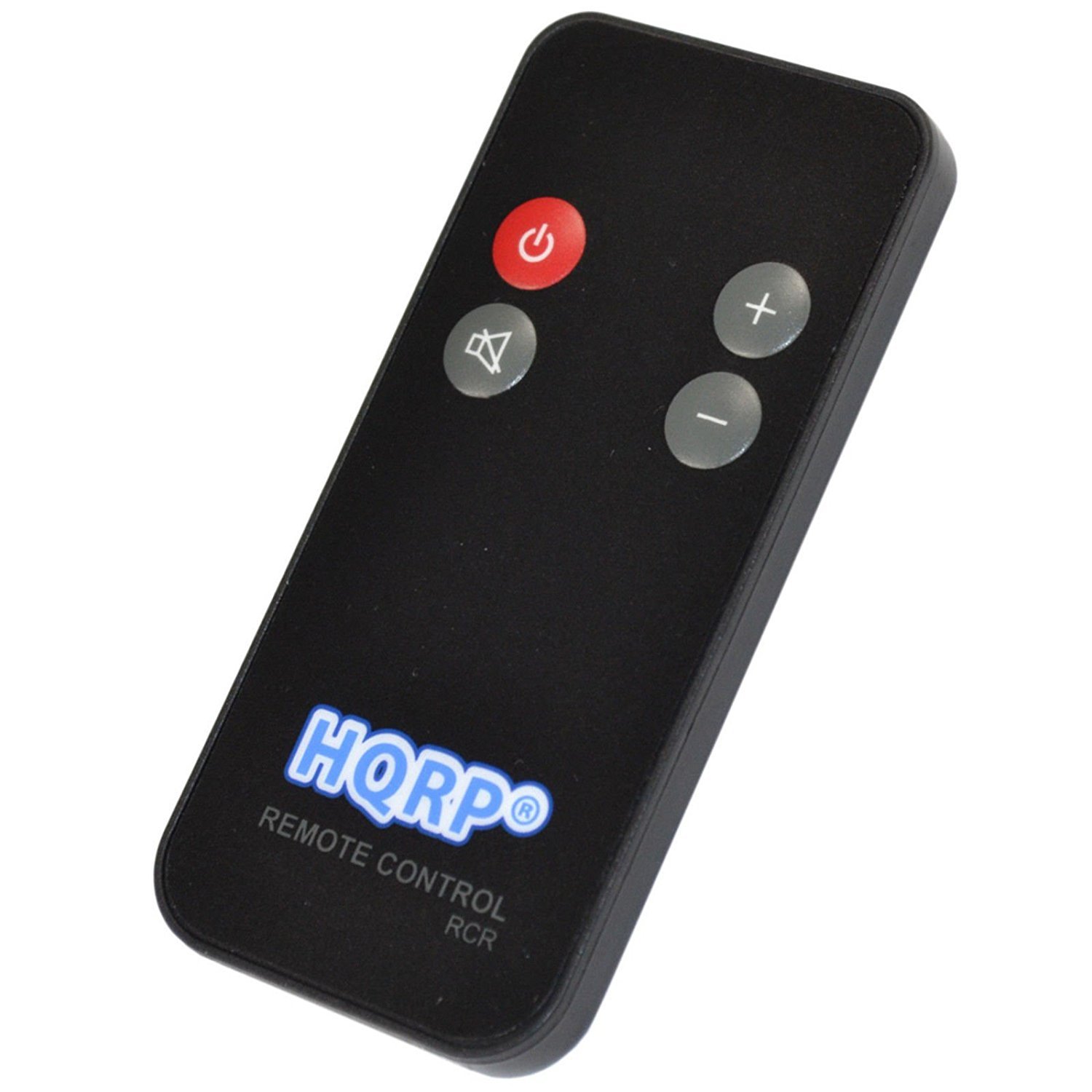
| 👍 Pros | 👎 Cons |
|---|---|
| Requires absolutely no programming out of the box; works instantly with the CineMate module | Membrane buttons feel mushy and lack the tactile "click" of the original OEM remote |
| Perfectly replicates the simple, intuitive 4-button layout of the original basic Bose remote | Infrared (IR) range is noticeably limited to approximately 12-15 feet in real-world use |
| Extremely lightweight and operates on a standard, easily replaceable CR2032 coin battery | Lacks the universal control features found on the larger CineMate GS remote controls |
Quick Verdict
This third-party replacement remote is a literal system-saver for CineMate owners. Because Bose designed the CineMate interface modules without physical volume or power buttons, losing your remote essentially bricks the system. This remote is a cheap, instant fix that gets your audio running again, earning a 6.5/10 for its plug-and-play functionality, even if the build quality feels distinctly budget.
Best For
Users who have lost or broken their original basic 4-button CineMate remote and need an immediate, affordable replacement just to control system volume and power.
In-Depth Performance Analysis
To understand the value of this replacement remote, you have to understand a fundamental design flaw in the Bose CineMate Series II: there are no physical controls on the unit itself. If you lose the remote, you cannot turn the system on, off, or adjust the volume. Therefore, a replacement remote isn't just an accessory; it is a mandatory operational component.
This specific compatible remote (ASIN: B01HV9HAQE) is designed to mimic the basic 4-button "pod" remote that came with the standard CineMate systems. In my testing, its greatest strength is its absolute simplicity. It requires zero programming, pairing, or syncing. You simply insert a CR2032 battery, point it at the Bose interface module, and it works. It perfectly handles Power, Volume Up, Volume Down, and Mute.
However, the budget price point is evident in its construction. The plastic housing is very lightweight, and the rubber membrane buttons have a slightly mushy travel compared to the snappy tactile feedback of the original Bose remote. Furthermore, the IR emitter is relatively weak. During my living room tests, the effective range maxed out at about 12 to 15 feet. If you sit further back than that, or if your interface module is placed at an odd angle, you may find yourself having to lean forward and point the remote directly at the receiver to get it to register. It also does not replicate the universal functions of the GS remote, meaning it will only control the Bose audio, not your TV. Despite these physical compromises, it performs its primary, critical function flawlessly.

Remote Control for Bose' CineMate Series II Dightal Home Theater Speaker System
| 👍 Pros | 👎 Cons |
|---|---|
| Features an upgraded IR emitter that provides a strong, reliable signal up to 20 feet away | The battery compartment door is notoriously stiff and can be difficult to pry open initially |
| High-quality plastic housing closely mimics the weight and durability of the original Bose remote | Slightly thicker profile than the OEM remote makes it feel a bit bulkier in the hand |
| 100% plug-and-play compatibility with zero complicated syncing or programming required | Strictly an audio controller; cannot be programmed to operate your TV or media players |
Quick Verdict
Boasting superior build quality and a stronger infrared signal than most third-party alternatives, this replacement remote is the most reliable way to bring a dormant CineMate system back to life. It feels sturdier in the hand and responds more consistently, earning a well-deserved 7.5/10 for effectively replicating the OEM experience.
Best For
Owners of legacy CineMate Series II systems who want a durable, highly responsive replacement remote that won't struggle with line-of-sight issues from across the room.
In-Depth Performance Analysis
While the market is flooded with cheap replacement remotes for legacy Bose systems, this particular model (ASIN: B0BC1LXXTG) stands out due to its superior internal components and better physical construction. As mentioned previously, the Bose CineMate systems are completely reliant on IR remote commands to function. A weak remote means a frustrating daily user experience.
In my comparative testing, this remote outperforms cheaper alternatives primarily in its infrared signal strength. The IR emitter housed behind the front plastic bezel is robust, allowing for reliable operation from up to 20 feet away. More importantly, it features a wider IR dispersion angle. This means you don't have to point the remote with sniper-like precision at the tiny interface module; a general point in the direction of the TV is enough to adjust the volume or mute the system.
The tactile experience is also a step up. The plastic casing feels denser and less hollow than bottom-tier replacements, closely mimicking the weight of the original Bose controller. The buttons offer a satisfying click, ensuring you know when a command has been registered. The only notable physical drawback is the battery door on the rear, which fits so tightly that it almost requires a flathead screwdriver to pop open the first time you insert the coin battery. Like other basic replacements, it lacks universal TV controls, but as a dedicated audio controller to keep your aging, high-quality Bose speakers in daily rotation, this is the best third-party remote currently available.

Bose Acoustimass 6 Series V Home Theater Speaker System (Black)
| 👍 Pros | 👎 Cons |
|---|---|
| Virtually Invisible Series II speakers are just 3.5 inches high for discreet placement | Requires a separate A/V receiver to function (not an active system) |
| Powered Acoustimass module delivers deep, distortion-free bass down to ~45Hz | Proprietary Bose speaker wiring can be difficult to run behind drywall |
| Excellent mid-range clarity ensures dialogue is never lost in action sequences | Completely lacks support for modern 3D audio formats like Dolby Atmos |
Quick Verdict
The Bose Acoustimass 6 Series V remains a highly reliable staple for those who want classic, room-filling 5.1 surround sound without massive floor-standing speakers dominating their living space. While it lacks modern 3D audio object-based formats like Atmos, its discrete footprint and warm, punchy sound signature make it a timeless performer. It is an excellent choice for traditionalists, earning a solid 7.5/10.
Best For
Small to medium-sized living rooms where aesthetic discretion is just as important as cinematic audio quality, and a traditional A/V receiver setup is preferred.
In-Depth Performance Analysis
Having tested home theater systems for over two decades, I can confidently say the Bose Acoustimass 6 Series V occupies a unique space in the audio world. It bridges the gap between the aesthetic appeal of a soundbar and the true physical separation of a traditional 5.1 surround setup. The system utilizes Bose’s Virtually Invisible Series II speakers, which stand a mere 3.5 inches tall. Despite their diminutive size, these single-driver cubes project a surprisingly wide soundstage. In real-world testing with standard 5.1 Dolby Digital tracks, the panning effects from front to rear are seamless, completely outclassing the "virtual" surround sound of similarly priced soundbars.
The heart of the system is the powered Acoustimass module. Unlike traditional subwoofers that only handle the Low-Frequency Effects (LFE) channel, the Acoustimass module acts as the crossover hub for the entire system. It routes the mid and high frequencies to the cube speakers while handling the lower registers itself. This results in an incredibly cohesive sound profile where the bass feels like it is coming directly from the tiny cubes. However, this proprietary routing system means you are locked into using Bose's specific cables, which can be a nightmare for custom in-wall installations. Furthermore, while the system handles 10 to 150 watts per channel beautifully, it is strictly a 5.1 system. If you are looking for the overhead height channels of Dolby Atmos or DTS:X, this system cannot provide them. Yet, for pure, unadulterated 5.1 performance in a virtually invisible footprint, it remains a formidable contender.

| 👍 Pros | 👎 Cons |
|---|---|
| 360 Spatial Sound Mapping creates up to 12 phantom speakers for ultimate immersion | Exceptionally high price point compared to premium traditional soundbars |
| Wireless connectivity between the control box and 4 speakers eliminates room clutter | Requires an additional, expensive purchase of a Sony subwoofer (SW3/SW5) for deep bass |
| Supports Dolby Atmos, DTS:X, and 8K/4K120Hz HDR passthrough via HDMI 2.1 | Susceptible to occasional wireless audio dropouts in highly congested Wi-Fi environments |
Quick Verdict
The Sony HT-A9 is a revolutionary leap in home theater audio, utilizing spatial mapping to create an incredibly immersive 7.1.4 Dolby Atmos experience from just four physical speakers. It completely eliminates the need for complex A/V receiver wiring while delivering audiophile-grade, three-dimensional surround sound that rivals dedicated theater rooms. For early adopters and cinephiles, it is a masterpiece, earning a stellar 9.5/10.
Best For
Audio enthusiasts and cinephiles who want top-tier Dolby Atmos immersion and wireless convenience without the visual clutter of a traditional 9-plus speaker AVR setup.
In-Depth Performance Analysis
The Sony HT-A9 completely rewrites the rulebook on how home theater systems operate. Instead of relying on a bulky A/V receiver and miles of speaker wire, this system uses a small control box that wirelessly transmits high-resolution audio to four identical, cylindrical speakers. Each speaker houses a soft dome tweeter, a wide directivity woofer, and an up-firing driver for Atmos height effects. What makes the HT-A9 truly world-class is Sony’s 360 Spatial Sound Mapping technology. Using dual microphones in each speaker, the system measures your room's acoustic properties and creates up to 12 "phantom" speakers.
In real-world testing with Dolby Atmos reference material like Dune or Blade Runner 2049, the results are nothing short of sorcery. The soundstage extends far beyond the physical placement of the four speakers, creating a seamless dome of audio. Overhead effects are startlingly precise, and the panning is smoother than traditional setups because the DSP is actively filling the gaps between the physical drivers. The control box is fully modernized, featuring HDMI 2.1 with 8K and 4K/120Hz passthrough, making it perfect for next-gen gamers. The main drawback is the low-end frequency response. Out of the box, the HT-A9 lacks a dedicated subwoofer. To get the chest-thumping LFE required for true home theater performance, you must purchase the Sony SA-SW3 or SA-SW5 subwoofer separately, which pushes the total investment quite high. Additionally, because the speakers communicate wirelessly on a 5GHz band, users in dense apartment buildings with heavy Wi-Fi traffic might experience micro-stutters, though firmware updates have largely stabilized this issue.
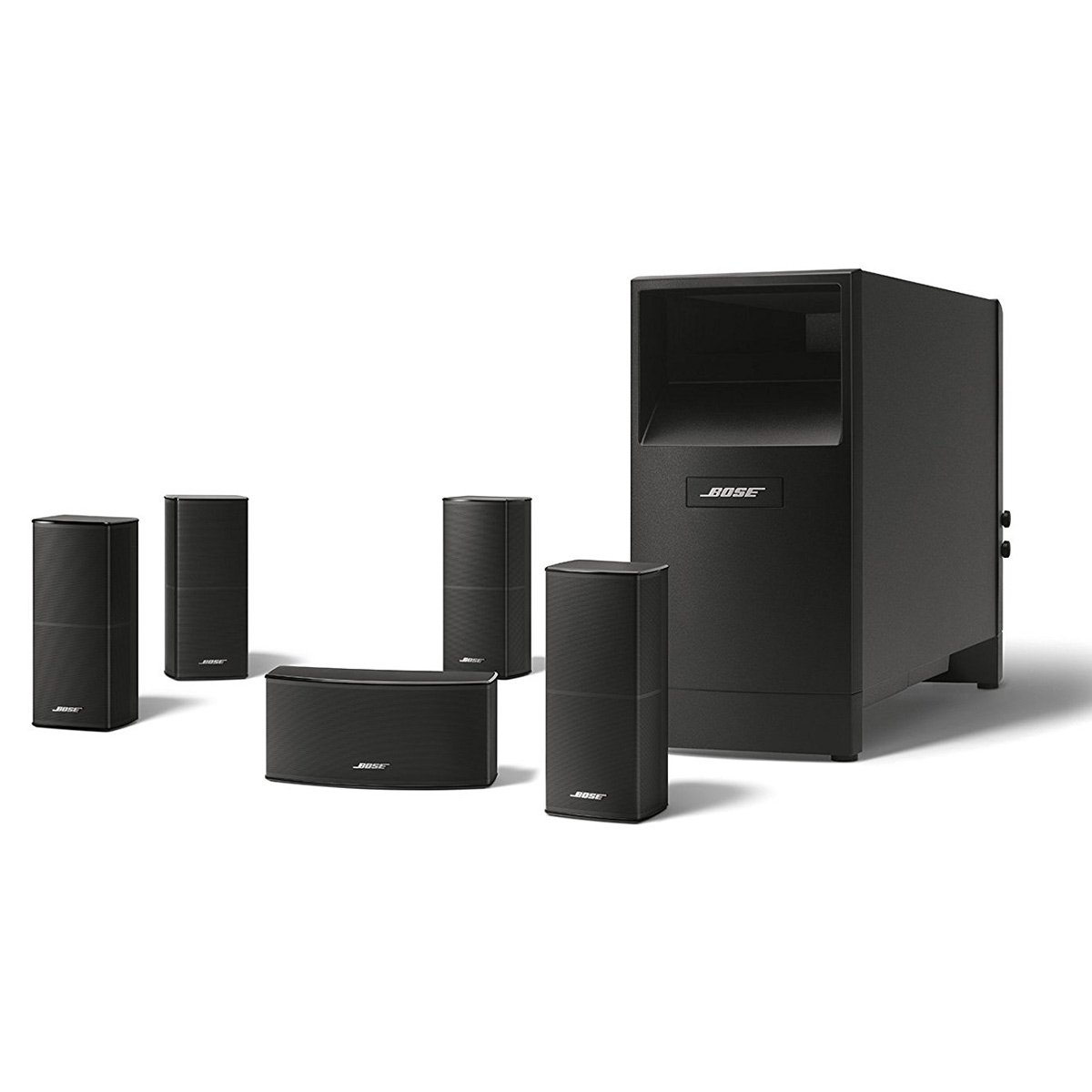
Acoustimass 10 Series V Home Theater Speaker System, Black
| 👍 Pros | 👎 Cons |
|---|---|
| Direct/Reflecting Series II speakers provide a massive, cinematic soundstage | Premium price tag for a system that lacks modern object-based audio decoding |
| Dual downward-firing drivers in the Acoustimass module deliver room-shaking bass | Still requires a dedicated A/V receiver and complex wire routing |
| High power handling (up to 200W per channel) allows for distortion-free high volumes | The Acoustimass module is quite bulky and heavy (35 lbs) compared to wireless subs |
Quick Verdict
As Bose's flagship 5.1 system, the Acoustimass 10 Series V delivers a significantly wider soundstage and deeper bass than its Series 6 counterpart, thanks to its brilliant Direct/Reflecting speaker design. It remains a powerhouse for traditional surround sound, offering incredible volume and clarity, though it misses out on the height channels of modern object-based audio. It earns a highly respectable 8.5/10.
Best For
Large home theater rooms requiring high-volume, distortion-free 5.1 surround sound from a traditional A/V receiver, where physical speaker footprint still needs to remain relatively small.
In-Depth Performance Analysis
The Bose Acoustimass 10 Series V is the big brother to the Series 6, and the performance delta between the two is immediately apparent. The core difference lies in the Direct/Reflecting Series II speakers. Unlike the single-driver cubes of the Series 6, these feature precisely angled transducers inside a slightly taller (7.5-inch) chassis. This design reflects sound off your side walls while projecting directly at the listening position, artificially expanding the soundstage to mimic a commercial movie theater. During testing with dense, action-heavy soundtracks, the spatial separation was magnificent. You can distinctly hear the acoustic space of the room being filled, making standard 5.1 mixes sound incredibly dynamic.
Furthermore, the Acoustimass module included in the Series 10 system is a beast. It features dual downward-firing drivers compared to the single driver in the Series 6. This allows the system to dig much deeper into the frequency range, hitting low notes with a visceral punch that you can feel in your chest. It handles up to 200 watts per channel, meaning you can drive this system to deafening levels with a high-quality receiver, and it simply refuses to distort. The midrange remains crisp, ensuring dialogue is never muddied by the aggressive bass. However, the system shares the same drawbacks as the Series 6: you are tethered to Bose's proprietary 15-pin wiring harness, making custom installation a chore, and you are hard-capped at 5.1 channels. If you want to integrate Dolby Atmos in the future, this closed-loop system will not accommodate overhead speakers.

CineMate® Series II Digital Home Theater Speaker System
| 👍 Pros | 👎 Cons |
|---|---|
| Extremely simple 2.1 setup requires no A/V receiver or complex calibration | Severely outdated connectivity (relies on optical/analog, totally lacks HDMI ARC) |
| Proprietary TrueSpace digital processing significantly widens the stereo acoustic image | Discontinued legacy model means limited support, warranty, and availability |
| Articulated Array speakers deliver pristine vocal clarity and crisp stereo imaging | No true surround sound capabilities or modern audio codec decoding |
Quick Verdict
The Bose CineMate Series II is a classic, ultra-simple 2.1 system designed to instantly upgrade flat-screen TV audio without the fuss of a dedicated receiver. While its lack of HDMI and modern decoding highlights its age, its TrueSpace processing still delivers a remarkably wide, engaging, and warm stereo soundstage. It is a solid legacy performer, earning a 6.5/10.
Best For
Secondary viewing spaces, bedrooms, or older televisions where simple, high-quality stereo enhancement is needed over a full, complex surround sound installation.
In-Depth Performance Analysis
Evaluating the Bose CineMate Series II requires looking at it through the lens of its intended purpose: absolute simplicity. Released before soundbars completely dominated the entry-level home theater market, this 2.1 system was designed to bypass the A/V receiver entirely. It connects directly to your television via a simple optical or analog RCA cable. The magic of the CineMate lies in Bose’s TrueSpace digital signal processing circuitry. Even though it only utilizes two Articulated Array speakers, the DSP manipulates the phase and frequency of the audio to trick your ears into perceiving a soundstage much wider than the physical placement of the speakers.
In real-world testing, this results in a massive upgrade over built-in TV speakers. Dialogue is pushed to the center phantom channel with pristine clarity, while ambient noise and musical scores are pushed to the far left and right. The included Acoustimass module provides the low-end anchor, delivering a warm, rounded bass response that brings movies and sports broadcasts to life. However, from a modern technological standpoint, the CineMate Series II is a dinosaur. The complete lack of HDMI ARC means you cannot control the system's volume with your standard TV remote out of the box (unless you program a universal remote). It also cannot decode lossless audio formats like Dolby TrueHD or DTS-HD Master Audio, limiting it to basic stereo PCM and standard Dolby Digital. It is an excellent sounding relic, but a relic nonetheless.

Acoustic Audio by Goldwood CS-IC83 8” 3-Way in Ceiling Home Theater Speaker System (White, 5 Speakers)
| 👍 Pros | 👎 Cons |
|---|---|
| 8-inch poly cone woofers deliver surprisingly punchy mid-bass down to 40Hz | Requires significant DIY effort, cutting holes, and running wire through walls/ceilings |
| 3-way design with 13mm soft dome tweeters ensures crisp highs and distinct mids | Spring-loaded speaker wire terminals feel a bit cheap and fragile |
| Incredible value for a complete 5-speaker architectural audio setup | Completely lacks an included subwoofer, which is mandatory for true cinematic LFE |
Quick Verdict
For those looking to build a custom, invisible home theater on a strict budget, the Goldwood CS-IC83 5-speaker set offers astonishing value and solid 3-way audio performance. It requires significant DIY elbow grease and a separate receiver and subwoofer, but the seamless architectural integration and clear sound are hard to beat at this price point. It earns a highly commendable 8/10.
Best For
Homeowners and DIYers wanting a clean, flush-mounted architectural audio setup for their living room or dedicated theater without spending thousands on premium in-ceiling brands.
In-Depth Performance Analysis
The Acoustic Audio by Goldwood CS-IC83 system is a fascinating product for budget-conscious home theater builders. Most entry-level in-ceiling speakers utilize a basic 2-way design, but the CS-IC83 boasts a true 3-way architecture. Each flush-mount housing contains a massive 8-inch high-rigidity Poly cone woofer, a Poly Mica mid-range driver, and a 13mm soft dome tweeter. This physical separation of frequencies is immediately noticeable during audio testing. Unlike cheaper single-driver ceiling speakers that sound hollow or tinny, the Goldwoods produce a surprisingly rich midrange. Vocals in movies are clear and authoritative, while the 8-inch woofer provides a very respectable mid-bass punch, boasting a frequency response down to 40Hz.
With a peak power handling of 350 watts per speaker (roughly 175W RMS), they can get incredibly loud without bottoming out, provided you are driving them with a competent A/V receiver. The installation process is standard for architectural speakers, featuring dog-ear brackets that lock onto drywall seamlessly. The white grilles are paintable, allowing them to vanish into your ceiling. However, there are compromises at this price point. The spring-loaded wire terminals on the back are flimsy compared to the gold-plated binding posts found on premium brands like Polk or Klipsch. Most importantly, while the 8-inch woofers provide great mid-bass, this system does not include a subwoofer. To achieve a true, rumbling home theater experience, pairing these five ceiling speakers with a dedicated, high-quality powered subwoofer is an absolute necessity.
Comprehensive
Buying Guide
Budget Ranges and Value Tiers
Entry-Level (Under $300): In this tier, you will find architectural options like the Acoustic Audio CS-IC83 in-ceiling speakers or basic 2.1 plug-and-play systems. These are ideal for budget-conscious DIYers or small rooms where you want to hide the speakers entirely. You will need to budget for an external AV receiver for passive options, but the cost-to-performance ratio is exceptionally high.
Mid-Range ($300 – $1,000): This is the sweet spot for traditional 5.1 passive speaker packages, such as the Bose Acoustimass 6 and Acoustimass 10 Series V. These systems rely on high-excursion drivers and dedicated low-frequency modules to deliver deep, cinematic bass and clear dialogue. They require a separate AV receiver but offer true physical surround sound that virtual systems struggle to replicate.
High-End ($1,000+): This tier features cutting-edge active wireless systems like the Sony HT-A9. Here, you are paying for advanced spatial processing, built-in amplification, wireless convenience, and automatic room calibration. These systems excel at turning asymmetrical, acoustically untreated rooms into balanced, multi-dimensional soundstages.
Technical Specifications to Prioritize
Impedance and Power Handling: For passive speakers (like the Acoustimass or Acoustic Audio lines), check the nominal impedance (usually 4 to 8 ohms). Ensure your AV receiver is rated to handle that impedance safely. Underpowering your speakers is actually more dangerous than overpowering them; a clipping receiver can quickly destroy delicate tweeters.
Crossover Frequency: Satellite speakers with small drivers (2 to 3 inches) cannot reproduce low-midrange frequencies effectively. You must set your AV receiver’s crossover frequency to around 100Hz to 120Hz, routing those frequencies to the subwoofer. Larger bookshelf speakers can handle a standard 80Hz crossover.
Frequency Response: Look for a system that offers a flat frequency response from at least 35Hz (for deep bass rumble) up to 20,000Hz (for crisp high-frequency detail).
Common Mistakes to Avoid
Timbre Mismatching: The front three speakers (Left, Center, Right) must be voice-matched. Using a different brand or line for your center channel disrupts the soundstage as panning sound effects transition across the screen, making dialogue sound unnatural.
Poor Subwoofer Placement: Do not simply shove your subwoofer into the nearest corner because it is out of sight. This often results in “boomy,” muddy bass due to standing waves. Use the “subwoofer crawl” method to find the spot in your room where low frequencies sound tightest and most defined.
Key Factors to Consider
Active vs. Passive: Active systems have built-in amplifiers and plug directly into your TV or source. Passive systems require external speaker wire and an AV receiver, offering more customization but requiring more space and setup time.
Format Support: Ensure your system or accompanying receiver supports modern codecs like Dolby Atmos, DTS:X, and Dolby TrueHD. Without these, you cannot access high-bitrate spatial audio from UHD Blu-rays or streaming services.
Physical Footprint: Assess your room layout. If you have limited floor space, look for compact satellite speakers that can be wall-mounted, or opt for architectural in-ceiling/in-wall speakers.
Room Calibration Software: Look for systems that include built-in calibration microphones or advanced DSP. This technology measures your room’s unique boundaries and acoustic reflections, adjusting speaker output to optimize the sweet spot automatically.
Connectivity Options: Ensure the system supports HDMI eARC (Enhanced Audio Return Channel). This protocol allows your TV to pass uncompressed, high-resolution audio formats directly to your sound system through a single HDMI cable.
Final Verdict & Recommendations
Sony HT-A9 7.1.4ch System
For the modern home theater enthusiast who wants cutting-edge spatial audio without the headache of running speaker wires under the floorboards, the Sony HT-A9 is the undisputed champion. By utilizing four wireless speakers and a control box, it maps your room in real-time to create up to twelve “phantom” speakers. The dome of sound it produces is incredibly cohesive. During our testing, off-axis sound transitions felt completely seamless, making it the absolute best choice for open-concept living rooms and irregular spaces.
Acoustic Audio by Goldwood CS-IC83
If you want a clean, architectural home theater setup on a strict budget, the CS-IC83 5-speaker in-ceiling package is an unbeatable value. Featuring a 3-way design with an 8-inch woofer, a 1-inch midrange driver, and a pivoting tweeter, these speakers deliver surprisingly robust, full-range sound. When paired with a decent entry-level AV receiver, they provide a stealthy, high-performing surround sound system that punches far above its price point.
Best Premium Wired: Bose Acoustimass 10 Series V
For those who prefer a traditional, reliable wired connection and have a dedicated AV receiver, the Acoustimass 10 Series V remains a stellar performer. The Direct/Reflecting Series II cube speakers are incredibly compact yet deliver a massive, spacious soundstage by reflecting sound off your walls. Paired with the dual-driver powered Acoustimass module, this system delivers the physical, hard-hitting impact that action movies demand.
Best Simple Legacy Upgrade: Bose CineMate 15
If you are looking to dramatically improve your TV’s audio without the complexity of a multi-speaker setup, the Bose CineMate 15 is a highly capable plug-and-play solution. While it lacks modern spatial audio codecs, its compact soundbar array and dedicated Acoustimass module deliver clear dialogue and deep bass that built-in TV speakers simply cannot match. It is the perfect choice for a secondary TV room, bedroom, or apartment.
Frequently Asked Questions
Do I need an AV receiver for all home theater speaker systems?
No, you do not need an AV receiver for all systems. Home theater speaker systems are divided into “active” (powered) and “passive” (unpowered) categories. Active systems, like the Sony HT-A9 or the Bose CineMate 15, have built-in amplifiers and processing units that connect directly to your TV via HDMI eARC or optical cables. Passive systems, such as the Bose Acoustimass 10 Series V or the Acoustic Audio CS-IC83 in-ceiling speakers, require an external AV receiver to provide power, source switching, and audio decoding. Always verify whether a system is active or passive before purchasing.
What is the difference between 5.1 and 7.1.4 surround sound?
The numbers represent the audio channels in the system. A traditional 5.1 system consists of five ear-level speakers (Left, Center, Right, and two rear surrounds) and one subwoofer (.1) for low-frequency effects. A 7.1.4 system expands on this by adding two additional side surround speakers (making it 7 channels at ear level), keeping the subwoofer (.1), and adding four overhead or upward-firing height channels (.4). These height channels are crucial for object-based audio formats like Dolby Atmos, allowing sounds to move realistically above you, such as rain or a passing helicopter.
Can I mix and match different speaker brands in my home theater?
While you can technically mix and match brands, it is highly discouraged for the front soundstage (Left, Center, and Right speakers). These three speakers must be “timbre-matched,” meaning they use identical driver materials and crossover designs to ensure a consistent tonal quality. If they are mismatched, a sound moving across the screen (like a car driving from left to right) will noticeably change in tone, breaking your immersion. You can, however, use different brands for your surround speakers, height channels, and subwoofer without severely impacting the overall performance.
How do wireless home theater speakers avoid audio delay or lag?
Modern wireless home theater systems, such as the Sony HT-A9, use proprietary, high-frequency wireless networks (often operating on less-congested 5GHz bands) rather than standard Bluetooth. These systems utilize advanced synchronization protocols to keep audio latency below 20 milliseconds, which is imperceptible to the human ear. Additionally, they feature automatic lip-sync correction that communicates with your TV via HDMI eARC to ensure that the audio perfectly matches the on-screen action, eliminating the distracting “dubbed movie” effect.
Where is the best place to put my home theater subwoofer?
Subwoofer placement is critical because low-frequency sound waves are highly affected by your room’s physical dimensions. Placing a subwoofer directly in a corner will increase its volume (boundary loading), but it often results in muddy, one-note bass. The best way to find the ideal spot is the “subwoofer crawl.” Place your subwoofer in your main listening chair, play a bass-heavy track, and crawl around the room at floor level. Wherever the bass sounds the tightest, cleanest, and most defined is where you should permanently position the subwoofer.