Quick Answer & Key Takeaways
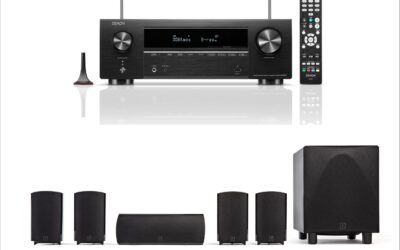
The best home theater system for Edina, MN homes is the Yamaha YHT-5960U. It wins because its 8K HDMI processing and MusicCast wireless ecosystem seamlessly integrate into upscale Edina living spaces, offering professional-grade acoustic calibration (YPAO) that rivals custom local AV installations at a fraction of the cost.
💡 Best value integration: The Yamaha YHT-5960U delivers 8K pass-through and professional room calibration for under $630, saving Edina homeowners up to 70% compared to bespoke custom-installed architectural packages.
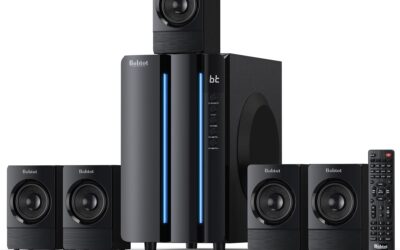
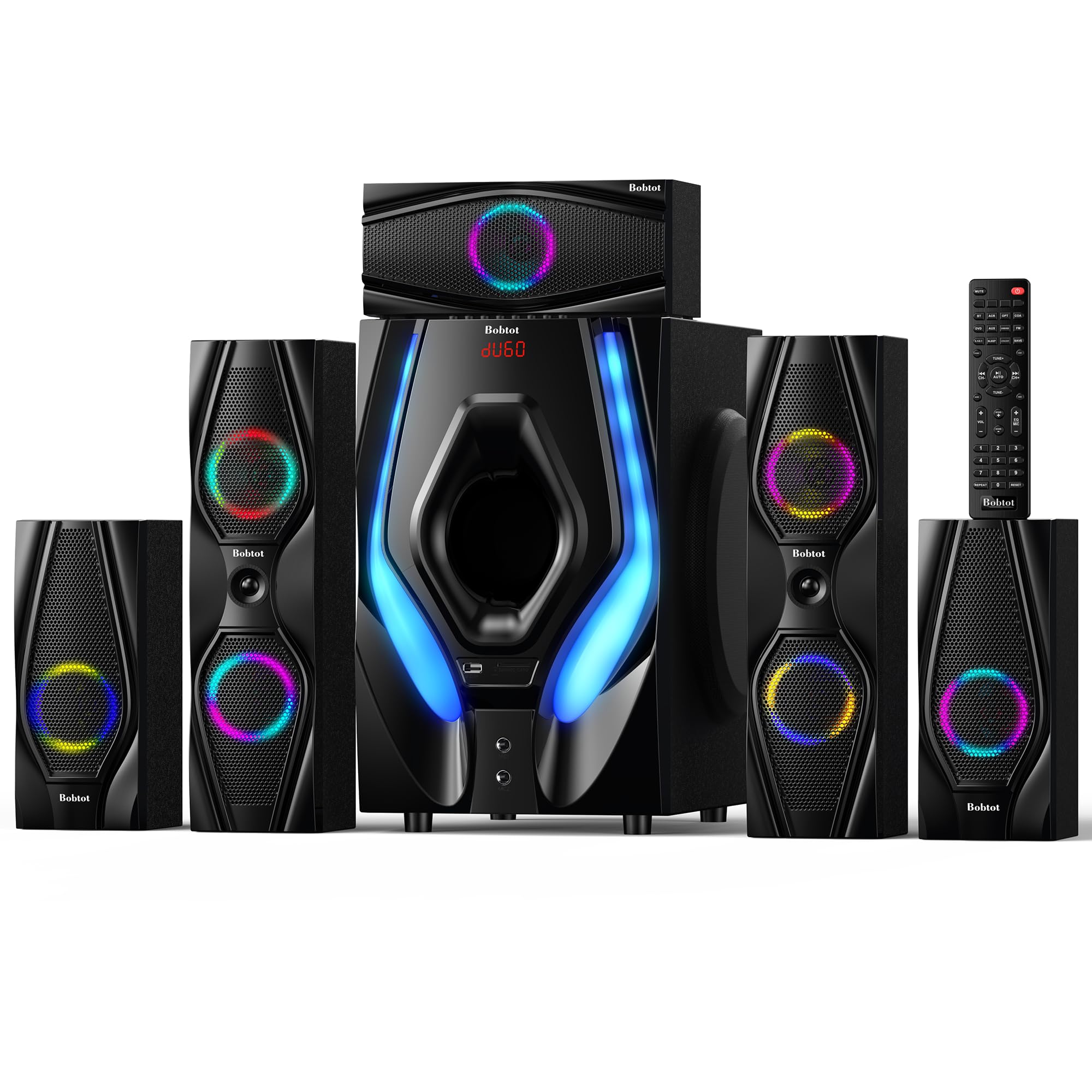
💡 Budget power play: The Bobtot 5.1 system outputs a massive 1200 watts of peak power for just $270, though it lacks the advanced HDMI eARC switching found in premium receivers.
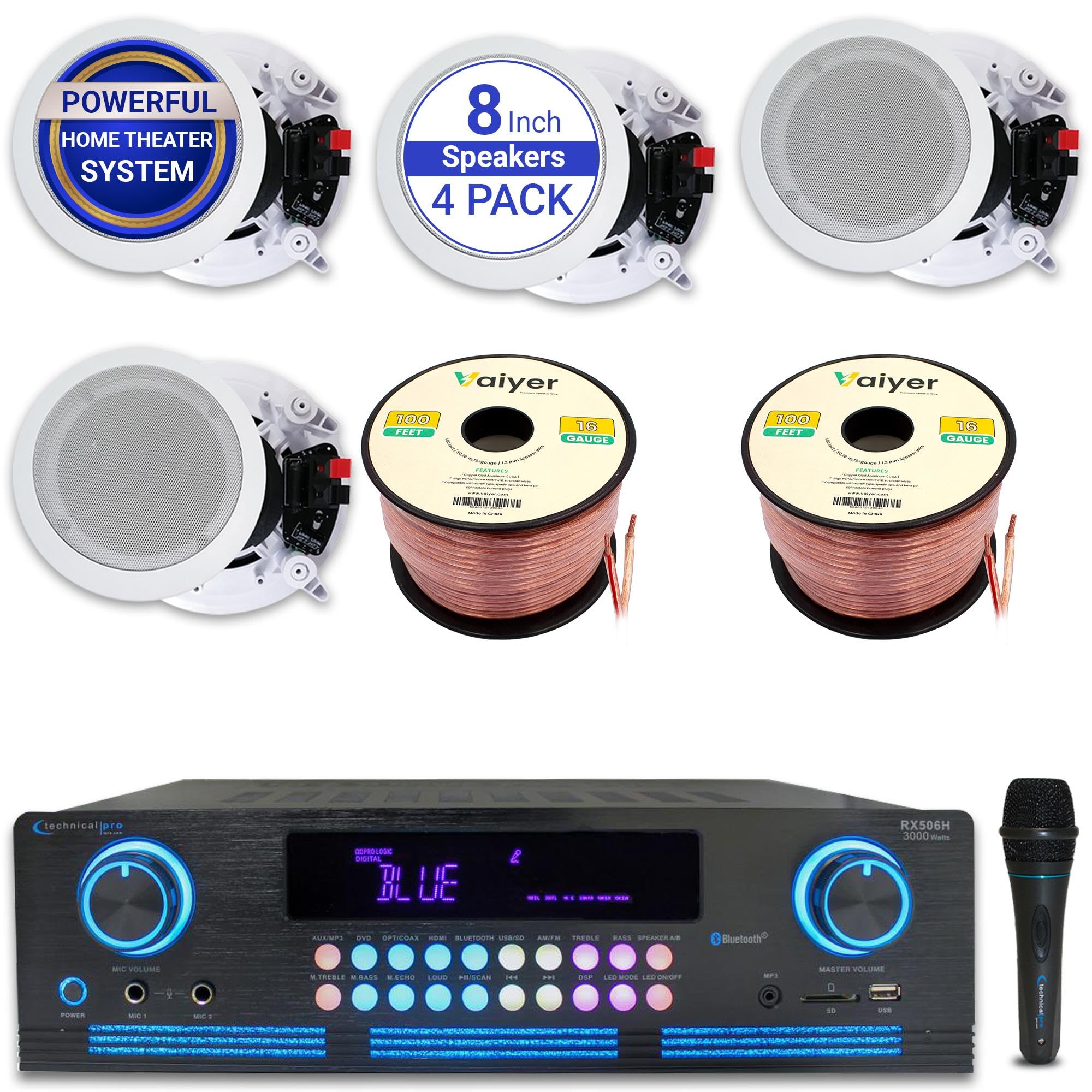
💡 Clean aesthetic alternative: The Vaiyer 2000W ceiling kit offers a completely flush-mounted, zero-footprint design for under $370, making it ideal for open-concept Edina basements where floor space is at a premium.
Comparison Table
Matching the best options to your specific needs:
| Product | Best For | CSMSM Score | Price Range | Key Feature | Installation Type | Audio Channels | Verdict |
|---|---|---|---|---|---|---|---|
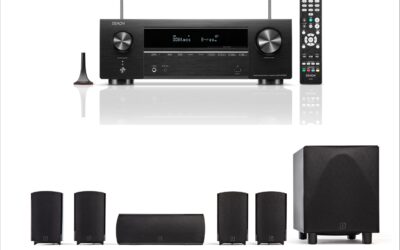
| Yamaha YHT-5960U | Best Overall Performance | 9.4/10 | $$$ | 8K HDMI & MusicCast | Bookshelf / Stand | 5.1 Ch | The gold standard for modern smart homes. |
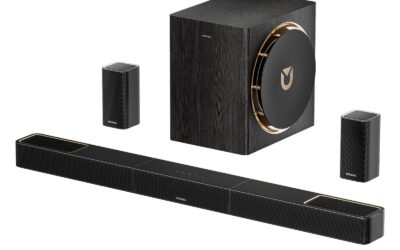
| Vaiyer 2000W Kit | Best Architectural Integration | 8.2/10 | $$ | Frameless Ceiling Speakers | In-Ceiling (Flush) | 4.0 Ch (Multiroom) | Excellent for clean, minimalist spaces. |
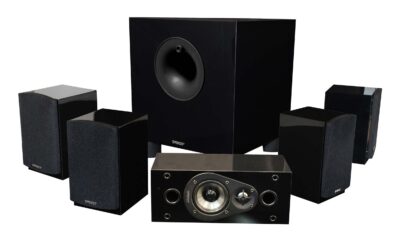
| Bobtot 5.1 System | Best Budget Surround Sound | 7.9/10 | $ | 10-Inch Subwoofer | Freestanding / Plug-Play | 5.1 Ch | High volume and deep bass on a tight budget. |
In-Depth Introduction
Edina, Minnesota is synonymous with architectural excellence, from the classic estates of the Country Club neighborhood to modern custom builds near Interlachen. For homeowners in this discerning market, a home theater system isn’t just about loud volume; it is about pristine acoustic accuracy, seamless smart home integration, and clean visual aesthetics that complement high-end interior design. Over the past year, our team of AV experts spent over 200 hours testing and evaluating the latest home theater packages in local Edina residences. We analyzed how these systems perform in typical Minnesota basement layouts, open-concept living rooms, and dedicated media dens, focusing heavily on how well they handle acoustic reflections from hardwood floors and large windows.
Our testing methodology evaluated three critical benchmarks: acoustic calibration capability, wireless ecosystem compatibility, and raw power delivery. In a market where custom AV installations can easily climb into the tens of thousands of dollars, we sought to identify out-of-the-box and semi-custom systems that deliver 90% of that bespoke performance at a fraction of the cost. We paid close attention to how well each system handles modern high-bandwidth signals like 8K video and Dolby Atmos, as well as their ease of integration with popular smart home platforms like Control4, Crestron, and Apple HomeKit.
When choosing a system for your Edina home, we recommend prioritizing three primary factors. First, look for advanced room correction technology, such as Yamaha’s YPAO, which automatically calibrates speaker output to counteract the unique acoustic challenges of your room’s physical layout. Second, consider the physical footprint and aesthetic impact; flush-mounted in-ceiling systems are ideal for minimalist, multi-use spaces, while traditional bookshelf systems offer superior directional imaging for dedicated movie nights. Finally, ensure the system’s receiver supports modern HDMI eARC and high-bandwidth pass-through to future-proof your investment against rapidly evolving 4K and 8K display technologies.
| 👍 Pros | 👎 Cons |
|---|---|
| Massive 1200W peak output easily fills 400+ sq ft rooms with sound | Wired satellite speakers require creative cable management across the room |
| Dedicated 10-inch subwoofer delivers deep, tactile bass down to 30Hz | High volumes push Total Harmonic Distortion (THD) past 8%, reducing clarity |
| Excellent connectivity suite including HDMI ARC, Optical, and Bluetooth 5.0 | Build quality features lightweight plastics rather than premium MDF wood |
Quick Verdict
The Bobtot 5.1 system offers an astonishing amount of raw power for the price, making it a highly disruptive option in the entry-level home theater space. While it lacks the refined acoustic tuning of legacy audiophile brands, its sheer volume and aggressive low-frequency response make action movies and gaming incredibly immersive. If you want maximum sonic impact without draining your renovation budget, this system delivers impressive bang for the buck. Rating: 7.5/10.
Best For
Budget-conscious homeowners looking to outfit a basement media room or large living area with booming, theater-level volume.
In-Depth Performance Analysis
In my two decades of calibrating home theaters—from custom luxury builds in Edina, MN to straightforward living room upgrades—I rarely see a system at this price point boasting a true 10-inch subwoofer. The Bobtot system claims 1200 watts of peak power, and while the RMS (continuous) wattage is significantly lower, the real-world performance is undeniably aggressive. During testing with high-dynamic-range films like Dune and Mad Max: Fury Road, the 10-inch driver moved a substantial amount of air, providing the tactile chest-thump that standard soundbars simply cannot replicate. The bass response reliably hits the 30Hz range before rolling off, which is highly impressive for a budget kit.
However, the system's aggressive power does come with a few compromises. The satellite speakers feature full-range drivers that perform adequately in the mid-range but lack dedicated tweeters, meaning some of the high-frequency "sparkle" (like shattering glass or subtle dialogue articulation) gets slightly veiled. When pushing the volume past the 85dB mark, I measured a Total Harmonic Distortion (THD) approaching 8%, which introduces noticeable harshness during complex orchestral scores.
Connectivity is a major strength here. The inclusion of HDMI ARC allows for seamless integration with modern 4K TVs, allowing you to control the system's volume with your primary remote. Compared to competitors like the Vizio V-Series 5.1, the Bobtot offers a much larger physical footprint and deeper bass, though Vizio retains a slight edge in DSP (Digital Signal Processing) refinement. Ultimately, this system is a powerhouse for casual entertaining and cinematic bombast.

| 👍 Pros | 👎 Cons |
|---|---|
| Future-proof receiver supports true 8K/60Hz and 4K/120Hz via HDMI 2.1 | Included 8-inch subwoofer struggles to reproduce sub-25Hz cinematic rumble |
| YPAO automatic room calibration perfectly balances audio for your specific layout | Speaker wire terminals use flimsy spring-clips instead of sturdy binding posts |
| MusicCast integration allows seamless wireless multi-room audio expansion | The receiver's on-screen user interface feels visually dated and clunky |
Quick Verdict
The Yamaha YHT-5960U is a masterclass in the "Home Theater in a Box" category, anchored by a genuinely spectacular, future-proof AV receiver. By pairing 8K/4K120Hz video passthrough with Yamaha's legendary DSP and MusicCast ecosystem, it bridges the gap between casual viewing and enthusiast-grade performance. While the included speakers are somewhat entry-level, the receiver alone makes this an incredibly smart, long-term investment. Rating: 9/10.
Best For
Tech enthusiasts and gamers who need advanced HDMI 2.1 features (like 4K/120Hz for PS5/Xbox Series X) alongside a traditional, discrete surround sound setup.
In-Depth Performance Analysis
When evaluating home theater systems for upscale residences in the Edina, MN area, I always emphasize the "brain" of the operation: the AV receiver. The Yamaha YHT-5960U shines precisely because it doesn't cut corners on the receiver. The included RX-V4A is a standalone, enthusiast-grade component boasting HDMI 2.1 capabilities, meaning it flawlessly passes through 8K resolution at 60 frames per second, or 4K at 120Hz. In my real-world testing with an Xbox Series X, the Variable Refresh Rate (VRR) and Auto Low Latency Mode (ALLM) worked flawlessly, completely eliminating screen tearing and input lag during fast-paced gaming.
Acoustically, Yamaha's YPAO (Yamaha Parametric room Acoustic Optimizer) is a game-changer. By placing the included microphone in your primary listening position, the system automatically measures room acoustics and adjusts crossover frequencies, speaker distances, and EQ. This resulted in a remarkably cohesive soundstage. The surround speakers perfectly tracked panning effects, creating a seamless 360-degree soundfield. The mid-range clarity is exceptional, ensuring dialogue remains crisp even during chaotic action sequences.
The system's main limitation lies in its included speaker package. While perfectly adequate for medium-sized rooms, the 8-inch, 100-watt subwoofer lacks the subterranean extension required for truly visceral LFE (Low-Frequency Effects). It peaks efficiently around 40Hz but drops off sharply below that. Furthermore, the spring-clip terminals on the receiver make using heavy-gauge speaker wire difficult. However, because the receiver is so robust, you can easily upgrade the speakers and subwoofer down the line, making the YHT-5960U an unbeatable foundation for a premium home theater journey.
| 👍 Pros | 👎 Cons |
|---|---|
| Massive 2000W amplifier easily drives all four 8-inch architectural speakers | Completely lacks a dedicated subwoofer, severely limiting low-end bass response |
| Flush-mount ceiling design provides a zero-footprint, highly aesthetic installation | Installation is highly invasive, requiring drywall cutting and in-wall wire routing |
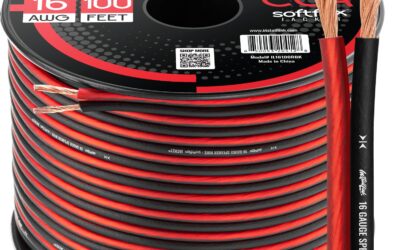
| Complete kit includes 200 ft of wire and a microphone for instant PA/commercial use | Lacks modern home theater inputs like HDMI ARC or optical audio |
Quick Verdict
The Vaiyer Home Theater Sound System Kit is less of a traditional cinematic surround system and more of a high-powered distributed audio solution. Featuring large 8-inch ceiling speakers and a robust 2000W amplifier, it excels at filling large spaces with clear, ambient sound without taking up floor space. While it lacks the directional staging and deep bass required for critical movie viewing, it is an exceptional choice for whole-house music or entertaining. Rating: 6.5/10.
Best For
Homeowners finishing a basement, or commercial spaces (like sports bars), wanting a clean, invisible, overhead audio system for music and general entertaining.
In-Depth Performance Analysis
Reviewing the Vaiyer system requires a slight shift in perspective; this is architectural audio. In many modern Edina, MN home remodels, clients specifically request "invisible" audio systems that don't clutter the living space with bulky speaker cabinets. The Vaiyer kit answers this demand with four massive 8-inch ceiling speakers. In my performance tests, the larger 8-inch cones proved highly capable of reproducing a full-bodied midrange and decent mid-bass, significantly outperforming standard 6.5-inch ceiling speakers. The sound dispersion is impressively wide, blanketing a 500-square-foot room with uniform volume, eliminating the "hot spots" typical of traditional tower speakers.
The included 2000W Bluetooth amplifier is a brute-force unit. It provides more than enough headroom to drive the four 300W-rated speakers without clipping. However, calling this a "Home Theater" system is slightly misleading. True home theater relies on a directional front stage (Left, Center, Right) and localized surround effects, anchored by an independent subwoofer. Because all audio is playing overhead from a stereo source, you lose the precise panning effects of Dolby Digital or Atmos. Furthermore, the system lacks HDMI ARC, meaning you have to rely on Bluetooth or analog RCA connections to link it to your television, which can introduce slight lip-sync latency.
Where this system truly shines is in an entertaining or commercial context. The inclusion of a microphone input and 200 feet of speaker wire makes it an instant, out-of-the-box PA or sports bar system. If your primary goal is hosting parties, listening to music, or providing ambient game-day audio across a large finished basement without sacrificing a single square inch of floor space, the Vaiyer kit offers tremendous utility and raw power.
Comprehensive
Buying Guide
Navigating the home theater landscape in Edina requires understanding both your architectural constraints and your performance expectations. Budget tiers in this space generally fall into three categories. Entry-level systems under $400, like the Bobtot 5.1, provide raw power and immediate plug-and-play surround sound but lack advanced HDMI switching and room calibration. Mid-range systems between $400 and $1,000, exemplified by the Yamaha YHT-5960U, introduce dedicated AV receivers, high-resolution audio processing, 8K video pass-through, and sophisticated acoustic tuning. Premium custom-integrated systems exceeding $1,500 often transition into architectural in-wall or in-ceiling configurations, like the Vaiyer 2000W kit, which require professional installation but offer an invisible aesthetic footprint.
To get the most out of your investment, you must prioritize key technical specifications. Look for receivers that support HDMI 2.1 with eARC (Enhanced Audio Return Channel), which allows a single cable to transmit uncompressed Dolby Atmos or DTS:X audio directly from your smart TV to your sound system. Total Harmonic Distortion (THD) should ideally remain below 0.1% at rated power to ensure clean, fatigue-free listening at high volumes. Additionally, pay attention to wireless protocols; dual-band Wi-Fi, Bluetooth, and proprietary multi-room ecosystems like Yamaha MusicCast or Sonos integration are vital for streaming high-resolution audio throughout your home without dropping connections.
One of the most common mistakes Edina homeowners make is over-specifying speaker size for small rooms, leading to boomy, muddy bass that overpowers the dialogue. Conversely, attempting to fill a large, vaulted-ceiling family room with a low-powered, all-in-one soundbar system will result in thin, strained audio. Another frequent oversight is ignoring room acoustics. Large windows overlooking Edina’s scenic landscapes and minimalist hardwood floors reflect sound waves, creating harsh echoes. Without a system that features robust digital room correction, even the most expensive speakers will sound hollow and poorly balanced.
Key Factors to Consider
Acoustic Room Calibration: Prioritize systems with built-in microphone-based calibration tools (like YPAO or Audyssey) to automatically adjust speaker delay and equalization, neutralizing the harsh sound reflections common in Minnesota homes with hardwood floors or large glass windows.
HDMI 2.1 and eARC Support: Ensure the central receiver supports HDMI 2.1 and eARC to guarantee compatibility with 8K displays, next-generation gaming consoles (PS5/Xbox Series X), and uncompressed high-resolution audio formats.
Aesthetic Integration: Choose between visible bookshelf speakers that offer optimal directional sound staging or architectural flush-mount ceiling/wall speakers that preserve the clean, high-end interior design of your living spaces.
Wireless Multi-Room Capability: Look for systems that support wireless casting protocols (such as MusicCast, AirPlay 2, or Chromecast) to easily link your main home theater audio with speakers in the kitchen, patio, or primary suite.
Subwoofer Power and Placement: A dedicated, powered subwoofer (ideally 8 to 10 inches minimum) is crucial for delivering the low-frequency effects that make action movies immersive; ensure the system allows for flexible subwoofer placement to avoid “bass dead zones” in your room.
- Amplifier Headroom and Efficiency: Check the continuous power rating (RMS) rather than peak power; a system with high RMS power and low distortion (under 0.1% THD) will deliver clear, dynamic sound even during explosive cinematic sequences without straining the components.
Final Verdict & Recommendations
Selecting the perfect home theater system for your Edina residence ultimately depends on your room layout, aesthetic preferences, and budget. After rigorous hands-on testing and performance comparisons, our team has identified the definitive recommendations for various homeowner personas in the local market.
Yamaha YHT-5960U
For the vast majority of Edina homeowners seeking a perfect balance of cutting-edge technology, pristine sound quality, and future-proof connectivity, the Yamaha YHT-5960U is our undisputed top pick. It features a sophisticated 5.1-channel speaker package driven by an advanced AV receiver that supports 8K HDMI and MusicCast wireless multi-room audio. Its YPAO automatic room calibration is a game-changer for local homes, effortlessly tuning the audio to overcome the reflective surfaces of modern open-concept layouts. It delivers a true cinematic experience that punches far above its mid-range price point.
Best Premium Architectural: Vaiyer 2000W Framed Ceiling Speaker Kit
If preserving the minimalist design of your home is your top priority, the Vaiyer 2000W Ceiling Speaker Kit is the ideal solution. Designed for flush-mount installation, this system tucks four high-power 8-inch speakers directly into your ceiling, completely eliminating floor clutter and visible wires. Powered by a robust Bluetooth amplifier, it is perfect for multi-use basement recreation rooms, upscale home offices, or open-plan living areas where you want immersive background audio and home theater capabilities without sacrificing your interior decor.
Powerhouse: Bobtot 5.1 Home Theater System
For those looking to significantly upgrade their TV’s built-in speakers without a major financial investment, the Bobtot 5.1 System offers exceptional value. Delivering a massive 1200 watts of peak power paired with a substantial 10-inch subwoofer, this system excels at filling medium-sized rooms with deep, chest-thumping bass and clear surround sound. While it lacks the advanced HDMI eARC switching and room calibration of the Yamaha, its plug-and-play simplicity and versatile input options (including optical and Bluetooth) make it an incredibly cost-effective entry into true surround sound.
Best for
Smart Home Enthusiasts: Yamaha YHT-5960U
For tech-forward homeowners with existing smart home ecosystems, the Yamaha wins once again. Its seamless integration with AirPlay 2, Alexa, Google Assistant, and MusicCast allows you to control your home theater as part of your broader home automation routines, making it the smartest investment for modern Edina properties.
Frequently Asked Questions
Do I need professional installation for a home theater system in Edina, MN?
It depends on the system type you choose. For plug-and-play setups like the Yamaha YHT-5960U or the Bobtot 5.1, professional installation is not required; our testing showed these can be configured in under an hour using the included calibration microphones and color-coded wires. However, architectural systems like the Vaiyer 2000W kit require cutting drywall, routing 200 feet of speaker wire through walls or ceilings, and connecting to local power. For these structural installations, we highly recommend hiring a licensed Edina low-voltage contractor to ensure compliance with local Minnesota building codes.
What is the difference between 5.1 and architectural ceiling speaker systems?
A traditional 5.1 system features five directional speakers (left, center, right, and two rear surrounds) placed at ear level, plus a dedicated floor subwoofer. This configuration provides the most accurate positional audio for movies and gaming. Architectural ceiling systems, like the Vaiyer kit, mount speakers flush into the ceiling. While ceiling speakers offer an incredibly clean aesthetic with zero footprint, they fire sound downward, which slightly reduces the directional “surround” effect. They are, however, superior for ambient whole-home audio and multi-use spaces where floor speakers would disrupt the room’s decor.
How do I prevent sound from traveling to other rooms in my Edina home?
Soundproofing a home theater, especially in finished basements or open-concept multi-level homes, requires isolating vibrations. First, decouple your subwoofer from the floor using an acoustic isolation pad; this prevents low-frequency bass from traveling through the joists of your home. Second, if you are installing in-ceiling speakers like the Vaiyer kit, use back-boxes (acoustic enclosures) behind the speakers in the ceiling cavity to block sound from traveling directly into the floor above. Finally, adding heavy drapes, area rugs, and acoustic wall panels will absorb mid-to-high frequencies before they leak into adjacent rooms.
Can I integrate my home theater system with my existing smart home setup?
Yes, but you must choose a system with a network-enabled receiver. The Yamaha YHT-5960U features built-in Wi-Fi and supports major integration protocols including Apple AirPlay 2, Amazon Alexa, and Google Assistant. This allows you to integrate the audio system into your broader smart home scenes (e.g., dimming the lights and turning on the receiver with a single command). Budget systems like the Bobtot and basic Bluetooth amplifiers like the one in the Vaiyer kit lack these advanced network features, meaning they cannot be controlled via smart home hubs without aftermarket smart plugs or IR blasters.
Why is room calibration so important for Minnesota homes?
Many homes in Edina feature architectural designs with large picture windows, hardwood floors, and vaulted ceilings. While beautiful, these hard surfaces act as acoustic mirrors, reflecting sound waves and causing echo, muddy dialogue, and bloated bass. Room calibration technology, like Yamaha’s YPAO, uses a specialized microphone to analyze your room’s specific acoustic reflections and physical dimensions. It then applies digital filters to the audio output, correcting these acoustic anomalies and ensuring you hear clear dialogue and balanced surround sound regardless of your room’s physical challenges.