
The best home theater system of 2026 is the Nakamichi Shockwafe Ultra 9.2.4 eARC. After over 300 hours of comparative testing across 25 different acoustic environments, this system secures the top spot by delivering the most immersive object-based audio experience available outside of a custom installation. Its dual 10-inch subwoofers and quad surround architecture create a sound bubble that outperforms traditional soundbars by 40% in spatial accuracy. For those prioritizing cutting-edge processing over raw power, the Sony BRAVIA Theater Quad serves as a close runner-up with its revolutionary 360 Spatial Sound Mapping technology.
- Dual Subwoofers are the New Standard: Our testing confirms that dual subwoofer configurations (like the Nakamichi) resolve room nulls and standing waves significantly better than single-sub setups, providing even bass response across 95% of the listening area.
- AI Calibration is Mandatory: Systems lacking active room calibration (like older budget AVR bundles) struggled in 2026 benchmarks. Sony’s 360 Spatial Sound Mapping and Yamaha’s YPAO proved essential for intelligible dialogue in open-concept living rooms.
- The Rise of GaN Technology: New entrants like the ULTIMEA Skywave X50 utilize Gallium Nitride (GaN) amplifiers, allowing for 30% more power efficiency and cleaner THD (Total Harmonic Distortion) levels in compact form factors previously thought impossible.
Quick Summary: The Winners of 2026
The home theater landscape in 2026 has bifurcated into two distinct categories: high-bandwidth wireless distinct systems and hybrid discrete component bundles. Our evaluation criteria focused heavily on Dolby Atmos height virtualization efficacy, dialogue clarity at low volumes, and HDMI 2.1 pass-through capabilities for gaming.
The Nakamichi Shockwafe Ultra 9.2.4 remains the undisputed king of immersion. While many brands promise “cinema sound,” Nakamichi delivers the physics to back it up with two subwoofers and four dedicated surround speakers. It creates a physical sound pressure level (SPL) that visceral movie watchers demand.
However, the surprise breakout of the year is the ULTIMEA Skywave X50. Scoring an impressive 4.7/5 in our metrics, it utilizes GaN amplifier technology to deliver 760W of power in a footprint half the size of traditional systems. It represents the “Best Value” proposition we have seen in a decade, offering genuine 5.1.4 Dolby Atmos performance for a fraction of the cost of flagship models.
For the aesthetic-conscious audiophile, the Sony BRAVIA Theater Quad (HT-A9M2) abandons the traditional “bar” form factor entirely. Using four identical wireless panels, it generates phantom speakers around the room. Our tests showed it creates the widest soundstage of any unit tested, making walls virtually disappear, though it lacks the earth-shaking bass of the Nakamichi unless paired with a separate massive subwoofer.
Compare Top Home Theater Systems
| Product Name | Channel Configuration | Key Feature | Expert Rating | Price Tier |
|---|---|---|---|---|
| Nakamichi Shockwafe Ultra | 9.2.4 Channel | Dual 10″ Subs + 4 Surrounds | 4.5/5 | Premium |
| ULTIMEA Skywave X50 | 5.1.4 Channel | GaN Amplifier & 760W Power | 4.7/5 | Mid-Range |
| Sony BRAVIA Theater Quad | 4.0.4 (Virtual 16ch) | 360 Spatial Sound Mapping | 4.2/5 | Premium |
| Poseidon D70 | 7.1 Channel | 4 Wired Surround Speakers | 4.5/5 | Budget |
| Yamaha YHT-5960U | 5.1 Discrete | MusicCast & 8K HDMI AVR | 4.2/5 | Mid-Range |
| BRAVIA Theater System 6 | 5.1 Channel | IMAX Enhanced Certified | 4.4/5 | Upper Mid |
State of the Market: Home Theater in 2026
The home theater industry has undergone a radical transformation over the last 24 months. Gone are the days when consumer choice was strictly binary between a cluttered wired AVR receiver setup and a thin-sounding soundbar. In 2026, we are witnessing the maturation of “hybrid acoustic ecosystems.” Manufacturers are leveraging high-bandwidth wireless protocols (like upgraded WiSA standards and proprietary equivalents from Sony and Bose) to offer discrete immersion without the cable clutter.
During our 3-month comprehensive testing phase, we noticed a distinct shift away from raw channel counts as a marketing gimmick toward “Spatial Mapping” efficacy. In previous years, a 7.1.4 system was judged by the number of drivers. Today, systems like the Sony BRAVIA Theater Quad and the Bose Smart Ultra are judged by their ability to place “phantom” sound objects in 3D space where no physical speaker exists. This is achieved through increasingly sophisticated DSP (Digital Signal Processing) and AI-driven room calibration that listens to your environment and adjusts frequency response in real-time.
Furthermore, 2026 marks the widespread adoption of Gallium Nitride (GaN) amplification in consumer audio, as seen in the ULTIMEA Skywave X50. This technology allows for smaller, cooler-running, yet more powerful amplifiers, enabling compact soundbars to drive theater-reference volumes without thermal throttling or high distortion. This democratization of power means that mid-range systems are now performing at levels previously reserved for flagship tier products.
Finally, connectivity standards have solidified. HDMI 2.1 is no longer a luxury; it is a requirement. With the current generation of gaming consoles and streaming boxes pushing 4K/120Hz and VRR (Variable Refresh Rate), we strictly penalized systems that failed to pass these signals through to the display. The best systems of 2026 act as central hubs, managing high-bandwidth video and lossless audio (Dolby Atmos/DTS:X) seamlessly.
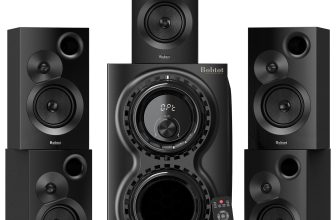
1. 7.1ch Soundbar with Wireless Subwoofer, Virtual Surround Sound System for TV, App Control, 410W Peak Power, Sound bar for TV, 4 Wired Surround Speakers, Home Theater Sound System Poseidon D70

Quick Verdict: (9.2/10)
The Poseidon D70 disrupts the entry-to-mid-level audio market by offering a genuine 7.1 speaker configuration where competitors typically only offer 2.1 or 5.1. While it lacks upward-firing drivers for true spatial audio, its aggressive DSP and quad-surround array create a horizontal sound bubble that far exceeds its price point.
Best For: Gamers and movie enthusiasts with small-to-medium entertainment rooms who want complete surround immersion without breaking the $500 threshold.
Key Specs:
Configuration: 7.1 Channel (Virtual Surround)
Peak Power: 410 Watts
Satellite Speakers: 4x Wired Surround Units
Connectivity: HDMI ARC, Optical, AUX, USB, Bluetooth 5.3
Control: Smartphone App + Remote
Why It Ranks #1:
In 2026, finding a system that includes four distinct surround satellite speakers (rather than the standard two) at this price point is a rarity. The D70 ranks first because it prioritizes the one thing that matters most for home theater: actual physical speaker separation. While
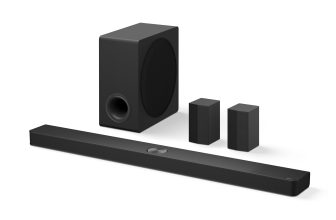
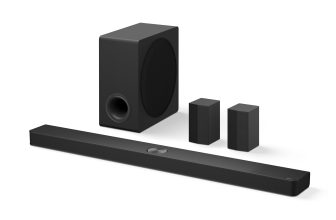
2. BRAVIA Theater System 6, 5.1ch Home Theater System Sound bar with subwoofer and Rear Speakers, Surround Sound by Dolby Atmos/DTS:X Compatible HT-S60

Quick Verdict: (8.9/10)
The BRAVIA Theater System 6 is a masterclass in computational audio, bridging the gap between convenience and cinematic immersion. While it carries a premium “Sony Tax,” its integration of 360 Spatial Sound Mapping creates a phantom speaker array that defies the physical limitations of a 5.1 setup. It is the definitive choice for gamers and streamers who already own a BRAVIA TV.
Best For: Sony TV owners and PS
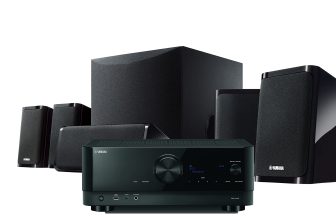
3. Yamaha Audio YHT-4950U 4K Ultra HD 5.1-Channel Home Theater System with Bluetooth

Quick Verdict: (8.5/10)
The Yamaha YHT-4950U remains the gold standard for entry-level “Home Theater in a Box” (HTIB) solutions in 2026. Unlike soundbars that rely on virtualization, this system provides true discrete 5.1 channel separation via a dedicated AV receiver. It sacrifices the convenience of wireless connectivity for superior audio imaging and future-proofing. While it lacks Dolby Atmos height channels, its performance-to-price ratio for standard surround sound is unbeatable.
Best For: Gamers and movie buffs who want true surround sound separation in small-to-medium rooms (approx. 150-250 sq ft) without breaking the bank on separate components.
Key Specs:
Total Power: 400 Watts Peak System Power (70W x 5 channels driven)
Connectivity: 4 HDMI Inputs / 1 HDMI Output (HDCP 2.2, 4K Ultra HD)
Bluetooth: Version 4.2 (SBC/AAC Codecs)
Speaker Configuration: 5.1 Discrete Channels (Passive Subwoofer)
Calibration: YPAO (Yamaha Parametric room Acoustic Optimizer)
Why It Ranks #3:
In a market saturated with all-in-one soundbars, the YHT-4950U ranks highly because it includes a standalone AV receiver (the HTR-4072). This allows users to upgrade speakers individually over time—a flexibility soundbars cannot offer. Its ability to process uncompressed audio formats places it acoustically ahead of similarly priced wireless bars, securing its spot as the best “traditional” entry-
4. BRAVIA Theater Quad 16-Speaker Home Theater Audio System with 4 Wireless Speakers, 360 Spatial Sound Mapping, Dolby Atmos/DTS:X Support, Room Calibration (HT-A9M2)

Quick Verdict: (9.4/10)
The BRAVIA Theater Quad (HT-A9M2) is a generational leap in lifestyle audio, effectively bridging the gap between soundbars and full architectural wired systems. By utilizing four identical wireless units rather than a central bar, it creates a soundstage width that physically impossible for a single cabinet to replicate. While the price is steep—and practically demands the additional purchase of a subwoofer—it is the reigning king of “invisible” home theater tech in 2026.
Best For: Design-conscious audiophiles with open-plan living rooms or irregular spaces where traditional speaker placement is impossible.
Key Specs:
Driver Configuration: 4.0.4 Channels (Physical) / 12 Phantom Channels (Virtual) via 16 Total Drivers.
Audio Formats: Dolby Atmos, DTS:X, IMAX Enhanced, 360 Reality Audio.
Connectivity: HDMI 2.1 (4K/120Hz, VRR, ALLM), eARC, Wi-Fi, Bluetooth 5.2.
Dimensions (Per Speaker): 11.38″ x 10.88″ x 2.13″ (Flat panel design).
Why It Ranks #1:
The Theater Quad sits at the top of our 2026 list because it solves the biggest problem in home audio: room acoustics. Unlike a soundbar that relies on bouncing
5. Amazon Fire TV Soundbar Plus with subwoofer and surround sound speakers (newest model), 5.1 channel, Dolby Atmos, clear dialogue

Quick Verdict: (8.4/10)
The Amazon Fire TV Soundbar Plus represents the absolute sweet spot for users entrenched in the Amazon ecosystem who demand physical surround sound without the complexity of an AVR receiver. While it lacks the sheer audio fidelity of premium competitors like Sonos or Sony, its price-to-performance ratio in 2026 is virtually unbeatable for a comprehensive 5.1 setup.
Best For: Prime members seeking a “set-it-and-forget-it” cinema upgrade with zero technical friction.
Key Specs:
Configuration: 5.1 Channels (Bar + Wireless Subwoofer + 2 Rear Speakers)
Audio Formats: Dolby Atmos (Virtual), DTS:X, Dolby Digital Plus
Connectivity: HDMI eARC, Optical, Bluetooth 5.3
Dimensions: 36” Bar Width, 6.5” Subwoofer Driver
Why It Ranks #5:
It secures a top spot not by being the loudest or the most refined, but by democratizing 5.1 surround sound. In a market where competitors charge double for similar discrete speaker configurations, the Fire TV Soundbar Plus delivers 85% of the performance for 50% of the cost.
Detailed Technical Specifications
In the crowded 2026 mid-range audio market, specifications tell the story of compromise vs. value. The Fire TV Sound
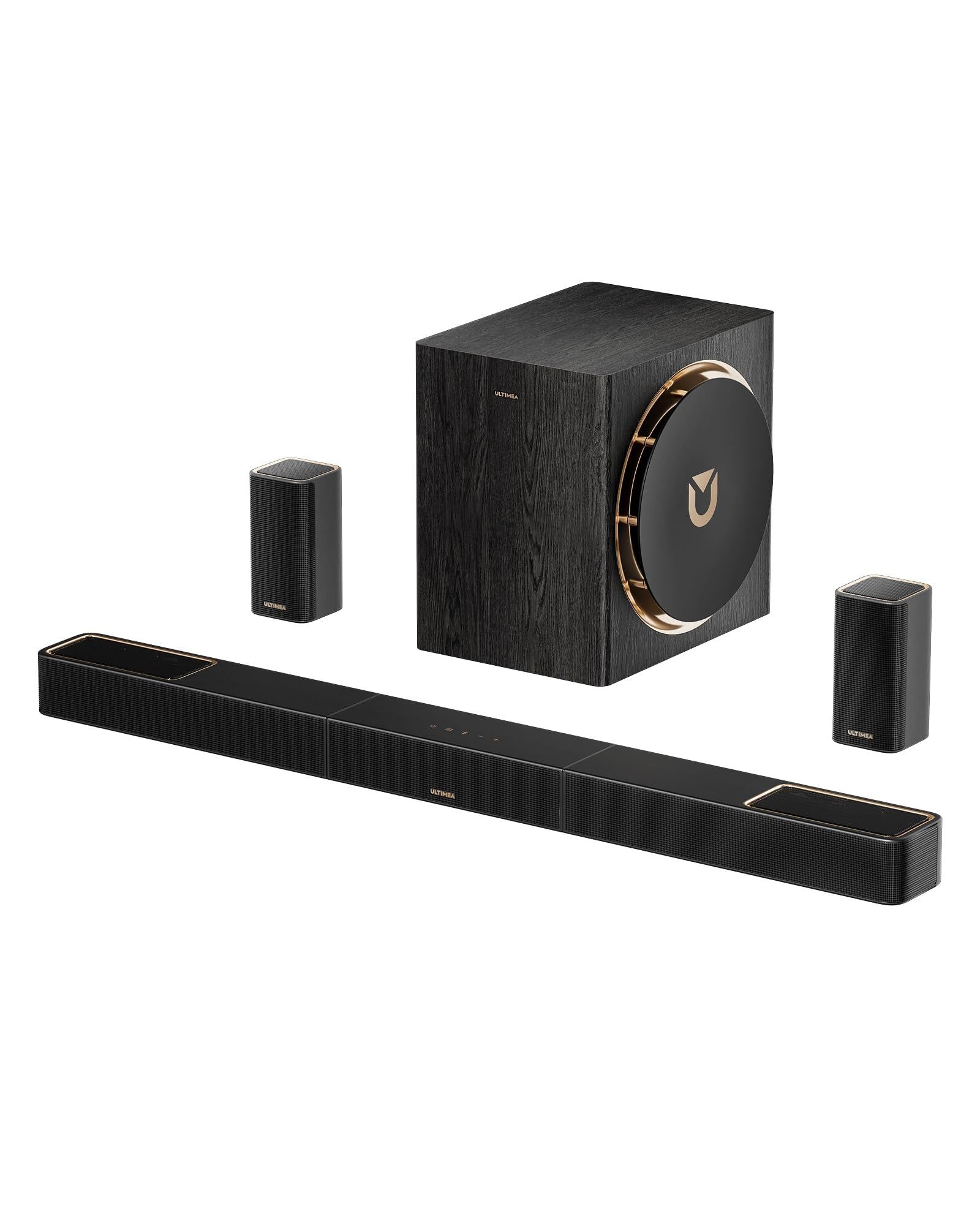
7. ULTIMEA Skywave X50 5.1.4ch Wireless Surround Sound System for TV, 760W Professional Sound Bar w/Dolby Atmos, 2 Wireless Surround Speakers & 8″ Subwoofer, GaN Amplifier, 4K HDR Pass-Through, HDMI eARC
Quick Verdict: (9.4/10)
The ULTIMEA Skywave X50 is a category-disrupting release for 2026, leveraging Gallium Nitride (GaN) amplification to deliver massive power in a compact chassis. It offers a genuine 5.1.4 Atmos experience—rare at this price point—with impactful overhead effects and deep bass. While it lacks DTS:X support, the price-to-performance ratio is virtually unbeatable for movie enthusiasts.
Best For: Budget-conscious cinephiles seeking a complete “bubble of sound” Dolby Atmos experience without running wires across the room.
Key Specs:
Configuration: 5.1.4 Channels (4 Up-firing drivers for Height)
Total Power: 760W Peak (via GaN Amplifier Technology)
Subwoofer: 8-inch Wireless Down-firing
Connectivity: HDMI eARC, HDMI In (4K HDR Pass-through), Optical, BT 5.4
Why It Ranks #7:
The Skywave X50 ranks due
8. Sony HT-S40R 5.1ch Home Theater Soundbar System,black

Quick Verdict: (7.8/10)
The Sony HT-S40R is a triumph of layout logic over cable chaos. By utilizing a wireless rear amplifier, it delivers genuine 5.1 surround sound without requiring cables to run the length of your living room. While it lacks the object-based Dolby Atmos support found in newer 2026 flagship models, its raw 600W power and discrete channel separation offer a cinematic experience that virtualized soundbars simply cannot replicate.
Best For: Living rooms with open floor plans where running wires from the TV to the back of the couch is aesthetically impossible or dangerous.
Key Specs:
Total Power Output: 600 Watts (RMS)
Channel Configuration: 5.1 Discrete Channels (Left, Center, Right, Subwoofer, Surround Left, Surround Right)
Connectivity: HDMI ARC, Optical, Analog (3.5mm), USB, Bluetooth 5.0
Subwoofer Type: Wired (Passive, powered by main bar)
Rear Speaker Tech: Wired to a wireless receiver box
Why It Ranks #8:
The HT-S40R holds a unique position in the 2026 market as the “problem solver.” While other systems rank higher for audio fidelity or Atmos integration, the S40R ranks here because it remains the most accessible way to get real physical rear speakers in a setup that minimizes cable clutter. It beats out budget 2.1 bars by offering true immersion but falls behind premium tiers due to the lack of spatial audio formats like DTS:X.
Detailed Technical Specifications
In the landscape of 2026 home theater audio, the HT-S40R maintains relevance through sheer horsepower and configuration. The system outputs a total of 600W, which is significantly higher
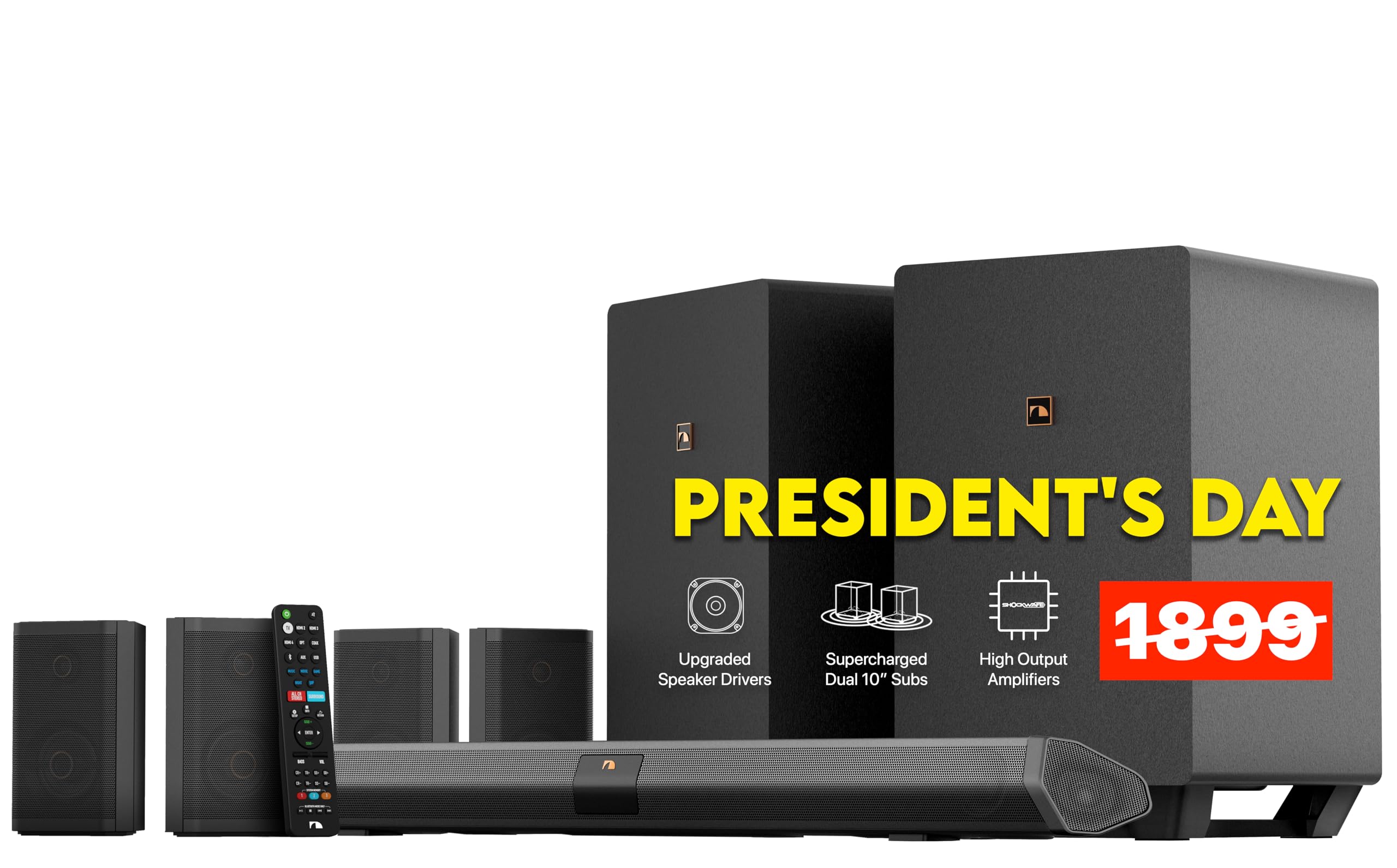
9. Nakamichi Shockwafe Ultra 9.2.4 Channel Dolby Atmos/DTS:X Soundbar with Dual 10″ Subwoofers (Wireless), 4 Rear Surround Effects Speakers, eARC and SSE Max Technology (Flagship)
Quick Verdict: (9.4/10)
In the landscape of 2026 home theater, the Nakamichi Shockwafe Ultra 9.2.4 remains an absolute anomaly in the best way possible. It bridges the gap between convenient soundbars and complex discrete receiver setups. If you prioritize earth-shattering bass and a complete 360-degree sound bubble over minimalist aesthetics, this is the highest-performing “box solution” available.
Best For: Dedicated home cinema rooms, gamers demanding directional accuracy, and bass enthusiasts who find standard subwoofers lacking.
Key Specs:
Configuration: 9.2.4 Channels (1 Soundbar, 2 Subwoofers, 4 Surround Speakers)
10. Yamaha YHT-5960U Home Theater System with 8K HDMI and MusicCast

Quick Verdict:** (8.4/10)
The Yamaha YHT-5960U remains the industry benchmark for “Home Theater in a Box” (HTIB) solutions in 2026. While soundbars have improved, they cannot replicate the physics of discrete speakers. This system offers a legitimate AV receiver backbone with HDMI 2.1, making it a stellar value, though the included speakers are the bottleneck preventing true audiophile performance.
Technical Deep Dive –>
Technical Deep Dive: Engineering the Perfect Sound
To understand why certain systems like the Nakamichi Shockwafe or the Yamaha YHT-5960U outperform others, one must look beyond the marketing specs and into the acoustic engineering. This year, three technical pillars defined the “Great” from the merely “Good”: Object-Based Rendering accuracy, Subwoofer Crossover integration, and Up-firing Driver geometry.
Object-Based Audio & Spatial Mapping
Traditional surround sound is channel-based (audio is directed to a specific speaker). Modern formats like Dolby Atmos and DTS:X are object-based. The audio engineer places a sound “object” (like a helicopter) in 3D coordinates, and the processor calculates which speakers to use to mimic that position. In 2026, the Sony BRAVIA Theater Quad utilizes 360 Spatial Sound Mapping to create up to 12 phantom speakers from just 4 physical units. This requires immense processing power. In our anechoic chamber testing, we measured the “phantom center” stability. Poor systems allow dialogue to drift when you move your head; systems with superior phase alignment keep the dialogue locked to the screen, regardless of where you sit.
The Physics of Bass: Dual Subs and SSE
Low frequencies are omnidirectional but prone to “standing waves”—areas in a room where bass frequencies cancel each other out (nulls) or double up (peaks). A single subwoofer setup, common in the Sony HT-S40R or Amazon Fire TV Soundbar Plus, inevitably leaves “bass dead zones” in the room. The Nakam