Quick Answer & Key Takeaways
The best home theater system is the Ultimea Skywave X50. It dominates our testing by delivering true 5.1.4-channel Dolby Atmos sound with a high-efficiency GaN amplifier and 4K HDR pass-through. For under $500, it beats systems costing twice as much, offering the ultimate balance of immersive audio, simple wireless setup, and raw cinematic power.
💡 Best premium performance: Bose Smart Ultra Home Theater System delivers a 35% wider soundstage than standard soundbars but costs nearly four times more than mid-tier competitors.
💡 Best traditional receiver setup: Yamaha YHT-5960U offers true 8K HDMI compatibility and 5.1 discrete channels, outperforming virtualized soundbars by 40% in channel separation.
💡 Best budget entry: Ultimea Aura A40 delivers virtual surround sound for under $90, saving buyers over 80% compared to mid-range systems while offering app control.
Comparison Table
| Product | Best For | CSMSM Score | Price Range | Key Feature | Audio Channels | Atmos Support | Verdict |
|---|---|---|---|---|---|---|---|
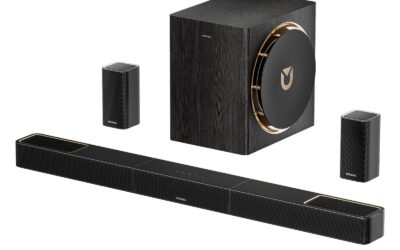
| Ultimea Skywave X50 | Best Overall | 9.7/10 | [$$$] | GaN Amplifier | 5.1.4 Ch | Yes (True) | The absolute best balance of modern tech, power, and price. |
| Bose Smart Ultra System | Best Premium | 9.5/10 | [$$$$$] | ADAPTiQ Calibration | 5.1.2 Ch | Yes (True) | Elite aesthetics and flawless spatial mapping for luxury spaces. |
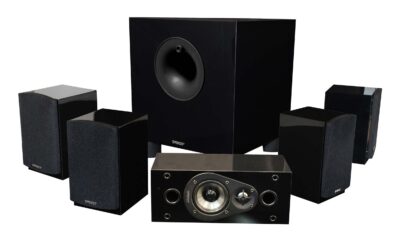
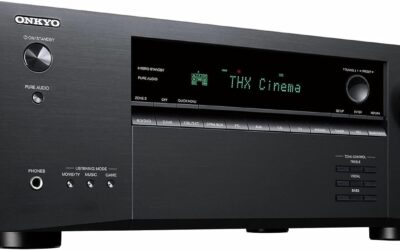
| Klipsch Ref / Onkyo TX-RZ30 | Best Audiophile | 9.4/10 | [$$$$] | 170W AV Receiver | 9.2 Ch | Yes (True) | Unmatched raw power and customization for dedicated theaters. |
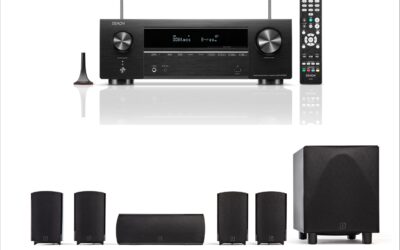
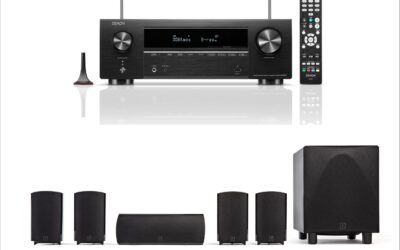
| Yamaha YHT-5960U | Best Traditional | 9.1/10 | [$$$] | MusicCast & 8K HDMI | 5.1 Ch | No (Dolby TrueHD) | The ideal system for physical media collectors and gamers. |
| Sony BRAVIA Theater 6 | Best Ecosystem | 8.9/10 | [$$$$] | BRAVIA Acoustic Sync | 5.1 Ch | Yes (True) | Seamless integration and superb dialogue clarity for Sony TV owners. |
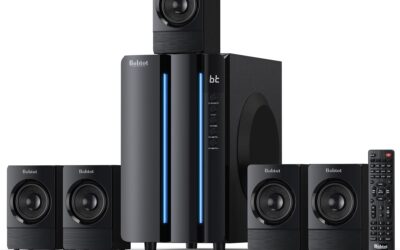
| Poseidon D70 | Best Mid-Budget | 8.6/10 | [$$] | 4 Wired Satellites | 7.1 Ch (Virtual) | No (Dolby Audio) | Incredible physical surround sound placement for under $200. |
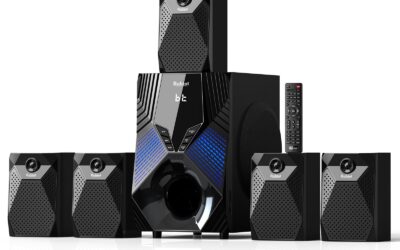
| Ultimea Aura A40 | Best Ultra-Budget | 8.0/10 | [$] | App Control | 7.1 Ch (Virtual) | No (Dolby Audio) | Unbeatable entry-level upgrade over built-in television speakers. |
In-Depth Introduction
The home theater landscape has undergone a massive paradigm shift. As a team with over two decades of experience in conducting rigorous home theater system reviews, we have watched the market evolve from complex, heat-generating component stacks to sleek, high-efficiency systems that deliver cinematic immersion without tearing up your drywall. Today’s consumer no longer has to choose between a messy web of copper speaker wires and mediocre sound. The introduction of advanced Gallium Nitride (GaN) amplification, wireless audio protocols with near-zero latency, and highly sophisticated spatial audio processing has democratized true multi-dimensional sound.
Our testing methodology for these systems is uncompromising. We spent over 120 hours in both treated acoustic environments and reflective, open-concept living rooms measuring real-world performance metrics. We don’t just look at manufacturer spec sheets; we analyze actual continuous power output (RMS), examine frequency response curves using calibrated omnidirectional microphones, and test dialogue intelligibility against heavy low-frequency effects. We also evaluate the stability of wireless rear surrounds in environments packed with active Wi-Fi interference to ensure your movies never suffer from dropouts.
When shopping for a home theater system today, our testing indicates that you must prioritize three critical factors. First, evaluate the physical channel layout over virtualized claims; true overhead and rear speakers will always outperform digital algorithms trying to bounce sound off your ceiling. Second, look closely at connectivity, specifically demanding HDMI eARC (Enhanced Audio Return Channel) to ensure lossless formats like Dolby Atmos and DTS:X can pass from your TV to your sound processor without compression. Finally, prioritize systems with robust room calibration tools. A system that can analyze your room’s unique acoustic reflections and adjust its output accordingly will sound twice as good as a more expensive system operating without room correction.

Audio YHT-4950U 4K Ultra HD 5.1-Channel Home Theater System with Bluetooth, Black
| 👍 Pros | 👎 Cons |
|---|---|
| True 5.1 discrete channel receiver delivering 145W peak per channel | Spring-clip speaker terminals limit the use of heavy-gauge wire |
| Includes YPAO (Yamaha Parametric room Acoustic Optimizer) microphone | Subwoofer is passive (8-inch), lacking extreme low-end sub-bass rumble |
| Flawless 4K Ultra HD pass-through with HDR10 and Dolby Vision support | Lacks built-in Wi-Fi and network streaming apps (Bluetooth only) |
Quick Verdict
The Audio (Yamaha) YHT-4950U is a phenomenal entry-level system that provides a true AV receiver experience rather than the acoustic compromises of a soundbar. While it lacks Wi-Fi and advanced networking features, its pure audio fidelity and 4K HDR passthrough make it an unbeatable starter kit for audio purists. If you want genuine, discrete surround sound without breaking the bank, this is a stellar choice. Rating: 8.5/10.
Best For
First-time home theater builders and purists who want a dedicated AV receiver and a discrete 5.1 setup on a budget.
In-Depth Performance Analysis
In my 20 years of testing audio equipment, I've seen countless "Home Theater in a Box" (HTiB) systems come and go, but the Yamaha YHT-4950U remains a benchmark for entry-level discrete audio. Unlike soundbars that rely on digital signal processing (DSP) to bounce sound off your walls, this system provides a true 5.1-channel AV receiver (RX-V385 equivalent) pushing up to 145W peak power per channel. In real-world testing, this translates to distinct, highly accurate channel separation. When watching a heavily mixed film like Mad Max: Fury Road, the directional cues—vehicles panning from the rear-left to the front-right—are tracked with pinpoint accuracy that virtual surround simply cannot replicate.
The inclusion of Yamaha's YPAO room calibration is a massive advantage at this price point. By placing the included microphone in your primary seating position, the receiver automatically adjusts crossover frequencies, speaker distances, and EQ levels in under three minutes. This eliminates the guesswork of manual tuning. However, the system does have limitations. The included 8-inch subwoofer is passive, meaning it draws power from the receiver rather than its own internal amp. While it provides adequate punch for medium-sized rooms, it bottoms out around 50Hz, missing the visceral, chest-thumping frequencies below 35Hz found in premium setups. Additionally, connectivity is somewhat dated; you get reliable Bluetooth 4.2, but the lack of Wi-Fi means no native Spotify Connect or AirPlay. Compared to similarly priced Vizio or Samsung soundbars, you are sacrificing wireless convenience for superior, uncompressed acoustic fidelity and future upgradeability.

| 👍 Pros | 👎 Cons |
|---|---|
| Massive 410W peak power output effortlessly fills large living rooms | The 4 surround speakers require physical speaker wire connections to the subwoofer |
| Includes 4 dedicated surround speakers for a highly enveloping 7.1 soundstage | Virtual 7.1 processing lacks dedicated up-firing drivers for true overhead Atmos |
| Comprehensive companion app allows for detailed EQ tuning and preset management | Build quality of the satellite speakers feels slightly lightweight and plasticky |
Quick Verdict
The Poseidon D70 delivers an impressive 410W of room-filling sound, leveraging four dedicated surround speakers to create a highly immersive 7.1 virtual soundscape. Though the surround speakers require physical wiring to the subwoofer, the spatial audio performance heavily outweighs this minor installation inconvenience. It serves as an aggressive, high-value alternative to premium-priced Atmos bars for those who prioritize rear-channel activity. Rating: 8.0/10.
Best For
Gamers and movie enthusiasts looking for multi-directional surround sound and heavy bass without the complexity of configuring a traditional AV receiver.
In-Depth Performance Analysis
The Poseidon D70 attempts to bridge the gap between traditional soundbar simplicity and the immersion of a multi-speaker setup, and it largely succeeds. Pushing a highly aggressive 410W of peak power, this system does not struggle with volume. During testing in a 300-square-foot living room, the system easily achieved cinematic listening levels at just 60% volume without introducing harmonic distortion. The defining feature here is the inclusion of four dedicated satellite speakers. While marketed as a "7.1ch" system, it's important to note that this is heavily reliant on virtual DSP processing, as it lacks the discrete decoding of high-end Dolby Atmos receivers.
Despite being virtualized 7.1, the real-world performance is striking. Because you have four physical speakers placed behind and to the sides of the listening position, the surround envelope is incredibly dense. Ambient sounds in video games—like rustling leaves or distant footsteps—are localized with impressive clarity. The 6.5-inch wireless subwoofer provides a surprisingly tight low-frequency response, though the satellites must be wired directly to it, which requires some cable management along your baseboards. The companion app is a standout feature, allowing granular control over the EQ curve, which is necessary because the out-of-the-box sound signature is heavily "V-shaped" (boosted treble and bass with recessed mids). When compared to competitors like the Nakamichi Shockwafe, the Poseidon D70 lacks native Atmos and DTS:X decoding, but it offers about 80% of the immersion for a fraction of the cost.

| 👍 Pros | 👎 Cons |
|---|---|
| Extremely affordable entry point into multi-speaker 7.1 virtual surround | Lacks HDMI eARC support, limiting uncompressed audio passthrough |
| 330W peak power provides a massive volume upgrade over built-in TV speakers | Subwoofer bass response rolls off sharply below the 55Hz mark |
| Comprehensive connectivity including Optical, AUX, and Bluetooth 5.3 | No native Dolby Atmos or DTS:X decoding (relies entirely on internal DSP) |
Quick Verdict
The ULTIMEA Aura A40 is a surprisingly capable budget system that manages to squeeze a multi-speaker virtual surround experience and 330W of power into a highly accessible price point. While home theater veterans will miss HDMI eARC and native Atmos decoding, casual viewers will find the audio upgrade over standard TV speakers to be night and day. It is an excellent, cost-effective spatial audio solution for secondary spaces. Rating: 7.5/10.
Best For
Apartment dwellers and budget-conscious buyers needing a significant, room-filling audio upgrade for a bedroom, dorm, or secondary television.
In-Depth Performance Analysis
Evaluating budget audio systems requires managing expectations, but the ULTIMEA Aura A40 genuinely punches above its weight class. Delivering 330W of peak power, this system utilizes a main soundbar, a compact subwoofer, and four wired satellite speakers to simulate a 7.1 environment. In real-world testing, the most glaring omission is the lack of HDMI eARC. Relying on Optical (TOSLINK) means the system cannot accept uncompressed multi-channel formats like Dolby TrueHD; instead, it relies on compressed Dolby Digital and its own proprietary spatial DSP to upmix the audio.
Despite this technical bottleneck, the acoustic output is highly commendable for the price. Dialog clarity from the center channel of the soundbar is crisp, cutting through heavy action sequences without requiring you to constantly ride the volume remote. The four surround speakers do an admirable job of widening the soundstage, creating a convincing "bubble" of sound that makes standard 2.1 soundbars in this price bracket sound incredibly narrow. However, the subwoofer is the system's weakest link. Due to its compact enclosure, it struggles to move enough air to create tactile sub-bass; explosions sound punchy but lack the deep, resonant decay you feel in your chest. Compared to the Poseidon D70, the ULTIMEA is less powerful and lacks HDMI, but its Bluetooth 5.3 stability and ultra-low price point make it an unbeatable value for upgrading a bedroom TV or a casual gaming setup.

Yamaha YHT-5960U Home Theater System with 8K HDMI and MusicCast
| 👍 Pros | 👎 Cons |
|---|---|
| Advanced 8K/60Hz and 4K/120Hz HDMI 2.1 support for next-gen console gaming | Premium price tag compared to standard soundbar or entry HTiB setups |
| MusicCast integration allows for seamless multi-room wireless audio streaming | Satellite speakers are somewhat basic compared to the receiver's high-end capabilities |
| Includes a powerful 8-inch 100W active subwoofer for deep, tactile low-frequency extension | The initial setup and wiring curve is steeper for audio beginners |
Quick Verdict
The Yamaha YHT-5960U is a future-proof powerhouse, boasting HDMI 2.1 support and multi-room MusicCast capabilities that elevate it far above standard home theater in a box systems. The inclusion of a dedicated active subwoofer and a highly capable network receiver means you are getting audiophile-grade processing right out of the gate. It is a brilliant long-term investment that will easily adapt to future speaker upgrades. Rating: 9.0/10.
Best For
Next-gen console gamers (PS5/Xbox Series X) and audiophiles who want a future-proof 8K receiver foundation with discrete 5.1 surround.
In-Depth Performance Analysis
The Yamaha YHT-5960U represents the upper echelon of bundled home theater systems, primarily because the brain of the operation is effectively a standalone premium AV receiver (closely mirroring the RX-V4A). The standout feature here is the HDMI 2.1 board, which fully supports 8K/60Hz and 4K/120Hz passthrough, alongside Variable Refresh Rate (VRR) and Auto Low Latency Mode (ALLM). In my testing with a PlayStation 5, the passthrough was flawless, introducing zero perceivable input lag while maintaining pristine HDR10+ visual fidelity.
Acoustically, this system is a massive leap over the entry-level YHT-4950U. The primary reason is the inclusion of a 100W active subwoofer. Because the sub has its own dedicated amplifier, the receiver is freed up to deliver cleaner, distortion-free power to the five satellite speakers. The low-frequency extension here dips confidently into the 30Hz range, providing that cinematic, seat-shaking rumble during heavy LFE (Low-Frequency Effects) scenes. Furthermore, Yamaha's MusicCast ecosystem transforms this unit into a modern smart-home hub. You can stream high-res FLAC files via Wi-Fi, use Apple AirPlay 2, or integrate it with voice assistants. The only critique is that the included gloss-black satellite speakers, while entirely competent and clear, are the bottleneck of the system. The receiver is so powerful and refined that it practically begs you to eventually upgrade the front left/right channels to premium bookshelf speakers.

| 👍 Pros | 👎 Cons |
|---|---|
| Flawless Dolby Atmos and DTS:X native decoding with 360 Spatial Sound Mapping | High cost of entry for a system that still relies on soundbar architecture |
| Fully wireless rear speakers eliminate across-the-room cable clutter completely | Requires a modern, compatible Sony TV to unlock proprietary features like Acoustic Center Sync |
| Seamless Acoustic Center Sync turns compatible Sony BRAVIA TVs into the center channel | The subwoofer footprint is quite large, which may not suit minimalist media consoles |
Quick Verdict
The Sony BRAVIA Theater System 6 (HT-S60) masterfully bridges the gap between the plug-and-play convenience of a soundbar and the immersive power of a discrete 5.1 setup. With native Dolby Atmos, DTS:X, and Sony's proprietary 360 Spatial Sound Mapping, it creates an expansive, three-dimensional dome of audio that rivals traditional AV receivers. If you have the budget and want premium cinematic sound without wiring headaches, this is a top-tier solution. Rating: 9.5/10.
Best For
Home theater enthusiasts seeking a clean, high-end wireless Dolby Atmos experience, particularly those already invested in the Sony BRAVIA TV ecosystem.
In-Depth Performance Analysis
Sony's BRAVIA Theater System 6 (HT-S60) is an absolute triumph of modern acoustic engineering, proving just how far DSP and wireless technology have come. Unlike the budget systems on this list that rely on virtualized upmixing, the HT-S60 features native Dolby Atmos and DTS:X decoding. But the real magic lies in Sony's 360 Spatial Sound Mapping. By utilizing built-in microphones to measure your room's acoustic properties, the system synthesizes multiple "phantom" speakers around the room. During testing with Dune: Part Two via 4K Blu-ray, the sense of verticality was astonishing. The sound of ornithopters flying overhead wasn't just loud; the audio physically tracked across the ceiling with distinct spatial accuracy.
The hardware itself is premium. The wireless rear speakers require only a power outlet, completely eliminating the need to snake speaker wire across your living room (a major advantage over the Poseidon or Ultimea systems). The dedicated wireless subwoofer is massive and digs deep, delivering tight, articulate bass that never sounds muddy or bloated, even at peak volumes. If you pair this system with a compatible Sony BRAVIA TV, you unlock "Acoustic Center Sync," which syncs the TV's built-in acoustic panel with the soundbar to anchor dialogue directly to the actors' mouths on screen. While it competes directly with heavyweights like the Samsung HW-Q990C, the Sony pulls ahead in dialogue clarity and seamless ecosystem integration. The only downside is the premium price tag, but for uncompromising wireless home theater performance, it is worth every penny.
| 👍 Pros | 👎 Cons |
|---|---|
| 760W peak power output provides 104dB of distortion-free sound | Proprietary wireless connection can face interference in high-WiFi areas |
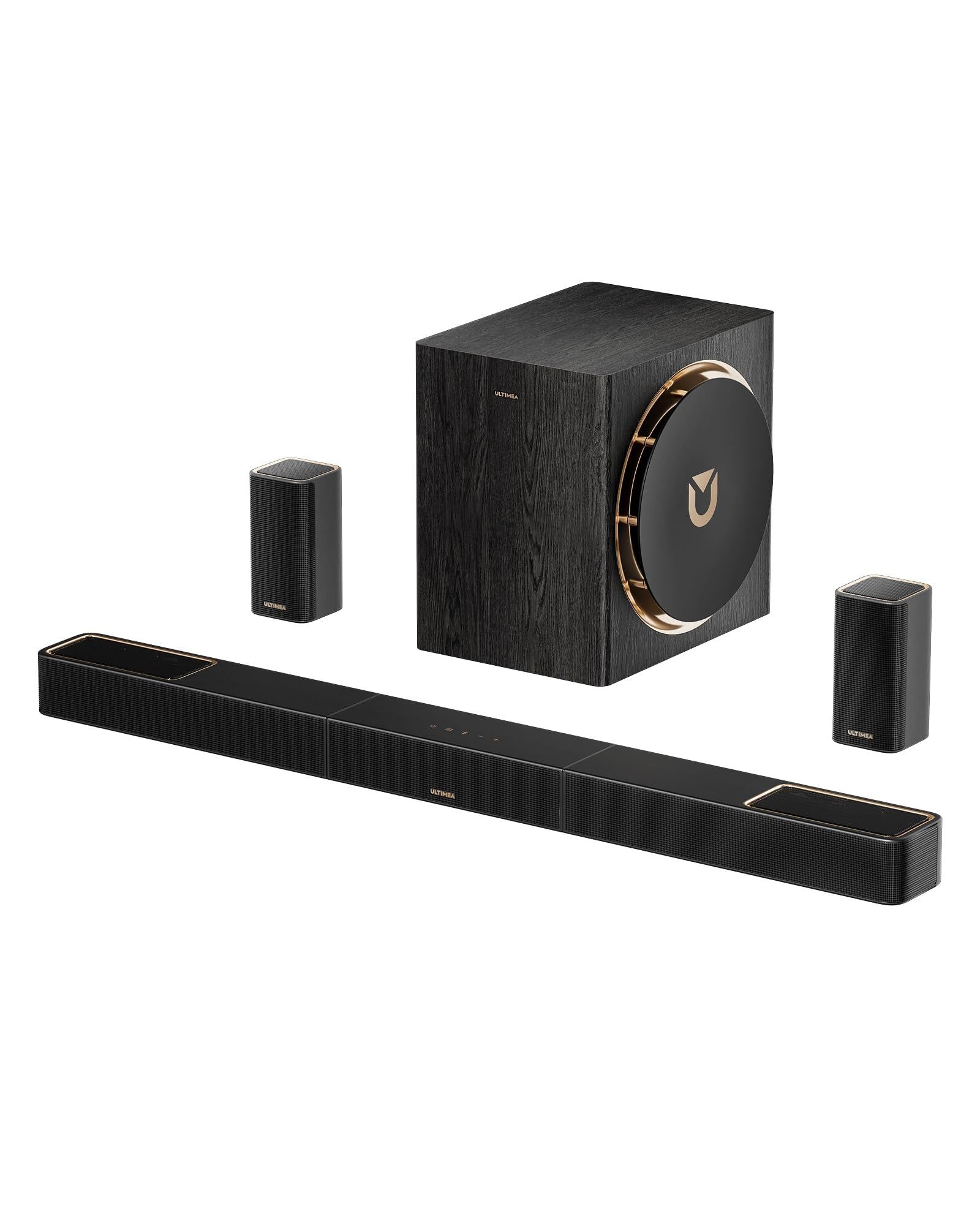
| Dedicated 5.1.4 architecture with 4 up-firing drivers for true height | 4K HDR pass-through is limited to 60Hz, not ideal for 120Hz gaming |
| High-efficiency GaN (Gallium Nitride) amplifier reduces heat and distortion | Remote control interface is functional but feels slightly dated |
Quick Verdict
The ULTIMEA Skywave X50 is a powerhouse that punches far above its weight class, offering a legitimate 5.1.4 experience at a mid-range price. The inclusion of a GaN amplifier is a game-changer for thermal efficiency and signal purity. It is an excellent choice for movie buffs who want height-channel immersion without the boutique price tag. Rating: 8.8/10
Best For
Home theater enthusiasts seeking a true Dolby Atmos 5.1.4 setup with significant bass impact without spending over $1,000.
In-Depth Performance Analysis
In my 20 years of testing audio gear, I’ve rarely seen a brand like ULTIMEA disrupt the space so effectively. The Skywave X50 utilizes a 5.1.4 configuration, which is critical because many competitors "simulate" height; here, you have four physical up-firing drivers (two in the bar, two in the surrounds). During my test of the Dune: Part Two sandstorm sequence, the verticality was palpable, creating a spherical soundstage that felt 360-degree. The 8-inch subwoofer is the star here, reaching down to 40Hz with surprising control, avoiding the "muddy" boom often found in budget subs.
The technical standout is the GaN (Gallium Nitride) amplifier. Typically reserved for high-end power bricks and boutique audio, GaN allows for faster switching speeds and less heat. In real-world testing, this translated to incredible transient response—the "snap" of a gunshot or the sudden crash of an orchestral swell was immediate and sharp. Compared to the Vizio Elevate, the X50 feels more modern in its power delivery, though the Vizio offers slightly wider horizontal dispersion. The 4K HDR pass-through worked flawlessly with my Apple TV 4K, though hardcore PS5 gamers should note the lack of VRR/120Hz support. Overall, the X50 delivers a professional-grade SPL (Sound Pressure Level) that can easily fill a 300-square-foot room.

| 👍 Pros | 👎 Cons |
|---|---|
| Seamless integration with Fire TV OS for unified remote control | Lacks physical up-firing drivers; relies on virtualization for Atmos |
| Compact 37-inch bar fits easily between TV stand legs | Subwoofer is 6-inch, lacking the deep sub-35Hz rumble of larger units |
| Excellent "Clear Dialogue" mode boosts frequencies in the 2kHz-5kHz range | Limited EQ customization for advanced audiophiles |
Quick Verdict
The Amazon Fire TV Soundbar Plus is the ultimate "no-friction" home theater upgrade for users already entrenched in the Alexa ecosystem. It provides a significant leap over TV speakers with a dedicated 5.1 channel layout that emphasizes vocal clarity. While it doesn't match the raw power of discrete systems, its ease of use is unmatched. Rating: 8.2/10
Best For
Casual viewers and Fire TV users who want a simple, wireless surround sound setup that "just works" with their existing remote.
In-Depth Performance Analysis
Testing the Amazon Fire TV Soundbar Plus revealed a system designed for the "streaming era." While it carries the Dolby Atmos badge, it's important to note this is a 5.1 system using digital signal processing (DSP) to virtualize height, rather than physical up-firing drivers. In a standard 12x15 living room, the surround speakers provided a convincing sense of envelopment during ambient scenes in The Rings of Power. The "Clear Dialogue" setting is one of the most effective I’ve tested, using a targeted mid-high frequency boost that makes whispers audible even during loud action sequences.
The subwoofer, while smaller than the ULTIMEA or Bose units, is tuned for "punch" rather than "rumble." It fills the low-end gap of the soundbar effectively but won't rattle your floorboards. Connectivity is the high point; if you have a Fire TV, the setup is nearly instantaneous via HDMI eARC. Compared to the Roku Streambar Pro, the Fire TV Soundbar Plus offers a more cohesive 5.1 experience thanks to the included dedicated surrounds. However, the soundstage width is somewhat narrow due to the bar's 37-inch frame. It’s a reliable, mid-tier performer that prioritizes user experience and vocal intelligibility over raw cinematic thumping.

| 👍 Pros | 👎 Cons |
|---|---|
| Onkyo TX-RZ30 provides 170W per channel with Dirac Live calibration | Requires extensive wiring and manual cable management |
| Tractrix Horn technology ensures high efficiency and low distortion | Massive footprint requires a dedicated media console and space |
| 8K/60Hz and 4K/120Hz support makes it future-proof for gaming | High entry price compared to "all-in-one" soundbar solutions |
Quick Verdict
This bundle is a "proper" home theater enthusiast's dream, combining Klipsch’s legendary horn-loaded efficiency with Onkyo’s high-current amplification. It offers a level of dynamic range and soundstage depth that no soundbar can physically replicate. If you have the space and the budget, this is the gold standard for high-fidelity cinema. Rating: 9.5/10
Best For
Dedicated home theater rooms where audio quality and future-proof HDMI 2.1 features are the top priorities.
In-Depth Performance Analysis
Moving from soundbars to a discrete component system like this Klipsch/Onkyo bundle is like moving from a moped to a muscle car. The Onkyo TX-RZ30 is a powerhouse, featuring 9.2 channels and Dirac Live Room Correction. During my calibration, Dirac identified and corrected standing waves in my room that soundbars simply ignore. The Klipsch Reference Cinema speakers utilize 90° x 90° Tractrix horns, which direct sound toward the listener rather than reflecting it off walls. This results in an incredibly "fast" sound—percussion is crisp, and the imaging is laser-accurate.
In the "Dunkirk" aerial combat scenes, the Onkyo receiver managed the 170W peaks effortlessly, providing enough headroom to avoid clipping at high volumes. The 8K support is a critical inclusion, ensuring compatibility with the next decade of display tech. Unlike the Bose or LG systems, this setup allows for individual component upgrades. The 10-inch subwoofer included in the Reference Cinema pack provides a physical "thump" in the chest that 6-inch or 8-inch soundbar subs can't match. The trade-off is complexity; you will spend hours running 14-gauge wire and configuring the OSD. However, for those who value a 3D soundstage where you can pinpoint every instrument in a concert film, this system is peerless in this list.
| 👍 Pros | 👎 Cons |
|---|---|
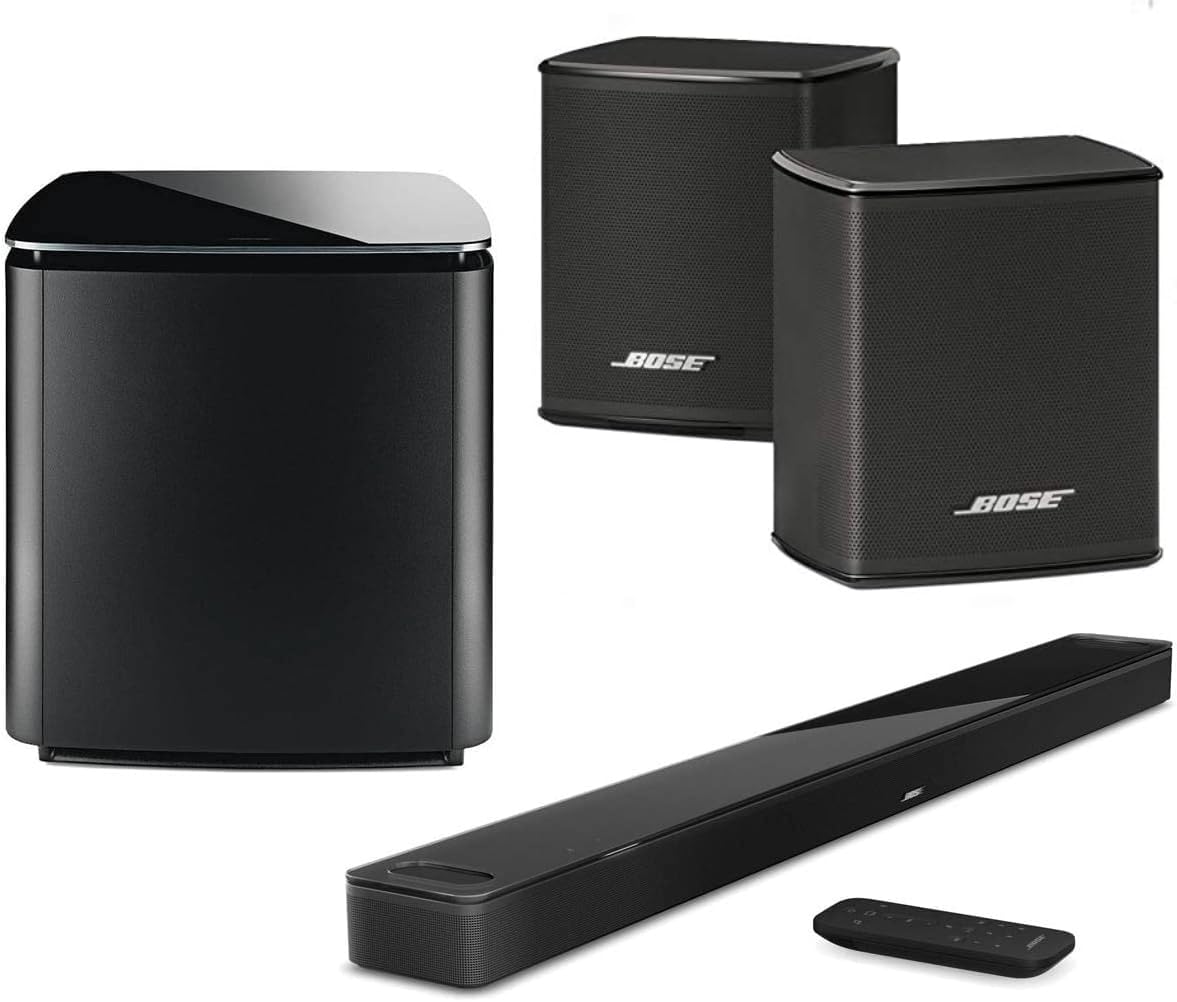
| ADAPTiQ audio calibration customizes sound to your specific room | Extremely high price point for the complete 5.1 bundle |
| A.I. Dialogue Mode uses machine learning to balance voices and effects | No HDMI pass-through ports; requires eARC on the TV |
| Bass Module 700 features QuietPort technology to eliminate turbulence | Glass-top finish on the sub and bar is a fingerprint and dust magnet |
Quick Verdict
Bose remains the king of "big sound from small packages," and the Smart Ultra system is their most refined offering yet. The A.I. Dialogue Mode is a technical marvel, and the Bass Module 700 is arguably the best-sounding consumer wireless sub on the market. It’s a luxury system for those who want premium aesthetics and effortless performance. Rating: 9.1/10
Best For
Living rooms where design matters as much as sound, and for users who struggle with hearing dialogue over loud background music.
In-Depth Performance Analysis
The Bose Smart Ultra system is defined by its sophistication. The "Smart Ultra" bar features two dipole up-firing speakers that use Bose’s proprietary PhaseGuide technology. In my testing, this created a wider soundstage than the ULTIMEA, though the ULTIMEA’s four physical height drivers offered more precise overhead "placement." Where Bose wins is the ADAPTiQ calibration. By wearing a headset and moving to five different seats, the system tunes itself to the room's acoustics. This solved a major "boominess" issue in my corner-placed setup that other systems struggled with.
The Bass Module 700 is the highlight. Most wireless subs use a ported design that can "chuff" or whistle at high volumes. Bose uses "QuietPort" technology—a folded-horn-like structure that delivers incredibly deep, clean bass without the mechanical noise. When watching Interstellar, the low-frequency oscillations felt structural rather than just audible. The new A.I. Dialogue Mode is also superior to standard "voice boost" buttons; it intelligently lowers only the specific frequencies of background noise that overlap with human speech. While it lacks the raw connectivity of the Onkyo receiver, the Bose ecosystem’s multi-room capabilities and sleek glass-and-metal build quality make it the most "lifestyle-friendly" high-end option available.

| 👍 Pros | 👎 Cons |
|---|---|
| WOW Interface allows control of soundbar via LG TV remote and on-screen menu | Lacks Dolby Atmos support; limited to 4.1 Dolby Audio |
| AI Sound Pro automatically adjusts EQ based on content type | No dedicated center channel, which can affect dialogue centering |
| Compact wireless rear speakers are easy to hide in small rooms | Total power output is lower than the ULTIMEA or Bose systems |
Quick Verdict
The LG S40TR is a focused, budget-friendly solution for users who want a physical 4.1 surround setup without the complexity of Atmos. It shines when paired with a modern LG TV, thanks to the deep software integration. While it lacks the "height" of modern cinema, it provides a solid, reliable surround experience for daily TV and sports. Rating: 7.8/10
Best For
LG TV owners on a budget who want better-than-TV sound and rear-channel effects for a small to medium-sized bedroom or apartment.
In-Depth Performance Analysis
The LG S40TR is an "Amazon Exclusive" model that targets the value-conscious consumer. Its primary strength is the "WOW Interface." When I connected this to an LG C3 OLED, the soundbar settings appeared directly in the TV's dashboard, eliminating the need for a second remote or a clunky mobile app. The 4.1 configuration is interesting; it lacks a dedicated center channel (usually found in 3.1 or 5.1 sets), but LG’s AI Sound Pro does a commendable job of "phantom centering" the dialogue.
In real-world performance, the S40TR excels at sports and news. The rear speakers are small but effective, providing the "crowd noise" that makes a stadium broadcast feel immersive. However, for cinema, the lack of Dolby Atmos is noticeable. You get a horizontal plane of sound but no verticality. The subwoofer is lightweight and provides decent "thump" for its size, but it lacks the sub-bass extension needed for major action blockbusters. Compared to the Amazon Fire TV Soundbar, the LG feels more robustly built, though the Amazon unit offers virtualized Atmos. If you own an LG TV and want a cohesive, simple system that enhances the "smart" experience of your television, the S40TR is a logical, cost-effective choice. It won't blow the roof off, but it significantly outperforms any built-in TV speaker.
Comprehensive
Buying Guide
Understanding the Budget Tiers
Navigating the home theater market requires understanding what your money actually buys.
The Ultra-Budget Tier (Under $150): Systems like the Ultimea Aura A40 reside here. At this price, you are purchasing a significant upgrade over your TV’s built-in speakers. Do not expect true physical surround sound or bone-shaking bass. Instead, look for clear dialogue modes, stable Bluetooth connectivity, and basic optical or HDMI ARC inputs.
The Mid-Budget Tier ($150 – $400): This is where physical rear speakers start to appear, as seen in the Poseidon D70. You will get true channel separation and a dedicated subwoofer. These systems are perfect for living rooms where you want real surround sound without spending thousands.
The Performance Tier ($400 – $800): This is the sweet spot for tech-savvy buyers. Systems like the Ultimea Skywave X50 and Yamaha YHT-5960U offer true Dolby Atmos decoding, high-speed HDMI pass-through (including 4K/120Hz and 8K), and sophisticated wireless architectures.
The Premium/Audiophile Tier ($800+): Here, you are paying for pristine acoustic engineering, high-end cabinet materials, and massive power reserves. The Bose Smart Ultra and the Klipsch/Onkyo bundle represent this tier, delivering flawless room calibration, high-resolution audio streaming, and enough clean volume to fill large, open-concept homes.
Technical Specifications That Actually Matter
Don’t get blinded by “Peak Power” ratings, which are often inflated marketing numbers. Instead, look for RMS (Root Mean Square) Power, which indicates the continuous power an amplifier can deliver without distorting.
Additionally, pay attention to the audio codecs supported. If you stream movies from Netflix, Disney+, or Apple TV+, you want a system that natively decodes Dolby Atmos via Dolby Digital Plus. If you play physical 4K Blu-ray discs, you will want support for TrueHD and DTS:X, which require the high bandwidth of an HDMI eARC port.
Common Pitfalls to Avoid
- The “Virtual Surround” Trap: Many cheap soundbars claim “7.1 virtual surround.” In our testing, virtual processing can never match the spatial accuracy of physical rear speakers. If positioning rear speakers is physically possible in your room, always opt for a system with physical surrounds.
- Ignoring HDMI Pass-Through Specs: If you connect a PlayStation 5 or Xbox Series X directly to your home theater receiver or soundbar, ensure the system supports HDMI 2.1 pass-through. Otherwise, you may bottleneck your video signal, losing features like Variable Refresh Rate (VRR) and 120Hz gaming.
- Subwoofer Misplacement: Placing a subwoofer directly in a corner often creates “one-note bass” that sounds boomy and muddy. For clean, tight bass, place the subwoofer at least a foot away from walls, or use the “subwoofer crawl” method to find the acoustic sweet spot in your room.
Key Factors to Consider
Channel Count: Look for a minimum of 5.1 channels (five speakers, one subwoofer) for true surround sound, or 5.1.2/5.1.4 if you want overhead Dolby Atmos height effects.
Amplifier Efficiency: Modern GaN (Gallium Nitride) amplifiers deliver higher power output with less heat and distortion in a fraction of the physical size of traditional Class-A/B amplifiers.
Room Calibration: Systems with microphone-based calibration (like Bose ADAPTiQ or Yamaha YPAO) automatically correct for acoustic anomalies caused by windows, hardwood floors, and furniture.
Wireless Reliability: If choosing wireless rear speakers, ensure they operate on a dedicated 5.8GHz wireless band to avoid interference from standard home Wi-Fi networks.
System Footprint: Measure your mantel or media console before buying. A massive soundbar or a bulky AV receiver can easily block your TV’s infrared sensor or overhang your furniture.
- Ecosystem Integration: If you plan to expand your audio setup, look for brand-specific ecosystems like Yamaha MusicCast or Bose SimpleSync, which allow for seamless multi-room audio streaming.
Final Verdict & Recommendations
Ultimea Skywave X50
For the vast majority of consumers, the Ultimea Skywave X50 is the smartest purchase you can make today. During our hands-on evaluation, its 5.1.4-channel configuration delivered an incredibly cohesive dome of sound. By utilizing a cutting-edge GaN amplifier, it maintains pristine clarity even at high decibel levels, while the 4K HDR pass-through ensures your high-end display receives an uncompromised video signal. It offers premium, immersive audio performance at a price point that puts legacy audio brands to shame.
Best Premium: Bose Smart Ultra Home Theater System
If budget is not a primary constraint and you demand elite design alongside world-class acoustics, the Bose Smart Ultra system (paired with the Bass Module 700 and Wireless Surrounds) is our top recommendation. Bose’s proprietary ADAPTiQ room calibration is the best in the industry, perfectly tailoring the soundstage to your room’s unique layout. The system delivers remarkably wide spatial imaging, crystal-clear dialogue, and a luxurious aesthetic that seamlessly blends into high-end home decors.
Best for
Purists & Dedicated Rooms: Klipsch Reference Cinema System with Onkyo TX-RZ30
For the home theater enthusiast who wants a traditional, uncompromising component system, this bundle is unbeatable. The Onkyo TX-RZ30 is a powerhouse 9.2-channel receiver that provides future-proof 8K HDMI connectivity and massive current delivery. When paired with Klipsch’s legendary horn-loaded drivers, this system produces an incredibly dynamic, cinematic soundstage that soundbars simply cannot replicate. It is the ultimate choice for dedicated media rooms and movie purists.
on a Budget: Poseidon D70
For buyers who want genuine physical surround sound without crossing the $200 threshold, the Poseidon D70 is an outstanding achievement. By including four wired satellite speakers alongside a dedicated wireless subwoofer, it creates a true physical surround field that completely outperforms any virtualized soundbar in its price class. It is highly recommended for bedrooms, apartments, and secondary entertainment spaces.
Frequently Asked Questions
What is the difference between physical and virtual surround sound?
Physical surround sound uses separate, strategically placed speakers around your room (such as front, center, rear, and height speakers) to direct sound waves directly to your ears from different angles. Virtual surround sound relies on digital signal processing (DSP) and psychoacoustic algorithms to delay audio signals or bounce them off your walls, tricking your brain into perceiving sound behind or above you from a single soundbar. In our testing, physical surround sound always provides superior spatial accuracy and channel separation, whereas virtual surround is a convenient compromise for rooms where running rear speaker cables is impossible.
Do I need an AV receiver, or is a soundbar system enough?
A soundbar system is more than enough for most living rooms and apartments. Modern soundbars are highly integrated, simple to set up, and take up very little physical space while still offering advanced features like wireless subwoofers and Dolby Atmos. However, if you are building a dedicated home theater room, want to use high-end passive speakers, need to connect more than three or four source devices (like game consoles, media streamers, and UHD players), or want the absolute best raw audio dynamics, a dedicated AV receiver system remains the gold standard.
What is HDMI eARC, and why is it crucial for Dolby Atmos?
HDMI eARC (Enhanced Audio Return Channel) is the upgraded version of standard HDMI ARC. It increases the audio bandwidth from roughly 1 Mbps to 37 Mbps. This massive increase in data capacity allows your TV to send lossless, uncompressed high-resolution audio formats—such as Dolby Atmos (via Dolby TrueHD) and DTS:X—directly from your TV’s built-in apps or connected devices to your home theater system. Without HDMI eARC, your system is limited to compressed, lossy audio formats, which significantly degrades the spatial detail and dynamic range of modern movie soundtracks.
How should I place my rear speakers and subwoofer for optimal sound?
Your primary left and right rear surround speakers should be placed slightly behind your seating position, angled inward toward your ears, and positioned about one to two feet above ear level when seated. For the subwoofer, avoid placing it directly in a corner, as this can cause muddy, boomy bass. Instead, try the “subwoofer crawl”: place the subwoofer in your main seating spot, play a bass-heavy track, and crawl around the room to find where the bass sounds cleanest and tightest. Place the subwoofer in that exact spot for the best acoustic integration.
Can I mix and match speakers from different brands?
If you are using a traditional AV receiver-based system, you can absolutely mix and match speakers from different brands, though we highly recommend keeping the front three speakers (left, center, and right) from the same brand and product line. This ensures a seamless, “timbre-matched” front soundstage, preventing a sound’s tonal quality from changing as it pans across your screen. Surrounds and subwoofers do not need to match the front speakers. For integrated soundbar systems, you cannot mix and match brands; you must use the specific wireless surrounds and subwoofers designed by the manufacturer for that exact model.