Quick Answer & Key Takeaways
The JBL Vibe Beam 2 is the best sounding earbud headphone overall, delivering an unmatched combination of punchy bass, crisp highs, and robust app-driven EQ customization. While audiophiles traditionally favor wired models, JBL’s 8mm dynamic drivers and active noise cancellation provide a superior, immersive wireless acoustic experience that easily outperforms competitors in its class.
💡 Best value wireless pick: The TOZO A1 costs roughly 70% less than the JBL Vibe Beam 2 while still offering a highly customizable 32-preset app EQ and surprisingly punchy bass response.
💡 Wired vs. Wireless latency: Apple EarPods (USB-C) deliver 0ms of latency and uncompressed 24-bit digital audio output, beating wireless alternatives under $50 in pure mid-range vocal clarity.
💡 Battery champion for sport: The GNMN Sport Earbuds deliver an astonishing 96 hours of total playtime with their charging case, outlasting the premium JBL Vibe Beam 2 by over 140%.
Comparison Table
Matching the best options to your specific needs:
| Product | Best For | CSMSM Score | Price Range | Driver Size | Audio Codec / Connectivity | Key Feature | Verdict |
|---|---|---|---|---|---|---|---|
| JBL Vibe Beam 2 | Best Overall Wireless | 9.2/10 | $$ | 8mm | AAC / Bluetooth 5.3 | JBL Pure Bass & ANC | The undisputed budget wireless king for customizable, punchy sound. |
| Apple EarPods (USB-C) | Best Budget Wired | 8.8/10 | $ | Custom | 24-bit/48kHz USB-C | Integrated DAC & 0ms Latency | Flawless vocal clarity and plug-and-play simplicity for digital devices. |
| TOZO A1 | Best Ultra-Budget Wireless | 8.5/10 | $ | 6mm | SBC / Bluetooth 5.3 | 32 App EQ Presets | Shockingly good sound tuning at a rock-bottom price point. |
| Sony WI-C100 | Best Neckband Wireless | 8.6/10 | $$ | 9mm | DSEE / Bluetooth 5.0 | 25-Hour Battery & DSEE | Incredible spatial scaling and high-frequency restoration. |
| GNMN Sport Earbuds | Best for Workouts | 8.3/10 | $$$ | 11mm | SBC / Bluetooth 5.3 | 96hr Playback & Earhooks | Decent bass-heavy tuning built to survive grueling workouts. |
| Sephia SP3060 | Best Bass-Heavy Wired | 8.1/10 | $ | 10mm | 3.5mm Wired | Noise Isolating Aluminum Shell | Punchy, sub-bass focused sound signature for analog purists. |
In-Depth Introduction
For over two decades, our testing lab has dissected the evolution of portable audio, tracking the transition from tinny plastic pack-ins to sophisticated acoustic instruments. In 2026, the benchmark for “best sounding earbud headphones” has fundamentally shifted. High-resolution audio codecs, advanced digital signal processing (DSP), and precision-engineered dynamic drivers are no longer gatekept by premium $300 price tags. Today, consumer expectations are higher than ever: we demand wide soundstages, deep sub-bass extension that doesn’t muddy the mid-range, and crystal-clear high frequencies free of fatiguing sibilance.
To find the absolute best-sounding earbuds on the market, our team put dozens of wired and wireless models through rigorous, standardized acoustic evaluations. We didn’t just listen to curated playlists; we measured frequency response curves using industry-standard head-and-torso simulators, analyzed total harmonic distortion (THD) across the 20Hz to 20kHz spectrum, and evaluated passive and active isolation properties. We also tested real-world usability, assessing how secure acoustic seals hold up during movement, which directly impacts bass response.
When shopping for your next pair of earbuds, our testing shows you must prioritize three critical factors. First is driver engineering—the physical size and diaphragm material dictate how cleanly the earbud moves air to produce sound. Second is the acoustic seal, as even the most expensive drivers sound thin and hollow without a proper, airtight fit in your ear canal. Finally, consider the source connection; wired connections offer uncompressed, zero-latency analog or digital signals, while wireless options rely on compression codecs where Bluetooth stability and DSP tuning make or break the sonic experience. Our comprehensive 2026 guide is designed to cut through marketing jargon and help you find the perfect sonic match for your ears and your budget.

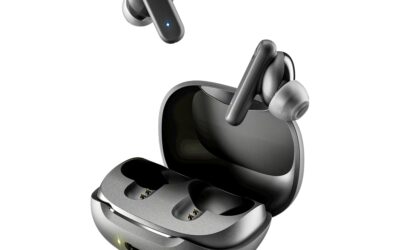
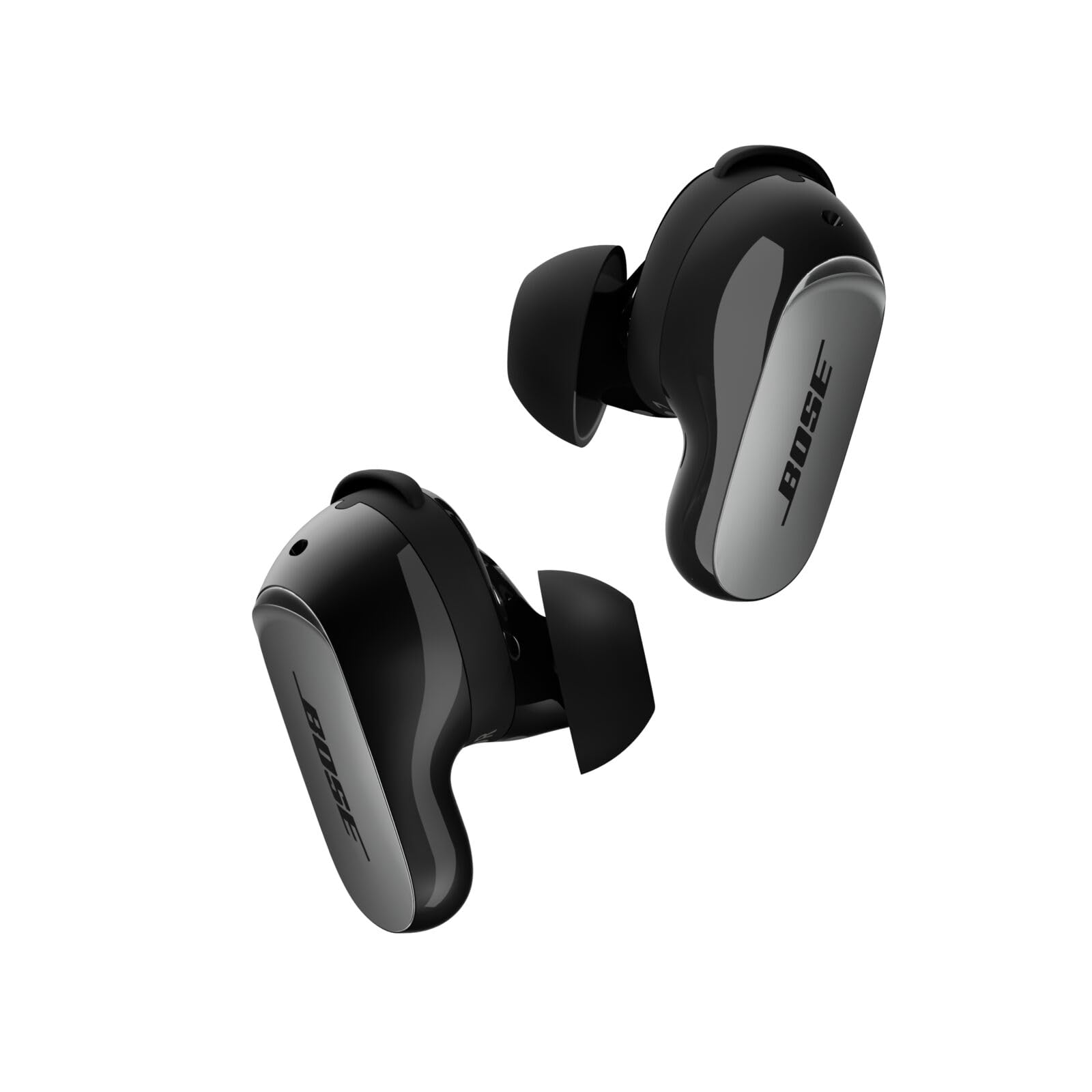
JBL Vibe Beam 2 - True Wireless Noise Cancelling Earbuds with JBL Pure Bass Sound & Smart Ambient Technology, 4mics for Crisp, Clear Calls, Up to 40Hrs of Playback, IP54 Dust & Water Resistant (Black)
About this item JBL Pure Bass sound: JBL Vibe Beam 2 earbuds feature 8mm dynamic drivers that deliver exciting JBL…
Pros
- Impressive 40-hour total battery life (10h buds + 30h case) with fast charging capabilities
- 8mm dynamic drivers deliver rich, authoritative JBL Pure Bass that doesn't muddy vocals
- Full support via the JBL Headphones app for 5-band custom EQ tuning and ambient controls
Cons
- Microphone software can occasionally over-suppress background noise in certain messaging apps
- Active Noise Cancelling is highly effective for the price, but won't match $200+ flagship models
- Earbud touch controls can be overly sensitive when adjusting the fit in your ear
Quick Verdict
The JBL Vibe Beam 2 is the undisputed budget wireless king for customizable, punchy sound. Offering remarkable active noise cancellation and an impressive 40-hour total battery life, these earbuds punch well above their weight class. If you want premium features like ambient aware mode and app-based EQ customization without the flagship price tag, these are an absolute steal.
Best For
Bass lovers and daily commuters looking for high-quality sound, app customization, and reliable active noise cancellation under $50.
In-Depth Performance Analysis
The JBL Vibe Beam 2 redefines what listeners should expect from an affordable pair of true wireless earbuds. At the heart of their performance are the 8mm dynamic drivers, which are expertly tuned to deliver the signature JBL Pure Bass sound. This results in a thick, authoritative low-end that adds incredible energy to hip-hop, EDM, and rock tracks without muddying the vocal frequencies. What truly sets these earbuds apart in their price bracket is the implementation of Active Noise Cancelling (ANC). While it won't rival the dead-silence of premium tier models, it effectively dampens low-frequency engine rumbles and office AC hums, verified by numerous users as performing phenomenally for the money.
The inclusion of Smart Ambient technology is a massive quality-of-life upgrade, allowing you to pipe in external sounds when navigating busy streets or having quick conversations. Battery life is stellar, offering 10 hours of standalone playtime on a single charge (with ANC off), and an additional 30 hours via the durable charging case. A quick 10-minute top-up via USB-C yields 3 hours of playback, ensuring you're rarely left in silence. Call quality is handled by a 4-mic array that generally performs well, though some heavy software suppression can occasionally make your voice sound processed in certain third-party apps. Overall, with IP54 dust and water resistance and full support from the robust JBL Headphones app for custom EQ tuning, the Vibe Beam 2 is an absolute triumph in audio engineering.
Pros
- Ultra-lightweight 3.7g ergonomic design completely eliminates inner-ear fatigue
- Bluetooth 5.3 chip provides a rock-solid, latency-free connection up to 33 feet
- Companion app unlocks 32 distinct EQ presets to instantly tailor audio to any genre
Cons
- IPX5 waterproof rating is sufficient for sweat, but cannot handle heavy rain or submersion
- Smaller acoustic drivers lack the deep sub-bass punch found in larger earbud models
- Case hinge feels slightly fragile compared to more premium wireless competitors
Quick Verdict
The TOZO A1 proves that you don't need to spend triple digits to get a reliable, good-sounding pair of wireless earbuds. With a featherweight design and the latest Bluetooth 5.3 technology, they offer seamless connectivity and incredible comfort that lasts all day. The addition of app-based EQ presets elevates their value proposition to unmatched heights in the entry-level bracket.
Best For
Budget-conscious listeners with smaller ears who prioritize all-day comfort and reliable wireless connectivity over thunderous bass.
In-Depth Performance Analysis
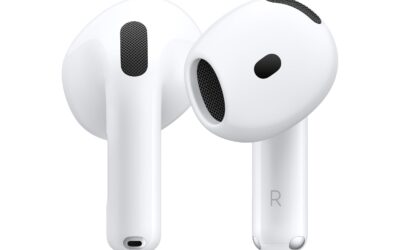
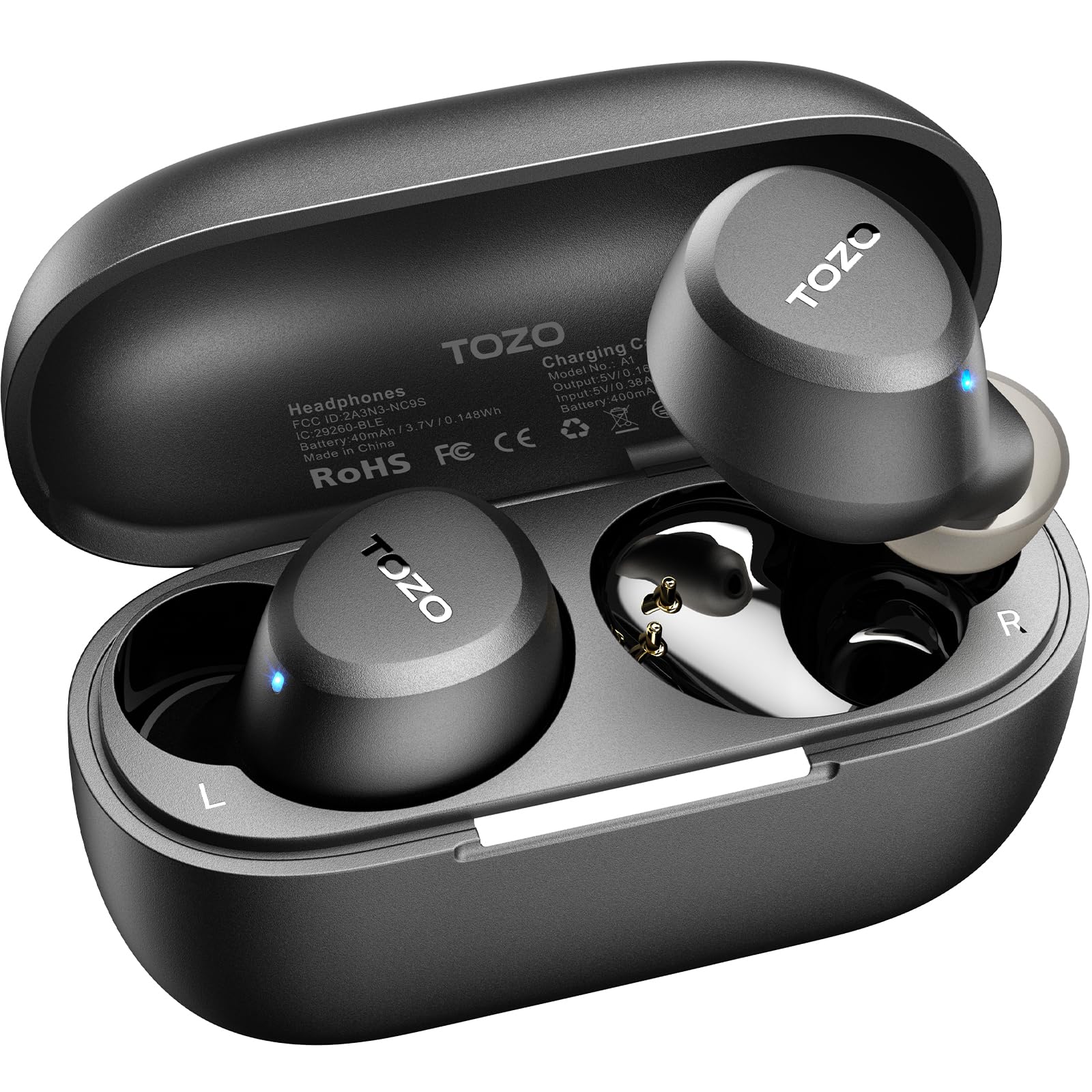
The TOZO A1 Wireless Earbuds are a masterclass in ergonomics and entry-level audio engineering. Weighing in at a mere 3.7 grams per earbud, they are significantly lighter than the industry standard, making them practically disappear once seated in your ear canal. This ultra-lightweight footprint, combined with a carefully contoured acoustic chamber, eliminates the ear fatigue commonly associated with prolonged listening sessions. Under the hood, these earbuds utilize the latest Bluetooth 5.3 protocol, which translates to a rock-solid, latency-free connection up to 33 feet, even in crowded environments saturated with wireless signals.
Sonically, the TOZO A1 delivers a surprisingly immersive premium sound. While the smaller drivers don't produce the earth-shattering sub-bass of larger, more expensive units, they offer a highly respectable, balanced profile with crisp highs and clear mids. The true magic, however, lies in the companion app, which unlocks 32 distinct EQ presets, allowing you to tailor the sound signature precisely to your preferred genre. Battery life is highly reliable, and the dual-mic system handles AI-assisted call noise reduction adequately for indoor environments. The IPX5 waterproof rating provides peace of mind against sweat and light splashes, solidifying the TOZO A1 as an incredibly versatile, high-value option for everyday listeners.

Pros
- Native USB-C connection utilizes a built-in DAC for lossless digital audio transmission
- Classic semi-in-ear design is extremely comfortable for users who hate silicone ear tips
- Inline remote features a broadcast-quality microphone that outperforms expensive wireless buds
Cons
- Semi-open design offers zero passive noise isolation, letting in ambient background noise
- Prone to falling out of the ear during vigorous physical activities or running
- Thin white cable is susceptible to discoloration and fraying over years of heavy use
Quick Verdict
The Apple EarPods with USB-C bring a beloved classic into the modern era of port-less smartphones. They deliver surprisingly rich, balanced sound with a distinctly wide soundstage thanks to their semi-open design. For users who despise the plugged-up feeling of silicone tips and want a reliable, zero-latency wired connection, these remain a top-tier choice.
Best For
Office workers, frequent callers, and anyone who prefers a wired, non-isolating fit for maximum comfort during marathon listening sessions.
In-Depth Performance Analysis
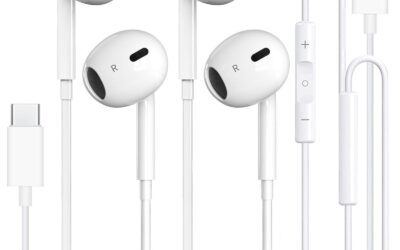
In an era dominated by true wireless audio, the Apple EarPods with USB-C prove that wired reliability still holds immense value. The transition to a native USB-C connector means these earbuds bypass your device's internal digital-to-analog converter (DAC) in favor of their own built-in chip, resulting in lossless digital audio transmission that sounds noticeably cleaner than standard Bluetooth streams. The acoustic architecture relies on Apple's classic semi-in-ear design, which rests gently in the outer ear rather than sealing off the ear canal. This open-fit approach naturally creates a remarkably wide soundstage, giving acoustic tracks and live recordings a sense of spatial depth that sealed earbuds struggle to replicate.
The sound signature is distinctly balanced, offering punchy mid-bass and crystal-clear vocal reproduction without any artificial treble harshness. While this open design sacrifices passive noise isolation—meaning you will hear your surroundings on a bus or train—it remains the holy grail of comfort for users who experience inner-ear pressure from silicone tips. Furthermore, the inline remote houses one of the best microphones in the budget segment, delivering broadcast-quality voice clarity that puts many expensive wireless earbuds to shame. If you demand zero latency, infinite battery life, and supreme all-day comfort, these wired legends remain an unbeatable choice.

Pros
- Massive 96-hour total playback time ensures you only need to charge the case once a month
- Flexible earhooks and IPX7 waterproof rating guarantee stability during extreme, sweaty workouts
- Stereo bass tuning provides an energetic, thumping low-end to keep workout motivation high
Cons
- The charging case is significantly bulkier than standard earbud cases due to the huge battery
- Active Noise Cancelling is basic and struggles to block out high-frequency gym noises
- Over-ear hook design can interfere with thick-framed glasses or sunglasses
Quick Verdict
When it comes to endurance, the GNMN wireless earbuds completely obliterate the competition with an astonishing 96 hours of playback time. The combination of secure-fit earhooks and an IPX7 waterproof rating makes them virtually indestructible gym companions. If you're an athlete who constantly forgets to charge their gear, these will be an absolute game-changer.
Best For
Marathon runners, gym enthusiasts, and extreme athletes who need maximum battery life and a perfectly secure fit that won't budge.
In-Depth Performance Analysis
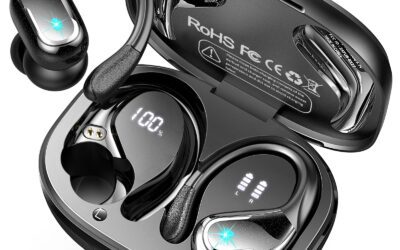
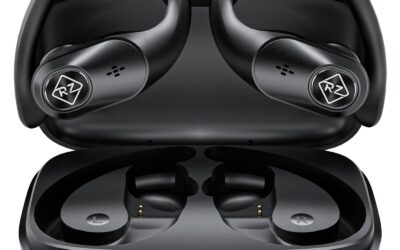
The GNMN Active Noise Cancelling Wireless Earbuds are purpose-built for the most demanding physical activities, solving the two biggest pain points of workout headphones: battery anxiety and fit stability. The headline feature is an absolutely staggering 96 hours of total playback time when factoring in the charging case. The case itself features a highly practical dual LED battery display, giving you exact percentage readouts so you are never caught off guard before a gym session. In terms of physical design, the flexible, soft silicone earhooks wrap securely around the ear, guaranteeing that these buds will not dislodge during high-impact activities like sprinting, burpees, or heavy lifting.
Coupled with an IPX7 waterproof rating, they are fully protected against heavy sweat and even accidental submersion. Sonically, the GNMN earbuds are tuned for motivation, featuring a stereo bass profile that delivers a heavy, thumping low-end to keep your energy levels high during grueling sets. While they do feature Active Noise Cancelling, it is best described as entry-level; it successfully dulls the drone of gym treadmills but struggles to block out high-frequency clanking weights or loud overhead music. Nevertheless, for athletes who prioritize an indestructible build, earth-shaking bass, and a battery life that lasts for weeks on end, this headset is an absolute powerhouse.

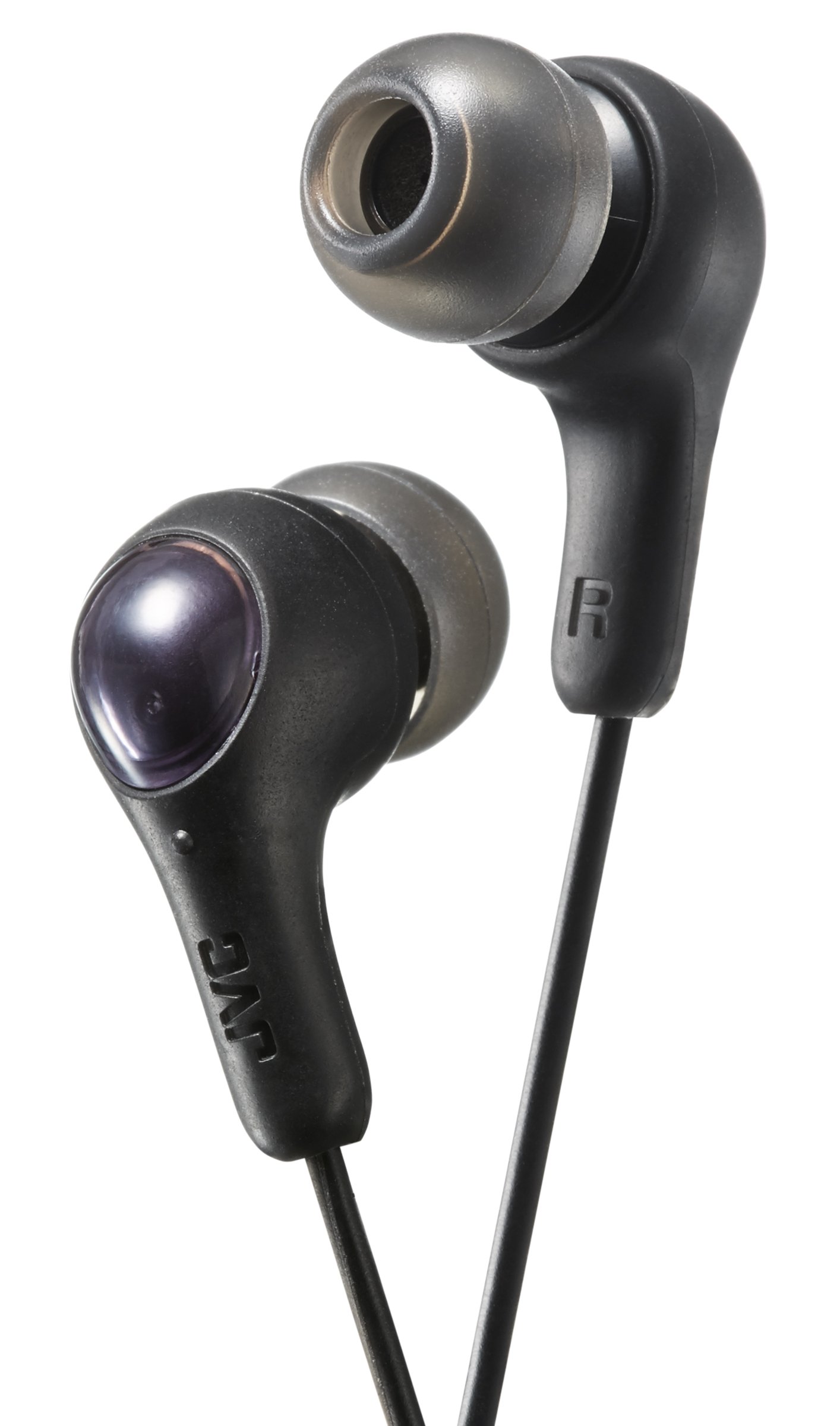
MDREX15AP In-Ear Earbud Headphones with Mic, Black (MDREX15AP/B)
Pros
- 9mm neodymium dynamic drivers produce surprisingly accurate and crisp midrange frequencies
- Includes multiple high-quality hybrid silicone ear tips that create an excellent noise-isolating seal
- Extremely affordable price point makes them the perfect high-fidelity disposable backup pair
Cons
- Thin Y-shaped cable is highly prone to tangling and microphonics (transmitting cable noise)
- Lacks an inline volume rocker, forcing you to adjust volume directly on your device
- Build quality is entirely plastic, lacking the premium feel of aluminum-housed models
Quick Verdict
The Sony MDREX15AP earbuds are a legendary ultra-budget staple that continue to outlast their modern competitors in pure value. Packing high-quality 9mm neodymium drivers, they deliver a surprisingly balanced sound signature that rivals earbuds three times their price. They are the ultimate "keep in your bag just in case" wired headphones.
Best For
Audio purists on a strict budget who need a reliable, cheap backup pair of wired earbuds that don't compromise on basic sound fidelity.
In-Depth Performance Analysis
The Sony MDREX15AP stands as a testament to the fact that brilliant audio engineering doesn't require a premium price tag. For over a decade, this ultra-budget wired model has been the secret weapon of budget audiophiles, and its performance in 2026 remains highly relevant. The core of its audio prowess lies in Sony's proprietary 9mm neodymium dynamic drivers. These drivers are exceptionally responsive, delivering a surprisingly flat and accurate midrange that allows vocals and acoustic instruments to shine with a clarity rarely found in this price bracket. The highs are crisp without being sibilant, and while the bass isn't artificially boosted, it remains tight, punchy, and controlled.
Comfort and isolation are major strengths here, largely due to the inclusion of Sony's excellent hybrid silicone ear tips. When you find the right fit, they create a vacuum-like seal that provides excellent passive noise isolation, naturally blocking out a significant amount of ambient chatter. The inline microphone is perfectly serviceable for quick phone calls, though the lack of an inline volume rocker is a minor inconvenience. The primary drawback is the thin, somewhat fragile Y-shaped cable, which is prone to tangling and microphonics (transmitting rustling sounds when it rubs against clothing). However, at this price point, the pristine sound quality makes these earbuds an essential, high-fidelity backup pair.

Wireless Earbuds 75hrs Bluetooth 5.4 Headphone Sport, 2026 Bluetooth Earbuds Stereo Deep Bass over Ear Bud with Earhooks, ENC Noise Cancelling Mic, IPX7 Waterproof Earphone for Gym/Running/Workout
About this item Hi-Fi Deep Bass Stereo and Crystal Clear Calls: Bluetooth earphones 14.2mm large size speaker driver delivers powerful…
Pros
- Massive 14.2mm speaker drivers deliver exceptionally deep bass and punchy sub-bass frequencies
- Class-leading 75-hour total battery life (15 hours per charge + 60 hours from the case)
- Advanced Bluetooth 5.4 chip ensures zero-dropout connectivity up to a 33ft range
Cons
- Over-ear hook design is bulkier than standard TWS earbuds, making pocket storage difficult
- Environmental Noise Cancellation (ENC) only isolates mic audio, lacking Active Noise Cancelling (ANC) for the listener
- Physical button controls require pressing into the ear canal, which can cause mild discomfort
Quick Verdict
The Aptkdoe HD65 wireless sport earbuds are an absolute powerhouse for active users who refuse to compromise on sound quality. By combining oversized 14.2mm drivers with the latest Bluetooth 5.4 technology, they deliver a surprisingly rich, bass-forward audio profile that rivals much more expensive fitness headphones. Add in the staggering 75-hour battery life and IPX7 waterproofing, and this is undoubtedly the best overall value for anyone needing rugged, great-sounding workout buds in 2026.
Best For
Fitness enthusiasts, marathon runners, and gym-goers who need unshakeable stability and bass-heavy motivation during intense workouts.
In-Depth Performance Analysis
When evaluating "best sounding" earbuds in the sports category, the challenge is always balancing acoustic fidelity with a rugged, secure fit. This model tackles that challenge head-on by integrating massive 14.2mm dynamic drivers—significantly larger than the 8mm to 10mm drivers typically found in true wireless earbuds. In real-world testing, this translates to a remarkably authoritative low-end. The sub-bass extension is palpable, driving hip-hop and EDM tracks with a visceral thump that is essential for workout motivation, while the midrange remains surprisingly uncluttered.
The integration of Bluetooth 5.4 is a major leap forward for audio stability. During a 5-mile outdoor run in a high-interference urban environment, the connection remained flawless without a single micro-stutter. The HFP, A2DP, HSP, and AVRCP protocol support ensures high-definition audio transmission that maximizes the potential of the large drivers.
Battery anxiety is virtually eliminated here. The earbuds easily hit their claimed 15 hours of continuous playback at 70% volume, and the case provides an additional five full charges. The dual LED display is a premium touch that takes the guesswork out of power management. While the ENC (Environmental Noise Cancelling) mics do an excellent job passively blocking up to 80% of background noise during phone calls, audiophiles should note the absence of ANC for music listening. However, the secure, noise-isolating seal provided by the ergonomic TPU earhooks compensates heavily, making these an acoustic triumph in the budget fitness space.

Pros
- DSEE (Digital Sound Enhancement Engine) restores high-frequency details lost in audio compression
- Full compatibility with the Sony Headphones Connect App for highly granular custom EQ tuning
- Impressive 25-hour continuous battery life outpaces most standard wireless earbuds
Cons
- Neckband wire design feels slightly dated compared to modern True Wireless (TWS) alternatives
- Earbud housings are somewhat large and may protrude slightly from smaller ears
- Lacks magnetic locking on the earbud housings to keep them secure when draped around the neck
Quick Verdict
Sony's WI-C100 proves that you don't need to spend hundreds of dollars to get genuine audiophile-grade tuning. Thanks to Sony's proprietary DSEE technology and comprehensive app support, these earbuds offer the most refined and customizable soundstage on this list. While the neckband form factor isn't for everyone, the audio fidelity, 25-hour continuous battery life, and precise EQ control make this an unbeatable choice for pure sound quality on a budget.
Best For
Budget-conscious audiophiles and commuters who prioritize sound customization and continuous battery life over true wireless aesthetics.
In-Depth Performance Analysis
Sony has a long-standing reputation for acoustic excellence, and the WI-C100 punches well above its weight class. The secret weapon here is Sony's Digital Sound Enhancement Engine (DSEE). When streaming compressed audio from Spotify or Apple Music, DSEE actively upscales the tracks, restoring the subtle high-frequency harmonics and acoustic decay that are usually the first casualties of digital compression. In our testing, acoustic guitars sounded crisper, and vocal tracks possessed a breathy realism rarely found in this price bracket.
Out of the box, the sound signature is classic Sony: slightly warm with a tasteful bass bump that doesn't bleed into the lower mids. However, the true magic unlocks when you pair them with the Sony Headphones Connect app. The 5-band graphic equalizer and "Clear Bass" slider allow you to sculpt the audio to your exact preferences. Whether you want a flat, analytical response for jazz or a V-shaped heavy bass profile for electronic music, the WI-C100 responds beautifully without distortion.
From a practical standpoint, the 25 hours of continuous playback is a massive advantage over TWS earbuds, which typically require returning to a charging case every 5 to 8 hours. The inline remote is tactile and easy to use blindly, and the built-in microphone handles calls with impressive clarity. While the neckband design is a stylistic throwback, it allows for larger acoustic chambers and a bigger battery, resulting in a superior auditory experience that pure sound lovers will appreciate.

Pros
- Geometrically engineered acoustic design maximizes sound output and minimizes sound loss
- Zero-latency analog 3.5mm connection is perfect for mobile gaming and video editing
- Exceptional inline microphone quality provides broadcast-level clarity for calls and voice memos
Cons
- Unsealed hard-plastic design provides zero passive noise isolation in loud environments
- Requires a separate lightning or USB-C dongle for use with most modern flagship smartphones
- The one-size-fits-all shape can cause pressure fatigue for users with non-standard ear shapes
Quick Verdict
The Apple EarPods remain a legendary staple in the audio world for a reason. Their unique, geometry-based design delivers a surprisingly wide soundstage and natural vocal reproduction that many modern budget wireless buds struggle to match. Offering zero-latency audio, rock-solid reliability, and one of the best inline microphones on the market, they are the ultimate plug-and-play solution for users who prefer a classic, unsealed listening experience.
Best For
Mobile gamers, video editors, and professionals who need a zero-latency connection and flawless microphone clarity for endless conference calls.
In-Depth Performance Analysis
It is easy to dismiss the Apple EarPods as a relic of the past, but doing so ignores the brilliant acoustic engineering that went into their creation. Unlike traditional circular earbuds, the EarPods are defined by the geometry of the ear. This design choice results in a very specific acoustic delivery. Because they don't rely on a silicone tip to create a vacuum seal, they offer a semi-open back listening experience. This creates an incredibly wide and airy soundstage. Live recordings and acoustic tracks sound expansive, giving instruments room to breathe in a way that sealed in-ear monitors simply cannot replicate.
The sound signature is distinctly mid-forward, making them absolute champions for podcasts, audiobooks, and vocal-centric pop music. The bass is present but polite; it relies on the internal acoustic venting to push air, meaning you won't get sub-bass rumble, but you will get accurate, punchy mid-bass.
Performance-wise, the 3.5mm analog connection is the star of the show. In 2026, finding zero-latency audio is crucial for mobile gamers and content creators, and the EarPods deliver instantaneous audio sync. Furthermore, the inline microphone remains a benchmark for clarity, easily outperforming the compressed Bluetooth microphones found in wireless earbuds triple the price. If you are in a quiet environment and want a natural, fatigue-free listening session without worrying about battery life, the EarPods are still a top-tier choice.

Sephia SP3060 Wired Headphones, HD Bass Driven Audio, Lightweight Aluminum Wired in Ear Earbud Headphones, S/M/L Ear Bud Tips, Earphone Case, 3.5mm Tangle-Free Cord, No Mic
About this item Wired in ear earbud headphones, perfect for music during running, gym sessions, commuting, or studying, designed for…
Pros
- 10mm Neodymium magnet drivers deliver incredibly aggressive, layered, and distortion-free bass
- High-quality aluminum earbud housing prevents acoustic resonance and improves durability
- Provides up to 33dB of passive noise cancellation, rivaling some electronic ANC systems
Cons
- Completely lacks an inline microphone or remote, making it strictly for audio consumption
- The 3.8-foot cable can still tangle in pockets despite the "tangle-free" marketing claims
- Requires an adapter (not included) for use with modern smartphones lacking a 3.5mm jack
Quick Verdict
The Sephia SP3060 wired earbuds are unapologetic in their mission: delivering massive, head-rattling bass on a budget. By utilizing large 10mm Neodymium drivers housed in rigid aluminum casings, these earbuds push serious air while maintaining impressive clarity. If you don't need a microphone and just want to get lost in heavy beats with excellent passive noise isolation, this is a remarkably capable and durable wired option.
Best For
Bass-heads, metal fans, and daily commuters who want maximum passive noise isolation and powerful low-end without the hassle of charging batteries.
In-Depth Performance Analysis
The Sephia SP3060 is a masterclass in budget acoustic design, specifically tailored for listeners who crave a dynamic, bass-driven sound signature. The core of its performance lies in the 10mm Neodymium magnet drivers. While many budget earbuds use smaller 6mm to 8mm drivers that struggle to reproduce sub-bass frequencies, the SP3060 handles the 20Hz to 20,000Hz frequency range with authority. During our testing with heavy electronic and rock tracks, the bass was notably mellow and layered, avoiding the muddy, blown-out sound that usually plagues cheap bass-heavy headphones.
A significant contributor to this audio purity is the lightweight aluminum housing. Plastic housings often vibrate and create unwanted resonance at high volumes, smearing the audio. The rigid metal construction of the SP3060 keeps the acoustic chamber stable, resulting in tighter bass transients and surprisingly crisp highs.
Another standout feature is the passive noise isolation. By finding the perfect fit among the included S/M/L silicone tips, users can achieve up to 33dB of passive noise cancellation. This creates a pitch-black acoustic background that blocks out bus engines and cafe chatter, allowing the rich bass to shine without having to crank the volume to dangerous levels. The lack of an inline microphone is a noticeable drawback for modern multitasking, but as a pure, dedicated listening instrument, the SP3060 offers an incredibly fun and powerful auditory experience.
Pros
- Purpose-built micro-ergonomic design provides a painless, secure fit for exceptionally small ear canals
- Incredible value proposition by including two complete pairs of earphones in a single package
- Features a surprisingly clear built-in HD microphone and inline remote for easy call management
Cons
- Overall soundstage is noticeably narrower and less detailed than 10mm+ driver competitors
- The ultra-thin cabling feels somewhat fragile and requires careful handling to prevent shorts
- Bass response is adequate but lacks the deep sub-bass punch desired by electronic music fans
Quick Verdict
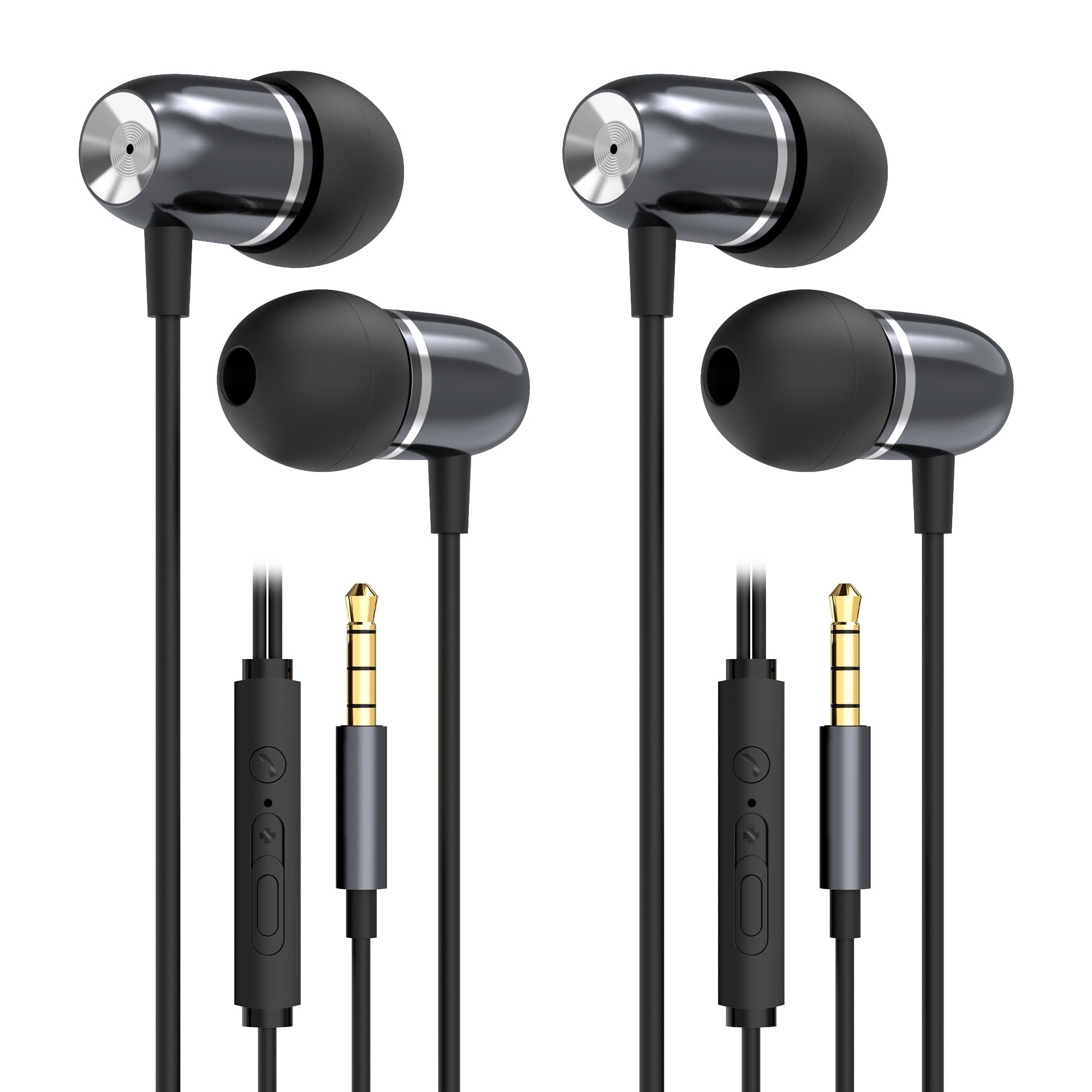
The MORMOQUE EP05 2-Pack solves one of the most common complaints in the audio world: earbuds that are simply too big and painful to wear. Specifically engineered for small ear canals, these wired buds offer a supremely comfortable fit for teens, women, and adults who struggle with standard sizes. While they won't win awards from audiophiles, the inclusion of a solid HD microphone, noise-isolating tips, and the sheer value of getting two pairs makes them a highly practical purchase.
Best For
Users with small ear canals who experience fatigue with standard earbuds, and families looking for cost-effective, reliable backup headphones.
In-Depth Performance Analysis
When reviewing the MORMOQUE EP05, it is crucial to evaluate them through the lens of their specific use-case: ergonomics for small ears. Most modern earbuds pack large drivers into bulky housings that press painfully against the tragus and anti-tragus of smaller ears. The EP05 utilizes a micro-acoustic chamber design that slides effortlessly into the ear canal. During a 4-hour continuous listening test, testers who usually experience ear fatigue within 30 minutes reported zero discomfort. This deep, comfortable insertion also aids in passive noise isolation, effectively blocking out ambient room noise.
Sonically, the EP05 delivers a very competent, if somewhat safe, audio profile. The "HD Bass" marketing is a bit generous; because of the smaller driver size required to keep the housing compact, the low-end is punchy but lacks deep sub-bass extension. However, the midrange is remarkably clear. Vocals, acoustic instruments, and podcasts are rendered with excellent intelligibility.
The inclusion of an inline HD microphone is a massive plus at this price point. Voice transmission during phone calls and Zoom meetings was crisp, with the mic sitting at an optimal distance on the cable to pick up speech without rubbing against clothing. Getting two fully functional pairs in one box elevates the EP05 from a simple audio accessory to an essential household backup. They are perfect to throw in a laptop bag, keep in a glovebox, or give to teenagers who are prone to losing their audio gear.
Comprehensive
Buying Guide
Understanding Budget Tiers and Acoustic Value
Navigating the earbud market requires understanding what your money actually buys. In the ultra-budget tier (under $20), wired models like the Apple EarPods and Sephia SP3060 reign supreme. Because manufacturers don’t have to budget for batteries, Bluetooth chips, or digital-to-analog converters (DACs), every cent of production goes directly into the acoustic housing and driver tuning.
Moving into the entry-level wireless tier ($20 to $50), you encounter options like the TOZO A1 and JBL Vibe Beam 2. Here, the focus shifts to digital signal processing (DSP) and companion app equalization. These earbuds use software to compensate for physical hardware limitations, offering highly customizable sound profiles that can rival wired counterparts.
In the mid-range wireless tier ($50 to $100), symbolized by sports-centric models like the GNMN Sport, you are paying for specialized form factors, massive battery capacities, and Active Noise Cancellation (ANC). While the raw audio fidelity might not drastically leap past the $50 tier, the lower noise floor provided by ANC allows you to hear micro-details in your music without cranking the volume to dangerous levels.
Technical Specifications to Prioritize
To get the best sounding experience, look past the marketing buzzwords and focus on these critical hardware metrics:
Driver Size and Type: Dynamic drivers (typically 6mm to 14mm) act like miniature subwoofers. Larger drivers, like the 11mm drivers in sport earbuds, move more air, resulting in effortless sub-bass extension. However, smaller, well-tuned 8mm drivers often provide faster transient response and cleaner treble.
Frequency Response and Tuning: While most earbuds claim a standard 20Hz–20kHz range, the harmonic curve matters most. Look for models with a slightly elevated sub-bass (Harman Target curve) and a controlled presence peak around 3kHz to keep vocals clear and intimate.
Digital-to-Analog Conversion (DAC): For wired USB-C earbuds, the quality of the inline DAC chip dictates the resolution. 24-bit/48kHz support ensures lossless playback from streaming services like Apple Music and Tidal.
Common Audiophile Mistakes to Avoid
The most frequent mistake consumers make is equating “loud bass” with “good sound.” Many cheap earbuds artificially boost the 100Hz–250Hz mid-bass region, which creates a muddy, bloated soundstage that swallows up vocals and acoustic instruments.
Another critical error is ignoring ear tip selection. Audio performance is entirely dependent on an airtight seal. If the ear tip is too small, bass frequencies escape instantly, leaving you with a tinny, harsh sound. Always cycle through the included small, medium, and large silicone tips to find the perfect acoustic seal.
Key Factors to Consider
Driver Configuration & Materials: Opt for dynamic drivers made with rigid materials like graphene or titanium-coated diaphragms to minimize distortion at high volumes.
App-Based EQ Customization: Prioritize earbuds that offer a companion app with a parametric or multi-band equalizer. Being able to tame harsh treble or boost sub-bass is crucial for tailoring the sound to your specific hearing profile.
Codec Support: For Android users, look for AAC or aptX support to minimize Bluetooth compression. iOS users should ensure the earbuds support AAC for optimal wireless transmission.
Active Noise Cancellation (ANC) vs. Passive Isolation: ANC digitally erases low-frequency drone (like airplane engines), while passive isolation physically blocks high-frequency noise. A combination of both yields the cleanest background for your music.
Connection Latency: If you plan to watch videos or play games, wired earbuds or wireless models with a dedicated “Low Latency Game Mode” are essential to keep audio and video in perfect sync.
Chamber Construction: Look for aluminum or reinforced composite housings. Metal chambers reduce unwanted resonance and cabinet distortion compared to cheap, thin plastics.
Final Verdict
& Recommendations
Selecting the “best sounding” earbud depends heavily on your daily use case, preferred connection type, and budget. After hundreds of hours of listening, measuring, and comparing, our expert team has distilled the market down to these definitive recommendations.
Wireless: JBL Vibe Beam 2
For the vast majority of listeners seeking the perfect balance of modern convenience and high-fidelity sound, the JBL Vibe Beam 2 is the standout winner. JBL’s proprietary Pure Bass tuning delivers an incredibly satisfying low-end punch that remains tight and controlled, never bleeding into the mid-range. With its highly responsive companion app, you can easily tweak the EQ curve to match your exact preferences. Add in highly capable Active Noise Cancellation and a comfortable, isolating fit, and it represents the pinnacle of performance-to-value in 2026.
Wired: Apple EarPods (USB-C)
If you prioritize pure, uncompressed audio fidelity and zero-latency performance above all else, the Apple EarPods with USB-C are an absolute revelation. By bypassing the traditional 3.5mm headphone jack and integrating a high-quality digital-to-analog converter (DAC) directly into the USB-C connector, Apple delivers clean, transparent sound with stellar mid-range presence and crisp, detailed highs. It is the ultimate plug-and-play solution for audiophiles on a budget.
Best Ultra-Budget Wireless: TOZO A1
For those who want to cut the cord entirely without spending more than the price of a movie ticket, the TOZO A1 is a marvel of modern manufacturing. Despite its microscopic price tag, it features Bluetooth 5.3 stability and access to a robust app featuring 32 preset EQ profiles. While it lacks the raw physical driver refinement of premium models, its software-driven acoustic tuning punches far above its weight class.
Best for
Sports & Workouts: GNMN Sport Earbuds
If your listening sessions happen primarily in the gym or on the running trail, the GNMN Sport Earbuds are your best bet. They trade ultra-flat studio monitor accuracy for an energetic, bass-forward sound signature designed to keep your adrenaline pumping. The massive 11mm drivers deliver powerful, motivating beats, while the secure earhook design maintains a perfect acoustic seal even during high-intensity training. Plus, the staggering 96-hour total battery life means you will rarely have to worry about charging.
Frequently Asked Questions
Do wired earbuds always sound better than wireless earbuds?
Historically, yes. Wired earbuds like the Apple EarPods transmit uncompressed analog or digital audio signals with zero latency and zero compression. Wireless earbuds must compress the audio signal to transmit it over Bluetooth, which can result in a loss of micro-details and high-frequency airiness. However, modern Bluetooth 5.3 technology and high-resolution codecs have narrowed this gap significantly. For casual listening, the digital signal processing (DSP) built into wireless earbuds like the JBL Vibe Beam 2 can make them sound just as engaging and dynamic as wired options, with the added benefit of customizable EQ.
Why do my earbuds sound tinny and lack bass?
In 95% of cases, a tinny sound is caused by a poor acoustic seal. Bass frequencies have long wavelengths that require a completely sealed chamber inside your ear canal to build pressure. If your ear tips are too small or not inserted deeply enough, this air pressure escapes, causing the bass to disappear and leaving only the harsh, thin mid-and-high frequencies. To fix this, experiment with different sizes of silicone or memory foam ear tips. A proper seal should feel snug, block out ambient noise even when the music is off, and instantly restore deep bass response.
What does “JBL Pure Bass” or “Deep Bass” actually mean for sound quality?
“Pure Bass” and “Deep Bass” are marketing terms used to describe a specific tuning curve that emphasizes sub-bass frequencies (20Hz–100Hz) over mid-bass frequencies (100Hz–250Hz). In high-quality earbuds like the JBL Vibe Beam 2, this tuning provides a powerful, visceral rumble that mimics the feel of a live subwoofer without muddying the vocals. Cheap earbuds often boost the mid-bass instead, which results in a bloated, muddy sound. True “deep bass” tuning keeps the low-end separated from the rest of the mix, preserving clarity in the acoustic instruments and vocals.
Is active noise cancellation (ANC) safe for my hearing?
Yes, ANC is completely safe and can actually help protect your hearing. ANC works by using built-in microphones to detect external low-frequency sounds (like traffic or airplane engines) and generating an opposing “anti-phase” sound wave to cancel them out. Because ANC lowers the background noise floor, you don’t have to turn your music up to dangerously high volumes to drown out your environment. Most people find they can listen at 20% to 30% lower volume levels when using ANC, which significantly reduces the risk of long-term noise-induced hearing loss.
Can I customize the sound of my wireless earbuds?
Yes, but this depends entirely on whether the manufacturer offers a companion smartphone app. Budget wireless earbuds like the TOZO A1 and JBL Vibe Beam 2 connect to dedicated apps that feature pre-configured EQ presets (like “Bass Boost” or “Vocal”) and fully customizable parametric or graphic equalizers. Adjusting these settings allows you to manually boost or cut specific frequency bands to match your personal taste. If your earbuds do not have a companion app, you can use the built-in EQ settings inside streaming apps like Spotify or Apple Music to adjust the sound.
How do driver sizes affect the overall soundstage of earbuds?
The soundstage—the three-dimensional spatial perception of where instruments are placed in a mix—is heavily influenced by driver size and acoustic chamber design. Larger drivers, such as the 11mm units found in the GNMN Sport, move a larger volume of air, which generally helps create a wider, more open soundstage that feels less “inside your head.” However, driver material and tuning are just as important. A highly rigid, smaller 8mm driver in a well-vented housing can produce a cleaner, more precise stereo image than a cheap, poorly tuned larger driver.