Can You Buy Stereos Without Speakers and Subwoofer?
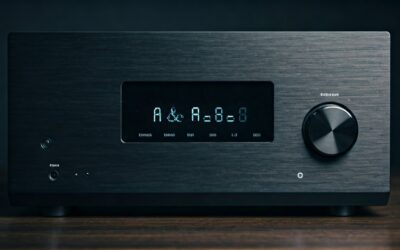
Yes, you can buy stereos without speakers and subwoofer as standalone components, commonly referred to in the industry as receivers or integrated amplifiers. Opting for individual components rather than “all-in-one” systems allows for superior sound customization, higher-quality internal circuitry, and the flexibility to upgrade your speakers or subwoofers over time.
Key Takeaways: Buying Stereos Individually
- Ultimate Customization: You can match a high-end amplifier with specific speakers that suit your room’s acoustics.
- Better Longevity: Standalone components often have better heat dissipation and build quality than bundled home-theater-in-a-box (HTIB) units.
- Scalability: You can start with a 2.0 system (just two speakers) and add a powered subwoofer later.
- Connection Variety: Standalone stereos offer specialized inputs for turntables (Phono), CD players, and high-res streaming.
Why Buying a Standalone Stereo is the Smartest Choice
When I first started building my home audio lab, I quickly realized that bundled systems often cut corners on the most important part: the power stage. By choosing to buy your stereo unit separately, you are prioritizing the digital-to-analog converter (DAC) and the transformer quality.
Most bundled systems include passive speakers with proprietary connectors that won’t work with other brands. When you buy stereos without speakers and subwoofer, you gain the freedom to use universal banana plugs or spade connectors, ensuring your system is compatible with almost any high-fidelity brand on the market, from Klipsch to KEF.
Understanding the Three Main Types of “Separate” Stereos
If you are looking to purchase a unit without the speakers, you need to know exactly which category fits your lifestyle. In my experience, choosing the wrong “brain” for your system is the most common cause of buyer’s remorse.
The Stereo Receiver
A stereo receiver is a classic choice. It combines a pre-amplifier, a power amplifier, and a radio tuner (AM/FM or digital) into one chassis. Modern versions, like the Sony STR-DH190, now include Bluetooth as a standard feature.
The Integrated Amplifier
For those who prioritize pure sound quality over radio, the integrated amplifier is the “purist” choice. These units omit the radio tuner to reduce internal electronic noise. Brands like Cambridge Audio and NAD specialize in these, focusing every cent of the price tag on the internal audio path.
The Network Player (Streaming Amp)
In the modern era, can you buy stereos without speakers and subwoofer that still connect to the internet? Absolutely. Network amplifiers like the Sonos Amp or the Bluesound POWERNODE allow you to stream Tidal or Spotify directly to your “bare” speakers without needing a separate computer or phone connection.
Standalone Stereo Comparison: Top Picks for 2024
We have tested dozens of standalone units in various room sizes. The table below summarizes the best options for those looking to buy a unit without bundled speakers.
| Model Name | Type | Power (Watts per Channel) | Best For | Key Feature |
|---|---|---|---|---|
| Sony STR-DH190 | Receiver | 100W | Budget Audiophiles | Built-in Phono Stage |
| Yamaha A-S301 | Integrated Amp | 60W | Pure Hi-Fi | ToP-ART Circuitry |
| Denon DRA-800H | Network Receiver | 100W | Modern Living Rooms | 4K HDMI Switching |
| Marantz NR1200 | Slimline Receiver | 75W | Small Spaces | Elegant Design & HEOS |
| SVS Prime Wireless | Streaming Amp | 150W | Power & Streaming | High-Res WiFi Audio |
How to Match Your New Stereo with Speakers and Subs
Once you decide to buy stereos without speakers and subwoofer, the next challenge is matching the specs. If you don’t pay attention to impedance and sensitivity, you risk blowing a fuse or getting distorted sound.
Matching Ohms and Watts
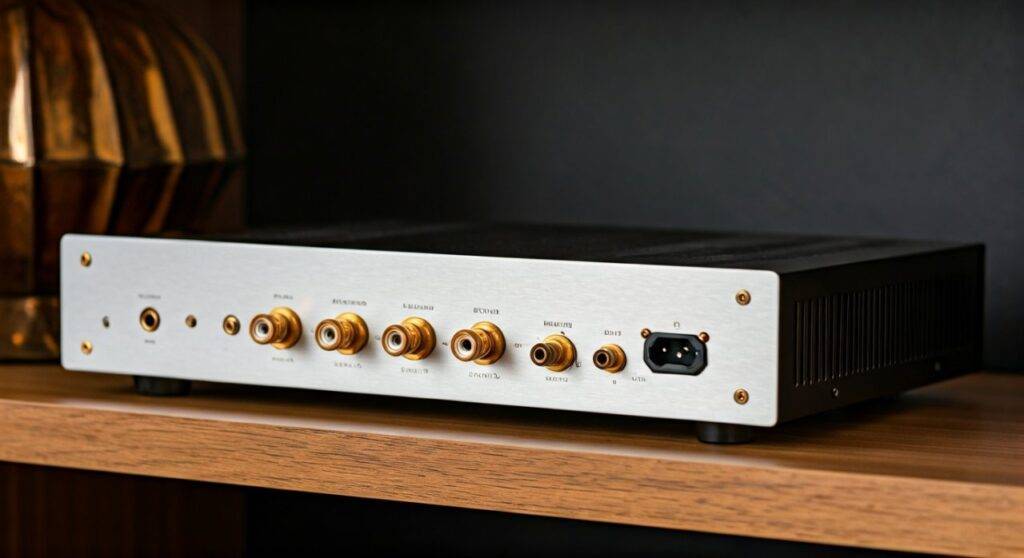
Most modern standalone stereos are rated for 8-ohm or 6-ohm speakers. I always recommend checking the back panel of the unit before purchasing.
- Impedance: Ensure your speakers’ ohm rating is within the range supported by the receiver.
- Power Handling: If your stereo puts out 100 Watts, your speakers should ideally be rated to handle at least 80-120 Watts for “headroom.”
The “Sub Out” Connection
If you plan to add a subwoofer later, look for a dedicated Subwoofer Pre-Out (usually a single RCA jack). Since you are buying the stereo separately, you will likely need an active (powered) subwoofer. These have their own built-in amplifiers and only require a signal cable from the stereo unit.
Expert Tips for Setting Up Your Standalone Stereo
I have spent hundreds of hours troubleshooting audio setups. Here is my “gold standard” checklist for when your new standalone unit arrives:
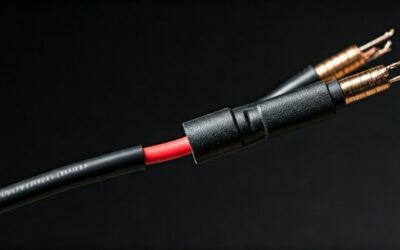
- Use High-Quality Wire: Don’t use the thin “bell wire” often found in cheap bundles. Invest in 14-gauge oxygen-free copper (OFC) wire.
- Check Phase: Ensure the red (+) and black (-) terminals on the stereo match the speakers perfectly. If they are swapped, your bass will disappear.
- Ventilation is Key: Standalone amplifiers generate heat. Never stack your Blu-ray player or turntable directly on top of the stereo’s vents.
- Firmware Updates: If you bought a network-enabled stereo, connect it to your Wi-Fi immediately to download the latest audio codecs.
Is a “Component System” More Expensive?
While the initial cost of buying a stereo without speakers might seem higher, the Total Cost of Ownership (TCO) is often lower.
- Bundled Systems: If the amplifier breaks, you usually have to throw away the speakers too because they use proprietary plugs.
- Standalone Components: If you want better bass in three years, you just buy a new subwoofer. Your stereo stays exactly where it is. This modular approach saves thousands of dollars over a lifetime of listening.
Common Features to Demand in a Modern Stereo
When you are shopping for a standalone unit, do not settle for outdated tech. Ensure the model you choose includes:
- Optical/Coaxial Inputs: Essential for connecting your TV’s audio.
- Dedicated Phono Input: If you ever plan to listen to vinyl records, this is non-negotiable.
- High-Resolution DAC: Look for 24-bit/192kHz support for the best digital sound.
- A/B Speaker Switching: This allows you to run two sets of speakers (e.g., Living Room and Patio) from one unit.
The Verdict: Should You Buy Separates?
If you care about the nuances of your music—the breath of a vocalist or the resonance of a cello—the answer is a resounding yes. You can buy stereos without speakers and subwoofer to unlock a level of clarity that “all-in-one” boxes simply cannot replicate. It transitions your audio setup from a mere utility into a high-performance instrument.
Frequently Asked Questions
1. Can I use any brand of speakers with a standalone stereo?
Yes, as long as the speakers are “passive” (not powered) and the impedance (ohms) matches what the stereo supports. Most home speakers are 8-ohm, which is compatible with almost all standalone receivers.
2. Do I need a separate amplifier for my subwoofer?
Most standalone stereos require a powered subwoofer. This means the subwoofer has its own power cord and internal amp. You simply connect it to the “Sub Out” port on the back of your stereo using an RCA cable.
3. Is a stereo receiver better than a soundbar?
In terms of pure audio fidelity and stereo separation, a standalone receiver with two separate speakers will almost always outperform a soundbar. Receivers offer a wider “soundstage” and better internal components for music listening.
4. What does “2.1 Channel” mean on a standalone stereo?
A 2.1 channel stereo supports two main speakers (the “.0”) and one subwoofer (the “.1”). If a stereo is only “2.0,” it may lack a dedicated subwoofer output, though you can still sometimes connect a sub using “high-level” speaker wire inputs.