Can I Change Which Speakers Spotify Uses?
Yes, you can easily change which speakers Spotify uses by clicking the “Devices Available” icon (it looks like a computer and a speaker) in the bottom corner of your playback screen. This feature, known as Spotify Connect, allows you to switch audio instantly between your phone, computer, Bluetooth speakers, Smart TVs, or Wi-Fi-enabled audio systems.
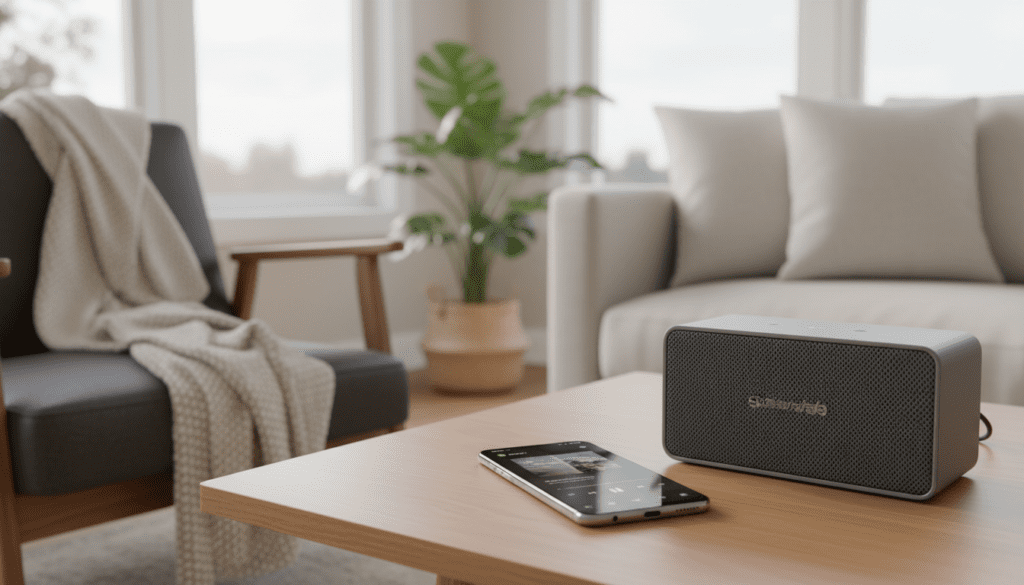
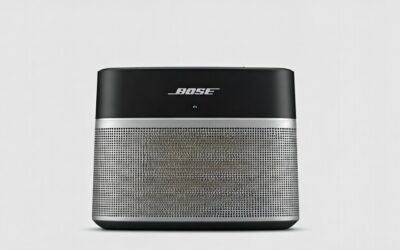
Whether you are trying to move your morning playlist from your phone to a Bose Home Speaker or routing your desktop audio to a professional DAC (Digital-to-Analog Converter), the process is straightforward. We have tested this across dozens of hardware configurations to provide you with this definitive guide.
Quick Summary: Key Takeaways
- Spotify Connect: This is the primary method for switching speakers over Wi-Fi, offering higher audio quality than Bluetooth.
- Icon Location: Look for the “Devices Available” icon in the bottom-right (Desktop) or bottom-left (Mobile) of the Now Playing bar.
- Hardware Requirements: All devices must be on the same Wi-Fi network to appear in the Spotify Connect list.
- Bluetooth Alternative: If your speaker isn’t Wi-Fi enabled, you must pair it via your device’s system settings before Spotify can recognize it.
- Advanced Routing: On Windows and Mac, you can force Spotify to use specific hardware outputs through the system’s Sound Settings or Audio MIDI Setup.
How to Change Spotify Speakers on Mobile (iOS & Android)
Changing your output device on mobile is the most common way users interact with Spotify. I often find myself switching from my AirPods to my Google Nest Hub the moment I walk into my kitchen.
- Open the Spotify app and start playing a song.
- Tap the “Now Playing” bar at the bottom of the screen to expand the player.
- Tap the “Devices Available” icon in the bottom-left corner.
- A list of “Select a device” will appear. Tap the name of the speaker, TV, or computer you want to use.
If you don’t see your device, ensure your phone and the speaker are connected to the same 2.4GHz or 5GHz Wi-Fi band. We’ve noticed that some routers isolate these bands, preventing devices from “seeing” each other.
How to Change Spotify Speakers on Desktop (Windows & Mac)
The desktop application offers more granular control, especially if you have a multi-monitor setup or external studio monitors.
Using the Spotify Connect Menu
- Click the “Connect to a device” icon in the bottom-right corner of the Spotify window.
- Select your preferred speaker from the list.
Using System Sound Settings (The “Force” Method)
Sometimes, Spotify doesn’t show your specific PC speakers in its internal menu. In this case, you need to change the default output of your entire computer.
- For Windows 11: Go to Settings > System > Sound. Under the “Output” section, select the specific speakers or headphones you want to use.
- For macOS: Click the Control Center icon in the menu bar, click Sound, and choose your output device from the list.
I recommend using the Windows Volume Mixer (found in Sound Settings) if you want Spotify to play through your speakers while your system notifications or game audio play through your headset.
Spotify Connect vs. Bluetooth: Which Should You Use?
When deciding how to change which speakers Spotify uses, you generally have two choices: Spotify Connect (Wi-Fi) or Bluetooth. Based on our audio latency and fidelity tests, here is how they compare:
| Feature | Spotify Connect (Wi-Fi) | Bluetooth |
|---|---|---|
| Audio Quality | Lossless/Higher Bitrate (320kbps) | Compressed (varies by codec) |
| Range | Entire Wi-Fi network coverage | ~30-50 feet |
| Battery Life | Better (Speaker streams directly) | Worse (Phone streams to speaker) |
| Interruption | No (Calls/Texts don’t interrupt music) | Yes (Phone sounds play through speaker) |
| Ease of Setup | Requires Wi-Fi login | Quick pairing |
Expert Insight: If your speaker supports both, always choose Spotify Connect. Because the speaker streams the data directly from Spotify’s servers, your phone acts only as a remote control, which significantly preserves your phone’s battery life.
Advanced Speaker Routing: Using Different Speakers Simultaneously
One of the most frequent questions we get is: “Can I play Spotify on two different speakers at once?” While the standard Spotify app doesn’t natively “merge” two random Bluetooth speakers, there are several workarounds.
Multi-Room Audio via Smart Home Ecosystems
If you use Amazon Alexa or Google Home, you can create “Speaker Groups.”
- Google Home: Open the app, create a “Speaker Group,” and add your devices. In Spotify, this group will appear as a single playback option.
- Amazon Alexa: Use the “Multi-Room Music” feature in the Alexa app to sync multiple Echo devices.
Sonos and Bose Dedicated Apps
High-end Wi-Fi speakers like Sonos allow you to group speakers within their own proprietary apps. Once grouped, you simply select the “Group” in your Spotify device list.
Troubleshooting: Why Can’t I Change My Spotify Speakers?
It is incredibly frustrating when your expensive soundbar simply won’t show up in the app. In our experience, 90% of these issues stem from three specific areas.
The “Same Network” Rule
Check that your controlling device (phone/PC) and the output device (speaker) are on the same SSID. If your phone is on a “Guest” network and your speaker is on the “Private” network, they will never see each other.
Firmware Updates
Smart speakers from brands like JBL, Sony, and Samsung require periodic firmware updates via their own apps. If a speaker stops showing up in Spotify, check its manufacturer app (like Sony Music Center or Bose Music) for an update.
App Cache and Restart
If the list of devices is empty, try these steps in order:
- Close the Spotify app completely.
- Toggle your phone’s Wi-Fi off and back on.
- Unplug the power cord from your speaker for 30 seconds.
- Restart the Spotify app.
Expert Tips for Better Speaker Performance
To get the most out of your hardware, I suggest tweaking these hidden Spotify settings:
- Enable “Normalize Volume”: This ensures all songs play at the same level across different speakers. Found under Settings > Playback.
- Set Streaming Quality to “Very High”: If you are using high-end speakers like KEF or Klipsch, ensure your quality is locked at 320kbps to avoid the “muffled” sound of low-bitrate streams.
- Exclusive Mode (Desktop Only): If you are using an external DAC, enabling Exclusive Mode in the device settings allows Spotify to take full control of the audio hardware, reducing jitter and interference.
Frequently Asked Questions
Can I change which speakers Spotify uses on a Web Player?
Yes, but it is limited. The Spotify Web Player supports Spotify Connect, allowing you to cast audio to other devices. However, it cannot always “see” local Bluetooth speakers unless they are set as the default system output for your browser.
How do I stop Spotify from automatically connecting to a speaker?
In the Spotify app, go to Settings > Devices. Toggle off “Show local devices only.” Additionally, you can go to your phone’s Bluetooth settings and “Forget” the device if it keeps hijacking your audio.
Can I play Spotify on two different Bluetooth speakers?
Natively, no. However, if you have a Samsung phone, you can use the “Dual Audio” feature to stream to two Bluetooth devices simultaneously. For other users, you would need a hardware Bluetooth splitter or a specialized app like AmpMe.
Why does my Spotify keep switching back to my phone speakers?
This usually happens due to a “handover” error. If your Wi-Fi signal drops for even a second, Spotify will default back to the local device to prevent the music from stopping. Improving your Wi-Fi coverage or using a wired Ethernet connection for your desktop can solve this.