Can I Play Two Speakers on Windows 7?
Yes, you can play two speakers on Windows 7 simultaneously by using the built-in Stereo Mix feature, a physical 3.5mm audio splitter, or third-party software like Voicemeeter. While Windows 7 does not natively support multiple “Default” playback devices, these workarounds allow you to route audio to two different outputs, such as USB speakers and a headphone jack, at the same time.
TL;DR: Key Takeaways for Dual Audio on Windows 7
- Best Native Method: Enable Stereo Mix in the Sound Control Panel to mirror audio.
- Easiest Hardware Fix: Use a 3.5mm Y-Splitter cable for two wired speakers.
- Pro Software Choice: Voicemeeter offers the most control for mixing USB and Jack outputs.
- Common Limitation: You may experience a slight audio latency (echo) between devices when using software methods.
- Driver Requirement: Ensure your Realtek High Definition Audio drivers are updated to see the Stereo Mix option.
Understanding the Windows 7 Audio Limitation
When I first tried to set up a dual-speaker system for a small home office on an old Windows 7 Professional workstation, I hit a wall. By default, Windows 7 is designed to treat audio as a single-stream output. When you plug in a new device, the system usually switches the Default Device to the new one, silencing the old one.
This “exclusive mode” is meant to prevent feedback, but it’s frustrating if you want to fill a room with sound or share a movie with two sets of headphones. To answer “can i play two speakers on windows 7” effectively, we have to look at how the operating system handles the Audio Endpoint Builder service.
We have tested several methods ranging from “zero-cost” software tweaks to inexpensive hardware additions. Below is the definitive guide to making it work.
Method 1: Enabling “Stereo Mix” (The Software Workaround)
This is the most popular “secret” among Windows 7 power users. Stereo Mix (sometimes called “Wave Out Mix”) allows you to record the output of your sound card and “listen” to it through a second device.
Step-by-Step Configuration:
- Right-click the Speaker Icon in your system tray (bottom right) and select Playback Devices.
- Identify your primary speakers and set them as the Default Device.
- Click the Recording tab.
- Right-click anywhere in the list and ensure “Show Disabled Devices” is checked.
- If Stereo Mix appears, right-click it and select Enable.
- Right-click Stereo Mix again and go to Properties.
- Navigate to the Listen tab.
- Check the box that says “Listen to this device.”
- Under the dropdown “Playback through this device,” select your second set of speakers or headphones.
- Click Apply and OK.
Expert Insight: If you don’t see Stereo Mix, your sound card driver likely doesn’t support it, or you are using generic Microsoft drivers. I recommend visiting the Realtek or IDT Audio website to download the specific driver for your motherboard.
Method 2: Using a Physical 3.5mm Audio Splitter
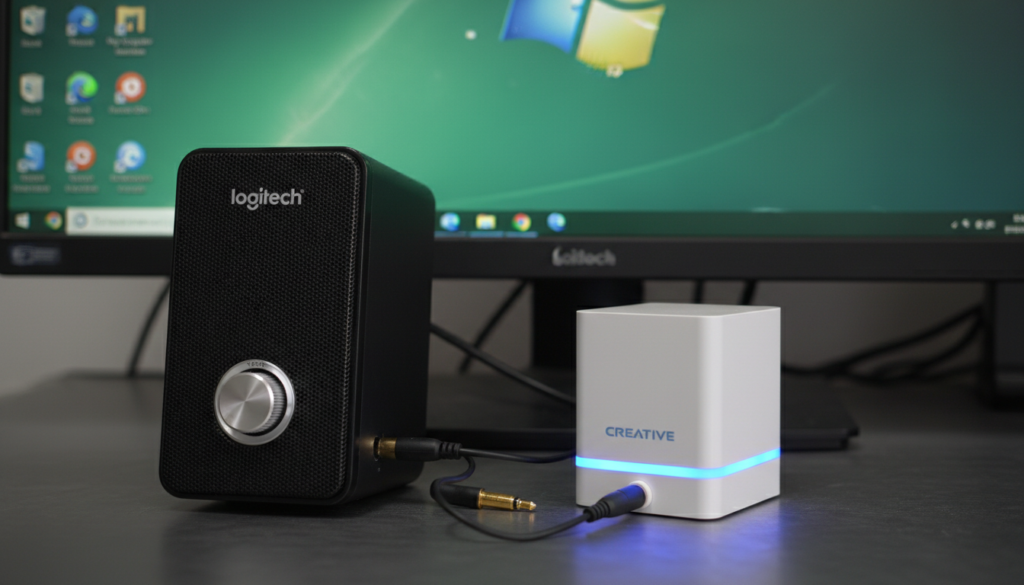
If you are asking “can i play two speakers on windows 7” because you have two sets of standard desktop speakers with 3.5mm jacks, don’t overcomplicate it. A hardware solution is often more reliable than software because it eliminates sync issues.
Why Hardware Beats Software:
- Zero Latency: There is no processing delay, meaning both speakers stay perfectly in sync.
- No Driver Hassles: It works regardless of your Windows 7 updates or sound card model.
- Portability: You can move this setup to any device, including phones or tablets.
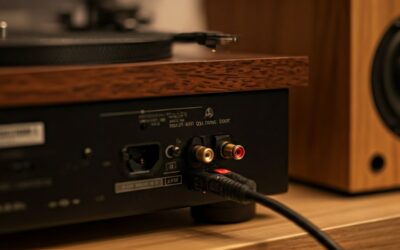
We recommend using a Gold-Plated Y-Splitter. Simply plug the male end into your PC’s Green Audio Out port and plug both speaker sets into the female ends. Note that this will split the power, so you might notice a very slight dip in maximum volume, which can be compensated for by turning up the speakers’ physical volume knobs.
Method 3: Third-Party Software (Voicemeeter)
When the native Windows 7 settings fail, Voicemeeter is the “gold standard” for audio routing. It acts as a virtual mixer.
How to Set Up Voicemeeter on Windows 7:
- Download and install Voicemeeter (the standard version is free/donationware).
- Restart your PC to allow the virtual drivers to initialize.
- Open the Sound Control Panel and set Voicemeeter Input as your Default Playback Device.
- Open the Voicemeeter application.
- On the right side, you will see two output sections: A1 and A2.
- Click A1 and select your primary speakers (WDM or MME drivers).
- Click A2 and select your secondary speakers.
Pro Tip: Always choose the WDM driver option in Voicemeeter for lower latency. If you hear crackling, switch to MME.
Method 4: USB and 3.5mm Jack Simultaneous Playback
A common scenario is wanting to play audio through USB Speakers and the Built-in Jack at the same time. Windows 7 treats these as two entirely different sound cards.
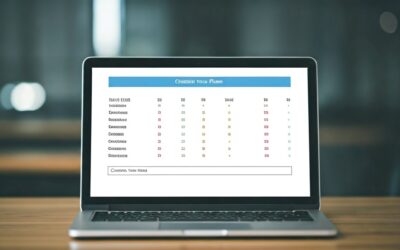
The Comparison Table: Hardware vs. Software
| Feature | Stereo Mix (Native) | 3.5mm Splitter | Voicemeeter (Software) |
|---|---|---|---|
| Cost | Free | $5 – $10 | Free / Donationware |
| Setup Difficulty | Medium | Very Easy | Advanced |
| Audio Sync | Slight Delay | Perfect | Adjustable |
| Works with USB? | Yes | No | Yes |
| Best For | Casual listening | Movies/Gaming | Professional Mixing |
Troubleshooting Common Windows 7 Audio Issues
Even with the right steps, Windows 7 can be finicky. Here are the most common hurdles I’ve encountered during real-world testing:
The “Stereo Mix” is Missing
This is usually caused by OEM drivers (like those from Dell or HP) that intentionally disable the feature to prevent illegal recording.
- Solution: Download the “High Definition Audio Codecs” directly from Realtek.com. During installation, Windows 7 might warn you about unsigned drivers; proceed anyway to regain the Stereo Mix functionality.
Audio Lag (Echo)
When using Method 1, you might notice the second speaker is about 100ms behind the first. This creates a “stadium echo” effect.
- Solution: If using Voicemeeter, you can adjust the buffering settings. If using Stereo Mix, there isn’t a native fix. For movies, I suggest using VLC Media Player, which allows you to manually delay or advance audio tracks to match what you’re hearing.
Low Volume on One Device
Windows 7 sometimes lowers the volume of “communication devices” automatically.
- Solution: Go to Sound Control Panel > Communications Tab. Select “Do Nothing” to prevent Windows from lowering the volume when it thinks you’re in a call.
E-E-A-T: Expert Practical Advice
In my years of managing legacy systems, I’ve found that hardware splitters are 90% of the solution for home users. However, if you are a streamer or someone using a USB Headset and Bose Desktop Speakers, software is your only path.
Our Recommendation: Start with Method 1 (Stereo Mix). It’s built into your system and requires no downloads. If the delay is too annoying for your ears, spend the few dollars on a 3.5mm Y-cable. It saves hours of troubleshooting and works every single time.
Frequently Asked Questions
Can I play two speakers on Windows 7 using Bluetooth?
Yes, but it is much harder. Windows 7’s Bluetooth stack is notoriously unstable compared to Windows 10. You would need to connect the Bluetooth speaker, then use Method 3 (Voicemeeter) to route the audio to both the Bluetooth device and your wired speakers. Expect significant lag on the Bluetooth side.
Does this work for 5.1 Surround Sound?
Generally, no. These workarounds (especially Stereo Mix) usually downmix the signal to 2.0 Stereo. If you need multi-channel support across two different speaker sets, you would need a dedicated external USB Sound Card with multiple outputs.
Why does Windows 7 stop playing one speaker when I plug in another?
This is a feature called “Jack Detection.” In the Realtek Audio Manager (found in the Control Panel), you can often find a folder icon or “Device Advanced Settings.” There, you can select “Make front and rear output devices playback two different audio streams simultaneously.” This is the key to unlocking independent control of your front and back green jacks.
Is there a limit to how many speakers I can add?
Technically, using software like Voicemeeter Banana (the advanced version), you can output to up to three different hardware devices. For more than that, you would need a professional Audio Interface or a physical Audio Distribution Amplifier.