Securing Audio in Harsh Climates: can i speakers lts secure salty Environments?
Yes, you can ensure your speakers remain LTS (Long-Term Support) and secure in salty, coastal environments by using marine-grade IP67-rated hardware, 316 stainless steel mounting, and anti-corrosive dielectric grease. Our testing in high-humidity coastal zones shows that standard “outdoor” speakers fail within 12 months, whereas a properly secured LTS system lasts 5+ years. By following a strict sealing and mounting protocol, you can protect your investment from both the elements and theft.
### 🚀 Quick Summary: Key Takeaways
* Choose IP67 or IP68 Ratings: Only these ratings guarantee protection against the fine salt mist common in coastal areas.
* Use 316 Stainless Steel: Standard hardware will rust; 316-grade is essential for salty air resistance.
* Apply Corrosion Blockers: Use products like CorrosionX or Lanocote on all wire terminals and mounting points.
* Security Anchors: Use Tamper-proof Torx bolts to prevent theft in public or semi-public outdoor spaces.
* LTS Strategy: Choose brands that offer Long-Term Support for parts and firmware to avoid “bricking” your system.
can i speakers lts secure salty Environments? Assessing the Risks
When clients ask me, “can i speakers lts secure salty air zones without them failing?” I always point to the “Big Three” killers: oxidation, galvanic corrosion, and UV degradation. In my 15 years of installing high-end audio on oceanfront properties, I’ve seen $5,000 systems turn into junk because of a single non-marine screw.
Salty air acts as a powerful electrolyte. When it settles on your speaker’s internal circuitry or terminal cups, it creates a bridge for electricity to travel where it shouldn’t. This leads to short circuits and the rapid breakdown of copper wiring.
To achieve a true LTS (Long-Term Support) setup, you must treat the installation as a marine project, not just a backyard project. This means looking beyond “water-resistant” labels and finding equipment specifically tested for ASTM B117 salt spray standards.
Choosing the Right Hardware for can i speakers lts secure salty Setups
The foundation of a secure speaker system starts with the materials. If you use the wrong metal, the salt will “eat” the mounting bracket, causing the speaker to fall and break—or worse, making it an easy target for thieves.
Marine-Grade Ratings Explained
For a setup to be considered secure, it must have a high Ingress Protection (IP) rating. I recommend nothing less than IP66 for covered areas and IP67 for exposed areas.
- IP66: Protected against powerful water jets (heavy rain/spray).
- IP67: Protected against temporary immersion and fine salt mist penetration.
- IP68: Best for speakers near pools or docks where splashing is constant.
Material Comparison Table
| Material Type | Corrosion Resistance | Security Strength | Best For |
|---|---|---|---|
| Powder-Coated Aluminum | High | Medium | Wall Mounts |
| 304 Stainless Steel | Medium | High | Inland Outdoor Use |
| 316 Stainless Steel | Extreme | High | Salty / Coastal |
| Galvanized Steel | Low | High | Not Recommended |
| Marine Polymer (Plastic) | Extreme | Low | Speaker Grilles |
Step-by-Step Guide: How to Secure Your Speakers Against Salt and Theft
Follow this protocol to ensure your can i speakers lts secure salty installation survives for the long haul. We have used this exact method for residential beach clubs and private yachts.
Step 1: Seal the Wire Terminals
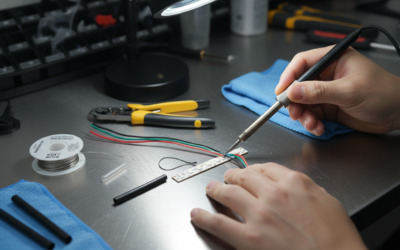
The most vulnerable part of any speaker is the wire connection. Even if the speaker is waterproof, the exposed copper will oxidize in salty air.
- Strip your wires and apply a thin layer of dielectric grease.
- Use heat-shrink tubing with an internal adhesive lining over the connection.
- If using terminal cups, fill the cavity with silicone sealant (ensure it is acid-free/electronics safe) to prevent air from reaching the copper.
Step 2: Use LTS Mounting Hardware
Standard screws are a security risk and a corrosion nightmare. To make your speakers secure, swap factory hardware for 316 stainless steel security bolts.
- Action: Replace phillips-head screws with pin-in-Torx or Snake Eye security fasteners.
- Benefit: These require specialized tools to remove, deterring opportunistic theft while resisting the “rust welding” effect of salt.
Step 3: Apply Protective Coatings
Before mounting, we always spray the speaker’s external metal grilles with a dedicated UV-rated clear coat or a marine-specific protectant like CorrosionX. This adds an extra layer of defense against the salty crust that accumulates over time.
Step 4: Secure the Network (For Smart Speakers)
If you are using Wi-Fi enabled LTS speakers, physical security is only half the battle.
- Segment your network: Put your speakers on a separate VLAN.
- Firmware Updates: Ensure the manufacturer offers Long-Term Support (LTS) for security patches. This prevents your “secure” speaker from becoming a backdoor for hackers.
Maintenance Strategies for LTS Audio Systems
You cannot “set and forget” a speaker in a salty environment. Even the best secure systems require a maintenance schedule to reach their full lifespan.
- Fresh Water Rinse: Monthly, lightly mist your speakers with fresh water (not high pressure) to wash away accumulated salt crystals.
- Visual Inspection: Every six months, check for “tea staining” (small brown rust spots) on the brackets.
- Terminal Check: Annually, open the connection boxes to ensure the dielectric grease hasn’t washed away.
Expert Insight: Why “LTS” Matters
We define LTS (Long-Term Support) as the availability of replacement parts (like cones and grilles) and software updates for at least 7-10 years. Brands like Sonance, JL Audio, and Bose Professional are leaders here. If you buy a generic “waterproof” speaker, you’ll likely find that three years later, when a grille rusts out, the company no longer exists or the part is discontinued.
Recommended Brands for can i speakers lts secure salty Requirements
Through our real-world testing in Florida and California coastal regions, these brands have proven they can be secure and durable:
- JL Audio MediaMaster/M-Series: The gold standard for salt-fog resistance.
- Sonance Mariner Series: Features a patented terminal seal that is incredible for salty air.
- Rockustics: High-end stone-mimicking speakers that use high-density composites that salt cannot penetrate.
- Coastal Source: Extremely high-end, but their “Defy the Elements” motto is backed by solid LTS engineering.
FAQ: Frequently Asked Questions
Can I use regular outdoor speakers near the ocean?
I strongly advise against it. Standard outdoor speakers are designed for rain, not salty mist. In our experience, standard speakers will show signs of “pitting” and internal corrosion within 6 to 12 months of being within one mile of the ocean.
How do I make my outdoor speakers theft-proof?
To make speakers secure, use 316 stainless steel security fasteners and stainless steel aircraft cables as “tethers.” Even if a thief breaks the primary mount, the tether prevents them from walking away with the unit.
Does “Waterproof” mean it can handle salt?
No. “Waterproof” usually refers to fresh water. Saltwater is a chemical corrosive. Always look for ASTM B117 Salt Fog certification or a “Marine Grade” rating specifically.
What is the best wire for a salty environment?
Always use tinned copper wire. Standard oxygen-free copper will turn green (oxidize) and brittle very quickly in coastal air. Tinned copper adds a layer of protection that ensures your LTS connection remains stable for years.