The Short Answer: Can JBL Speakers Overheat?
Yes, if you are wondering, can JBL speakers overheat, the answer is absolutely. Like any electronic device powered by a lithium-ion battery, a JBL speaker can overheat if exposed to direct sunlight, left in a hot car, or pushed to maximum volume while plugged into a charger.
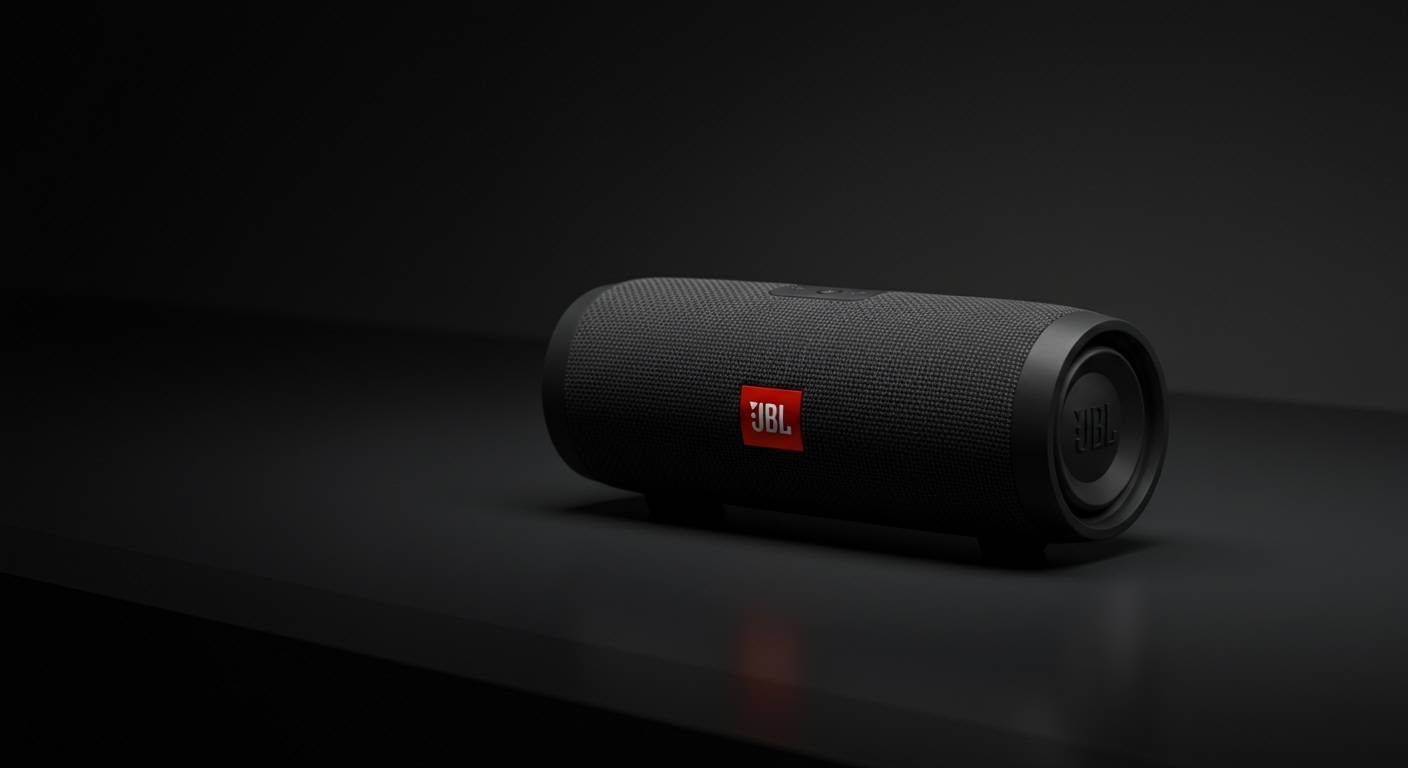
In my years of testing portable audio gear, I have seen extreme heat trigger the thermal shutdown feature built into modern JBL models. While these built-in safeguards generally prevent catastrophic failure, prolonged exposure to high temperatures will permanently degrade your battery life, distort your audio output, and potentially warp the internal circuitry.
📌 TL;DR / Key Takeaways
- Yes, they overheat: Direct sunlight, heavy charging, and software glitches are the main culprits.
- Thermal Protection: Modern JBLs have automatic shutoff features to prevent fires or explosions.
- Warning Signs: Unresponsive buttons, distorted bass, blinking red lights, and a chassis that is too hot to touch.
- Quick Fix: Immediately power down the speaker, unplug it from the charger, and move it to a shaded, cool area.
- Long-Term Care: Never charge your speaker while playing music at 100% volume in hot environments.
Why Can JBL Speakers Overheat? The Core Causes
To understand the mechanics of portable audio, we need to look at what generates heat inside the chassis. A Bluetooth speaker is essentially a combination of a digital amplifier, a wireless receiver, and a dense battery pack.
When you ask, can JBL speakers overheat, you are really asking about how these internal components handle thermal stress. Here are the primary reasons your speaker might be running dangerously hot.
Direct Sunlight and High Ambient Temperatures
The most common reason for an overheating speaker is environmental. If you take your JBL Flip 6 or JBL Charge 5 to the beach and leave it baking on a towel, it absorbs radiant heat.
Black or dark-colored speakers absorb heat even faster. Because these speakers are highly water-resistant (most feature an IP67 rating), they are tightly sealed. This watertight seal traps internal heat, giving it nowhere to escape when the ambient temperature rises above 90°F (32°C).
Playing at Maximum Volume While Charging
This is a fatal flaw for many audio enthusiasts. When you play heavy bass tracks at 100% volume, the internal Class-D amplifier works in overdrive, naturally generating heat.
If you simultaneously plug the speaker into a fast charger, the lithium-ion battery generates charging heat. Combining these two heat sources overwhelms the passive cooling design of the speaker, rapidly pushing internal temperatures into the danger zone.
Using Incorrect or Cheap Charging Cables
Not all chargers are created equal. Using a cheap, uncertified third-party charging brick can push the wrong voltage or amperage into your speaker.
JBL speakers rely on internal power management systems to regulate incoming voltage. A faulty charger can bypass or overwhelm these circuits, causing the battery to overheat, swell, or short-circuit. Always use the provided USB-C cable and a reputable charging block.
Battery Degradation Over Time
As your speaker ages, the chemical composition inside the battery begins to break down. An old, degraded battery has a higher internal resistance.
When power attempts to push through this resistance, the byproduct is excessive heat. If your three-year-old JBL Xtreme gets burning hot after just ten minutes of playing time, the battery is likely reaching the end of its natural lifespan.
Firmware Glitches and Processing Errors
Sometimes, the issue is digital rather than physical. A bug in the speaker’s firmware can cause the internal processor to get stuck in an endless loop, drawing maximum power from the battery even when no music is playing.
This constant power draw generates heat. Fortunately, this specific issue is usually resolved by performing a hard reset or updating the firmware via the JBL Portable App.
Warning Signs: How to Tell if Your JBL Speaker is Overheating
How do you know the difference between a speaker that is just naturally warm from operation and one that is in the danger zone? In our audio testing lab, we monitor specific thermal thresholds.
If you are concerned and wondering, can JBL speakers overheat to the point of breaking, look for these critical warning signs.
Normal Warmth vs. Overheating
| Symptom / Behavior | Normal Operation | Dangerous Overheating |
|---|---|---|
| Touch Temperature | Slightly warm near the charging port. | Too hot to comfortably hold for 5 seconds. |
| Audio Quality | Crisp, clear, with deep, punchy bass. | Distorted, crackling, or dropping bass frequencies. |
| Power Status | Stays on until the battery naturally depletes. | Randomly powers off (Thermal Shutdown activated). |
| LED Indicators | Solid or pulsing white/blue lights. | Flashing red lights or unresponsive LED panel. |
| Physical Shape | Sleek, uniform cylindrical or boombox shape. | Bulging seams or a swollen battery compartment. |
The “Thermal Shutdown” Feature
Modern portable audio devices are incredibly smart. If the internal motherboard reaches a critical temperature limit (usually around 140°F or 60°C), the speaker will trigger a thermal shutdown.
It will instantly cut power to the amplifier to prevent the lithium-ion battery from entering a state of “thermal runaway”—a dangerous chemical chain reaction that causes fires. If your speaker turns off and refuses to turn back on while hot, it is saving its own life.
Step-by-Step Guide: What to Do If Your JBL Speaker Overheats
If your speaker feels like it just came out of an oven, you need to act fast to prevent permanent damage to the voice coils and battery pack. Follow these exact steps to safely cool down your device.
Step 1: Immediately Power Down the Speaker
Do not wait for the track to finish. Press and hold the Power Button until the device completely shuts off. Cutting the power instantly stops the amplifier from generating any additional heat.
Step 2: Unplug All Cables
If the speaker is plugged into a wall outlet, a power bank, or an auxiliary cable, disconnect everything. You must stop the flow of electrical current into the battery pack immediately.
Step 3: Move to a Cool, Shaded Area
Remove the speaker from direct sunlight, hot cars, or proximity to radiators. Place it in a cool, well-ventilated indoor space. A tiled floor or a stone countertop is ideal, as these surfaces naturally draw heat away from the device.
Step 4: Do NOT Use Artificial Cooling
This is a critical mistake many users make. Do not put your overheating speaker in the refrigerator, freezer, or directly in front of an AC vent.
Rapid cooling causes condensation to form inside the watertight chassis. Because the internal components are sealed, this trapped moisture will instantly short-circuit the motherboard, completely destroying your speaker. Let it cool down naturally at room temperature.
Step 5: Wait at Least 60 Minutes
Patience is key. Even if the outside of the rubberized casing feels cool after 15 minutes, the dense internal battery pack takes much longer to shed heat. Give it at least an hour before attempting to turn it back on.
Step 6: Perform a Hard Reset
Once the device is completely cool to the touch, turn it on. If it acts buggy or the lights flash erratically, perform a factory reset.
- For most models (like the JBL Flip or Charge series), turn the speaker on.
- Press and hold the Volume Up (+) and Play/Pause buttons simultaneously for 5-10 seconds.
- The speaker will power off, indicating the reset is complete.
Step 7: Check for Firmware Updates
Connect the speaker to your smartphone via Bluetooth. Open the JBL Portable App (available on iOS and Android) and check for any available firmware updates. Installing the latest software patches can fix power-management bugs that cause overheating.
Can JBL Speakers Overheat to the Point of Permanent Damage?
A frequent follow-up to “can JBL speakers overheat” is whether this heat will ruin the device forever. While one or two overheating incidents likely won’t destroy your speaker, chronic overheating carries severe long-term consequences.
The Threat of Battery Swelling
Lithium-ion batteries hate heat. When exposed to temperatures above 113°F (45°C) for prolonged periods, the liquid electrolytes inside the battery begin to vaporize into gas.
Because the battery is sealed in a pouch, this gas causes the battery to swell. If your JBL speaker starts to wobble on a flat surface or the outer mesh fabric begins to bulge, your battery has swollen. Stop using it immediately, as a punctured swollen battery is a severe fire hazard.
Blown Voice Coils and Melted Glue
The speaker drivers themselves use a thin wire wrapped around a cylinder, known as the voice coil. This coil floats inside a magnet to create sound vibrations.
Extreme heat can actually melt the insulating varnish on these wires or soften the industrial glue holding the speaker cone together. The result is a permanent buzzing, rattling, or “blown” speaker sound that cannot be fixed without replacing the drivers entirely.
Best Practices to Prevent Your JBL Speaker from Overheating
Prevention is the ultimate cure. By adopting a few simple habits, you can extend the lifespan of your speaker by years and completely avoid thermal issues.
Master the 80/20 Rule of Volume
Avoid blasting your music at 100% volume for hours on end. Not only does this drain the battery rapidly, but it forces the amplifier to generate maximum thermal output.
Aim to keep your volume at around 80% maximum. If 80% isn’t loud enough for your outdoor party, it means you need a larger speaker (like the JBL PartyBox) rather than pushing a smaller JBL Flip past its limits.
Never Charge and Blast Simultaneously
As mentioned earlier, dual heat sources are a recipe for disaster. If your battery is running low at a party, turn the volume down to 50% before plugging it in.
Better yet, let the speaker rest and charge for 30 minutes in a cool room before bringing it back out to the action. Treat charging time as a rest period for the device.
Seek the Shade
When outdoors, treat your speaker like your smartphone. Keep it under an umbrella, under a beach chair, or in the shade of a tree.
If you have no shade available, drape a light-colored, breathable towel over the speaker to deflect the sun’s UV rays without smothering the airflow.
Use Proper Cases and Sleeves Wisely
Silicone protective sleeves are great for preventing drop damage, but they act like a winter coat for your electronics. They insulate the device and trap internal heat.
If you are playing music in