The Truth About Rice and Phone Speakers
Can putting your phone in rice fix speakers? The short answer is no; in fact, it can do more harm than good. While the myth persists that dry rice absorbs moisture, the tiny dust particles and starch debris from the grains often lodge themselves deeper into your speaker mesh, causing permanent damage. In my years of testing mobile hardware, I have seen more devices suffer from “rice-induced” speaker clogging than from actual water exposure. If your audio sounds muffled or distorted, skip the pantry and follow professional cleaning techniques instead.
Key Takeaways for Speaker Repair
- Avoid Rice: Starch and dust debris can create a “paste” if moisture is present.
- Use Soft Tools: Always opt for anti-static brushes or specialized adhesive putty.
- Avoid Compressed Air: High-pressure air can blow debris further into the speaker chamber or rupture the delicate internal membrane.
- Professional Repair: If the sound remains distorted after cleaning, you likely have a hardware failure or a damaged driver.
Why Rice is Actually Dangerous for Your Phone
Many people believe that because rice is a desiccant, it will “pull” water out of their device. However, your smartphone’s speaker is a sealed unit with a very fine protective mesh. When you submerge a phone in rice:
- Small particles fall into the speaker holes.
- Starch residue reacts with any lingering liquid to create a sticky barrier.
- Physical obstruction blocks the sound waves, permanently muffling your audio.
Safe DIY Methods to Fix Muffled Speakers
If you are asking can putting your phone in rice fix speakers, you are likely dealing with debris, not just water. Here is how to safely clear your audio path using industry-standard tools.
The Blu-Tack Method
This is the safest way to remove lint and dust. Take a small piece of Blu-Tack or adhesive putty, roll it into a thin point, and gently press it into the speaker grill.
- Action: Press firmly, then pull away quickly.
- Result: The adhesive traps the debris without pushing it deeper into the device.
Soft Anti-Static Brush
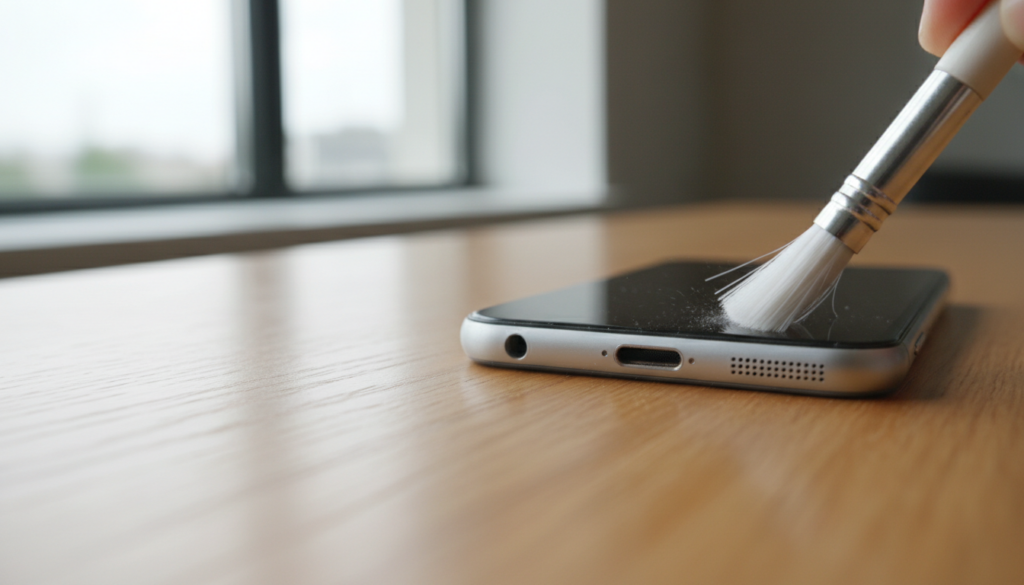
Using a clean, unused soft-bristled toothbrush or an anti-static electronics brush, gently sweep the speaker mesh in a circular motion.
- Tip: Hold the phone upside down while doing this so gravity helps the dust fall out rather than settling back into the housing.
Sound-Frequency Ejection
If your speaker is muffled due to liquid, use a sound-based solution. Apps like Sonic (iOS) or Speaker Cleaner (Android) play a specific low-frequency tone (usually around 165Hz). The vibration of the speaker driver helps push water droplets out of the mesh.
Comparison of Common Speaker Repair Methods
| Method | Effectiveness | Risk Level | Recommended? |
|---|---|---|---|
| Rice Method | Very Low | High | No |
| Blu-Tack/Putty | High | Very Low | Yes |
| Soft Brush | Medium | Low | Yes |
| Sonic Apps | High (for water) | Zero | Yes |
| Compressed Air | Medium | High | No |
When to Seek Professional Repair
Sometimes, the issue is not debris, but a blown speaker driver or internal moisture corrosion. If you have tried the methods above and still notice a “rattling” or “crackling” sound, the physical hardware is likely damaged.
Signs you need a professional:
- You hear a distinct “fuzz” or static even at low volumes.
- The speaker volume is inconsistent, fluctuating randomly.
- You see physical signs of corrosion on the speaker grille (green or white residue).
Frequently Asked Questions
Can putting your phone in rice fix speakers damaged by water?
No. While rice might absorb a small amount of ambient humidity, it is ineffective against liquid ingress. It is more likely to introduce dust and starch into your phone’s sensitive ports and speakers.
Is it safe to use a needle to clean the speaker grill?
Absolutely not. Using a needle or paperclip can easily puncture the speaker membrane, which is a fragile component. Once the membrane is torn, the speaker will never sound clear again and will require a full hardware replacement.
Does Apple or Samsung recommend the rice method?
No. Both Apple and Samsung explicitly advise against using rice. They recommend drying your device in an area with good airflow and using soft, lint-free cloths to wipe away external moisture.
How do I know if my speaker is actually broken?
If you have cleared all debris using the Blu-Tack method and the sound remains distorted at all volume levels, the internal voice coil or speaker driver is likely defective. This requires professional disassembly and part replacement.