Understanding Stealth Audio: Can Someone Hide Speakers in Vents?
Yes, individuals can technically hide speakers in vents, but doing so effectively requires specific hardware and careful consideration of acoustic integrity. While standard HVAC ducts are not designed for audio transmission, professional custom integrators often use “stealth” speaker solutions that mimic the look of vent covers to achieve a minimalist aesthetic. Simply shoving a Bluetooth speaker into a duct will result in poor sound quality, unwanted rattles, and potential damage to your HVAC system’s airflow efficiency.
TL;DR: Key Takeaways for Concealed Audio
- Acoustic Quality: Placing speakers inside functional metal ducts causes standing waves, metallic resonance, and extreme muffling.
- System Integrity: Blocking airflow in HVAC ducts can cause your furnace or AC unit to overheat or malfunction.
- Professional Solutions: Use architectural speakers designed for flush-mounting, or “invisible” speakers that sit behind drywall/plaster.
- The “Vent” Myth: Most “hidden” vent speakers are actually custom-grille enclosures that sit flush with the wall, not deep inside the ductwork.
Why You Should Avoid Placing Speakers Inside HVAC Ducts
In my experience working with home theater installations, the most common mistake DIY enthusiasts make is treating ductwork like a speaker cabinet. Metal ducts are thin, reflective, and vibration-prone.
- Vibration and Noise: The thin metal of an air duct will vibrate against the speaker, creating a buzzing sound that ruins the audio fidelity.
- Airflow Restriction: Your HVAC system relies on specific static pressure. Placing a physical object in the path of the air creates resistance, potentially leading to system backpressure.
- Debris Accumulation: Speakers are electronic devices. Dust, humidity, and condensation inside a vent will inevitably short-circuit the drivers or damage the internal wiring.
The Right Way to Achieve “Invisible” Sound
If your goal is an aesthetic-focused home audio setup where speakers appear hidden, you should pivot away from actual air ducts. Instead, use industry-standard architectural audio techniques that mimic the visual profile of a vent.
| Method | Stealth Factor | Sound Quality | Difficulty |
|---|---|---|---|
| In-Ceiling Speakers | Moderate | High | Moderate |
| Invisible Speakers | Extreme | High | Professional |
| Vent-Style Grille Speakers | High | Medium | Moderate |
| Duct-Mounting | Low (Bad Audio) | Very Poor | Easy (Do not do) |
Option 1: Invisible Panel Speakers
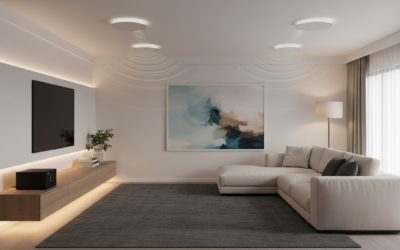
These speakers, manufactured by companies like Sonance or Amina, are designed to be installed flush with the wall and covered with a skim coat of plaster or drywall compound. They effectively become part of the wall, vibrating the entire surface to produce sound.
Option 2: Custom Flush-Mount Grilles
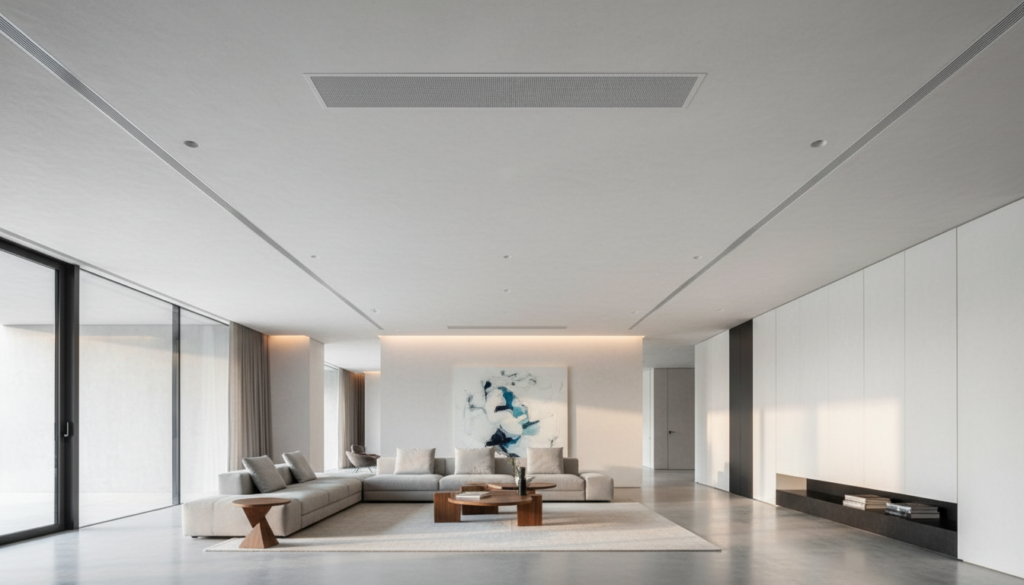
If you love the “vent” look, you can purchase custom speaker grilles that are color-matched to your wall paint. These are installed into the ceiling or wall cavity—not the duct—providing a clean, intentional look without sacrificing audio quality.
Step-by-Step: Installing Discreet Architectural Speakers
If you want a hidden look, follow these steps to ensure the audio quality remains high while the visual impact remains low.
- Survey the Cavity: Ensure there is enough depth behind your drywall. Avoid areas with electrical wiring or plumbing.
- Use an Enclosure: Always use an acoustic backbox. This prevents sound from bleeding into other rooms and protects the speaker from insulation debris.
- Calculate Airflow: If you are installing near a vent, maintain at least 12 inches of clearance to ensure the speaker isn’t caught in the path of HVAC airflow.
- Paint the Grille: Use a thin, non-clogging paint spray to color-match your grilles to your ceiling or wall. Do not use a thick roller, as this will clog the acoustic perforations.
- Secure the Mount: Use high-quality dog-leg mounting brackets to ensure the speaker is pulled tight against the drywall, preventing rattles.
Expert Tips for Optimal Performance
- Avoid Metallic Surfaces: If you must use a grille, ensure it is made of aluminum or high-grade plastic, not standard tin, to prevent metallic ringing.
- Use Proper Wiring: Always use CL3-rated speaker wire for in-wall installations. This is fire-rated for safety and ensures longevity.
- Test Before Finishing: Before you apply the final coat of paint or plaster, run a full audio sweep. Listen for any mechanical vibrations or rattles that need to be addressed with damping material like Dynamat.
Frequently Asked Questions (FAQ)
Can I put a Bluetooth speaker in a vent?
It is not recommended. Beyond the poor sound quality caused by metallic reflections, the heat and moisture inside HVAC ducts can permanently damage the battery and internal components of the speaker.
Will hiding speakers in vents ruin my AC system?
Yes, it can. Any obstruction in your ductwork changes the static pressure of the system. This can lead to increased energy bills, motor strain, or a tripped high-limit switch on your furnace.
What are “invisible speakers”?
Invisible speakers are a category of high-fidelity audio equipment that installs behind the wall surface. Once installed, they are covered with a thin layer of drywall compound or wallpaper, making them completely hidden to the eye.
Do I need a professional to install hidden speakers?
While some architectural speakers are DIY-friendly, “invisible” panel speakers usually require professional installation to ensure the wall finish is smooth and the audio performance is calibrated correctly.