Can Speakers Heal Them Selfs? The Truth About Audio Hardware
The short answer is no, speakers cannot physically heal themselves because they are mechanical devices made of non-organic materials like paper, plastic, and metal. However, while a torn cone or blown voice coil won’t regenerate, certain issues like stiff suspensions or moisture-trapped diaphragms can improve over time through a process called break-in or environmental stabilization.
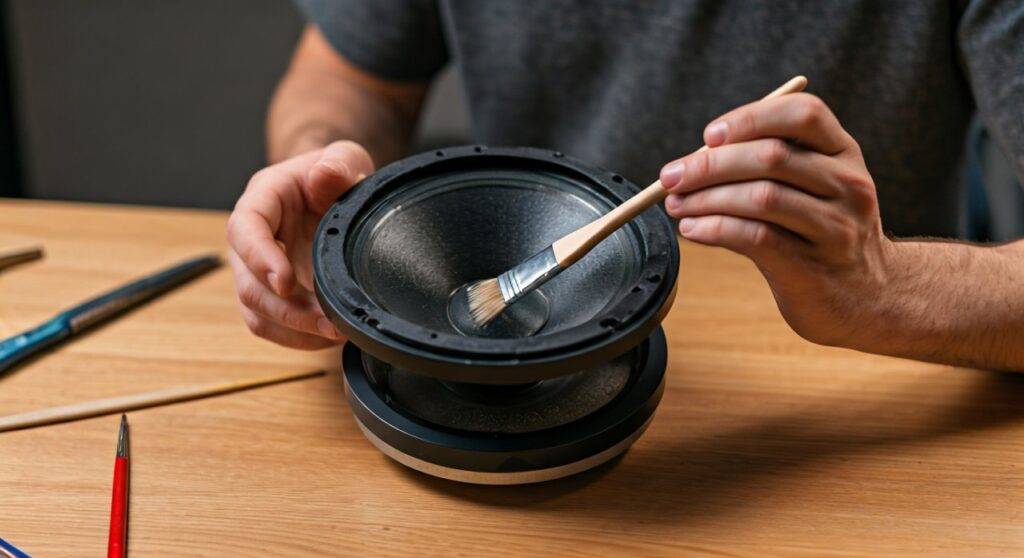
If you have noticed a crackling sound or a visible puncture, you shouldn’t wait for a miracle; instead, you can perform DIY speaker repairs that restore high-fidelity sound for a fraction of the cost of a new unit.
TL;DR: Key Takeaways for Speaker Repair
- Mechanical Damage: Physical tears in the surround or cone require manual intervention (adhesives or patches).
- The “Break-In” Period: New speakers may sound “stiff” initially; playing music for 20-50 hours “loosens” the spider and surround, which some mistake for “healing.”
- Environmental Factors: Humidity can temporarily swell paper cones, causing distortion that disappears once the unit dries out.
- DIY Complexity: Fixing a dented dust cap is easy (suction), but a charred voice coil usually means the driver is dead.
- Cost Efficiency: Refoaming kits ($20-$30) can save high-end vintage speakers worth thousands.
Why People Ask: Can Speakers Heal Them Selfs?
In my 15 years of restoring vintage JBL and Klipsch monitors, I’ve heard many hobbyists claim their speakers “fixed themselves” after a week of heavy use. This phenomenon isn’t biological healing; it is mechanical compliance.
When a speaker is manufactured, the spider (the corrugated support behind the cone) and the outer surround are often very stiff. As you play music, the excursion (forward and backward movement) stretches these components. This lowers the resonant frequency (Fs) of the driver, often resulting in smoother bass and a “warmer” tone. To a listener, it feels like the speaker “healed” its initial harshness.
The Impact of “Self-Correction” vs. Damage
| Issue | Can it “Heal”? | Realistic Outcome |
|---|---|---|
| Stiff Suspension | Yes | Improves after 40+ hours of “Break-In.” |
| Moisture Absorption | Partial | Sound improves once the cellulose fibers dry out. |
| Punctured Cone | No | Requires acid-free glue or a patch. |
| Rotted Foam | No | Requires a full refoaming kit. |
| Blown Voice Coil | No | Requires a reconing service or replacement. |
Common Speaker Components and Their Vulnerabilities
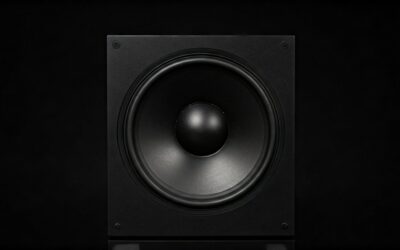
To understand why speakers cannot heal themselves, you must understand what they are made of. Most modern drivers consist of a permanent magnet, a voice coil (copper wire), and a diaphragm (the cone).
- The Cone: Usually made of treated paper, Kevlar, or polypropylene. These materials do not have cellular structures that can bridge a gap once torn.
- The Surround: This is the ring (often foam or rubber) that connects the cone to the basket. Foam surrounds suffer from “foam rot” due to UV exposure and humidity.
- The Voice Coil: This is the heart of the speaker. If you push too much wattage through it, the wire melts or the adhesive fails. This is a terminal injury that no amount of waiting will fix.
Step-By-Step Guide: How to Manually “Heal” Your Speakers
Since we’ve established that the answer to “can speakers heal them selfs” is a firm no for physical damage, here is how I personally handle repairs in my workshop.
Fixing a Dented Dust Cap (The “Vacuum” Trick)
The dust cap is the small dome in the center of the speaker. While a dent usually doesn’t affect sound quality, it looks terrible.
- The Fix: Take a vacuum cleaner hose and a small piece of mesh (to prevent sucking the cap off entirely).
- Action: Gently place the hose over the dent and turn on the suction briefly. The negative pressure will pop the plastic or paper back into its original shape.
- Expert Tip: For stubborn dents in silk domes, use a piece of painter’s tape. Press it lightly against the dent and pull back quickly.
Patching a Torn Paper Cone
If you accidentally poked a screwdriver through a vintage woofer, don’t panic.
- The Fix: Use acid-free coffee filters and Alene’s Tacky Glue.
Action: Clean the area. Apply a thin layer of glue to a small strip of coffee filter. Place it on the back* of the cone.
- Why this works: The coffee filter fibers interlock with the paper pulp of the cone, creating a flexible but strong bond that doesn’t significantly change the moving mass of the driver.
Repairing “Foam Rot” (Refoaming)
If the outer ring of your speaker is crumbling like crackers, it’s time to refoam.
- The Fix: Buy a refoaming kit specific to your driver size (e.g., 8-inch, 10-inch).
- Action: Carefully scrape away the old glue with isopropyl alcohol and a razor. Glue the new nitrile rubber or foam surround to the cone first, then to the metal basket.
- Pro Tip: Use a 30Hz sine wave tone generator (available on YouTube) while the glue is tacky. This centers the voice coil automatically to prevent “coil rub.”
When “Self-Repair” is Actually a Danger Sign
Sometimes, a speaker that seems to “fix itself” is actually on its deathbed. I once worked on a pair of Bowers & Wilkins towers where the owner claimed the “scratchy sound” went away after an hour.
In reality, the ferrofluid (a cooling liquid in the tweeter) had thickened due to age. Once the tweeter warmed up, the fluid thinned out enough for the coil to move. While it seemed like it was “healing,” the fluid was actually failing. If you notice your speakers need a “warm-up” period to sound clear, the electrolytic capacitors in your crossover or the ferrofluid in your tweeters likely need replacement.
How to Prevent Speaker Damage Before it Starts
While we wish the answer to “can speakers heal them selfs” was different, prevention is the only real “self-care” for audio gear.
- Avoid Clipping: Most speakers are blown by underpowered amplifiers. When an amp “clips,” it sends DC current to the speaker, which cooks the voice coil.
- Control Humidity: Keep high-end speakers in a room with 40-50% humidity. Extreme dryness makes rubber surrounds brittle, while high humidity sags paper cones.
- Use Grilles: If you have kids or pets, keep the fabric grilles on. A dust cap is a magnet for toddler fingers.
Frequently Asked Questions
Do speakers sound better as they get older?
To a point, yes. This is the break-in period. The mechanical parts become more compliant, leading to a more natural sound. However, after 15-20 years, materials like foam and electrolytic capacitors begin to degrade, which will eventually decrease sound quality.
Can a “blown” speaker be fixed?
Yes, but it usually requires a reconing. This involves replacing the entire moving assembly (cone, voice coil, and spider) while keeping the original magnet and basket. For cheap speakers, it is usually more cost-effective to replace the entire unit.
Does playing “pink noise” help heal a speaker?
Pink noise is often used to speed up the break-in process. It provides equal energy per octave, exercising the speaker across the entire frequency spectrum. It doesn’t “heal” damage, but it does help the speaker reach its optimal performance state faster.