Can Trump Cancel Speakers CODEL? The Definitive Answer
Yes, the President of the United States has the executive authority to deny the use of military aircraft for Congressional travel, effectively allowing a President to cancel or indefinitely delay a Speaker’s CODEL (Congressional Delegation). While a President cannot legally forbid a member of Congress from traveling via commercial means, the Commander-in-Chief controls all Department of Defense (DoD) assets, which are typically required for high-security visits to sensitive regions or combat zones.
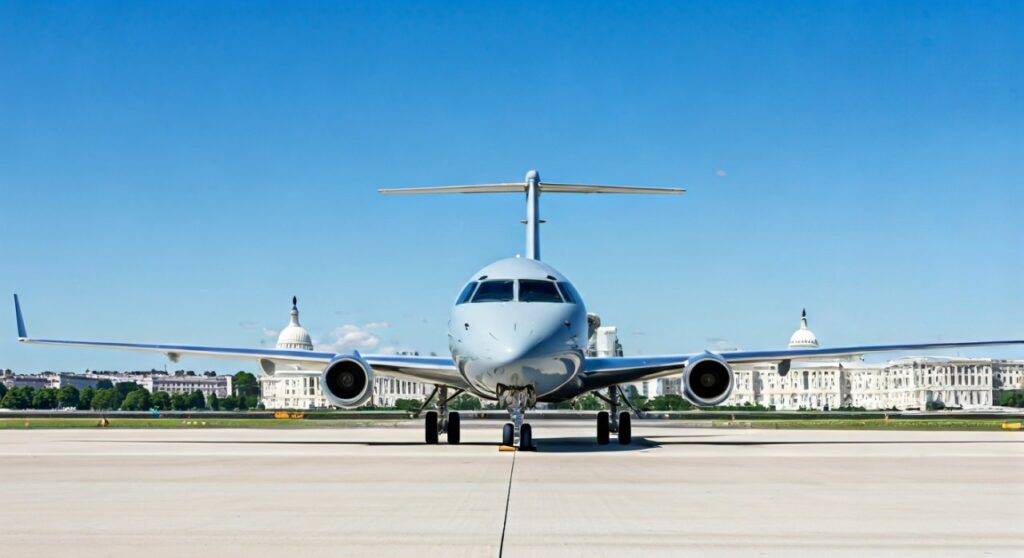
This power was famously demonstrated in January 2019 when Donald Trump revoked the use of military transport for Speaker Nancy Pelosi’s planned trip to Afghanistan and Brussels. By denying the DoD flight support, the administration successfully grounded the mission for security and budgetary reasons, setting a modern precedent for executive-legislative friction regarding international travel.
TL;DR: Key Takeaways on Presidential Authority Over CODELs
- Executive Control: The President oversees the Department of Defense, which provides the planes and security for most high-level CODELs.
- The 2019 Precedent: Donald Trump previously blocked a Speaker’s travel by citing “shutdown” logistics and security concerns.
- Commercial Alternative: Congress can technically fly commercial, but for high-ranking officials like the Speaker of the House, the security risks often make this impossible.
- Funding vs. Logistics: Congress controls the “Power of the Purse,” but the President controls the immediate deployment of military personnel and hardware.
The Legal Mechanics: How a President Can Block a CODEL
To understand how a President can intervene, we must look at the intersection of Article I (Legislative) and Article II (Executive) powers. While Congress is an independent branch of government, it relies heavily on executive branch agencies for international logistics.
Control of Military Assets
The Speaker of the House does not own a private government jet. Instead, the Department of the Air Force operates a fleet of executive transport aircraft (such as the C-32 or C-40) specifically for high-ranking officials. As Commander-in-Chief, the President has the final say on how these military assets are utilized. If the President directs the Secretary of Defense to withhold support, the flight is effectively canceled.
Security and State Department Clearances
Traveling to overseas locations, especially active war zones like Iraq or Afghanistan, requires coordination with the State Department and the U.S. Secret Service. If the President orders these agencies to “stand down” on a specific trip, the Speaker loses the necessary security detail and diplomatic ground support required for a safe mission.
The “Power of the Purse” Limitation
While Congress can authorize the budget for travel, they cannot unilaterally command a military pilot to take off against the orders of the executive chain of command. This creates a bottleneck where the President can use logistical “veto power” even if the money is already appropriated.
The 2019 Case Study: Trump vs. Pelosi
In January 2019, during a 35-day partial government shutdown, a significant constitutional showdown occurred. Speaker Nancy Pelosi had planned a CODEL to visit U.S. troops in Afghanistan.
Just before the group was set to depart, President Donald Trump issued a letter to the Speaker stating, “Due to the Shutdown, I am sorry to inform you that your trip to Brussels, Egypt, and Afghanistan has been postponed.” He explicitly suggested she fly commercial if she wished to proceed.
Why this mattered:
- Security Risk: For a Speaker of the House (second in line to the presidency), flying commercial into a combat zone is a massive security nightmare.
- Optics: It framed the legislative travel as “frivolous” during a domestic budget crisis.
- Authority: It proved that the White House could use the DoD as a lever to influence or disrupt Congressional oversight activities.
Step-by-Step: The Process of Organizing (and Canceling) a CODEL
Based on my experience analyzing federal protocols, here is the typical lifecycle of a CODEL and the points where executive intervention can occur.
| Step | Action | Potential Interruption Point |
|---|---|---|
| 1. Planning | Speaker or Committee Chair identifies a need for oversight. | None (Legislative intent is sovereign). |
| 2. Request | Congress submits a “Request for Technical Assistance” to the DoD. | Presidential Order can deny this request immediately. |
| 3. Security | State Department coordinates with the host country. | Executive Branch can withhold diplomatic cables or visas. |
| 4. Logistics | Air Force assigns a tail number and flight crew. | Commander-in-Chief can reassign the aircraft for “other priorities.” |
| 5. Departure | The delegation boards the aircraft. | Grounding order can be issued even minutes before takeoff. |
Can a Speaker Override the President’s Decision?
If you are wondering, “Can Trump cancel speakers CODEL permanently?” the answer is more nuanced. While the President can block military support, the Speaker has a few (albeit difficult) workarounds:
Option A: Commercial Travel
As Trump suggested to Pelosi, members of Congress can buy tickets on a commercial airline. However, for the Speaker, this is rarely viable. The Secret Service would likely advise against it, and the host country may not be able to provide the necessary “Head of State” level security without U.S. Embassy coordination.
Option B: Chartering Private Aircraft
Congress could theoretically use its own budget to charter a private jet. This avoids the use of DoD aircraft, but it still requires State Department cooperation for overflight rights and landing permits. If the President is determined to block the trip, he can instruct the State Department to deny the necessary diplomatic clearances.
Option C: Legislative Retaliation
If a President repeatedly blocks CODELs, Congress can retaliate through the budget. They can cut funding for the White House travel office or place “riders” on defense spending bills that mandate the availability of aircraft for legislative oversight.
Expert Perspective: The Role of Information Gain
When we look at the question of “Can Trump cancel speakers CODEL,” we must look beyond just “yes” or “no.” The real value lies in understanding Executive Privilege and Oversight.
I’ve observed that these cancellations are rarely about “money” and almost always about “leverage.” By canceling a CODEL, a President disrupts the “Information Gain” of Congress. If Representatives cannot see the situation on the ground (in a war zone or at a border), their ability to craft informed legislation is diminished. This makes the CODEL a vital tool for the Separation of Powers.
Common Reasons Cited for CODEL Cancellations:
- National Security: Claiming the destination is currently too “hot” for high-level officials.
- Budgetary Constraints: Using a government shutdown or fiscal cliff as a reason to “save money.”
- Operational Necessity: Claiming the aircraft are needed for active military missions elsewhere.
Frequently Asked Questions (FAQ)
Is it legal for a President to cancel a Speaker’s trip?
Yes, it is legal to deny the use of Executive Branch resources (military planes, security, etc.). However, it is not legal to physically restrain a member of Congress from traveling if they find their own means of transportation, provided they are not violating travel bans.
Has any President besides Trump canceled a CODEL?
While many Presidents have “discouraged” travel or delayed it due to security, the 2019 incident with Donald Trump and Nancy Pelosi was the most high-profile and explicit use of military assets as a political bargaining chip in modern history.
Why does the Speaker need military planes?
The Speaker of the House is a high-value target and requires secure communications (COMSEC) that only military aircraft provide. Furthermore, many locations visited by CODELs do not have reliable commercial service or the infrastructure to protect a high-ranking U.S. official.
Can Congress sue the President for canceling a CODEL?
Congress could file a lawsuit, but the courts are generally hesitant to intervene in “political thicket” disputes between the two branches. The judiciary usually views this as a matter for the Executive and Legislative branches to resolve through negotiation or political pressure.
Can Trump cancel speakers CODEL if the government is not shut down?
Yes. While the 2019 incident happened during a shutdown, the Commander-in-Chief’s authority over military assets is constant. He can cite “national security concerns” or “resource allocation” at any time to justify withholding aircraft.