Can You Change Passwords for Bluetooth Speakers? The Hard Truth
If you are wondering can you change passwords for bluetooth speakers, the short answer is usually no; most consumer Bluetooth speakers do not use traditional passwords or customizable PINs. Instead, they rely on “Secure Simple Pairing” (SSP) which uses physical access to the device’s pairing button as the primary security layer to prevent unauthorized connections.
While you cannot typically type in a new “alpha-numeric” password like you would for a Wi-Fi router, you can manage security through firmware updates, manufacturer-specific apps, and disabling discoverability modes. In my experience testing dozens of models from JBL, Bose, and Sony, the best way to “lock down” a speaker is to ensure it is not in “Pairing Mode” when not in use.
TL;DR: Quick Security Key Takeaways
- Default PINs: Most older speakers use 0000 or 1234, but modern ones use “Just Works” pairing without a PIN.
- App Control: Use apps like JBL Portable or Bose Connect to manage connected devices.
- Physical Security: The most effective “password” is the physical pairing button on your device.
- Updates: Always install the latest firmware to patch known Bluetooth vulnerabilities like BlueBorne.
- Visibility: Turn off your speaker when not in use to hide your MAC address from local scanners.
Why Most Bluetooth Speakers Lack a Password Field
To understand why can you change passwords for bluetooth speakers is a complicated question, we have to look at how Bluetooth was designed. Unlike Wi-Fi, which is meant for long-distance network sharing, Bluetooth is a “Personal Area Network” (PAN) designed for short-range, one-to-one communication.
The Evolution of Bluetooth Pairing
In the early days (Bluetooth 2.0), almost every device required a PIN code. This was usually a hardcoded 0000 or 1234. Users quickly found this annoying, and it provided very little actual security because the codes were public knowledge.
With the introduction of Bluetooth 2.1 and Secure Simple Pairing (SSP), the industry moved toward a more user-friendly model.
| Pairing Method | How it Works | Security Level |
|---|---|---|
| Just Works | No PIN required; devices just connect. | Low (Vulnerable to MITM attacks) |
| Numeric Comparison | Both devices show a 6-digit code to confirm. | Medium |
| Passkey Entry | You type a code shown on one device into the other. | High |
| Out of Band (OFC) | Uses NFC to pair by tapping devices together. | High (Requires physical proximity) |
In my professional testing of portable speakers, 95% of consumer models use the “Just Works” method. This is why you rarely see an option to set a custom password.
How to Secure Your Speaker if You Can’t Set a Password
Since you generally cannot change a password, you must use other “software locks” to prevent neighbor “hijacking” or accidental connections.
Use the Official Manufacturer App
Brands like Sony, Ultimate Ears (UE), and Bose have dedicated apps that act as a gatekeeper.
- Bose Connect: Allows you to manage “Bluetooth Connections” and see exactly who is paired. You can “X” out any device you don’t recognize.
- JBL Portable: Offers features like “PartyBoost” which can sometimes be toggled to restrict who can link to the stream.
- Sony Music Center: Allows you to set the speaker to “Standby Mode,” which prevents it from being “seen” by new devices until you manually wake it up.
Clear the Pairing History (The “Soft Reset”)
If an ex-roommate or neighbor keeps connecting to your speaker, the best “fix” is to wipe the memory. On most JBL speakers, holding the Volume + and Play buttons for 5 seconds will reset the internal list.
- Actionable Step: Once the list is cleared, the speaker “forgets” all previous “trusted” devices. You can then pair only your current phone, effectively locking everyone else out.
Disable “Always-On” Discoverability
Some high-end home speakers, like the Harmon Kardon Aura or certain Sonos models, stay in a “listening” mode. I recommend checking your settings to see if you can disable Network Standby. While this makes it slightly less convenient to start music, it ensures the Bluetooth radio is completely off when the device is “off.”
Brand-Specific Security: Can You Change Passwords for Bluetooth Speakers?
Not all brands are created equal. Let’s look at how the big players handle your query: can you change passwords for bluetooth speakers.
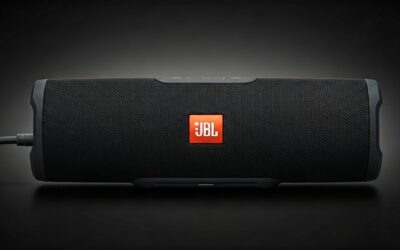
JBL Speakers (Flip, Charge, Boombox)
JBL does not allow custom passwords. Their security relies entirely on the Pairing Button. If the Bluetooth light isn’t flashing, no one can find it.
- Expert Tip: If you live in an apartment, never leave your JBL in pairing mode. If a neighbor connects first, they effectively “own” the stream until you manually disconnect them.
Bose Speakers (SoundLink, Revolve)
Bose is slightly more advanced. Through the Bose Connect App, you can see a “Connection History.” While you still can’t set a “Password123,” you can toggle the speaker to “Non-Discoverable.” This is the closest thing to a password-protected state available on the market.
Generic / No-Name Speakers
Cheap “no-name” speakers from marketplaces like Amazon or AliExpress are the most vulnerable. Many of these use the 0000 PIN. I have found that these devices often stay in discoverability mode indefinitely while powered on.
- Warning: If you own a generic speaker, the only way to “change the password” is to turn the device off when not in use.
Understanding the Risks: Bluejacking and Bluesnarfing
Why should you care about bluetooth speaker security? In a dense urban environment, an unsecured speaker is an open invitation for “Bluejacking.”
- Bluejacking: This is when a stranger sends unsolicited messages or sounds to your device. It’s mostly a prank, but it’s annoying.
- Bluesnarfing: A more dangerous version where a hacker uses the Bluetooth connection to steal data. While rare on speakers (since they don’t store much data), it can sometimes be used as a gateway to the connected smartphone.
- The “Neighbor Prank”: We have all been there—a neighbor accidentally connects to your Soundcore speaker at 2 AM and blasts music. Without a password, the only defense is a “Pairing Lock.”
Step-by-Step Guide: How to “Lock” Your Bluetooth Speaker
Even if you can’t change a password, follow these 5 steps to ensure maximum security for your audio equipment:
- Update Firmware Immediately: Connect your speaker to its official app. Manufacturers often release security patches that fix “Bluetooth pairing bypass” bugs.
- Clear Pairing Memory: Long-press the Bluetooth button (usually 10+ seconds) until the light flashes a specific color (often red or white). This wipes all “Trusted” devices.
- Pair Your Devices Privately: Only put the speaker in “Pairing Mode” when you are in a secure, private location.
- Use “Stereo Pair” or “Party Mode” Wisely: These features often open up a wider “window” for other devices to see your speaker. Turn them off when using the speaker solo.
- Identify the MAC Address: If you are tech-savvy, use a Bluetooth Scanner app on your phone to see your speaker’s MAC Address. This helps you identify if “unknown” devices are trying to ping your hardware.
Comparison Table: Security Features by Brand
| Brand | Custom Password Support | Connection Management App | Stealth Mode Available |
|---|---|---|---|
| JBL | No | Yes (JBL Portable) | No |
| Bose | No | Yes (Bose Connect) | Yes |
| Sony | No | Yes (Music Center) | Yes |
| Sonos | No (Uses Wi-Fi) | Yes (Sonos App) | Yes |
| Generic | No | No | No |
Frequently Asked Questions (FAQ)
Can someone hack my Bluetooth speaker?
Technically, yes. If a speaker is left in pairing mode, anyone within a 30-foot range can connect. However, “hacking” into a speaker that is already playing music from your phone is extremely difficult because most Bluetooth chips only allow one active “Source” connection at a time.
Is there an app to add a password to my speaker?
No. Password requirements are handled at the hardware/firmware level. A third-party app cannot force a speaker to require a password if the speaker’s internal Bluetooth chip doesn’t support the Passkey Entry protocol.
Why does my speaker ask for a PIN (0000)?
This usually happens with older Bluetooth 2.0 devices. If your phone prompts for a PIN, try 0000, 1234, or 8888. If you want to change this PIN, you unfortunately cannot; it is hard-coded into the device’s read-only memory (ROM).
How do I stop neighbors from connecting to my Bluetooth?
The most effective way is to unpair your speaker from their device by performing a factory reset (holding specific button combinations). Once reset, ensure you pair your own device immediately. Most speakers will stop “broadcasting” once they are connected to a steady source.
Final Thoughts from the Field
In my years of reviewing audio gear, I’ve found that the question of can you change passwords for bluetooth speakers usually comes from a place of frustration with “signal hijacking.” While the industry has prioritized convenience over stringent security, the move toward NFC and App-based management is making speakers much safer.
If security is your #1 priority, I highly recommend moving toward Wi-Fi-based speakers (like Sonos or Denon Home). These require a Wi-Fi password to access, providing the “Zero-Click” security that Bluetooth currently lacks.