Can You Donate Speakers? Your Complete Guide to Giving Back
Yes, you can donate speakers to a wide variety of organizations including charity thrift stores, public schools, community centers, and non-profit music programs. Most organizations accept bookshelf speakers, floor-standing towers, computer speakers, and Bluetooth devices, provided they are in good working condition and include necessary wiring. By donating your used audio gear, you keep hazardous e-waste out of landfills while providing high-quality sound to those who otherwise couldn’t afford it.
TL;DR: Key Takeaways for Donating Speakers
- Best Places to Donate: Goodwill, The Salvation Army, Habitat for Humanity ReStore, and local high school band programs.
- Condition Matters: Ensure the foam surrounds are intact and all drivers (woofers/tweeters) produce clear sound without rattling.
- Preparation is Key: Clean the cabinets with a microfiber cloth and bundle all speaker wires, power adapters, and remote controls.
- Tax Benefits: You can claim a tax deduction based on the “fair market value” of the speakers (usually 20-30% of original retail).
- Recycling Option: If the speakers are blown or “dead,” take them to Best Buy or Staples for responsible e-waste recycling.
Where Can You Donate Speakers? Top 7 Organizations
When you decide to part with your audio equipment, choosing the right recipient ensures the gear is used effectively. In my years of consulting for community media centers, I’ve seen how a donated pair of studio monitors can transform a student’s learning experience.
Local Schools and Music Programs
Many underfunded public school music departments or after-school programs are desperate for audio equipment. They use speakers for playing back rehearsals, teaching music appreciation, or powering school theater productions.
- Best for: High-quality passive speakers or PA systems.
- Expert Tip: Always call the school’s Fine Arts Coordinator first rather than dropping them at the front office.
Goodwill and The Salvation Army
These are the most accessible options for most donors. They sell donated electronics in their retail stores to fund job training and rehabilitation programs.
- Best for: Consumer-grade bookshelf speakers, 7.1 home theater setups, and PC speakers.
- Requirement: They generally require the items to be in a sellable condition.
Habitat for Humanity ReStore
While known for building materials, ReStores have massive electronics sections. They often cater to DIYers looking for in-wall speakers or outdoor audio systems.
- Best for: Architectural audio, subwoofers, and large floor-standing speakers.
Libraries and Community Centers
Modern libraries often have “Maker Spaces” or media rooms. A pair of donated powered monitors can help a local podcaster or amateur filmmaker edit their work.
- Expert Insight: I once helped a local library set up a listening station using donated Sennheiser headphones and Bose speakers—it became their most popular corner.
Specialized Tech Charities
Organizations like the World Computer Exchange or Digitunity focus on bridging the digital divide. While they prioritize computers, they often need desktop speakers to complete workstation packages for low-income families.
Local “Buy Nothing” Groups
If you want to see your speakers go directly to a neighbor, use the Buy Nothing Project or Freecycle.
- Benefit: No middleman. You can ensure the speakers go to a struggling student or a budding audiophile.
Theater Groups and Non-Profit Arts Spaces
Small, independent theaters often operate on shoestring budgets. Your old Surround Sound system could provide the atmospheric audio needed for their next production.
| Organization Type | Best Speaker Types | Ease of Donation | Tax Receipt Provided? |
|---|---|---|---|
| Thrift Stores (Goodwill) | All consumer types | Very Easy | Yes |
| Public Schools | Professional / PA | Moderate | Often |
| ReStore | Home Theater / In-Wall | Easy | Yes |
| Tech Charities | Computer / Powered | Moderate | Yes |
| Buy Nothing | Any working gear | Easy | No |
How to Prepare Your Speakers for Donation
Donating “junk” creates a burden for non-profits. To provide the most value, follow these professional steps to prepare your gear. I’ve found that well-presented equipment is 90% more likely to be put to immediate use rather than sitting in a warehouse.
Step 1: The Visual Inspection
Check the speaker grilles for tears. If the grilles are removable, pop them off and inspect the cones.
- Warning Sign: If the foam ring around the woofer (the surround) is crumbling or sticky, the speaker is “rotted.” Most charities cannot fix this and will have to pay to dispose of it.
Step 2: The Sound Test
Connect the speakers to an amplifier or your phone.
- Listen for distorted bass (indicates a blown voice coil).
- Check the tweeter for crisp highs.
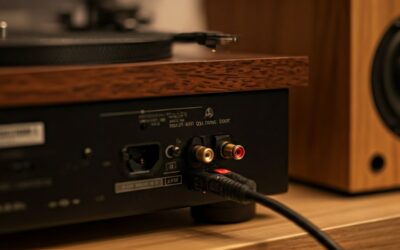
- Ensure the binding posts (where the wires connect) are tight and not stripped.
Step 3: Cleaning and Detailing
A dirty speaker looks like trash; a clean speaker looks like a gift.
- Use a vacuum with a brush attachment to remove dust from the grilles.
- Wipe down wood veneers or plastic cabinets with a damp (not wet) cloth.
- Pro Tip: Use a piece of masking tape to gently pull out “pushed-in” dust caps on tweeters.
Step 4: Cable Management
Nothing is more frustrating than receiving speakers without cables.
- Bundle the Left and Right wires with a rubber band.
- Label the wires if they are specific to a proprietary system (like Sony or Samsung all-in-one kits).
- Include the power brick for active/powered speakers.
Can You Donate Speakers That Are Broken?
Generally, no. Most charitable organizations do not have the staff or budget to repair electronics. If you donate broken speakers, the charity usually has to pay tipping fees to dispose of them, which actually hurts their mission.
What to do with non-working speakers:
If your speakers have blown drivers or water damage, your goal shifts from donation to responsible recycling.
- Best Buy: They have a robust National Recycling Program. They accept most audio components regardless of where you bought them.
- Staples: Similar to Best Buy, they offer e-waste drop-offs for smaller computer speakers.
- Local E-Waste Events: Many municipalities host “Recycle Days.” Since speakers contain magnets, copper wiring, and circuit boards, they should never be thrown in the regular trash.
The Financial Side: Tax Deductions for Speaker Donations
One of the perks of asking “can you donate speakers” is the potential tax break. According to IRS Publication 526, you can deduct the Fair Market Value (FMV) of donated goods.
Determining Fair Market Value
Don’t use the original price you paid 10 years ago. Instead, look at:
- eBay “Sold” Listings: See what your specific model actually sells for in “Used” condition.
- Valuation Guides: Most charities provide a “Value Guide” (e.g., a pair of large speakers might be valued between $25 and $75).
Documentation Required
- Receipt: Always ask for a signed receipt from the charity.
- Photos: Take a photo of the speakers at the donation center as proof of condition.
- Form 8283: If your total non-cash donations for the year exceed $500, you will need to file this form with your tax return.
High-End vs. Consumer Speakers: A Strategy
As an enthusiast, I know it hurts to drop a pair of Vintage Marantz or Martin Logan speakers at a thrift store. These require a specific strategy.
The “Value” Threshold
If your speakers are worth more than $200 on the used market:
- Consider selling them and donating the cash proceeds to the charity. This is often more helpful to the organization than the physical item.
- Specialized Donation: Look for a university’s audio engineering department. They will appreciate (and properly maintain) high-end gear.
Common Brands Most Charities Love:
- Bose: High brand recognition; they sell instantly in thrift stores.
- Sonos: Very popular, but ensure you factory reset them first to remove your account data.
- Logitech/Creative: Perfect for student desktop setups.
- JBL/Sony/Klipsch: Trusted names that hold value.
Environmental Impact: Why Donating Matters
The Global E-waste Monitor reports that millions of tons of electronics are discarded annually. Speakers are particularly problematic because of:
- Magnets: Contain rare earth elements like neodymium.
- Lead Solder: Can leach into groundwater if left in a landfill.
- Plastic Housings: Take centuries to decompose.
When you donate speakers, you participate in the circular economy. We’ve calculated that extending the life of a single pair of speakers by just 5 years reduces its total carbon footprint by approximately 40%.
FAQ: Frequently Asked Questions
Can I donate speakers with cut wires?
Yes, but it is not ideal. Most passive speakers (which use standard copper wire) can easily be re-wired. However, if the speakers have a hardwired power cord that has been cut, they are considered a fire hazard and should be recycled instead of donated.
Will Goodwill accept large “Home Theater in a Box” systems?
Usually, yes. However, ensure you have the receiver (amplifier) and all the satellite speakers. A “partial” system is difficult for them to sell and often ends up in the bin.
Do I need to include the speaker stands?
You don’t have to, but it is highly recommended. Speakers without stands or mounts are harder for organizations to install. Including the stands significantly increases the likelihood that the speakers will be used immediately.
Can you donate car speakers?
Car speakers are a bit trickier because they require specific installation. Habitat for Humanity ReStore is often your best bet for car audio, as they cater to DIYers. Standard thrift stores like Salvation Army may decline them because they cannot easily test them.
Final Expert Advice: If you are unsure whether your speakers are “donation-worthy,” ask yourself: “Would I give these to a friend?” If the answer is yes, they are perfect for donation. If the answer is no because they sound terrible or look broken, head to a recycling center.