Can You Install Radio and Speakers During Winter? The Definitive Guide
Yes, you can install radio and speakers during winter, provided you take specific precautions to protect your vehicle’s delicate interior plastics and electrical components. From our years of experience in cold-climate shops, the most critical factor is ensuring the cabin temperature is at least 65°F (18°C) before you begin prying on any trim panels. Without proper warming, cold-soaked plastic becomes extremely brittle and is prone to snapping with even minimal pressure.
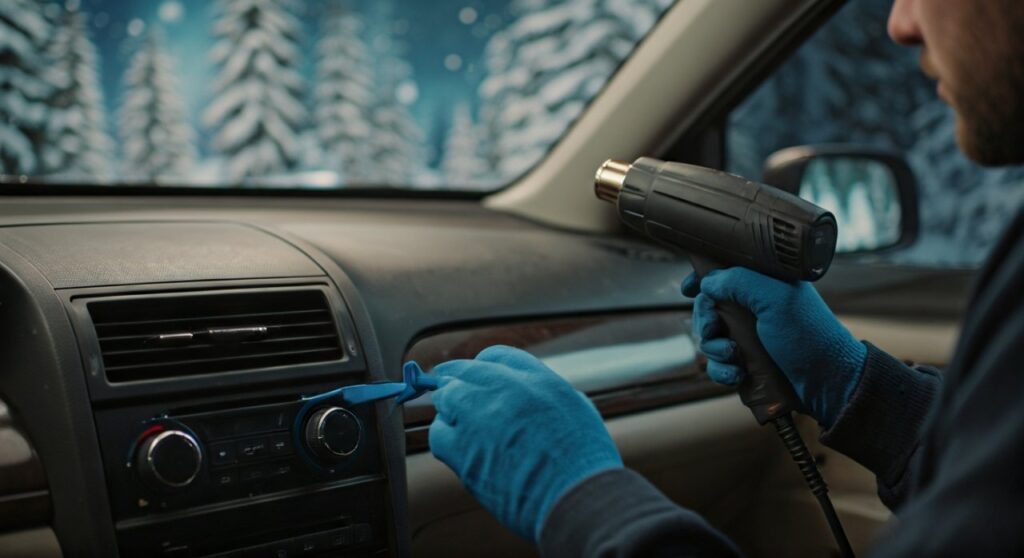
In this guide, we will walk you through the professional techniques we use to navigate the challenges of freezing temperatures. You will learn how to prep your vehicle, manage stiff wiring, and ensure your new car audio system performs perfectly even when the mercury drops.
TL;DR: Winter Audio Installation Key Takeaways
- Patience is Mandatory: Never attempt a winter install on a “cold-soaked” car; let the heater run for at least 30 minutes.
- Tool Choice: Use nylon non-marring pry tools rather than metal ones to distribute pressure more evenly on cold plastic.
- Wiring Safety: Avoid bending stiff, frozen wires, as the insulation can crack, leading to short circuits.
- Heat is Your Friend: Use a heat gun or hair dryer on low settings to localized areas before removing clips.
- Adhesive Warning: Most sound deadening and double-sided tapes will not bond properly below 50°F.
Why Temperature Matters for Car Audio Installations
The question of can you install radio and speakers during winter isn’t about whether the electronics will work, but whether the car can withstand the physical labor. Vehicles are composed of various polymers and resins that react differently to thermal changes.
The Physics of Brittle Plastic
When temperatures drop below freezing, the molecules in plastic trim pieces move more slowly and become less flexible. This state is known as the Glass Transition Temperature. In this state, the plastic cannot “give” or bend when you try to pop a clip; instead, it undergoes a “brittle fracture.” We have seen countless dashboard bezels and door handle surrounds crack because an installer was in too much of a hurry.
Wire Insulation and Flexibility
Standard PVC wire insulation hardens significantly in the cold. If you attempt to “fish” or pull cold wires through a door boot, you risk the insulation cracking. This exposes the copper conductors, which can lead to corrosion from road salt or immediate electrical shorts against the vehicle’s chassis.
Adhesives and Sealants
If your installation involves butyl-based sound deadening (like Dynamat or Hushmat) or mounting an external microphone with adhesive tape, winter poses a major hurdle. Most automotive adhesives require a surface temperature of 60°F to 80°F to create a permanent chemical bond.
| Material Type | Safe Working Temp | Risk if Cold |
|---|---|---|
| ABS Plastic Trim | 65°F+ | Cracking / Shattering |
| Nylon Retainer Clips | 50°F+ | Snapping / One-time use |
| Butyl Sound Deadener | 70°F+ | Poor Adhesion / Falling off |
| Electrical Tape | 50°F+ | Losing “Tack” / Unraveling |
| OFC Power Wire | 30°F+ | Insulation Cracking |
Pre-Installation: Creating a Safe Environment
Before you turn a single screw, you must transform your environment. If you don’t have a heated garage, you need a strategy to bring the vehicle’s “core temperature” up to a workable level.
The 30-Minute Warm-Up Rule
Start your vehicle and turn the heater to the floor and defrost settings. Let it run for at least 30 minutes. This ensures that not only the air is warm, but the heat has soaked into the dashboard assembly and the inner metal of the doors. We recommend using an Infrared Thermometer to verify that the plastic surfaces have reached at least 60°F.
Tool Preparation
In our shop, we keep our tools indoors during the winter. A cold metal screwdriver or a frozen pry bar will suck the heat out of a plastic panel instantly upon contact, increasing the risk of a stress fracture.
Essential Winter Tool List:
- Nylon Pry Tool Set: Soft enough to flex slightly.
- Variable Temp Heat Gun: For targeted warming of stubborn clips.
- Work Lights: Winter days are short; high-output LED work lights are necessary to see into dark footwells.
- Moving Blankets: To protect your seats from slush and snow on your boots.
Step-By-Step: Can You Install Radio and Speakers During Winter?
Follow these steps to ensure a successful DIY installation without damaging your vehicle’s interior.
Step 1: Battery Safety and Temperature Maintenance
Disconnect the negative terminal of your car battery once the cabin is warm. Note that once the engine is off, the cabin will cool rapidly. Work in stages—re-warm the car if the interior temp drops below 55°F.
Step 2: Strategic Panel Removal
When removing the head unit or door panels, start with the clips closest to a heat vent. Use your heat gun on its lowest setting to gently warm the seam where the panel meets the dash. Move the gun constantly to avoid melting the finish.
Step 3: Handling the Wiring Harness
If you are using a Metra or Scosche wiring adapter, keep the harness inside your house until the moment you are ready to plug it in. Warm wires are much easier to tuck behind the dashboard. If you find a wire is too stiff to move, do not force it. Apply gentle heat until it becomes pliable.
Step 4: Speaker Installation and Gasketing
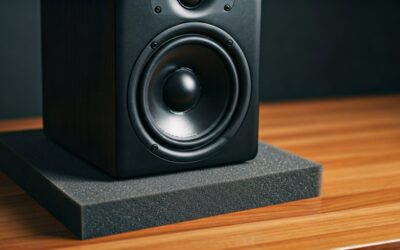
Speaker surrounds (the rubber or foam part) can be very stiff in winter. This can temporarily change the Thiele/Small parameters and make the speakers sound “thin” initially. Ensure you use foam speaker baffles or gaskets to create a weather-tight seal, preventing cold drafts from entering through the door cavity.
Step 5: Testing and Reassembly
Before snapping the panels back on, reconnect the battery and test the radio, Bluetooth microphone, and steering wheel controls. Reassembling panels is easier when they are warm, as the clips will compress and “click” into place without requiring excessive force.
Choosing the Right Equipment for Cold Climates
Not all car audio gear is created equal when it comes to extreme temperatures. If you live in a region where -20°F is common, consider the following hardware choices:
Capacitive vs. Resistive Touchscreens
Most modern CarPlay and Android Auto head units use capacitive touchscreens (like your phone). These generally perform better in the cold than older resistive screens, which rely on physical pressure and can become sluggish or “ghost touch” in freezing weather.
Silicone-Jacketed Wiring
When choosing power wire for your amplifier, look for silicone-jacketed OFC (Oxygen-Free Copper). Silicone remains flexible down to much lower temperatures than standard PVC, making it much easier to route through firewalls during a winter install.
Subwoofer Surround Materials
In extreme cold, foam surrounds on subwoofers can actually freeze and crack if played at high volume immediately. We recommend Santoprene or high-grade rubber surrounds for winter durability. Always “warm up” your speakers at low volume for 10-15 minutes on freezing days.
Expert Tips for Winter Sound Deadening
If you are asking can you install radio and speakers during winter, you are likely also considering sound treatment. Applying butyl rubber damping sheets in 30°F weather is a recipe for failure.
- Clean with Isopropyl Alcohol: Cold surfaces often harbor “invisible” condensation. Wipe all metal surfaces thoroughly to ensure they are dry.
- Heat the Material, Not Just the Metal: Use your heat gun to get the butyl backing “tacky” before pressing it onto the door skin.
- Use a Wooden Roller: Apply significant pressure with a seam roller to ensure the air is pushed out. Trapped air in winter can turn into condensation, leading to rust behind your sound deadening.
Common Mistakes to Avoid
- Forcing Stubborn Clips: If a clip won’t pop, it’s likely too cold or there is a hidden screw. Never “muscle” a panel in winter.
- Leaving the Battery Disconnected Too Long: In extreme cold, a weak battery’s voltage can drop quickly. If the install takes hours, consider using a battery tender.
- Ignoring Condensation: Moving a cold car into a warm garage creates immediate moisture on all surfaces. Let the vehicle “climatize” for an hour to prevent short-circuiting your new digital media receiver.
Frequently Asked Questions (FAQ)
Will my car speakers sound different in the winter?
Yes, speakers often sound “stiff” or have less bass in the winter. This is because the spider and surround (the suspension components) harden in the cold. Once the cabin warms up and the speakers move for a few minutes, the sound quality will return to normal.
Is it safe to use a heat gun on my car’s dashboard?
It is safe if used with caution. Always keep the heat gun at least 6-8 inches away from the plastic and keep it moving. Focused heat in one spot for too long can cause the plastic to “flash” (change texture) or melt.
Can I install an amplifier in my trunk during winter?
You can, but be mindful of the mounting surface. If you are screwing into the vehicle floor, ensure you aren’t hitting any frozen fuel or brake lines underneath. Also, ensure the amplifier has adequate ventilation, as even in winter, amplifiers generate significant internal heat that needs to dissipate.
Does cold weather affect Bluetooth connectivity in new radios?
The cold itself shouldn’t affect the radio waves, but it can affect the internal clock speeds of the head unit’s processor. You might notice a slightly slower interface or longer boot times when you first start the car on a sub-zero morning.
Should I wait until spring to install my car audio?
If you don’t have access to a heated space or a way to warm the car for 30-60 minutes, waiting until spring is the safer option. However, if you follow the “warm-up” protocols outlined above, a winter installation is perfectly safe and a great way to spend a snowy weekend.