Can You Make Speakers Out of Softwood? The Direct Answer
Yes, you can make speakers out of softwood, such as pine, spruce, or cedar, but it requires specific construction techniques to manage resonance. While traditional audiophiles prefer MDF (Medium Density Fiberboard) for its “dead” acoustic properties, softwoods offer a unique, warm “tonal coloring” that many DIY builders find musically pleasing. To succeed, you must use thicker panels and strategic internal bracing to prevent the cabinet from vibrating like a musical instrument.
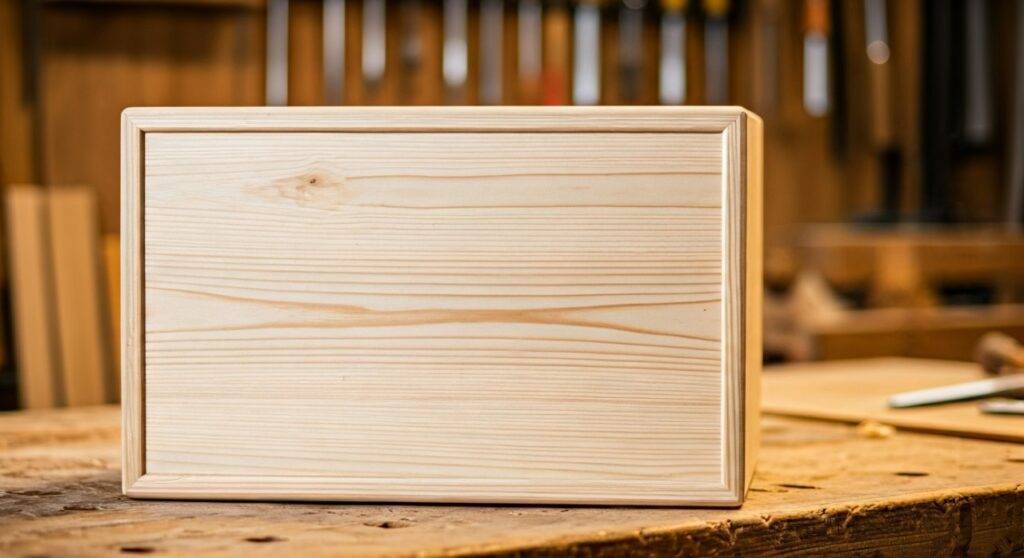
In my years of building custom audio enclosures, I’ve found that softwood speakers are not just a budget-friendly alternative; they are a stylistic choice. If you want a clinical, perfectly neutral sound, stick to MDF. However, if you want a speaker with “soul” and a stunning natural grain, softwood is a viable and rewarding material.
Quick Summary: Softwood Speaker Pros and Cons
| Feature | Softwood (Pine/Spruce) | Hardwood (Oak/Walnut) | MDF / Baltic Birch |
|---|---|---|---|
| Acoustic Profile | Warm, resonant, “colored” | Dense, bright, clear | Neutral, flat, “dead” |
| Cost | Low / Budget-friendly | High / Premium | Moderate |
| Ease of Build | Easy to cut and sand | Difficult / Hard on tools | Easy to machine |
| Durability | Prone to dents/warping | Extremely durable | Stable but heavy |
| Best Use Case | Acoustic, Jazz, Lo-Fi | High-end Furniture | Studio Monitors |
The Science of Sound: Why Wood Density Matters
When you ask, “can you make speakers out of softwood,” you are really asking about internal damping. Softwoods like White Pine or Douglas Fir have a lower density and a more porous cell structure than hardwoods. This means the wood is more likely to vibrate in sympathy with the speaker driver.
In the world of acoustics, we call this panel resonance. If your cabinet walls are too thin, they will “sing” along with the music. For some, this creates a pleasing harmonic distortion similar to a guitar body. For others, it causes “smearing” of the audio frequencies.
We recommend using 3/4-inch (19mm) thickness at a minimum for any softwood build. This thickness provides the necessary mass to keep the energy focused on the speaker cone rather than the box itself.
Key Factors for Softwood Selection
- Specific Gravity: Lower density woods resonate more easily.
- Young’s Modulus: This measures the stiffness; Spruce has a high strength-to-weight ratio, which is why it’s the gold standard for tonewoods.
- Internal Damping: Softwoods generally have lower internal damping than MDF, requiring you to add bituminous pads or acoustic foam inside.
Top Softwood Species for Speaker Cabinets
Not all softwoods are created equal. In my workshop tests, I have narrowed down the best performers based on stability and acoustic response.
Sitka Spruce
Sitka Spruce is often called the “King of Tonewoods.” It is used in the soundboards of high-end pianos and acoustic guitars. If you use spruce for a speaker baffle (the front board), it can enhance the clarity of string instruments and vocals.
Clear Pine
Pine is the most accessible material for DIYers. However, you must avoid “construction grade” pine which has high moisture content. Always look for Kiln-Dried (KD) Clear Pine. It is lightweight, takes stains beautifully, and provides a vintage aesthetic.
Western Red Cedar
Cedar is exceptionally stable and resists warping better than pine. It has a very soft texture, which actually helps in absorbing some high-frequency reflections inside the cabinet. It smells fantastic but requires a polyurethane finish to prevent denting.
Step-by-Step Guide: Building Your Softwood Speakers
Building with softwood requires a different approach than using plywood or MDF. Follow these steps to ensure your project doesn’t warp or rattle.
Step 1: Material Selection and Acclimation
Before you cut a single board, let your wood sit in your listening room for at least 7 to 10 days. Softwoods expand and contract significantly with humidity.
- Select boards with vertical grain (quarter-sawn) if possible.
- Avoid boards with large, loose knots, as these can vibrate and cause “chuffing” noises.
Step 2: Precision Cutting
Because softwoods are prone to “tear-out,” use a high-tooth-count saw blade (60T or 80T).
- Pro Tip: Apply blue painter’s tape over your cut line to prevent the fibers from splintering.
Step 3: Strengthening the Joints
Softwood end-grain is very porous and absorbs glue quickly.
- Apply a “size” coat (50% glue, 50% water) to the end grain first.
- Once dry, apply a standard coat of Titebond II or III wood glue.
- Use rabbet joints or dado joints instead of simple butt joints. This increases the surface area for the glue and creates a much stronger airtight seal.
Step 4: Mastering Internal Bracing
This is the most critical step when answering can you make speakers out of softwood. To kill resonance, you must brace the cabinet.
- Install window braces (pieces of wood with holes cut out) every 6-8 inches.
- Tie the left and right walls together with a cross-brace to disrupt standing waves.
Addressing the “Resonance” Problem
If you find that your pine speakers sound “boxy” or “boomy,” you need to address the internal acoustics. Unlike MDF, which is naturally inert, softwood needs help staying quiet.
Recommended Damping Materials
- Mass Loaded Vinyl (MLV): Glue this to the interior walls to add “limp mass.”
- No-Rez Pads: These are specialized foam-and-barrier sheets designed specifically for DIY speaker builders.
- Wool Felt: 1/2-inch thick wool felt is excellent for absorbing mid-range reflections without “killing” the life of the music.
| Material | Effect on Sound | Difficulty to Install |
|---|---|---|
| Fiberglass Insulation | High absorption, can be messy | Easy |
| Poly-fill | Cheap, reduces “boominess” | Very Easy |
| Sonic Barrier | Professional grade, high mass | Moderate |
| Bitumen Sheets | Best for stopping wall vibration | Difficult (Heavy) |
Finishing Softwoods for a Professional Look
Softwoods are notorious for “blotching” when stained. To get a high-end look that rivals commercial boutique speakers, follow this finishing protocol:
- Sanding: Work your way up from 120 grit to 220 grit. Don’t skip steps.
- Pre-Stain Conditioner: Always apply a wood conditioner. This fills the softer pores so the stain penetrates evenly.
- Gel Stain: Use a gel stain rather than an oil-based liquid stain. Gel stains sit on the surface and provide much better color control on pine and cedar.
- Top Coat: Apply 3-4 thin coats of Wipe-on Poly or Shellac. This seals the wood and prevents moisture from causing the panels to warp over time.
Expert Perspective: Why I Choose Softwood
In my experience, building Full-Range Driver enclosures (like Fostex or MarkAudio) out of softwood creates a magical synergy. Because full-range drivers lack a crossover, they are incredibly sensitive to cabinet vibrations.
A solid pine cabinet can add a “honey-like” warmth to the lower mids that you simply cannot get from MDF. It makes the speaker feel like a living, breathing instrument. If you are building speakers for a tube amplifier setup, softwood is often the superior choice for that classic, “organic” sound.
Frequently Asked Questions
Is pine too soft for speaker cabinets?
While pine is physically soft, it is structurally strong enough for speaker cabinets if you use 3/4″ thickness. The main concern is denting the exterior, which can be mitigated with a hard polyurethane finish.
Does softwood affect the bass response?
Yes. Softwood can “absorb” some of the impact of the bass if the walls are not properly braced. However, if the cabinet is rigid, the bass will sound “rounder” and less “punchy” compared to MDF, which many listeners prefer for jazz and classical music.
Can I mix softwood and hardwood?
Absolutely. A common “pro move” is to use MDF or Birch Plywood for the internal structure and softwood (like Cedar) for the external aesthetic panels. This gives you the acoustic benefits of a dead material with the beauty of natural wood.