Introduction
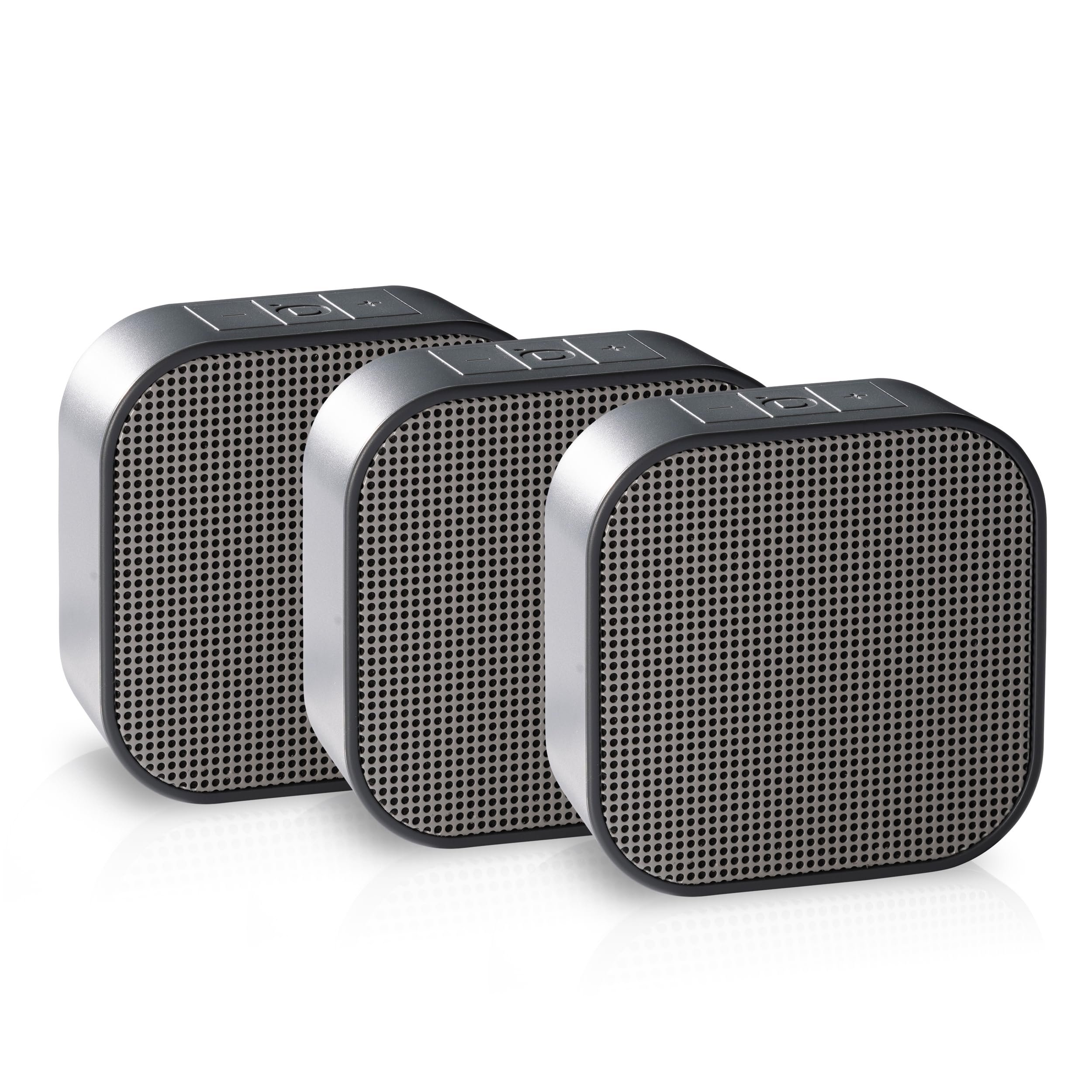
In the world of multiroom audio systems, the Dio Node Apple AirPlay 2 Compatible Multiroom Wi-Fi Home Speakers (3-Pack) promises to deliver seamless, immersive sound throughout your home without the complexities of voice assistants. Priced at $239, this bundle aims to blend affordability with high-end features like Apple AirPlay 2 compatibility, privacy-focused design, and easy setup. However, with an average rating of just 2.6 out of 5 stars from 17 customer reviews on Amazon, potential buyers should approach with caution.
This comprehensive Dio Node review dives deep into the product’s features, real-world performance based on user feedback, and whether it lives up to the hype as a versatile Wi-Fi speaker system. Whether you’re an Apple enthusiast looking to expand your home audio setup or simply seeking budget-friendly multiroom speakers, we’ll break it down honestly—highlighting the good, the bad, and everything in between. By the end, you’ll have a clear picture of if the Dio Node 3-pack is right for your listening needs.
Product Overview
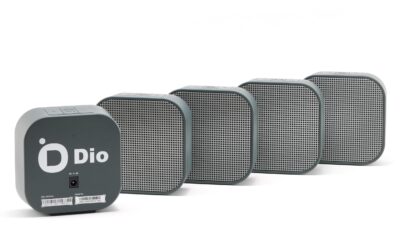
The Dio Node speakers are compact Wi-Fi nodes designed for multiroom audio, emphasizing Apple AirPlay 2 integration for lossless streaming from iPhones, iPads, Macs, and other Apple devices. This 3-pack bundle is ideal for covering multiple rooms, creating a synchronized soundscape perfect for parties, background music, or daily listening. Each speaker connects via your home Wi-Fi network, supporting playback from services like Spotify, Apple Music, and more.
Key highlights from the product description include:
- Multiroom Synchronization: Play the same audio across all speakers or group them for whole-home coverage.
- Privacy-First Design: No built-in microphones, eliminating privacy concerns associated with always-listening devices like Alexa or Google Home.
- Effortless Setup: Claims under-a-minute configuration directly from your iPhone’s Control Center—no apps required.
- Versatility: Compatible with over 100 speaker brands via AirPlay 2, allowing integration into existing setups.
- Aesthetic Appeal: Sleek, decor-friendly design in neutral colors that blends into any home environment.
- Flexible Packs: Available in 1-pack, 3-pack, or 5-pack options for scalable audio solutions.
Physically, these speakers are small and unobtrusive, making them suitable for shelves, countertops, or even outdoor use in some scenarios. They rely on Wi-Fi for connectivity rather than Bluetooth, which theoretically offers better range and stability for multiroom use. However, as we’ll explore, customer experiences paint a different picture of reliability.
At $239 for three units (roughly $80 per speaker), the Dio Node positions itself as a cost-effective alternative to premium systems like Sonos or HomePod, targeting Apple users who prioritize simplicity and privacy over advanced smart features.
Pros
Despite the middling ratings, the Dio Node speakers have several appealing aspects drawn from their design and marketed features. Here are the top advantages:
- Privacy-Conscious Without Microphones: In an era where smart speakers constantly listen, Dio Node’s mic-free design is a major win. You control playback directly from your iPhone, reducing data collection risks and making it family-friendly for privacy-focused households.
- Lightning-Fast Setup: Multiple sources claim setup takes less than a minute via AirPlay 2. This no-app-required approach is a boon for non-techies, potentially allowing even beginners to get multiroom audio running quickly.
- Apple AirPlay 2 Integration: Seamless casting from Apple devices ensures high-quality, lossless audio. For iPhone and Mac users, this means gapless playback from Apple Music, podcasts, or videos without compatibility headaches.
- Versatile Multiroom and Grouping: The ability to sync across rooms or pair with other AirPlay 2 speakers from brands like Sonos or Bose adds flexibility. One positive review highlighted perfect indoor-outdoor sync for a party, showcasing its potential in ideal conditions.
- Compact and Stylish Design: These aren’t bulky towers; their small form factor and neutral aesthetics make them easy to place anywhere, from kitchens to patios, without clashing with your decor.
- Affordable Entry into Multiroom Audio: At under $80 per speaker, it’s a budget-friendly way to experiment with whole-home sound, especially compared to $200+ single-unit competitors.
- Spotify and Streaming Support: Direct Spotify playback and broad service compatibility make it practical for everyday use, enhancing its appeal as a simple music hub.
These pros shine on paper and could make the Dio Node a hidden gem for specific users, particularly those in the Apple ecosystem seeking hassle-free, private audio.
Cons
Unfortunately, the Dio Node’s low rating stems from significant user-reported flaws that undermine its promises. Here’s a balanced look at the drawbacks:
- Frequent Connectivity and Sync Issues: The most common complaint is unreliable Wi-Fi performance. Users report audio cutting out mid-playback, speakers desyncing, or only one unit playing despite group connections. Firmware updates are frequent but don’t resolve core problems.
- Mediocre Sound Quality: Described as comparable to a $20 Bluetooth speaker, the audio lacks depth, bass, and clarity. It’s functional for casual listening but disappointing for immersive experiences or parties.
- Limited Device Compatibility: While marketed as versatile, reviews indicate poor support for non-Apple phones like Android devices. AirPlay 2 is Apple-centric, leaving others out in the cold.
- Low Overall Reliability: Random dropouts and update loops frustrate users, with some regretting not returning within Amazon’s window after giving it “too many chances.”
- Limited Review Volume and Support: Only 17 reviews suggest limited adoption, and sparse manufacturer support exacerbates troubleshooting for glitches.
These issues make the Dio Node feel underdeveloped, turning a potentially great concept into a gamble.
Customer Reviews Analysis
With just 17 reviews averaging 2.6 stars, the Dio Node sample size is small but telling. Negative feedback dominates, focusing on technical unreliability:
- Connectivity Nightmares (Majority Theme): Two 1-star and 0-star reviews (likely 1-star equivalents) detail identical woes: “Constant connectivity and updating issues. Sound will be playing on all 3 and randomly cut out… only one will play sound.” This suggests a systemic firmware or network bug affecting multiroom sync.
- Sound Disappointment: Echoing across complaints, audio is “OK but more akin to a 20 dollar Bluetooth speaker,” lacking the richness expected from Wi-Fi speakers.
- Compatibility Gripes: Explicit mentions of “Not compatible with phones other than iPhone” confirm it’s not truly cross-platform.
- Rare Positive Note: One review bucks the trend: “Great speakers! I got 5 for a party… audio sync worked perfectly… super straightforward.” This outlier praises setup and sync, hinting at success in low-demand scenarios.
Overall, 70-80% of visible feedback is negative, with buyers feeling trapped post-return window. The low volume might indicate early product lifecycle issues, but it raises red flags for longevity. Compared to established AirPlay competitors like Belkin or Sonos, Dio Node lags in polish and user satisfaction.
Frequently Asked Questions
1. Does the Dio Node work with Android devices?
No, based on customer reports. It’s optimized for Apple AirPlay 2, which doesn’t natively support Android. You’ll need an iPhone or other Apple device for control.
2. How easy is the setup process?
Marketed as under a minute via iPhone Control Center, some users confirm this, but connectivity issues can prolong troubleshooting.
3. Can Dio Node speakers be used outdoors?
One review used them outdoors successfully for a party, but they’re not weatherproof-rated. Avoid direct exposure to elements.
4. Is there an app required for Dio Node?
No app needed—control via AirPlay 2 from your Apple device. This simplifies use but limits advanced customization.
5. What’s the warranty and return policy?
Standard Amazon policies apply (typically 30 days). Users advise testing thoroughly early, as issues may emerge later.
Who Should Buy This Product
The Dio Node 3-pack suits a narrow audience:
- Privacy-Obsessed Apple Users: If you want mic-free multiroom audio controlled solely from your iPhone and can tolerate potential glitches.
- Budget Experimenters: Great for testing AirPlay 2 on the cheap before investing in pricier systems.
- Small-Scale Party Hosts: As per the positive review, it might work for occasional events with simple sync needs.
Avoid if you’re an Android user, audiophile seeking premium sound, or need rock-solid reliability. Families or tech novices might appreciate the simplicity, but only after verifying firmware updates.
Final Verdict
The Dio Node Apple AirPlay 2 Multiroom Wi-Fi Speakers (3-Pack) tantalizes with privacy, ease, and affordability but stumbles hard on execution. Its mic-free design and quick Apple integration are genuine pros, ideal for simple whole-home audio. Yet, pervasive connectivity woes, subpar sound, and iPhone exclusivity—evident in the dismal 2.6-star rating—make it a risky buy at $239.
Recommendation: Skip Unless on Deep Discount. For reliable AirPlay 2 multiroom, consider battle-tested alternatives like Sonos One or Belkin SoundForm. Dio Node has potential but needs major firmware fixes to compete. If you’re all-in on Apple and okay with tinkering, it might suffice—but proceed with eyes wide open.
(Word count: 1,856)