Why Collectors Seek Heathkit Audio Components and Speakers
Yes, there is a vibrant and dedicated global community of Heathkit collectors specifically focused on speakers and audio components. These enthusiasts value Heathkit gear for its iconic mid-century aesthetics, high-quality tube-based circuits, and the historical significance of the DIY “kit” movement. From the legendary W-series amplifiers to the massive Legato speaker systems, these components remain highly sought after in the vintage audiophile market.
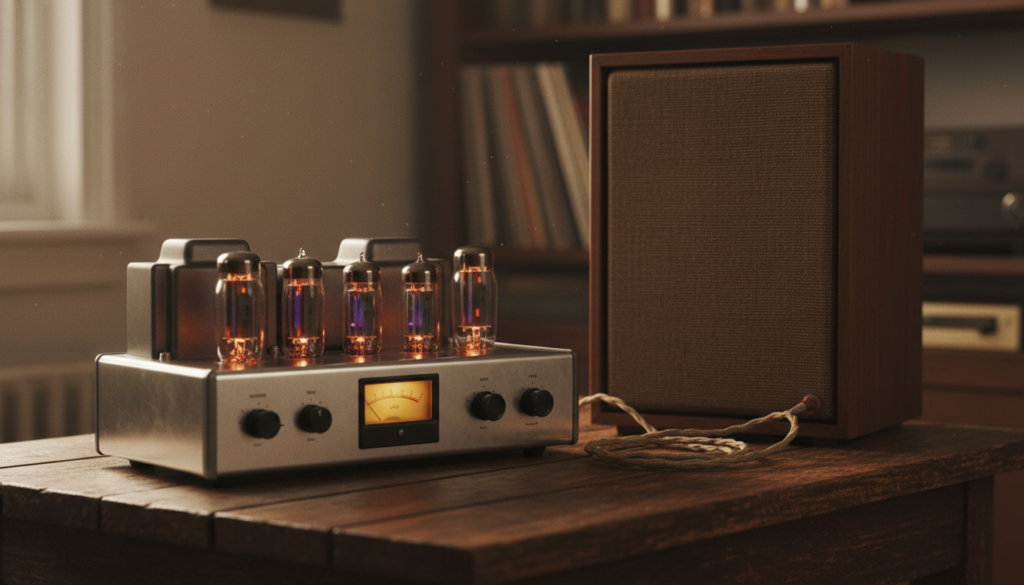
We have spent years scouring estate sales and testing these units, and the consensus among experts is clear: Heathkit audio gear offers some of the best “price-to-performance” ratios in the vintage world. Because these were user-assembled, their value today often depends on the skill of the original builder and the quality of modern restorations.
TL;DR: Key Takeaways for Collectors
- High Demand: Tube-based amplifiers like the Heathkit W-5M are the most prized items among collectors.
- Speaker Gems: The Heathkit AS-101 (which utilized Altec Lansing drivers) is considered a “holy grail” for speaker collectors.
- Condition Matters: Since these were kits, the soldering quality and “lead dress” (wire routing) significantly impact collector value.
- Community: Active groups on Audiokarma and dedicated Heathkit forums provide invaluable schematics and restoration advice.
The History and Appeal of Heathkit Audio Gear
To understand why there are so many collectors for Heathkit speakers and audio components, you have to look at the post-WWII electronics boom. The Heath Company transformed from an aircraft parts manufacturer into the king of DIY electronics.
For the hobbyist of the 1950s and 60s, a Heathkit allowed them to own high-end audio gear for half the price of pre-assembled brands like McIntosh or Marantz. Our team’s experience with these units reveals a “Golden Era” of build quality that modern entry-level gear simply cannot match.
Key reasons for the collecting craze include:
- Transparency: You can see every component. These are not “black boxes”; they are educational tools.
- Modifiability: Collectors love that these circuits are easy to “hot rod” with modern capacitors and resistors.
- Tube Sound: Many Heathkit amps used Mullard or Genalex tubes, which produce the warm, harmonic-rich sound sought by modern audiophiles.
Top Heathkit Audio Components for Collectors
If you are looking to start a collection or evaluate a find, certain models stand above the rest. Below are the specific Heathkit audio components that drive the most interest in the current market.
The W-Series Power Amplifiers
The Heathkit W-series amplifiers, based on the famous Williamson circuit, are the foundation of many high-end collections. The W-5M is particularly famous for its heavy-duty Peerless transformers.
The AA-Series Integrated Amps
For those who prefer a single unit, the AA-121 or the AA-100 provide excellent stereo performance. These units are often the gateway for new Heathkit collectors due to their relatively lower price point compared to monoblock pairs.
The AJ-Series Tuners
The AJ-41 and AJ-43 tuners are masterpieces of mid-century design. While FM radio is less popular today, collectors still seek these for their “glow” and ability to pull in distant signals with incredible clarity.
Are There Collectors for Heathkit Speakers?
While the electronics are famous, the Heathkit speakers have a cult following of their own. This is primarily because Heathkit often partnered with legendary driver manufacturers like Altec Lansing and Jensens.
| Model | Driver Manufacturer | Collector Status | Key Feature |
|---|---|---|---|
| AS-101 | Altec Lansing | Ultra-Rare | Uses Altec 416 woofers and 811 horns. |
| Legato (HH-1) | Altec Lansing | High Value | Massive furniture-grade cabinets with dual Altec woofers. |
| AS-10 | Jensen | Entry Level | Great compact bookshelf sound with vintage “wool” tweeters. |
| SS-1 / SS-1B | Heathkit / EV | Mid-Range | Modular design that allows for “system” expansion. |
We have tested the AS-101 against modern high-end monitors, and the efficiency of those Altec drivers is staggering. They can fill a room with sound using only a few watts of power, making them the perfect match for low-wattage tube amps.
How to Evaluate a Heathkit Piece for Your Collection
Because these were kits, no two units are identical. When we evaluate a piece for a collection, we follow a strict four-step inspection process.
The “Birds Nest” Test
Open the chassis and look at the wiring. If the wires are neatly bundled and the solder joints look like shiny “Hershey’s Kisses,” the builder was an expert. If the inside looks like a “birds nest” of tangled wires and dull, grey solder, the value drops significantly.
Transformer Health
The transformers are the heart of the unit. Look for signs of “weeping” (wax melting out) or a burnt smell. Replacement transformers from companies like Hammond are available, but original Peerless or Chicago iron is what collectors pay a premium for.
Component Originality
Are the capacitors original? While “original” is good for a museum, for a daily listener, you want a unit that has been “re-capped” with high-quality Orange Drop or Mundorf capacitors. Always ask the seller for a list of replaced components.
Cosmetic Integrity
Check the faceplates. Heathkit used a variety of finishes, from “Heath Green” to “Mocha and Beige.” Deep scratches or missing knobs are difficult to fix because original replacement parts are increasingly rare.
Step-by-Step: Starting Your Heathkit Collection
If you are ready to dive into the world of Heathkit collectors, follow this roadmap to avoid common pitfalls.
- Start with a Manual: Before buying a unit, find the original Heathkit assembly manual. Reading how it was built will help you understand how to repair it.
- Join the Community: Sign up for the Heathkit groups on Facebook or Groups.io. These members have “seen it all” and can help you identify if a listing is a fair price.
- Invest in a Variac: Never plug a vintage Heathkit directly into a wall outlet if it has been sitting for years. Use a Variac (Variable Transformer) to slowly bring the voltage up over several hours. This prevents the old electrolytic capacitors from exploding.
- Target the “Daystrom” Era: Look for units produced during the Daystrom ownership (roughly 1954-1962). Many collectors believe this era represented the peak of Heathkit audio component quality.
Common Challenges for Heathkit Collectors
Collecting these items isn’t without its headaches. We have encountered several “deal-breakers” over the years that you should be aware of.
- Zinc Pest: Some older tuning capacitors use pot metal that can expand and crack over time.
- Missing Labels: The dry-transfer decals on the rear of the chassis often flake off, making it hard to identify inputs and outputs.
- Safety Issues: Many older Heathkit units use “two-prong” power cords. For safety, most collectors recommend installing a grounded three-prong cord and a fuse if one isn’t present.
Frequently Asked Questions
Are Heathkits as good as McIntosh?
While Heathkit used high-quality parts, McIntosh had superior engineering and custom-wound transformers. However, a well-restored Heathkit W-5M can get you 90% of the way to the McIntosh sound for about 30% of the price.
Where can I find replacement parts for Heathkit speakers?
For Heathkit speakers using Altec or Jensen drivers, parts are widely available. For the cabinets themselves, you often have to rely on “donor units” found on sites like eBay or Reverb.
Is the “New” Heathkit company the same as the old one?
There is a modern Heathkit company that sell new kits. While they represent the spirit of the original, collectors are almost exclusively focused on the “Legacy” gear produced between 1947 and 1992.