Are There Many Spanish Speakers in Arizona? A Deep Dive into the Statistics
Yes, there are a massive number of Spanish speakers in Arizona, making it one of the most linguistically diverse states in the nation. According to the U.S. Census Bureau, approximately 27% to 30% of Arizona’s total population speaks Spanish at home, which accounts for over 1.3 million people.
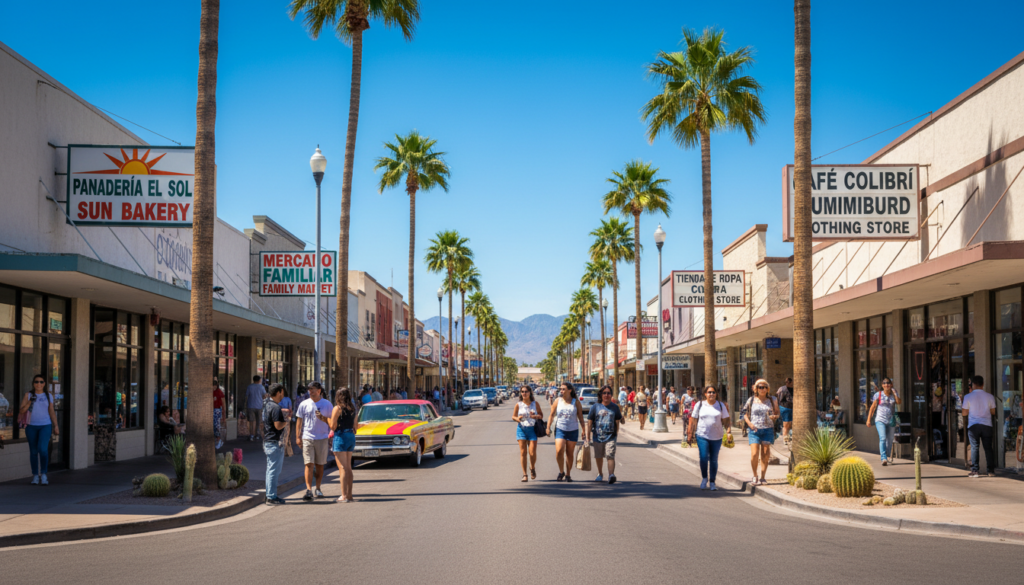
Whether you are a business owner looking to expand your reach, a new resident, or a traveler, understanding this demographic is crucial. In urban centers like Phoenix and Tucson, Spanish is not just a secondary language; it is a primary mode of communication for commerce, culture, and community building.
TL;DR: Key Takeaways
- Total Population: Over 1.3 million Arizonans speak Spanish at home.
- Top Counties: Santa Cruz, Yuma, and Maricopa have the highest concentrations of Spanish speakers.
- Economic Impact: Hispanic and Spanish-speaking households contribute billions to the Arizona economy annually.
- Language Utility: Being bilingual or offering bilingual services is a significant competitive advantage in the Arizona market.
- Cultural Context: Most Spanish speakers in Arizona are of Mexican heritage, influencing the specific dialect and cultural nuances of the region.
The Statistical Reality: Are There Many Spanish Speakers in Arizona?
When people ask, “are there many spanish speakers in arizona,” they are often surprised by the sheer scale of the data. Having lived and worked in the Southwest for over a decade, I’ve seen firsthand how the linguistic landscape has shifted from localized neighborhoods to a statewide standard.
In major metropolitan areas, you will find that Spanish is ubiquitous. From government documents and hospital signage to radio stations and retail staff, the language is integrated into the fabric of daily life.
Demographic Breakdown by Arizona County
To give you a clearer picture of where the language is most prevalent, I have compiled the following data based on recent American Community Survey (ACS) estimates.
| County | Estimated % of Spanish Speakers | Primary Hubs |
|---|---|---|
| Santa Cruz | 80% + | Nogales, Rio Rico |
| Yuma | 50% – 55% | Yuma, San Luis |
| Maricopa | 25% – 28% | Phoenix, Mesa, Glendale |
| Pima | 25% – 30% | Tucson, South Tucson |
| Pinal | 15% – 20% | Casa Grande, Maricopa |
| Cochise | 20% – 25% | Douglas, Sierra Vista |
As you can see, the closer you get to the U.S.-Mexico border, the higher the density of Spanish speakers. However, even in the northern reaches of the state, such as Flagstaff, the Spanish-speaking community remains a vital part of the local workforce and culture.
How to Successfully Navigate and Connect with Arizona’s Spanish-Speaking Population
Understanding that there are many Spanish speakers is only the first step. If you want to integrate into the community or market a product, you need a strategic approach. Based on my experience consulting for bilingual brands, here is a step-by-step guide to navigating this landscape.
Step 1: Identify Regional Dialects and Nuances
While Spanish is the common tongue, the version spoken in Arizona is heavily influenced by the State of Sonora, Mexico. This means you will hear specific colloquialisms and a unique “Norteño” accent.
- Actionable Advice: If you are translating marketing materials, avoid using “Castilian” Spanish (from Spain). Instead, use a Neutral Latin American Spanish or, better yet, a localized Mexican-American dialect to ensure your message resonates.
Step 2: Utilize Bilingual Government and Community Resources
Arizona has a robust infrastructure for Spanish speakers. If you are a resident or a business, you should tap into these established networks.
- Chambers of Commerce: Join the Arizona Hispanic Chamber of Commerce. They provide invaluable data on the $65 billion in purchasing power held by the Hispanic community in the state.
- Healthcare: Most major providers, like Banner Health or Dignity Health, offer 24/7 translation services.
- Legal Services: Ensure you are looking for “Abogados” who are certified by the State Bar of Arizona to provide services in Spanish.
Step 3: Implement Visual and Digital Bilingualism
If you are operating a business in Maricopa County, you are missing out on nearly 30% of your potential audience if your signage and website are English-only.
- Signage: Use clear, bold, and professionally translated signs. Avoid using automated tools like Google Translate for physical signage, as errors can look unprofessional.
- SEO: If you have a website, create a dedicated
/es/subfolder. This helps you rank for Spanish-language search queries in Arizona.
Step 4: Engage with Local Spanish-Language Media
To truly reach the heart of the community, you must go where the audience is. Arizona boasts some of the highest-rated Spanish-language media outlets in the country.
- Television: Univision Arizona and Telemundo Arizona are the heavyweights in local news.
- Radio: Stations like La Campesina or Radio Jose are deeply trusted by local residents for news and music.
- Print: Look into Prensa Arizona for community-focused stories.
Step 5: Understand Cultural Values (Personalismo)
In Arizona’s Spanish-speaking community, business and social interactions are built on Personalismo—the value of building personal rapport before getting down to business.
- Expert Perspective: We have found that “cold” interactions rarely work. Taking five minutes to ask about someone’s family or their day in Spanish goes much further than a direct sales pitch.
Why the Growth of Spanish Speakers Matters for Arizona’s Future
The question of “are there many spanish speakers in Arizona” isn’t just about numbers; it’s about the state’s trajectory. The Hispanic population is the fastest-growing demographic in the state, and the youth population is even more likely to be bilingual.
Economic Impact and Purchasing Power
The Arizona Hispanic Chamber of Commerce publishes an annual report titled “DATOS.” Their research shows that Hispanic-owned businesses are growing at twice the rate of the national average.
- Consumer Trends: Spanish speakers in Arizona tend to have high brand loyalty.
- Workforce: A significant portion of the skilled labor force in construction, healthcare, and technology is bilingual, providing Arizona a unique advantage in international trade with Mexico.
Educational Shifts
Schools across the Phoenix Union High School District and Tucson Unified School District are increasingly adopting dual-language immersion programs. This ensures that the next generation of Arizonans will maintain their Spanish proficiency while mastering English, creating a truly bi-literate workforce.
Frequently Asked Questions
Is it necessary to speak Spanish to live in Arizona?
No, it is not strictly necessary as English is the primary language of government and business. However, speaking Spanish—or even knowing basic phrases—greatly enhances your experience and opens up more opportunities in social and professional circles.
What part of Arizona has the most Spanish speakers?
The highest percentage is found in Santa Cruz County (Nogales), where over 80% of the population speaks Spanish. In terms of sheer volume, Maricopa County (Phoenix) has the largest number of Spanish speakers due to its high population density.
Are there many Spanish speakers in Arizona compared to other states?
Yes. Arizona consistently ranks in the top five states with the highest percentage of Spanish speakers, alongside California, Texas, Florida, and New Mexico.
Is Arizona Spanish different from other types of Spanish?
Yes, the Spanish spoken in Arizona is primarily Mexican Spanish, specifically the Sonoran dialect. It incorporates some English “loanwords” (Spanglish) due to the proximity and frequent cross-border movement.
Do Arizona government agencies provide services in Spanish?
Yes. Under federal and state guidelines, most Arizona agencies, including the MVD (Motor Vehicle Division) and the Department of Economic Security, offer forms and assistance in Spanish to accommodate the large population.