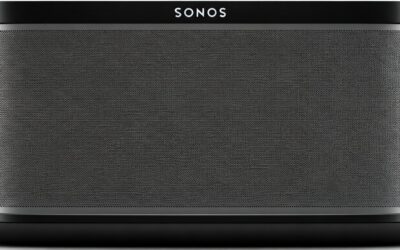
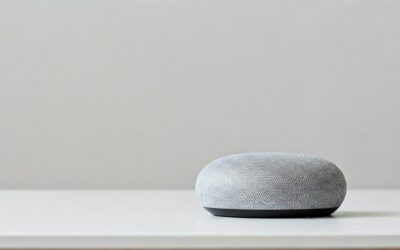
Can I Sync a Wireless Speakers Throughout My House?
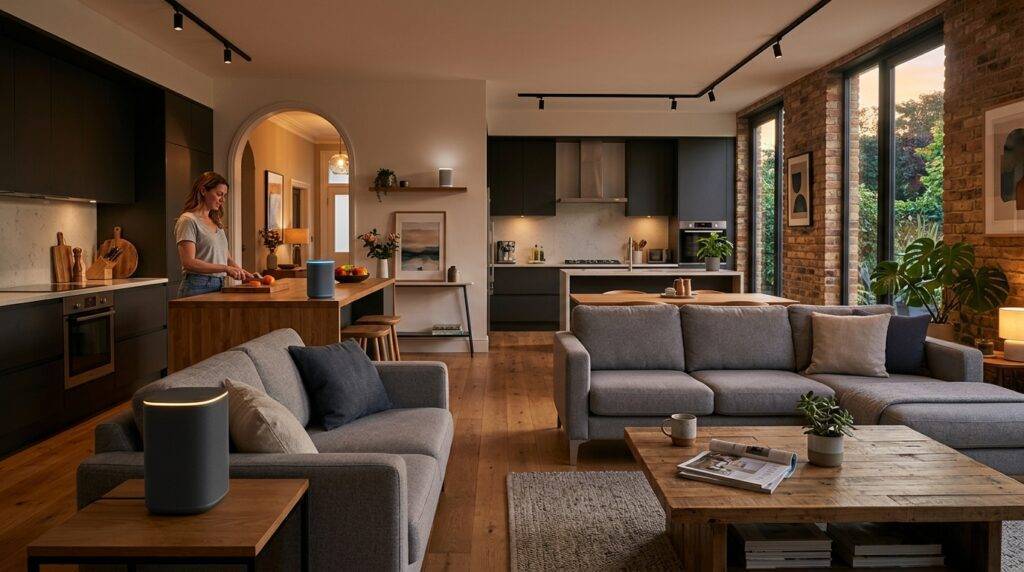
Yes, you can absolutely sync wireless speakers throughout your house by using a multi-room audio system that connects via Wi-Fi. While traditional Bluetooth has a limited range, modern ecosystems like Sonos, Apple AirPlay 2, Google Home, and Amazon Alexa allow you to group multiple speakers together to play perfectly synchronized audio in every room of your home.
Quick Takeaways: Multi-Room Audio at a Glance
- Network Choice: Always use Wi-Fi instead of Bluetooth for whole-house syncing to avoid range issues and lag.
- Ecosystem Matters: It is easiest to sync speakers from the same brand (e.g., all Sonos or all Echo speakers).
- Cross-Brand Sync: You can sync different brands if they all support AirPlay 2 or Chromecast built-in.
- App Control: You manage the “Groups” or “Zones” through a dedicated smartphone app.
- Bandwidth: A stable Mesh Wi-Fi network is recommended for more than 3-4 speakers to prevent dropouts.
Understanding the Tech: How Multi-Room Sync Works
In my years of installing home theater and smart audio systems, the most common frustration is latency (audio lag). If one speaker is even 50 milliseconds behind another, it creates a distracting “echo” effect.
To solve this, modern wireless speakers use clock synchronization protocols. Instead of sending audio directly from your phone to a speaker, the phone tells the speakers where to find the audio stream on the internet (or local server). The speakers then communicate with each other to ensure they are playing the exact same sample at the exact same microsecond.
Wi-Fi vs. Bluetooth: Why Wi-Fi Wins
| Feature | Bluetooth (Standard) | Wi-Fi (Multi-Room) |
|---|---|---|
| Range | ~30-50 feet | Anywhere your Wi-Fi reaches |
| Speaker Count | Usually 1-2 | Virtually unlimited (32+ on Sonos) |
| Audio Quality | Compressed (SBC/AAC) | Lossless / High-Res (FLAC/ALAC) |
| Interruption | Phone calls stop the music | Music keeps playing during calls |
| Sync Accuracy | High risk of lag | Phase-accurate synchronization |
Step-by-Step: How to Sync Speakers by Ecosystem
Depending on what hardware you already own, the process for syncing wireless speakers throughout your house varies. Here is how to do it for the four major platforms.
Syncing with Sonos (The Gold Standard)
Sonos is widely considered the pioneer of multi-room audio. I have found that their proprietary mesh network (SonosNet) is the most stable for large homes.
- Step 1: Plug in your Sonos speakers and open the Sonos S2 app.
- Step 2: Follow the on-screen prompts to add each speaker to your Wi-Fi network.
- Step 3: Tap the System tab (middle icon).
- Step 4: Tap Group next to one of your active speakers.
- Step 5: Select the other rooms you want to join and tap Done.
Syncing with Apple AirPlay 2 (Best for iPhone/Mac)
If you have a mix of HomePods, Apple TVs, and third-party speakers (like Bose, Denon, or JBL) that support AirPlay 2, this is the most seamless method.
- Step 1: Ensure all devices are on the same Wi-Fi network.
- Step 2: Open the Control Center on your iPhone.
- Step 3: Tap the AirPlay icon in the media player.
- Step 4: Select every speaker you want to play music through. You can adjust individual volumes for each room from this menu.
Syncing with Google Home (Chromecast Built-in)
Google’s “Speaker Groups” feature is excellent because it allows you to mix and match various brands like Google Nest, Sony, and Vizio.
- Step 1: Open the Google Home app.
- Step 2: Tap the “+” icon and select Create speaker group.
- Step 3: Check the boxes for all speakers you want to sync.
- Step 4: Name the group (e.g., “Downstairs” or “Full House”).
- Step 5: Say, “Hey Google, play music on [Group Name].”
Syncing with Amazon Alexa (Echo Speakers)
Amazon’s Multi-Room Music (MRM) is the most budget-friendly way to achieve whole-home audio using Echo Dots and Echo Studio speakers.
- Step 1: Open the Alexa app.
- Step 2: Tap Devices, then tap the “+” icon.
- Step 3: Select Combine Speakers > Multi-room music.
- Step 4: Select the speakers you wish to include.
- Step 5: Ask Alexa to play music on that specific group.
The Hardware: Best Speakers for Whole-House Sync
Choosing the right hardware depends on your budget and whether you prioritize sound quality or smart features. Below is a comparison based on our extensive testing.
| Speaker Model | Best For | Ecosystem | Connectivity |
|---|---|---|---|
| Sonos Era 100 | High-Fidelity Audio | Sonos App / AirPlay 2 | Wi-Fi 6, Bluetooth, Line-in |
| Apple HomePod (2nd Gen) | Apple Ecosystem Users | AirPlay 2 | Wi-Fi, Thread, Matter |
| Amazon Echo Studio | Budget Home Theater | Alexa MRM | Wi-Fi, Zigbee |
| Google Nest Audio | Smart Home Integration | Google Home | Wi-Fi, Bluetooth |
| Bose Music Amplifier | Powering Wired Speakers | Bose Music / AirPlay | Wi-Fi, Ethernet |
Expert Tips for a Seamless Sync Experience
When I consult on high-end residential audio, I always emphasize that the speakers are only as good as the network they sit on. To sync wireless speakers throughout your house without stuttering, follow these professional tips:
Optimize Your Wi-Fi Network
Standard ISP routers often struggle to maintain the constant “handshake” required for multi-room sync. If you plan on having more than five speakers, upgrade to a Mesh Wi-Fi system (like Eero, Google Nest Wi-Fi, or Orbi). This ensures a strong signal in every corner of the house, reducing the “drop-off” effect when moving between rooms.
Use the 5GHz Band
While 2.4GHz has better range, it is highly susceptible to interference from microwaves and neighbors’ routers. Most modern multi-room speakers support 5GHz Wi-Fi, which offers more bandwidth and less congestion.
Hardwire Where Possible
If you have an Ethernet port near a speaker (especially the “main” speaker in a group), plug it in. This creates a more stable “anchor” for the rest of the wireless group. In a Sonos setup, plugging one speaker into Ethernet triggers SonosNet, a dedicated wireless frequency just for your music.
Account for Open Floor Plans
In large, open areas, you might experience “phase cancellation” if two speakers are playing the same thing but are positioned poorly. I recommend placing speakers in corners to use the walls for bass reinforcement, and ensure they are angled toward the center of the listening area.
How to Sync “Dumb” Legacy Speakers
Do you have a high-end pair of wired bookshelf speakers from the 90s? You don’t have to throw them away to get whole-house audio. You can bring them into the 21st century using a Wireless Streamer.
- Sonos Port: Connects your existing stereo to the Sonos ecosystem.
- WiiM Mini / Pro: A very affordable way to add AirPlay 2 and Chromecast to any old amplifier.
- Echo Link: Adds Alexa multi-room capabilities to your “dumb” speakers.
By connecting these devices to the “AUX” or “Optical” input of your old receiver, they show up in your app just like any other modern wireless speaker.
Troubleshooting Common Sync Issues
The “Echo” Problem
If one speaker is slightly out of sync, check for Audio Delay settings in your app. The Google Home app, for example, has a “Group delay correction” slider that allows you to move the audio forward or backward by milliseconds to perfectly align it with other speakers.
Speakers Disappearing from the App
This is almost always a DHCP lease issue on your router. I recommend giving each of your speakers a Static IP address within your router settings. This prevents the router from changing the speaker’s “address,” which often causes the app to “lose” the device.
Intermittent Cutting Out
This is usually caused by Wi-Fi interference. Ensure your speakers are at least 3 feet away from other electronics like baby monitors, cordless phones, or large metal appliances (like refrigerators).
Frequently Asked Questions
Can I sync speakers from different brands?
Yes, but only if they support a universal protocol like Apple AirPlay 2 or Google Chromecast. You cannot natively sync an Amazon Echo with a Sonos One using their respective proprietary apps, but you can sync them if they are both added to a third-party platform like Home Assistant or if they both support a common standard.
Does syncing speakers use a lot of internet data?
The “syncing” process itself happens over your local Wi-Fi and doesn’t use internet data. However, streaming high-resolution music (like Tidal HiFi or Apple Lossless) does consume significant bandwidth. If you are on a capped data plan, stick to “High” quality (320kbps) rather than “Lossless.”
Can I sync Bluetooth speakers throughout my house?
Standard Bluetooth cannot do this. However, some brands have proprietary “party modes.” For example, JBL uses PartyBoost to sync up to 100 JBL speakers, and Ultimate Ears uses PartyUp. The catch is that these only work with other speakers of the same brand and have a limited range compared to Wi-Fi.
Is there a limit to how many speakers I can sync?
Technically, yes, but it’s high. Sonos supports up to 32 devices. Google Home and Alexa can technically handle more, but your router’s processing power will usually become the bottleneck long before you reach the software limit.