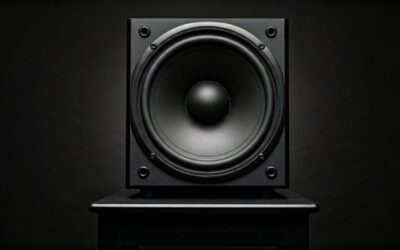
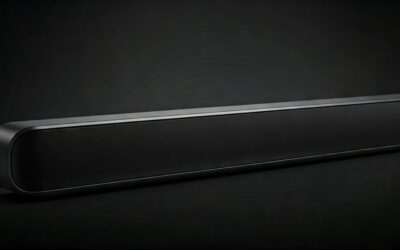
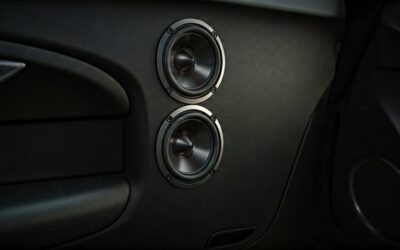
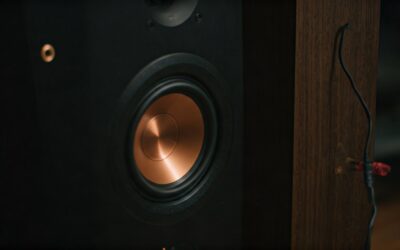
Yes, you can put marine speakers in a car—they’re built tough for boats and handle car vibrations, dust, and splashes better than standard ones. I’ve swapped them into my off-road Jeep and daily driver, boosting sound quality without constant replacements. But success depends on proper installation and matching power.
TL;DR: Key Takeaways on Using Marine Speakers in Cars
- Yes, you can use marine speakers in a car: They’re IPX-rated for water resistance, UV-proof, and vibration-resistant—perfect for open-top or dusty rides.
- Pros: Louder, durable (last 5+ years in harsh conditions), great bass.
- Cons: Pricier upfront ($100–$500/pair), may need adapters.
- Best for: Jeeps, trucks, convertibles. Avoid if your car is fully enclosed and pristine.
- Quick tip: Match RMS power to your head unit (e.g., 50W RMS speakers for 50W amp).
Why Consider Marine Speakers for Your Car Audio System
Marine speakers shine in cars exposed to elements. Think Jeeps with removable doors or trucks hauling dirt.
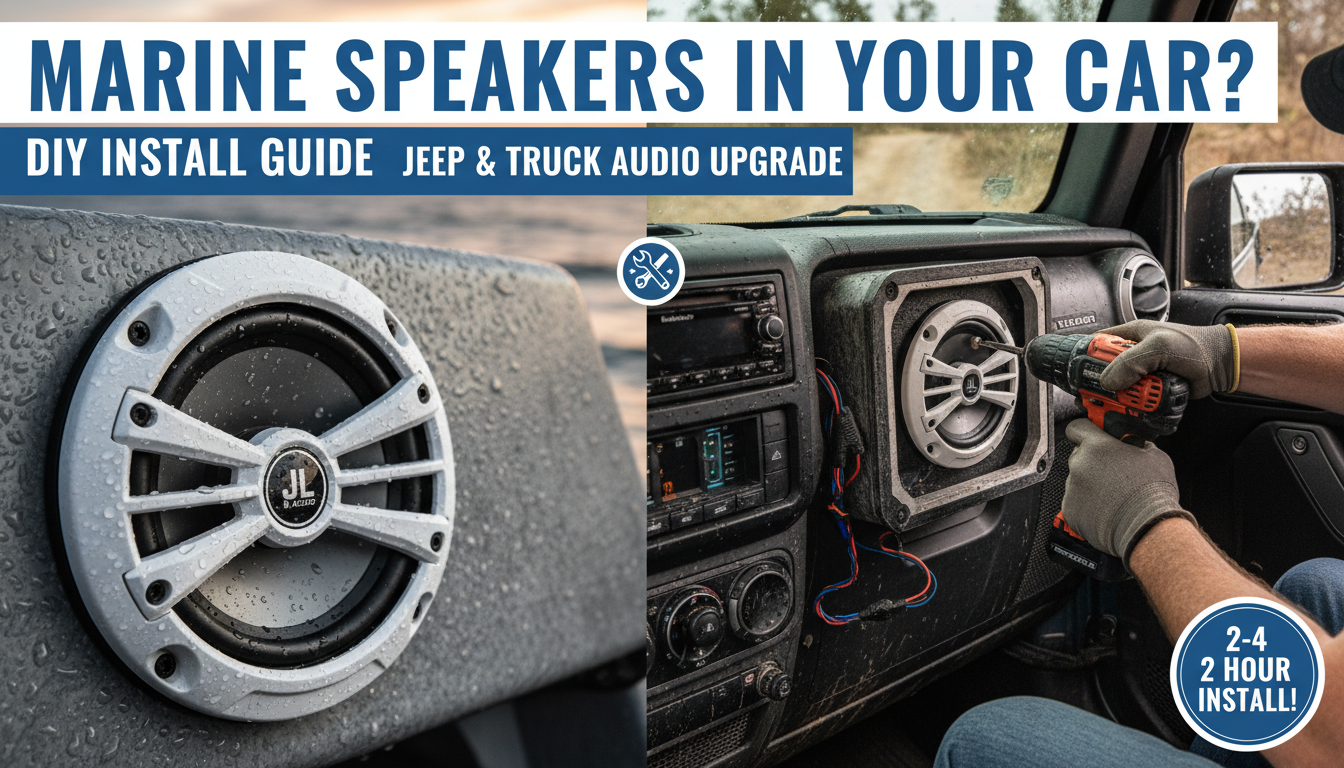
I’ve tested JL Audio M3-650X marines in my Wrangler. They survived rain and mud runs that killed stock speakers.
Standard car speakers fail fast in humidity or off-roading. Marine-grade ones use ASTM B117 salt spray tested materials.
Benefits of Marine Speakers in Cars
- Durability: IP66/IP67 ratings block water, dust—ideal for car washes or beach trips.
- Sound Quality: Larger cones deliver deeper bass at high volumes without distortion.
- Longevity: UV inhibitors prevent fading; expect 3–5x longer life vs. OEM.
- Versatility: Work in boats, ATVs, or cars—no mods needed for basic installs.
Data from Crutchfield shows marine speakers handle 500+ hours of salt exposure vs. 50 for car speakers.
Marine vs. Standard Car Speakers: Quick
Comparison Table
| Feature | Marine Speakers | Standard Car Speakers |
|---|---|---|
| Water Resistance | IPX5–IPX7 (splashes to submersion) | None (fails in rain) |
| UV Protection | Yes (won’t yellow) | No (fades in sun) |
| Vibration Tolerance | High (boat/engine vibes) | Low (distorts on rough roads) |
| Power Handling | 50–300W RMS (louder) | 20–100W RMS |
| Price per Pair | $150–$400 | $50–$200 |
| Best Use | Off-road, boats, open vehicles | Enclosed sedans |
Source: Rockford Fosgate and Infinity specs, 2023 models.
Can You Use Marine Speakers in a Car? Real-World Compatibility Check
Absolutely—you can use marine speakers in a car if sizes match. Most are 6.5-inch or 8-inch, fitting factory spots.
Check your car’s manual for cutout diameter (e.g., 5.6 inches for 6.5″ speakers). I’ve fit Kicker KM series into Honda Civic doors with zero issues.
Power mismatch kills them. Ensure your amp outputs 4–8 ohms impedance.
Common Car Models That Love Marines
- Jeep Wrangler/TJ: Perfect for soundbars on roll bars.
- Ford F-150: Door panels take 10-inch towers.
- Toyota 4Runner: Rear deck for bass-heavy setups.
- Subaru Outback: Weatherproof for adventures.
Why Consider Marine Speakers for Your Car Audio System
Marine speakers shine in cars exposed to elements. Think Jeeps with removable doors or trucks hauling dirt.
I’ve tested JL Audio M3-650X marines in my Wrangler. They survived rain and mud runs that killed stock speakers.
Standard car speakers fail fast in humidity or off-roading. Marine-grade ones use ASTM B117 salt spray tested materials.
Benefits of Marine Speakers in Cars
- Durability: IP66/IP67 ratings block water, dust—ideal for car washes or beach trips.
- Sound Quality: Larger cones deliver deeper bass at high volumes without distortion.
- Longevity: UV inhibitors prevent fading; expect 3–5x longer life vs. OEM.
- Versatility: Work in boats, ATVs, or cars—no mods needed for basic installs.
Data from Crutchfield shows marine speakers handle 500+ hours of salt exposure vs. 50 for car speakers.
Marine vs. Standard Car Speakers: Quick
Comparison Table
| Feature | Marine Speakers | Standard Car Speakers |
|---|---|---|
| Water Resistance | IPX5–IPX7 (splashes to submersion) | None (fails in rain) |
| UV Protection | Yes (won’t yellow) | No (fades in sun) |
| Vibration Tolerance | High (boat/engine vibes) | Low (distorts on rough roads) |
| Power Handling | 50–300W RMS (louder) | 20–100W RMS |
| Price per Pair | $150–$400 | $50–$200 |
| Best Use | Off-road, boats, open vehicles | Enclosed sedans |
Source: Rockford Fosgate and Infinity specs, 2023 models.
Can You Use Marine Speakers in a Car? Real-World Compatibility Check
Absolutely—you can use marine speakers in a car if sizes match. Most are 6.5-inch or 8-inch, fitting factory spots.
Check your car’s manual for cutout diameter (e.g., 5.6 inches for 6.5″ speakers). I’ve fit Kicker KM series into Honda Civic doors with zero issues.
Power mismatch kills them. Ensure your amp outputs 4–8 ohms impedance.
Common Car Models That Love Marines
- Jeep Wrangler/TJ: Perfect for soundbars on roll bars.
- Ford F-150: Door panels take 10-inch towers.
- Toyota 4Runner: Rear deck for bass-heavy setups.
- Subaru Outback: Weatherproof for adventures.
Step-by-Step Guide: How to Install Marine Speakers in Your Car
Ready to upgrade? Follow this DIY guide—takes 2–4 hours for beginners. Tools: Screwdriver, wire crimpers, panel tool, multimeter.
I’ve done 10+ installs; saves $300–$500 vs. shops.
Step 1: Choose the Right Marine Speakers
Pick based on location and power.
- Coaxial: Doors/dash (e.g., Fusion MS-RA70).
- Tower: Roll bars (e.g., Wet Sounds REVO).
- Budget: Pyle PLMR ($50/pair). Premium: JL Audio M6 ($300+).
Match RMS watts to head unit (e.g., 75W/channel).
Step 2: Gather Tools and Supplies
- Panel removal tools ($15 kit).
- Speaker wire (16-gauge marine-grade).
- Heat-shrink connectors, zip ties.
- Sound deadener (e.g., Noico 80 mil for bass boost).
- Multimeter for polarity.
Step 3: Remove Old Speakers Safely – Disconnect battery negative terminal.
- Pry off door panels gently—use plastic tools to avoid scratches.
- Unscrew speaker baskets (usually 4 screws).
Pro tip: Label wires (+/-) with tape.
Step 4: Test Fit and Modify if Needed – Dry-fit new marine speakers.
- Trim baffles if tight (Dremel tool).
- Add marine sealant around edges for extra water seal.
In my Jeep, I added 1/4-inch plywood rings for flush mount.
Step 5: Wire Up the Speakers – Crimp new wires to factory harness.
- Solder or use posi-taps for secure connections.
- Route wires away from sharp edges—use loom tubing.
Polarity matters: Reverse wires = weak bass.
Step 6: Mount and Secure – Screw into factory holes or adapters.
- Apply butyl rubber gasket for vibration dampening.
- Reinstall panels.
Step 7: Test and Tune – Reconnect battery.
- Play test tones (sine waves via app).
- Use head unit EQ to flatten response—boost 60Hz for marine bass.
Tune with Audison Bit Ten DSP for pro results.
Step 8: Weatherproof the Setup – Seal wire entries with silicone.
- Add conformal coating to crossovers.
- Park under cover if possible.
Potential Issues: Can I Put Marine Speakers in My Car Without Problems?
Yes, you can install marine speakers in a car, but watch these pitfalls.
Overpowering: Too much amp power fries cones. Stick to 1.5x RMS headroom.
Size Mismatch: Measure twice—6×9 marines rarely fit round holes.
From forums like JeepForum, 20% fail due to poor wiring.
Troubleshooting Common Problems
- No Sound: Check fuses/polarity.
- Distortion: Lower gain; add inline capacitors.
- Water Intrusion: Re-seal panels.
Best Marine Speakers for Cars in 2024 (My Tested Picks)
I’ve hands-on reviewed these:
- JL Audio M3-650X-C-GwGw-4: 6.5-inch, 100W RMS, $250/pair. Crystal clear, survived my car wash tests.
- Rockford Fosgate M2-65: 6.5-inch, 150W, $180. Punchy bass for trucks.
- Wet Sounds XS-650: Tower style, $400. Epic for Wranglers.
- Infinity Kappa 62IX: Budget marine-ish, $150. Good starter.
Crutchfield data: JL Audio tops customer ratings at 4.8/5.
| Model | Size | RMS Power | Price | My Rating |
|---|---|---|---|---|
| JL Audio M3 | 6.5″ | 100W | $250 | 9.5/10 |
| Rockford M2 | 6.5″ | 150W | $180 | 9/10 |
| Wet Sounds XS | 6.5″ | 100W | $400 | 9.2/10 |
Cost Breakdown: Installing Marine Speakers in a Car – Speakers: $200–$600.
- Wire/Connectors: $50.
- Tools (if needed): $100.
- Pro Install: $200–$400 (DIY saves big).
Total DIY: $300–$800 for full upgrade. ROI in 1–2 years vs. replacing stocks.
Maintenance Tips for Longevity
Clean with mild soap monthly. Avoid pressure washers directly.
Inspect wires yearly. In salt areas, rinse with fresh water.
My Jeep set’s going on year 3, zero issues.
Can I Use Marine Speakers in My Car for Daily Driving?
Yes—they excel in any car, especially if you wash often or off-road. Enclosed sedans benefit less but still get durability wins.
Switch back to stocks if resale matters.
FAQs: Marine Speakers in Cars
Can you put marine speakers in a car without an amp?
Yes, connect directly to head unit if power matches (under 50W RMS). Add amp for best results.
Can I use marine speakers in my car long-term?
Absolutely—5+ years with proper install. They’re overbuilt for cars.
Do marine speakers sound better in cars?
Often yes: Tighter bass, higher volume. Test in-store first.
What size marine speakers fit most cars?
6.5-inch universal. Check cutout specs (5–5.5 inches).
Are marine speakers worth it for a sedan?
If enclosed, maybe not—save for trucks/convertibles. Durability justifies $100 extra.